
 English
 Español
 日本語
日本語 Polska
 Français
 한국의
한국의 Українська
 Italiano
 Nederlands
 Türkçe
 Português
















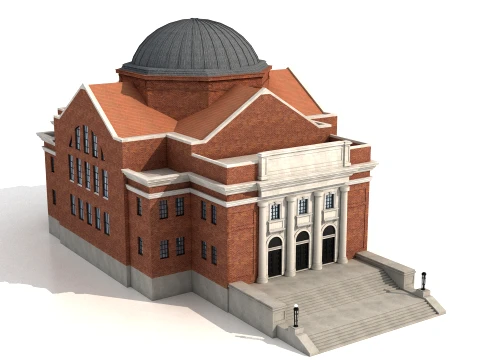
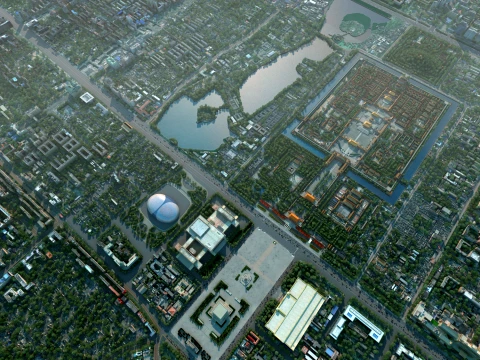
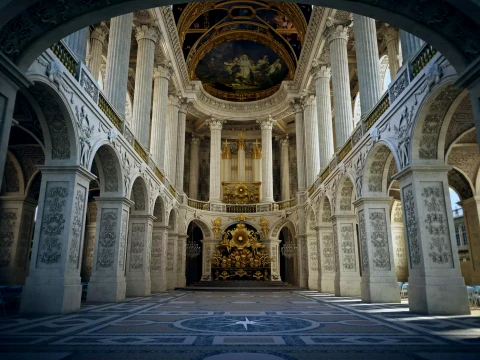
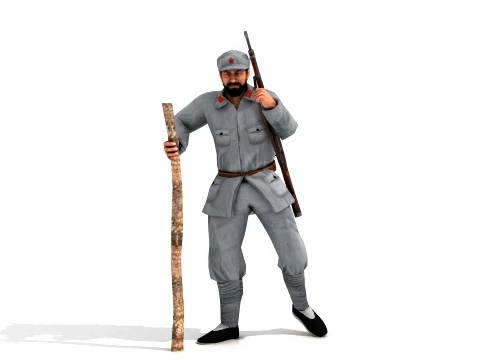
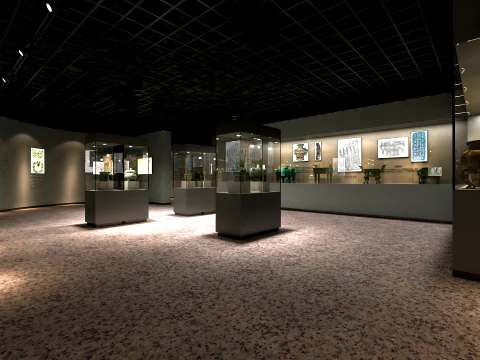
Staatliches Geschichtsmuseum Yan 3D Modell



- Fordern Sie Produktunterstützung

- Verfügbare Formate:
- Artikel-ID:635351
- Datum: 2026-03-28
- Polygone:9965338
- Eckpunkte:12648855
- Animiert:No
- Texturen:Yes
- Rigged:No
- Materialien:Yes
- Low-poly:No
- Sammlung:No
- UVW mapping:No
- Plugins Used:No
- Druckfertige:No
- 3D Scan:No
- Erwachsene:No
- PBR:No
- KI-Training:No
- Geometrie:Polygonal
- Unwrapped UVs:Unknown
- Betrachter:496
Beschreibung
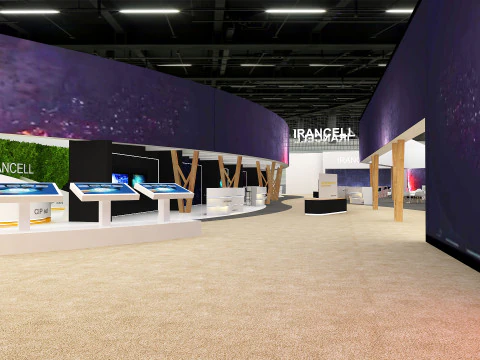
From the Western Zhou Dynasty to the Warring States period, Yan established its country for over 800 years, during which it moved its capital several times and its ruling territory constantly changed. Yan culture also presented different styles with the changes of the times. Yandi has always been a place where multiple ethnic groups reside, and ethnic and cultural expressions are colorful here. As an important channel from the North China Plain to the Northeast, this area has also become the intersection of the Central Plains culture, the northern grassland culture and the ethnic cultures in the Northeast. The establishment of Yan Kingdom and the development of Yan culture made it an important battlefield for ethnic integration. The unique unearthed cultural relics not only represent the material and cultural achievements of Yan State, but also highlight the important role played by Yan State and Yan culture in the integration of northern ethnic groups and the unification of Qin Dynasty. This exhibition mainly showcases the historical and cultural features and achievements of Yan State from four aspects: the establishment of the state and the capital city, ritual system and life, handicraft economy, and cultural integration. Through cultural relics, not only can we understand the basic living conditions and social development of the Yan people, but we can also interpret their ideological consciousness and cultural traditions at that time. According to the data, in the 11th century BC, after the establishment of the Western Zhou Dynasty, in order to consolidate the rule of the Zhou Dynasty, the Zhou emperor implemented a system of enfeoffment, dividing the royal relatives, meritorious officials, and previous nobles of the Zhou royal family into various regions to establish vassal states, forming a protective force against the Zhou royal family and serving as a barrier to the center of the Zhou Dynasty's rule. Duke Zhou and Duke Zhao once jointly assisted the young King Cheng of Zhou. Duke Zhou was located east of Shaanxi County (now Henan Province), while Duke Zhao was located west of Shaanxi County. Zhao Gong advocated diligence and frugality for the people, and was deeply loved by the common people. When he inspected towns and villages, he accepted complaints and handled government affairs under a Tang pear tree. From nobles to commoners, he was properly placed and very approachable. After the death of Duke Zhao, people missed his virtuous governance and the Tang pear tree, unwilling to cut it down. They even wrote poems to commemorate and praise Duke Zhao, which is known as Guofeng · Zhaonan · Gantang in the Book of Songs. Nowadays, there is Gantang Garden, also known as Zhaogong Temple, built in the Shanzhou Scenic Area of Sanmenxia City, Henan Province.The iron smelting ability of Yan State was extremely developed. During the Warring States period, not only were weapons made of iron, but armor and agricultural tools were mainly made of iron. The earliest surviving iron armor in China has also been unearthed here. The currency of Yan Kingdom mainly consists of knife coins and cloth coins, with the characters' 匽 'written on them. Bronze ritual vessels were formerly known as auspicious gold. Although there are not many surviving bronze vessels in the Yan state, they are exquisitely crafted, uniquely shaped, and have rich patterns, reflecting the superb manufacturing skills of Yan craftsmen.
Model making software: 3ds Max 2014
Rendering software: vray3.60.03 for 3dmax2014
Druckfertige: NeinSie brauchen mehr Formate?
Falls Sie ein anderes Format benötigen, eröffnen Sie bitte ein neues Support-Ticket und fragen Sie danach. Wir können 3D Modelle in folgende Formate konvertieren: .stl, .c4d, .obj, .fbx, .ma/.mb, .3ds, .3dm, .dxf/.dwg, .max. .blend, .skp, .glb. Kostenlose FormatkonvertierungWir konvertieren keine 3D Szenen und Formate wie .step, .iges, .stp, .sldprt usw!
Nutzungsinformationen
Staatliches Geschichtsmuseum Yan - Sie können dieses lizenzfreie 3D Modell gemäß der Basis- oder erweiterten Lizenz sowohl für private als auch für kommerzielle Zwecke verwenden.Die Basislizenz deckt die meisten Standardanwendungsfälle ab, darunter digitale Werbung, Design- und Visualisierungsprojekte, Social-Media-Konten von Unternehmen, native Apps, Web-Apps, Videospiele sowie physische oder digitale Endprodukte (sowohl kostenlos als auch kostenpflichtig).
Die Erweiterte Lizenz umfasst alle unter der Basislizenz gewährten Rechte ohne Nutzungsbeschränkungen und ermöglicht die Verwendung des 3D Modells in unbegrenzten kommerziellen Projekten unter Lizenzgebührenfreiheit.
Mehr lesen