


 English
 Español
 Deutsch
 日本語
日本語 Polska
 한국의
한국의 Українська
 Italiano
 Nederlands
 Türkçe
 Português
 Bahasa Indonesia
 Русский
 中國
中國 हिंदी
हिंदी
















dragon Modèles 3D
Nous avons 2669 produit(s) Libre de droits dragon Modèles 3D. Achetez ou téléchargez des modèles 3D gratuits pour vos projets CG, production cinématographique et vidéo, animation, visualisations, jeux, VR/AR et autres. Vous pouvez télécharger n'importe quel modèle 3D dans tous les formats 3D populaires, notamment MAX, OBJ, FBX, 3DS, STL, C4D, BLEND, MAYA
- -50%
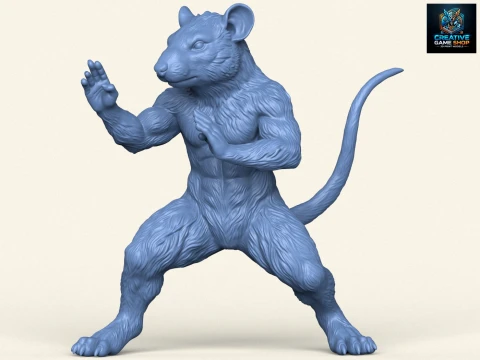 creativegameshopMonsters and Creatures$5.00
$10.00 - -50%
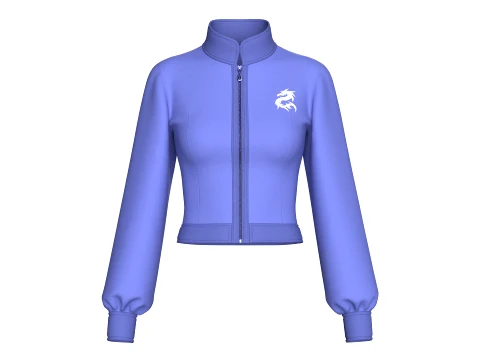 clothingaxisClothing
 - -50%
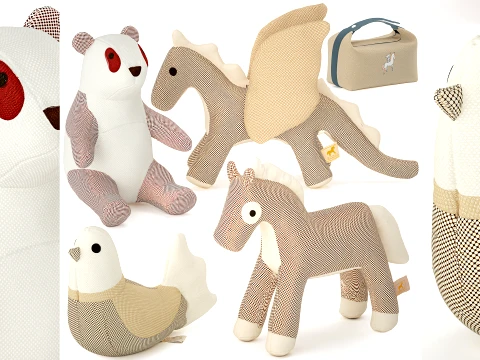 deckoratorToys
 - -50%
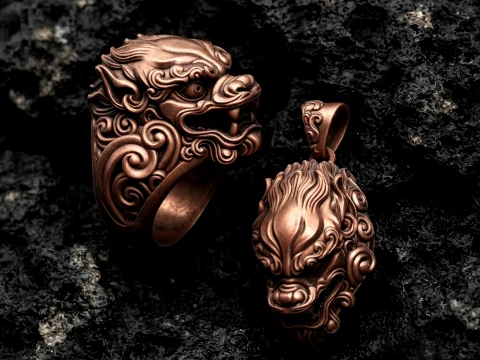 Avera3dOther
 - -50%
 Avera3dPendants
 - -50%
 pukamakaraHelicopter
 - -50%
 pukamakaraHelicopter
 - -50%
 pukamakaraHelicopter
 - -50%
 pukamakaraHelicopter
 - -50%
 pukamakaraHelicopter
 - -50%
 pukamakaraHelicopter
 - -50%
 pukamakaraHelicopter
 - -50%
 pukamakaraHelicopter
 - -50%
 creativegameshopMonsters and Creatures
 - -50%
 brunonunesdpAnatomy
 - -50%
 creativegameshopSculpture
 - -50%
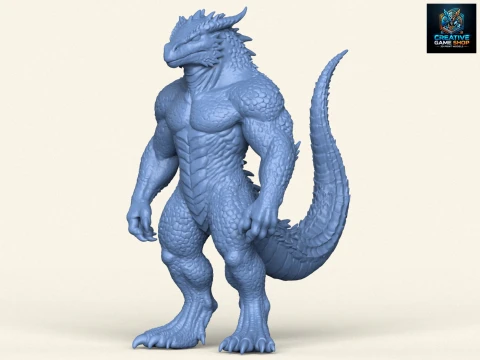 creativegameshopMonsters and Creatures$5.00
$10.00 - -50%
 brunonunesdpSculpture
 - -50%
 brunonunesdpOther
 - -50%
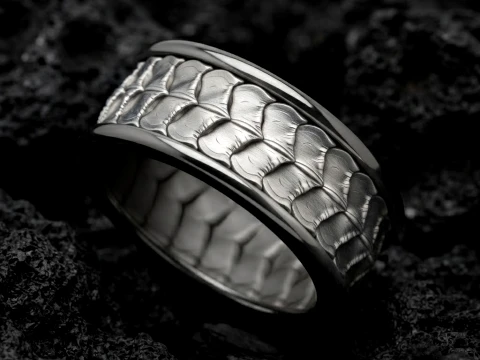 Avera3dRings
 - -50%
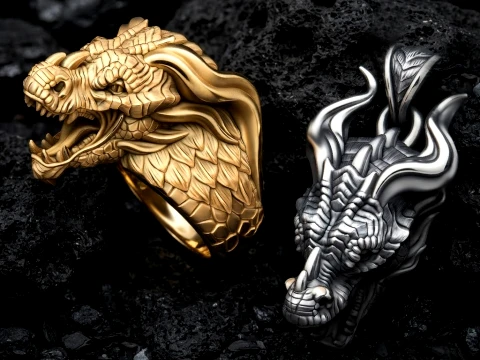 Avera3dPendants
 - -50%
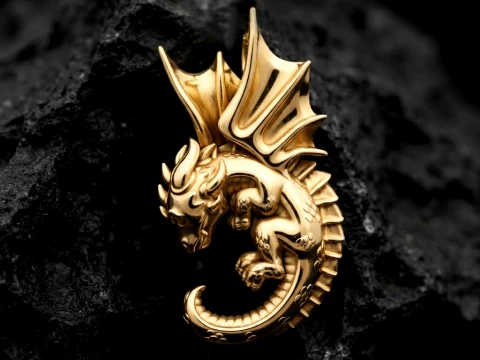 Avera3dPendants
 - -50%
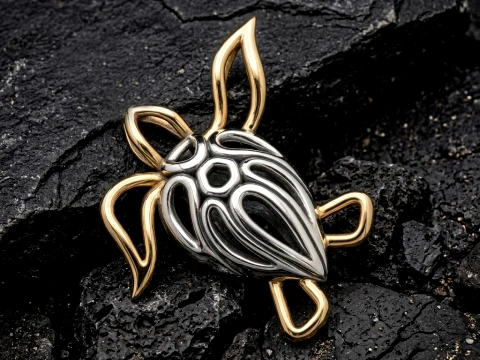 Avera3dPendants
 - -50%
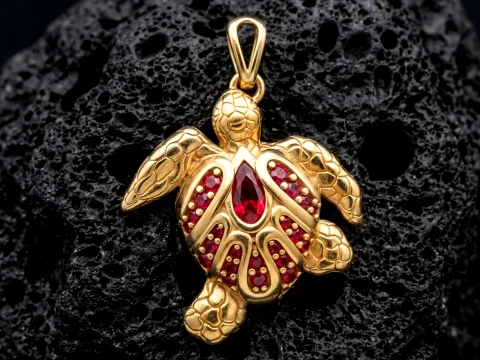 Avera3dPendants

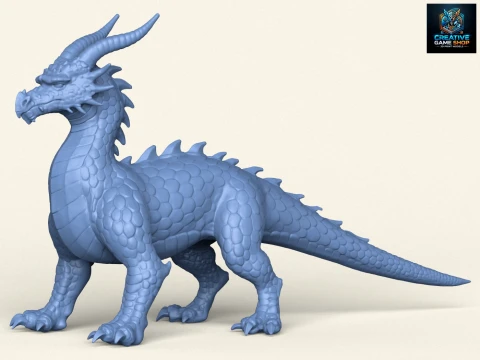
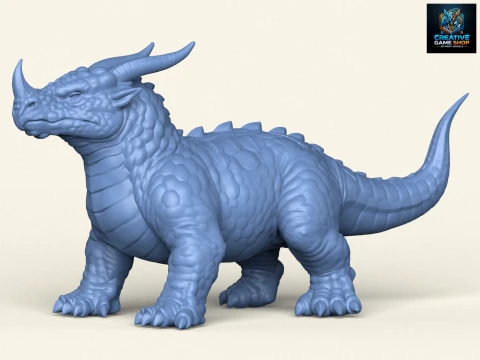
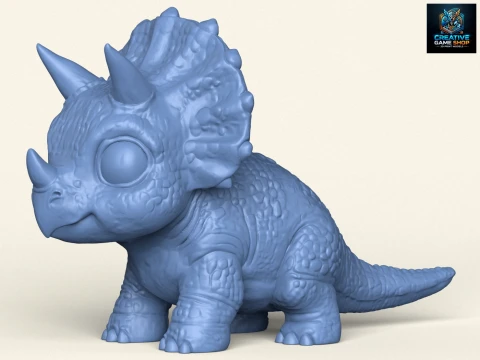
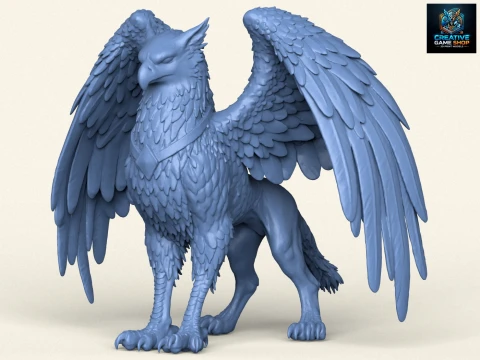










Recherches tendances Modèles 3D:
Sculpture Modèles 3D Personnages Modèles 3D Cuisine Modèles 3D Chevale Modèles 3D Architecturaux extérieurs Modèles 3D Téléphone et téléphone portable Modèles 3D Légume Modèles 3D Bijoux Modèles 3D Jouets Modèles 3D Médical Modèles 3D Hélicoptère Modèles 3D Armes lourdes Modèles 3D Camion Modèles 3D Anatomie Modèles 3DQ1 : Quels types de modèles de dragons sont disponibles en 3D ?
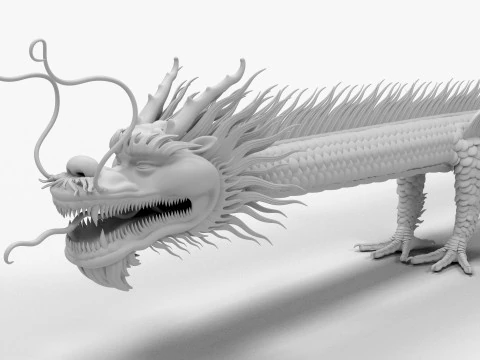
Le catalogue couvre les principales traditions de conception. Dragons occidentaux : créatures quadrupèdes et bipèdes cracheuses de feu, issues de la tradition fantastique européenne. Wyvernes : variantes bipèdes et bipèdes courantes en héraldique et dans les jeux de fantasy modernes. Dragons orientaux : sinueux, serpentins, généralement sans ailes, inspirés des traditions chinoises et japonaises. Les dragons stylisés et de style cartoon vont des versions mignonnes à faible polygone pour les jeux mobiles aux sculptures très détaillées aux géométries complexes. Les dragons de feu — essentiellement sans ailes et lourdement blindés — apparaissent dans les rendus de jeux de plateau et les films de fantasy. Le style et la qualité artistique varient énormément d'un vendeur à l'autre ; les rendus d'aperçu sont plus révélateurs que la description.Q2 : Qu’est-ce qui caractérise un modèle 3D de dragon articulé de qualité professionnelle ?
Quatre éléments distinguent une production de qualité acceptable d'une production correcte : la déformation de la membrane alaire, la physique de la queue, le détail de la géométrie des écailles et la couverture du système d'animation faciale. Les membranes alaires nécessitent un système de déformation basé sur une structure en treillis ou une peau (et non de simples os au bord d'attaque) afin que la membrane ondule et s'étire de manière convaincante en vol. Le système d'animation de la queue doit comporter au moins 20 os avec une capacité de mouvement secondaire (dynamique des ressorts ou suivi procédural). Le détail de la surface des écailles est généralement géré par des cartes de déplacement ou des cartes normales en 4K ou plus. Les commandes faciales d'un dragon doivent au minimum inclure les mouvements de la mâchoire, des yeux, des sourcils et des narines ; dans la fantasy moderne, les dragons sont des personnages expressifs, et non de simples monstres.Q3 : Existe-t-il des modèles 3D de dragons spécialement conçus pour l’impression de figurines de jeu de rôle Donjons et Dragons ?
Oui, c'est un créneau actif sur 3DExport. Les figurines de dragons de style D&D sont conçues pour l'impression à l'échelle 1:60 (standard pour les socles de figurines de 28 mm) et nécessitent des précautions de conception spécifiques : une épaisseur de paroi minimale de 1 mm pour l'impression résine, des détails de surface accentués car la peinture à l'échelle miniature met l'accent sur la profondeur, et une stabilité de pose optimale — un dragon en équilibre sur une griffe nécessite une structure de support intégrée. La plupart des modèles de dragons optimisés pour les figurines sur la plateforme sont explicitement étiquetés « pré-supportés » (structures de support déjà ajoutées) ou « prêts à imprimer ». Les imprimantes résine (séries Elegoo Saturn et Anycubic Photon) permettent d'atteindre le niveau de détail requis ; la technologie FDM est trop grossière.