


 Español
 Deutsch
 日本語
日本語 Polska
 Français
 한국의
한국의 Українська
 Italiano
 Nederlands
 Türkçe
 Português
 Bahasa Indonesia
 Русский
 中國
中國 हिंदी
हिंदी
















dragon 3D Models
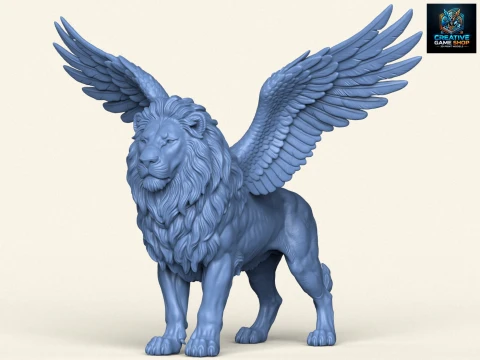
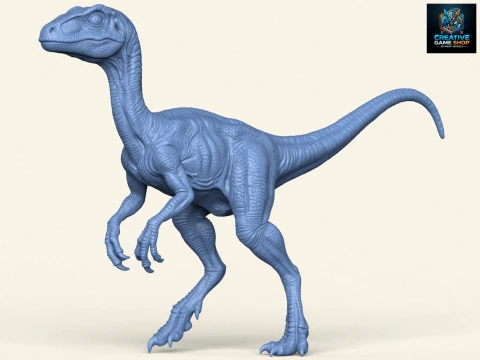
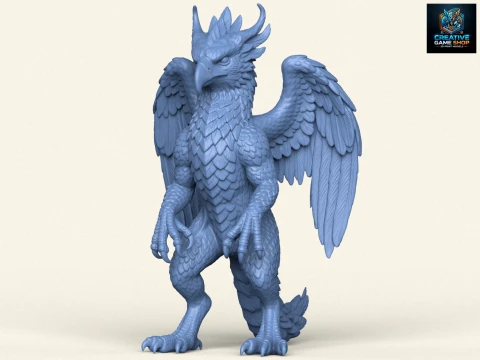
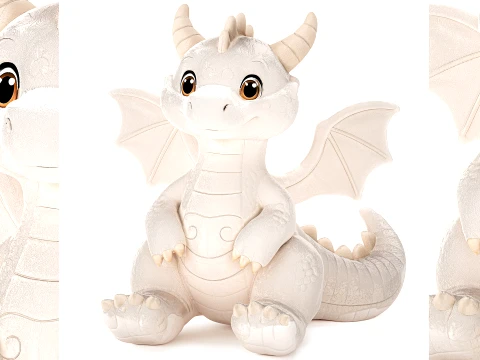
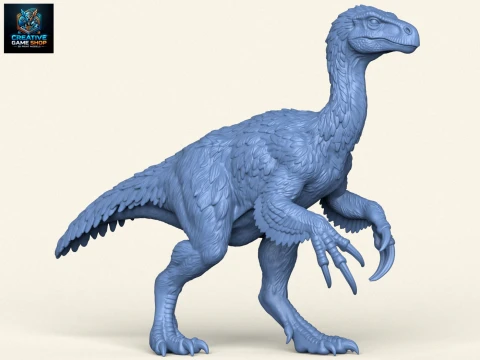
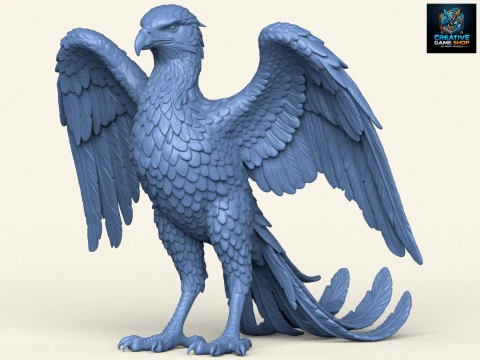
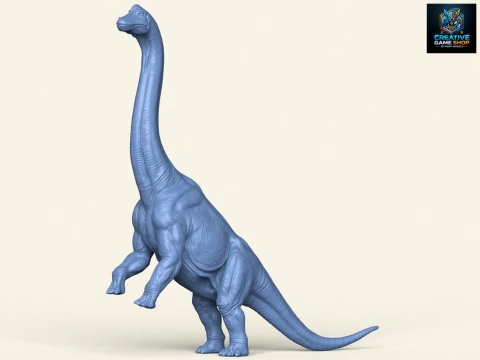
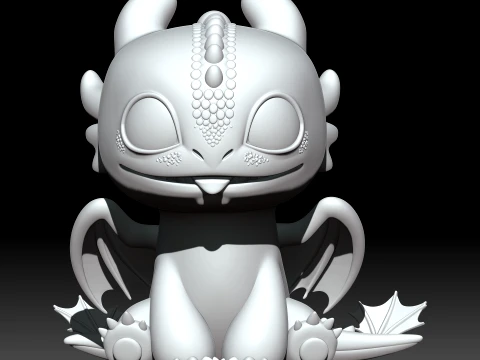
We have 2565 item(s) Royalty free dragon 3D Models. Buy or download free 3D models for your CG projects, film and video production, animation, visualizations, games, VR/AR, and others. You can download any 3d model in all popular 3d formats including MAX, OBJ, FBX, 3DS, STL, C4D, BLEND, MAYA
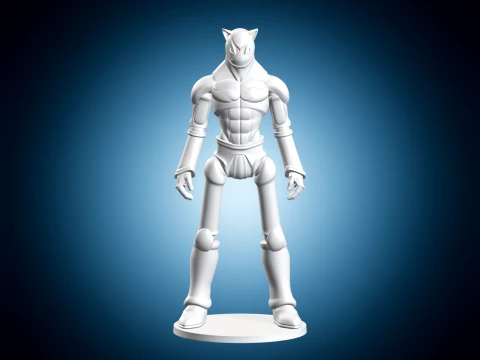 brunonunesdpAnatomy
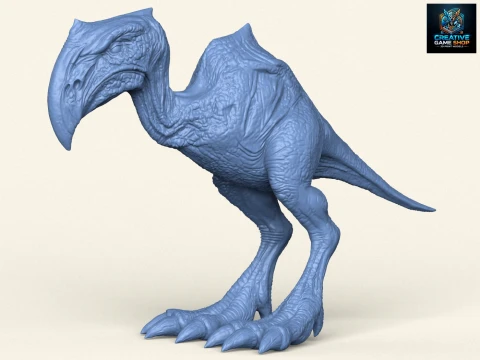
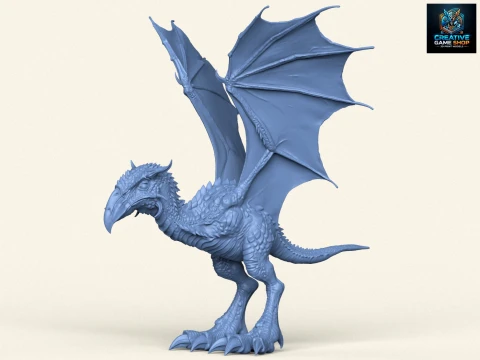

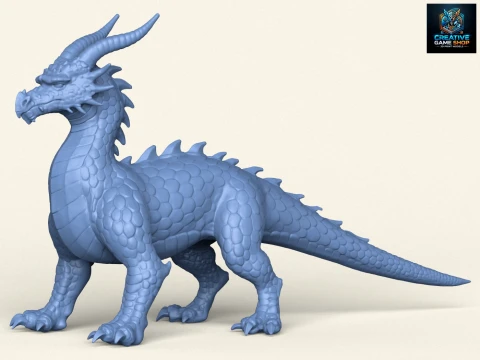
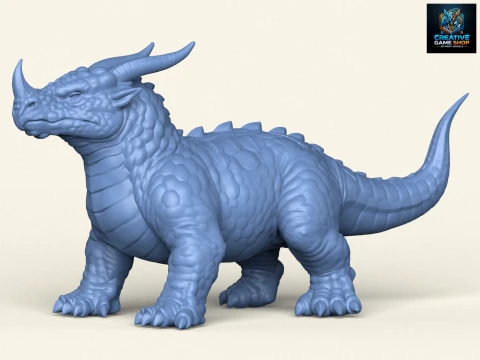

















Trending searches 3D Models:
Sculpture 3D Models Characters 3D Models Kitchen 3D Models Horse 3D Models Architectural Exteriors 3D Models Phone and Cell Phone 3D Models Vegetable 3D Models Jewellery 3D Models Toys 3D Models Medical 3D Models Helicopter 3D Models Heavy Weapon 3D Models Truck 3D Models Anatomy 3D ModelsQ1: What types of dragon designs are available as 3D models?
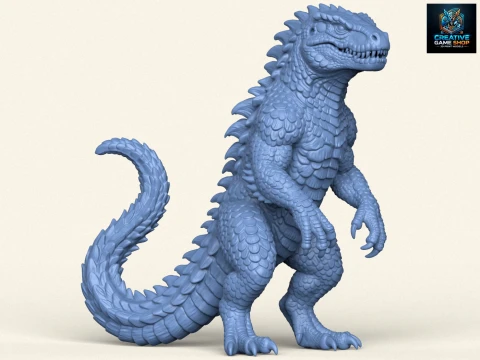
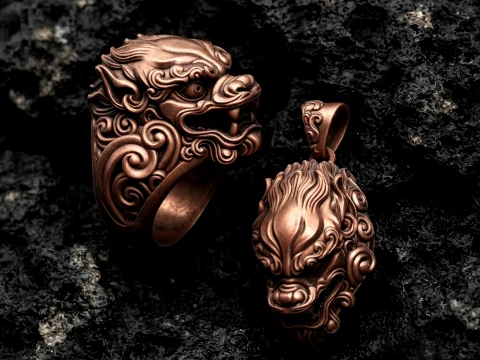
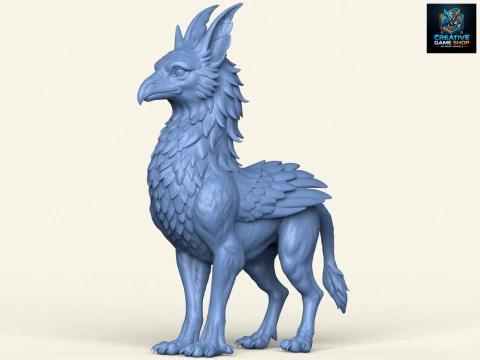
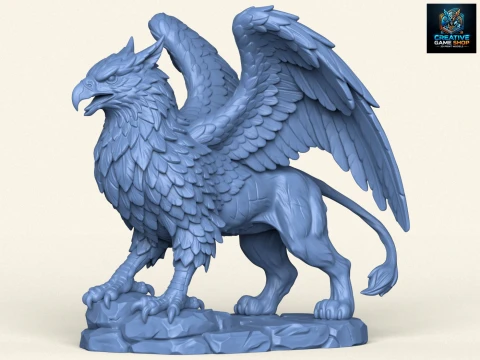
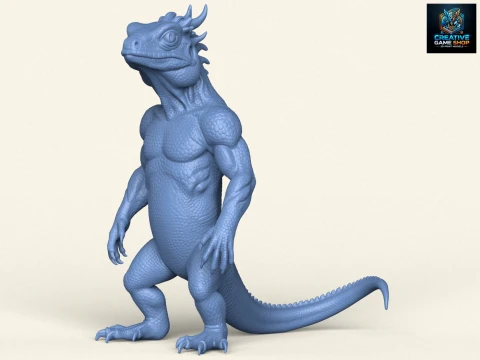
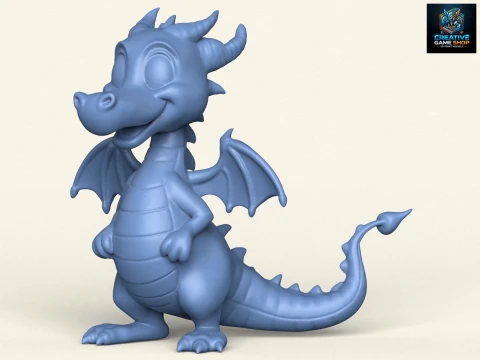
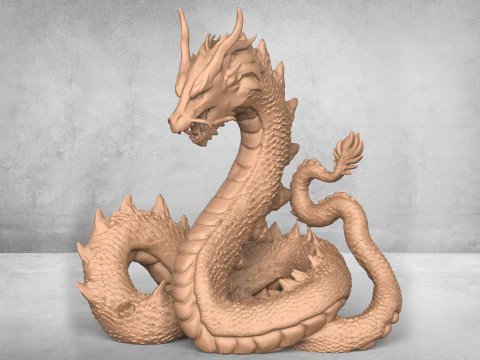
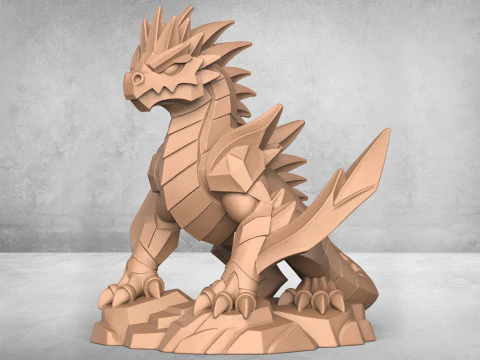
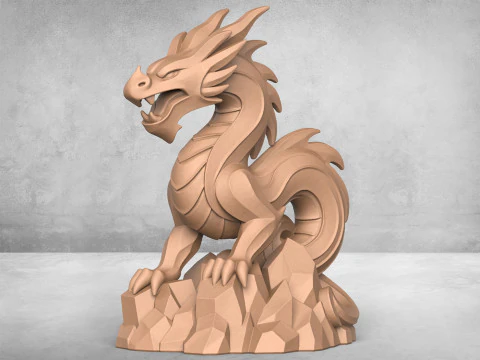
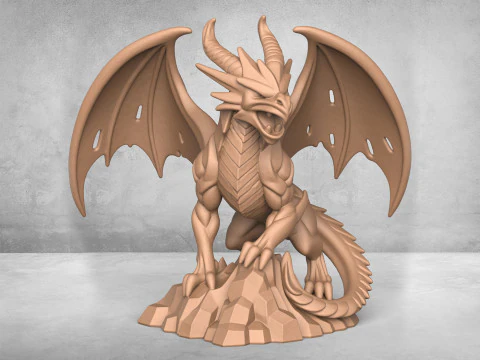
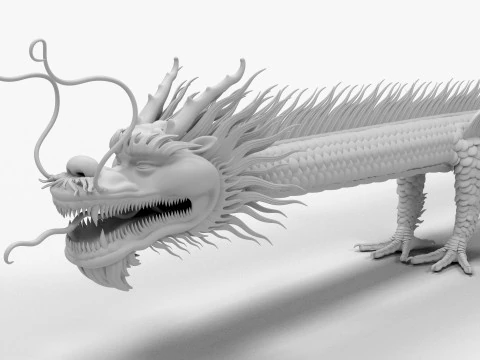
The catalog covers the major design traditions. Western dragons: four-legged, two-winged, large fire-breathing creatures in the European fantasy tradition. Wyverns: two-legged, two-winged variants common in heraldry and modern fantasy games. Eastern dragons: sinuous, serpentine, typically without wings, based on Chinese and Japanese design traditions. Stylized and cartoon dragons range from cute low-poly versions for mobile games to high-detail sculpts with complex scale geometry. Fire-drake variants — essentially wingless, heavily armored — show up for tabletop game renders and fantasy film work. Design style and artistic quality vary enormously between sellers; the preview renders tell you more than the description.
Q2: What makes a production-quality rigged dragon 3D model?
Four things separate production-quality from adequate: wing membrane deformation, tail physics, scale geometry detail, and facial rig coverage. Wing membranes need a lattice or skin-based deformation system — not just bones at the leading edge — so the membrane billows and stretches convincingly during flight. Tail rigs should have 20+ bones with secondary motion capability (spring dynamics or procedural follow-through). Scale surface detail is typically handled through displacement or normal maps at 4K+. Facial controls for a dragon need jaw, eye, brow, and nostril controls at minimum — dragons are expressive characters in modern fantasy, not just monsters.
Q3: Are there dragon 3D models specifically made for Dungeons & Dragons tabletop miniature printing?
Yes — this is an active niche on 3DExport. D&D-style dragon miniatures are designed for printing at 1:60 scale (the standard for 28mm miniature bases) and need specific design considerations: minimum wall thickness of 1mm for resin printing, exaggerated surface detail since painting at miniature scale emphasizes depth, and pose stability — a dragon balanced on one claw needs a support structure built into the design. Most miniature-optimized dragon models on the platform are explicitly labeled as "presupported" (support structures already added) or "print-ready." Resin printers (Elegoo Saturn series, Anycubic Photon) handle the detail level these require; FDM is too coarse.
Q4: How many polygons does a cinematic-quality dragon 3D model have?
Film-quality dragons used in VFX productions run several million polygons in the hero mesh, but that number is misleading — the base cage is typically 200,000–500,000 polygons, with the rest coming from subdivision and displacement at render time. For real-time game use, a dragon hero character lands at 80,000–150,000 triangles with scales handled through normal maps rather than geometry. Wing membrane geometry adds another 10,000–20,000 tris per wing. For mobile games, a stylized dragon at 15,000–25,000 tris is the practical ceiling. The jump in visual quality between a 20k mobile dragon and a 150k console dragon is substantial — scale, subdivision, and render-time displacement explain most of that gap.