


 English
 Español
 Deutsch
 日本語
日本語 Polska
 Français
 Українська
 Italiano
 Nederlands
 Türkçe
 Português
 Bahasa Indonesia
 Русский
 中國
中國 हिंदी
हिंदी
















용 3D 모델
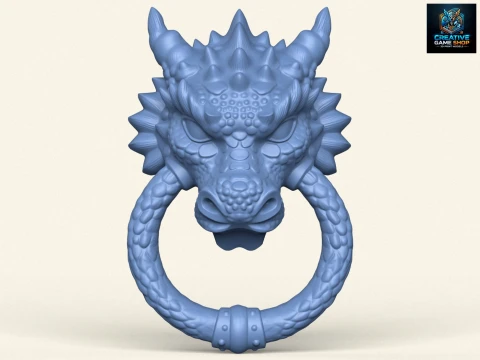
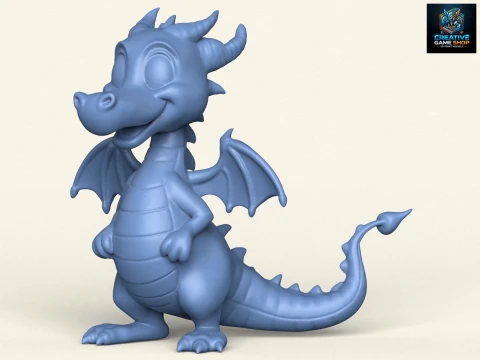
보유하고 있는 것 2657 아이템 로열티 프리 dragon 3D 모델. CG 프로젝트, 영화 및 비디오 제작, 애니메이션, 시각화, 게임, VR/AR 등을 위한 무료 3D 모델을 구입하거나 다운로드하세요. 다음을 포함하여 모든 인기 있는 3D 형식으로 3D 모델을 다운로드할 수 있습니다. MAX, OBJ, FBX, 3DS, STL, C4D, BLEND, MAYA
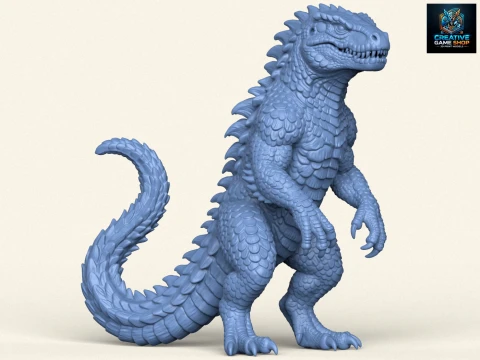
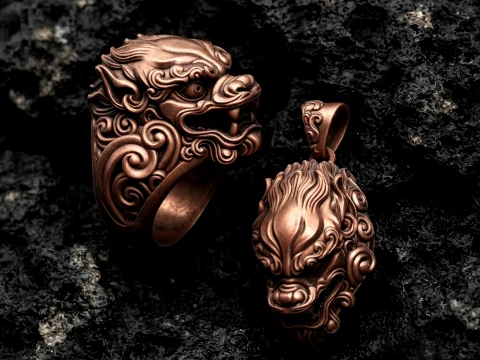
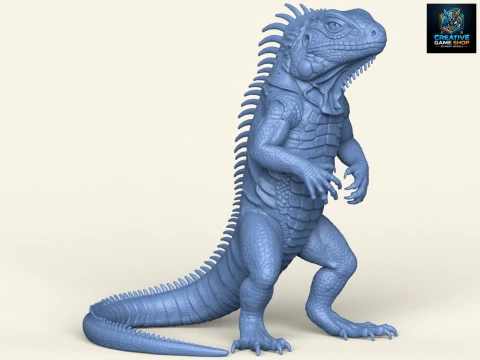














인기 검색어 3D 모델:
조각 3D 모델 캐릭터 3D 모델 부엌 3D 모델 말 3D 모델 외관 3D 모델 휴대 전화 3D 모델 야채 3D 모델 쥬얼리 3D 모델 장난감 3D 모델 의료 3D 모델 헬리콥터 3D 모델 중무기 3D 모델 트럭 3D 모델 해부학 3D 모델Q1: 3D 모델로 제공되는 용 디자인 유형에는 어떤 것들이 있나요?
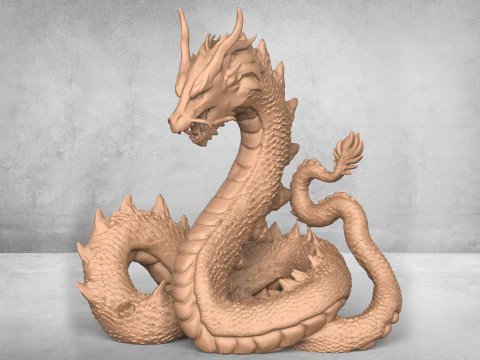
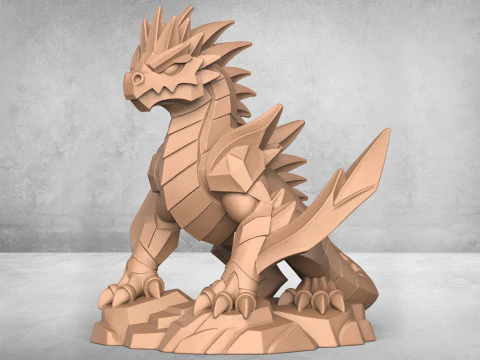
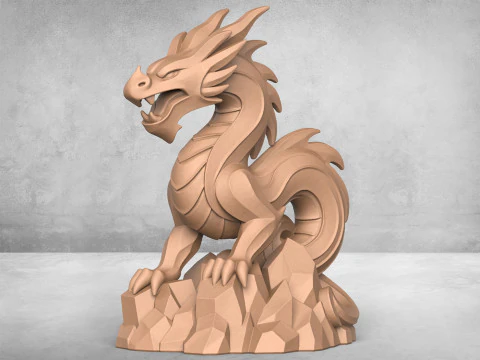
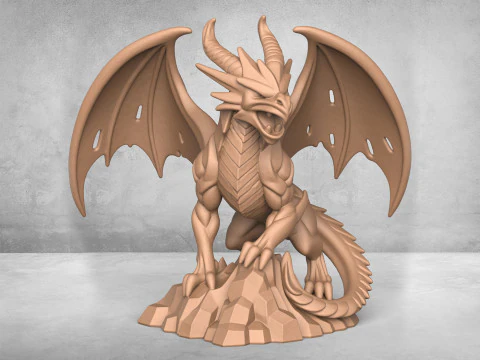
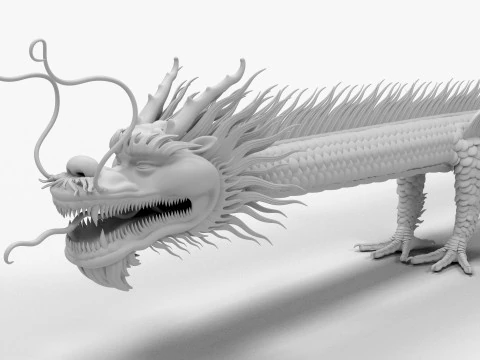
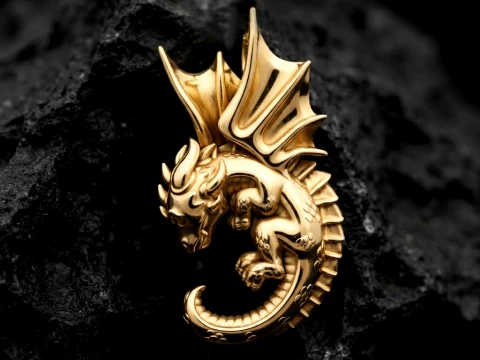
카탈로그는 주요 디자인 전통을 다룹니다. 서양 용: 유럽 판타지 전통에 등장하는 네 발과 두 날개를 가진 거대한 불을 뿜는 생물입니다. 와이번: 문장과 현대 판타지 게임에서 흔히 볼 수 있는 두 발과 두 날개를 가진 변종입니다. 동양 용: 중국과 일본의 디자인 전통에 기반을 둔 구불구불하고 뱀처럼 생긴, 일반적으로 날개가 없는 용입니다. 스타일리시하고 만화적인 용은 모바일 게임용 귀여운 저폴리곤 버전부터 복잡한 비늘 구조를 가진 고해상도 조각까지 다양합니다. 날개가 없고 중무장한 불의 용 변종은 테이블탑 게임 렌더링과 판타지 영화 작업에 등장합니다. 디자인 스타일과 예술적 품질은 판매자마다 매우 다양하므로, 미리보기 렌더링이 설명보다 더 많은 것을 보여줍니다.
Q2: 고품질의 리깅된 드래곤 3D 모델을 만드는 요소는 무엇인가요?
실제 제작 수준과 그저 그런 수준을 구분하는 네 가지 요소는 날개막 변형, 꼬리 물리 효과, 비늘 형상 디테일, 그리고 얼굴 리깅입니다. 날개막은 단순히 앞쪽 가장자리의 뼈대만으로는 표현되지 않고, 격자 또는 피부 기반 변형 시스템이 필요합니다. 그래야 비행 중 날개막이 자연스럽게 펄럭이고 늘어나는 모습을 실감 나게 표현할 수 있습니다. 꼬리 리깅은 20개 이상의 뼈대와 보조 동작 기능(스프링 역학 또는 절차적 후속 동작)을 갖춰야 합니다. 비늘 표면 디테일은 일반적으로 4K 이상의 해상도에서 디스플레이스먼트 맵이나 노멀 맵을 통해 처리됩니다. 용의 얼굴 컨트롤은 최소한 턱, 눈, 눈썹, 콧구멍을 제어할 수 있어야 합니다. 현대 판타지에서 용은 단순한 괴물이 아니라 풍부한 표정을 가진 캐릭터이기 때문입니다.
Q3: 던전앤드래곤 테이블탑 미니어처 프린팅용으로 특별히 제작된 드래곤 3D 모델이 있나요?
네, 3DExport에서 활발하게 제작되고 있는 틈새 시장입니다. D&D 스타일 드래곤 미니어처는 1:60 스케일(28mm 미니어처 베이스의 표준)로 출력하도록 설계되었으며, 다음과 같은 특정 디자인 고려 사항이 필요합니다. 레진 출력을 위해서는 최소 1mm의 벽 두께가 필요하고, 미니어처 스케일에서는 깊이감을 강조하기 위해 표면 디테일을 과장해야 하며, 자세 안정성도 중요합니다. 한쪽 발톱으로 균형을 잡는 드래곤은 디자인에 지지 구조가 포함되어야 합니다. 플랫폼에 있는 대부분의 미니어처 최적화 드래곤 모델은 "사전 지지대 포함"(지지 구조가 이미 추가됨) 또는 "출력 준비 완료"로 명시되어 있습니다. 레진 프린터(Elegoo Saturn 시리즈, Anycubic Photon)는 이러한 디테일 수준을 처리하는 데 적합하며, FDM 프린터는 너무 거칠게 출력됩니다.