


 English
 Español
 Deutsch
 日本語
日本語 Français
 한국의
한국의 Українська
 Italiano
 Nederlands
 Türkçe
 Português
 Bahasa Indonesia
 Русский
 中國
中國 हिंदी
हिंदी
















smok Modele 3D
Mamy 2668 produkty/ów Bez opłat licencyjnych dragon Modele 3D. Kup lub pobierz bezpłatne modele 3D do swoich projektów CG, produkcji filmowych i wideo, animacji, wizualizacji, gier, VR/AR i innych. Możesz pobrać dowolny model 3D we wszystkich popularnych formatach 3D, w tym MAX, OBJ, FBX, 3DS, STL, C4D, BLEND, MAYA
- -50%
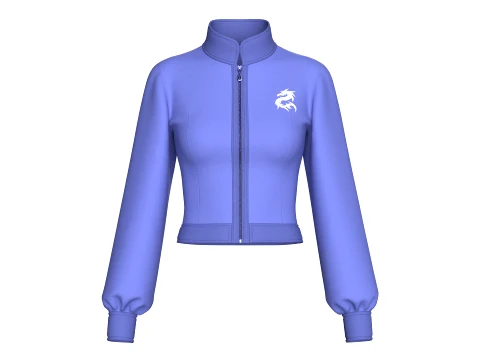 clothingaxisClothing
 - -50%
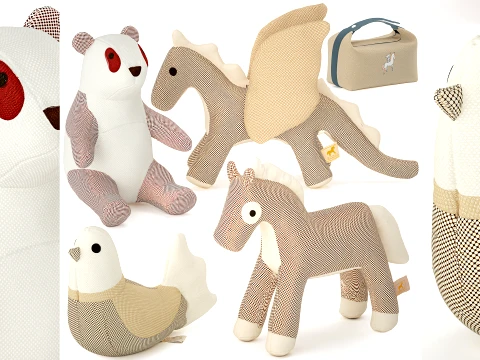 deckoratorToys
 - -50%
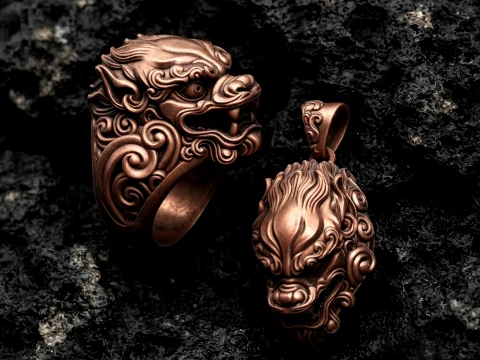 Avera3dOther
 - -50%
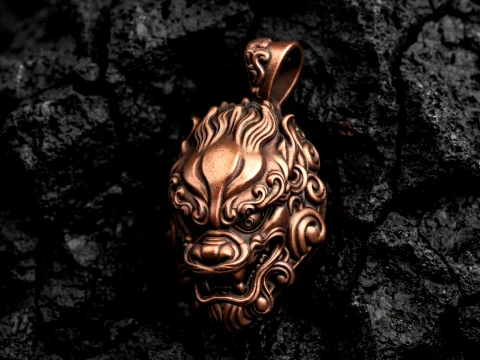 Avera3dPendants
 - -50%
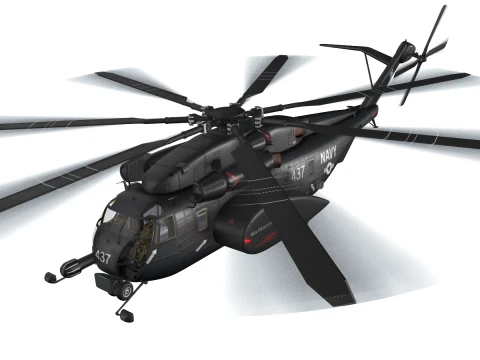 pukamakaraHelicopter
 - -50%
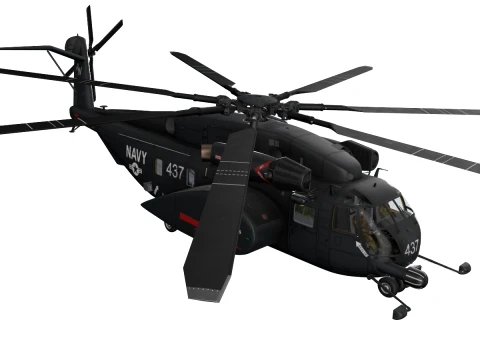 pukamakaraHelicopter
 - -50%
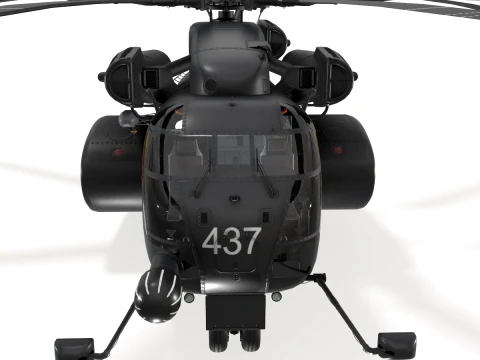 pukamakaraHelicopter
 - -50%
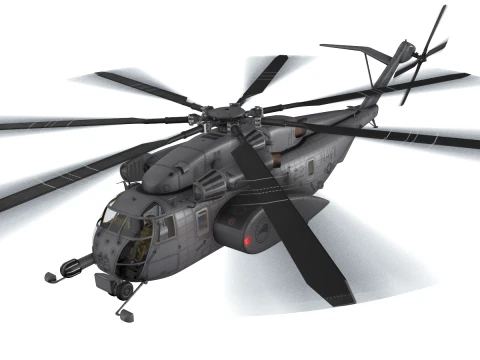 pukamakaraHelicopter
 - -50%
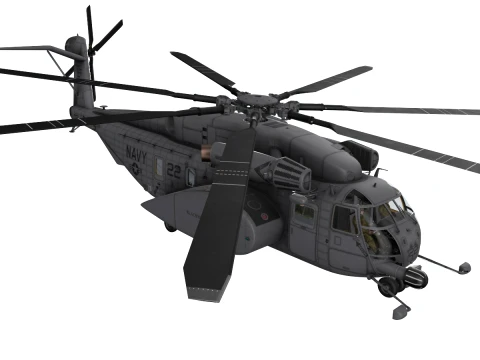 pukamakaraHelicopter
 - -50%
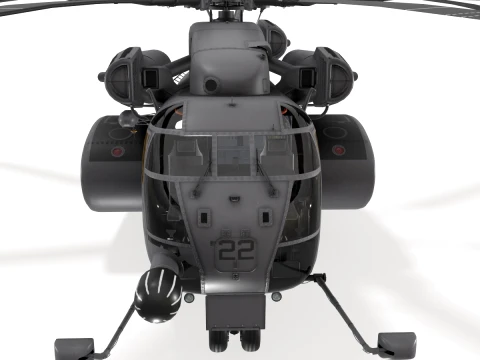 pukamakaraHelicopter
 - -50%
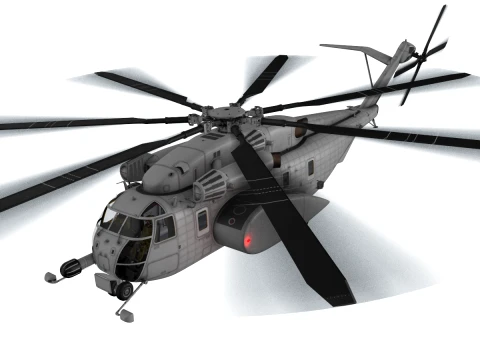 pukamakaraHelicopter
 - -50%
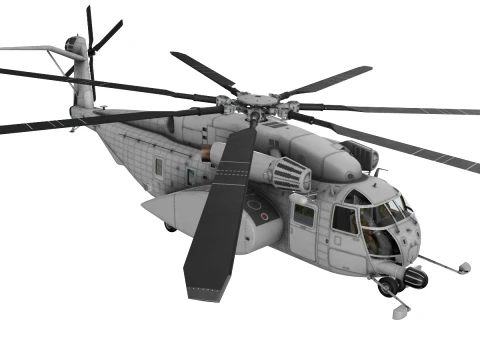 pukamakaraHelicopter
 - -50%
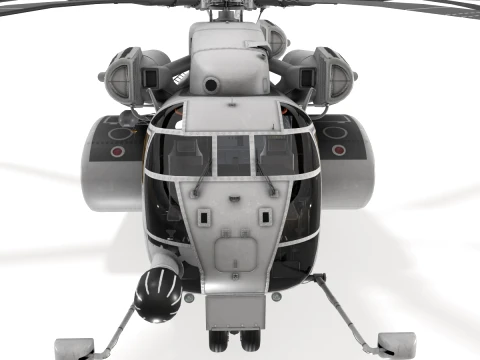 pukamakaraHelicopter
 - -50%
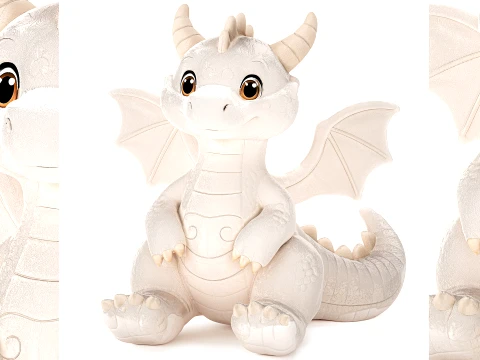 deckoratorOther
 - -50%
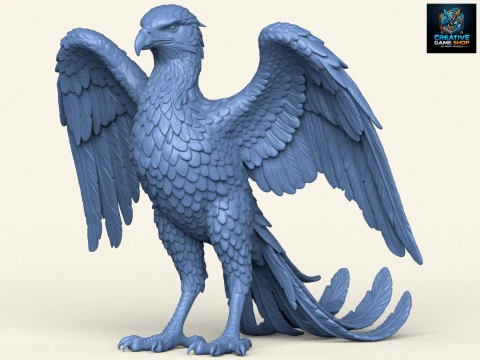 creativegameshopMonsters and Creatures
 - -50%
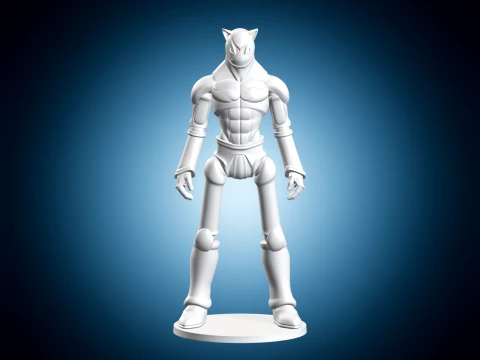 brunonunesdpAnatomy
 - -50%
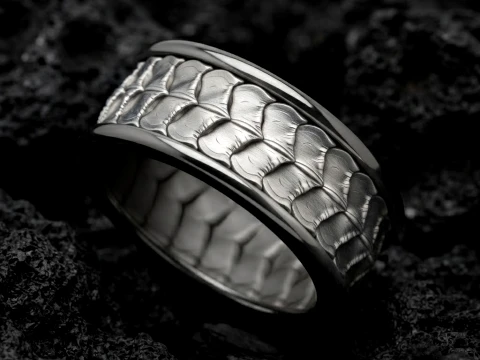 Avera3dRings
 - -50%
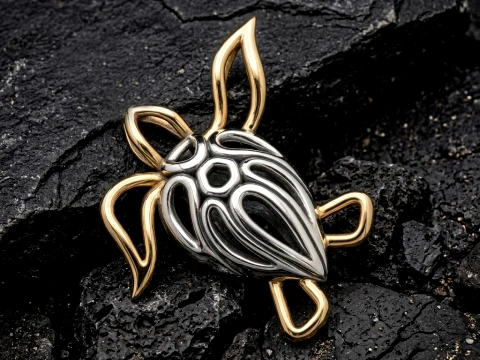 Avera3dPendants
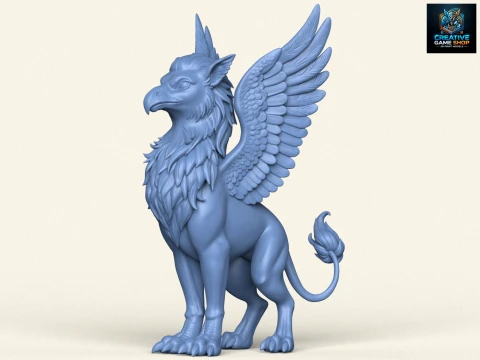
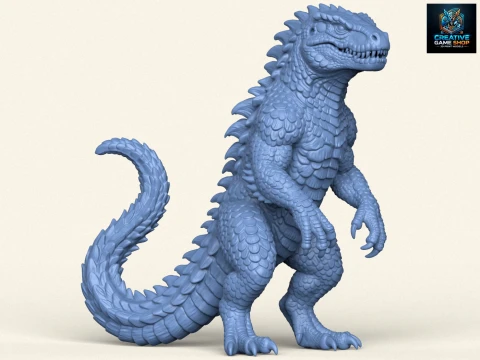
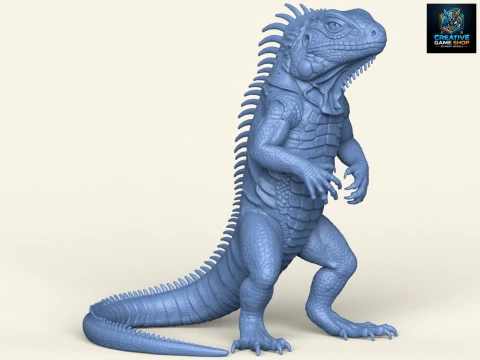
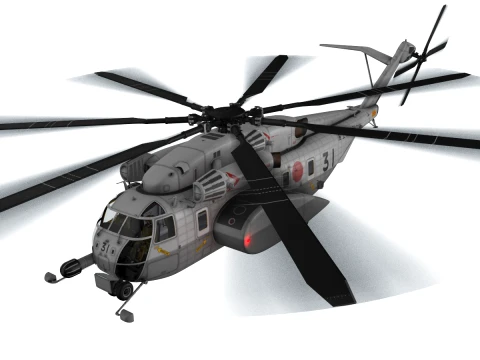
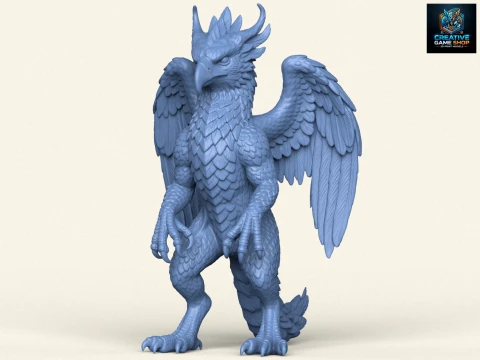
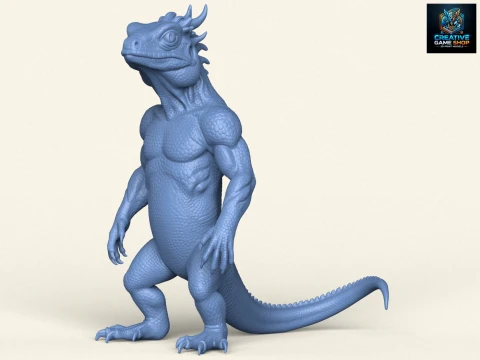
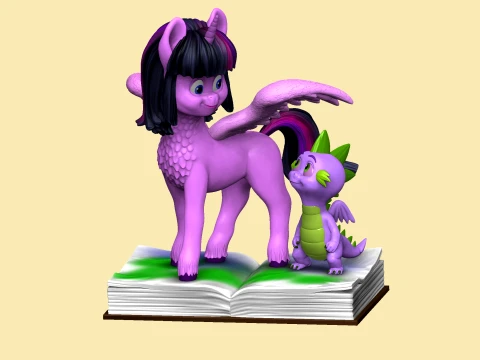
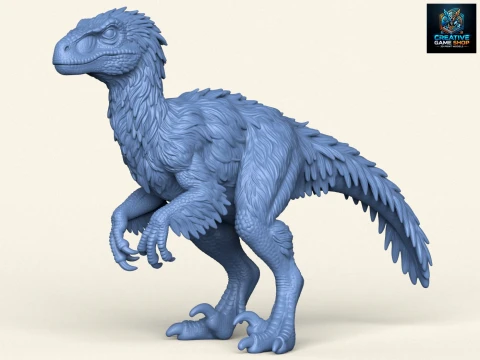
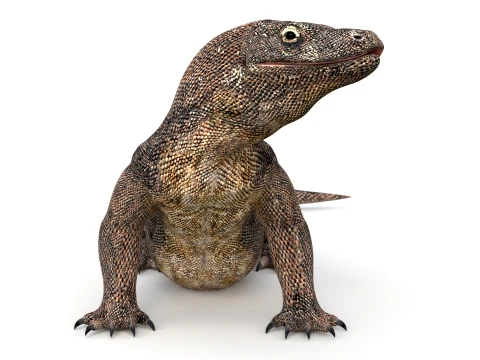
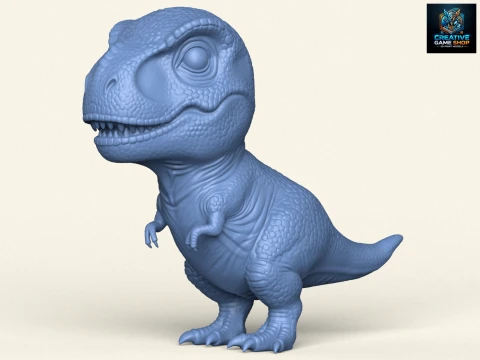
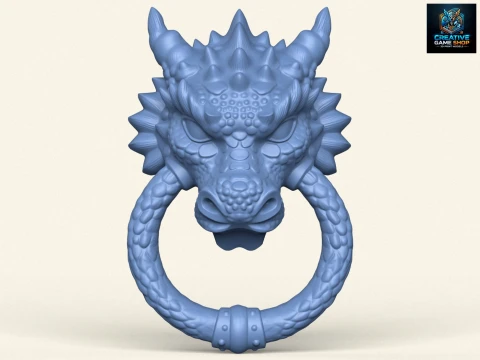
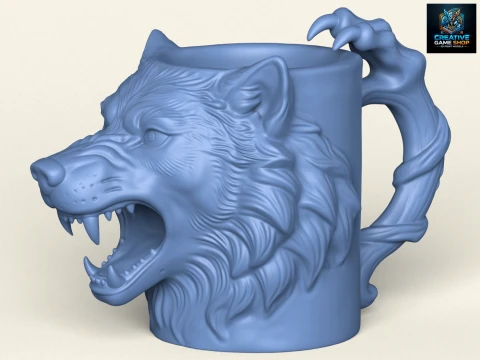
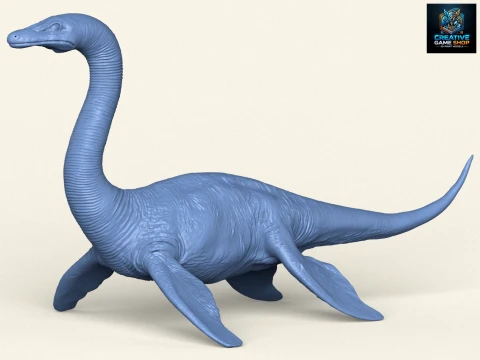

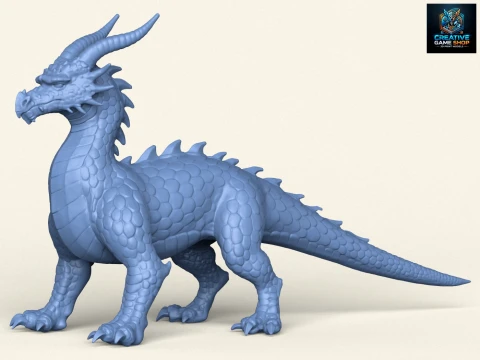
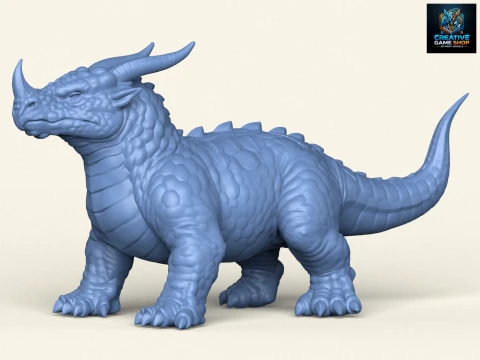
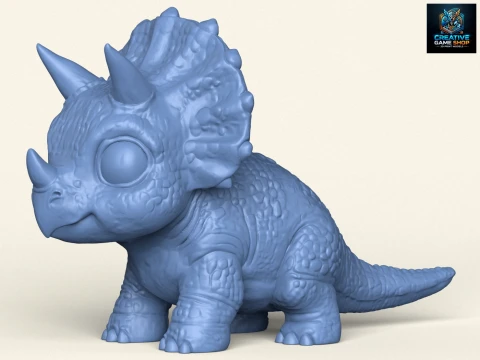
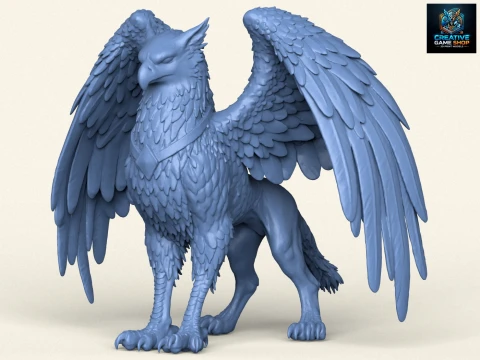




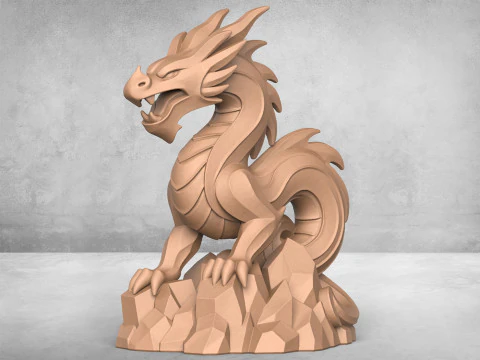


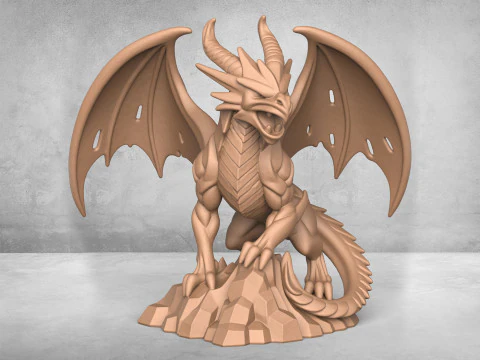

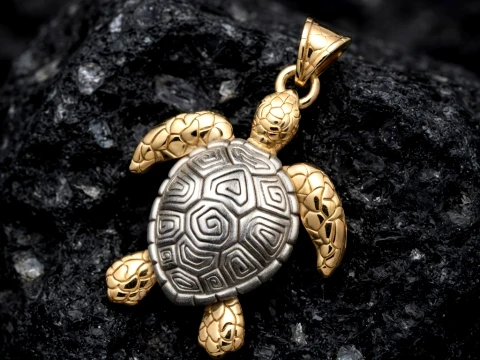
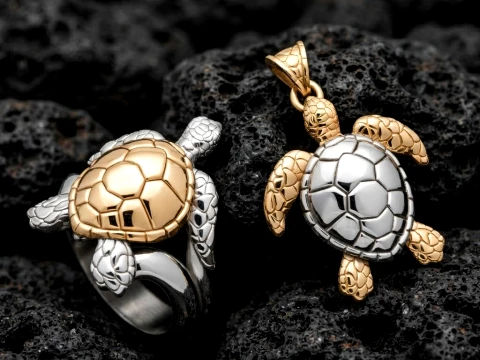



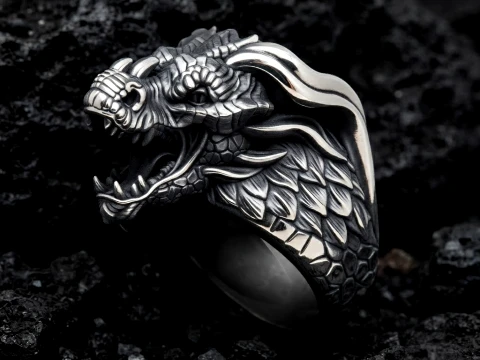

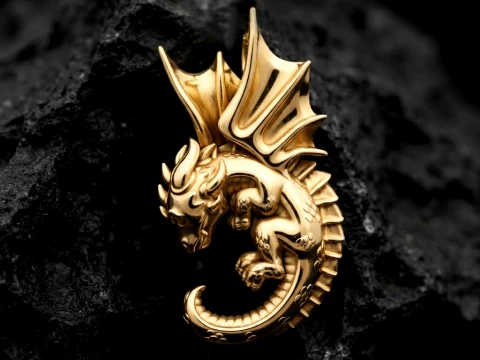
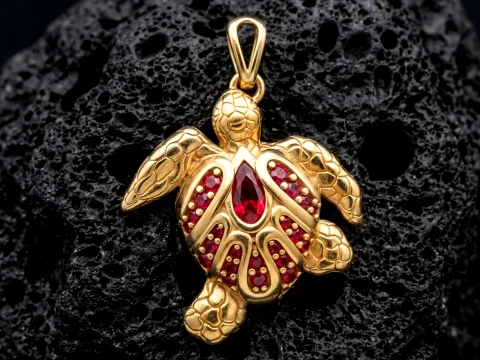


Popularne wyszukiwania Modele 3D:
Rzeźba Modele 3D Postacie Modele 3D Kuchnia Modele 3D Koń Modele 3D Architektoniczne Zewnątrz Modele 3D Telefon i Komórkowy Modele 3D Warzywo Modele 3D Biżuteria Modele 3D Zabawki Modele 3D Medyczny Modele 3D Śmigłowiec Modele 3D Ciężka Broń Modele 3D Ciężarówka Modele 3D Anatomia Modele 3DQ1: What types of dragon designs are available as 3D models?
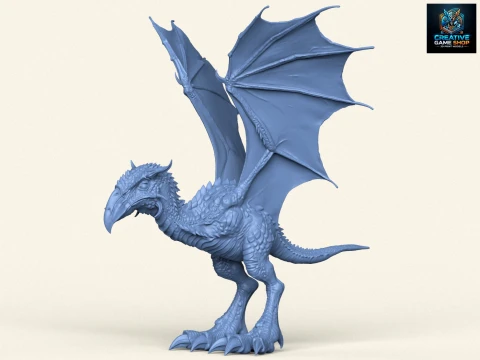
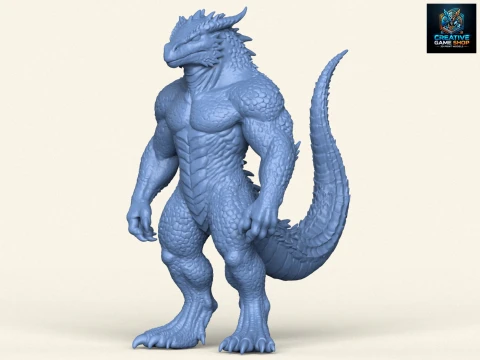
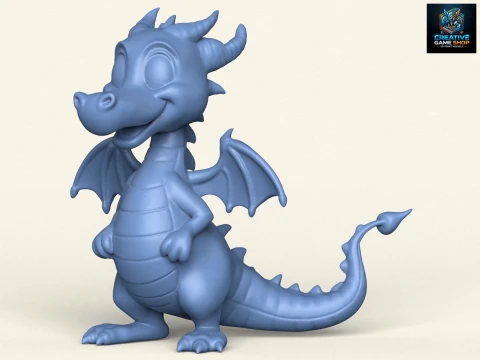
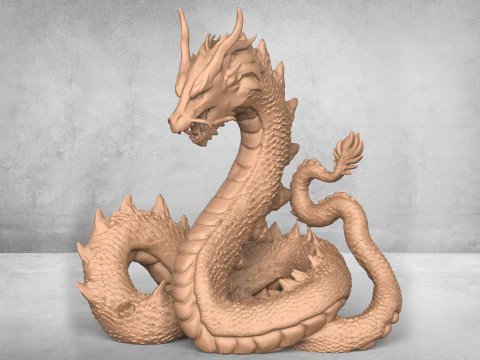
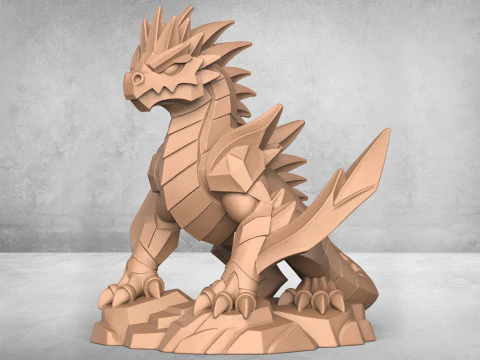
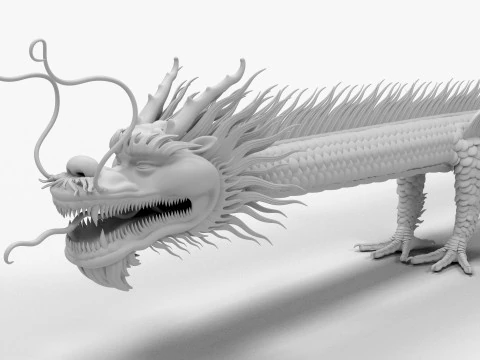
The catalog covers the major design traditions. Western dragons: four-legged, two-winged, large fire-breathing creatures in the European fantasy tradition. Wyverns: two-legged, two-winged variants common in heraldry and modern fantasy games. Eastern dragons: sinuous, serpentine, typically without wings, based on Chinese and Japanese design traditions. Stylized and cartoon dragons range from cute low-poly versions for mobile games to high-detail sculpts with complex scale geometry. Fire-drake variants — essentially wingless, heavily armored — show up for tabletop game renders and fantasy film work. Design style and artistic quality vary enormously between sellers; the preview renders tell you more than the description.
Q2: What makes a production-quality rigged dragon 3D model?
Four things separate production-quality from adequate: wing membrane deformation, tail physics, scale geometry detail, and facial rig coverage. Wing membranes need a lattice or skin-based deformation system — not just bones at the leading edge — so the membrane billows and stretches convincingly during flight. Tail rigs should have 20+ bones with secondary motion capability (spring dynamics or procedural follow-through). Scale surface detail is typically handled through displacement or normal maps at 4K+. Facial controls for a dragon need jaw, eye, brow, and nostril controls at minimum — dragons are expressive characters in modern fantasy, not just monsters.
Q3: Are there dragon 3D models specifically made for Dungeons & Dragons tabletop miniature printing?
Yes — this is an active niche on 3DExport. D&D-style dragon miniatures are designed for printing at 1:60 scale (the standard for 28mm miniature bases) and need specific design considerations: minimum wall thickness of 1mm for resin printing, exaggerated surface detail since painting at miniature scale emphasizes depth, and pose stability — a dragon balanced on one claw needs a support structure built into the design. Most miniature-optimized dragon models on the platform are explicitly labeled as "presupported" (support structures already added) or "print-ready." Resin printers (Elegoo Saturn series, Anycubic Photon) handle the detail level these require; FDM is too coarse.
Q4: How many polygons does a cinematic-quality dragon 3D model have?
Film-quality dragons used in VFX productions run several million polygons in the hero mesh, but that number is misleading — the base cage is typically 200,000–500,000 polygons, with the rest coming from subdivision and displacement at render time. For real-time game use, a dragon hero character lands at 80,000–150,000 triangles with scales handled through normal maps rather than geometry. Wing membrane geometry adds another 10,000–20,000 tris per wing. For mobile games, a stylized dragon at 15,000–25,000 tris is the practical ceiling. The jump in visual quality between a 20k mobile dragon and a 150k console dragon is substantial — scale, subdivision, and render-time displacement explain most of that gap.