


 English
 Español
 Deutsch
 日本語
日本語 Polska
 Français
 한국의
한국의 Українська
 Italiano
 Nederlands
 Türkçe
 Bahasa Indonesia
 Русский
 中國
中國 हिंदी
हिंदी
















esqueleto Modelos 3D
Nós temos 1352 item(s) Sem Royalties skeleton Modelos 3D. Compre ou baixe modelos 3D gratuitos para seus projetos CG, produção de filmes e vídeos, animação, visualizações, jogos, VR/AR e outros. Você pode baixar qualquer modelo 3D em todos os formatos 3D populares, incluindo MAX, OBJ, FBX, 3DS, STL, C4D, BLEND, MAYA
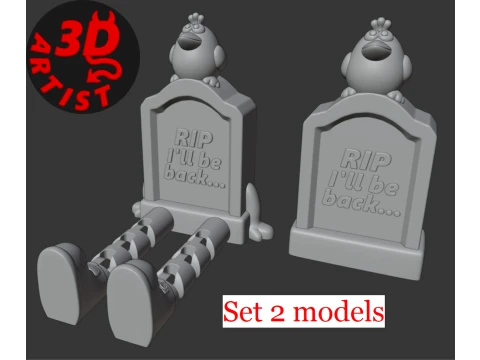 Devils3DArtistDecor
- -50%
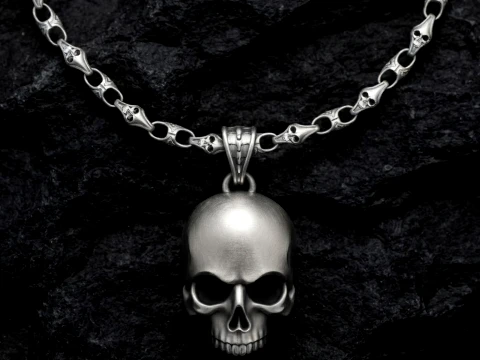 Avera3dPendants
 - -50%
 ITman3DAutomotive
 - -50%
 ITman3DAutomotive
 - -50%
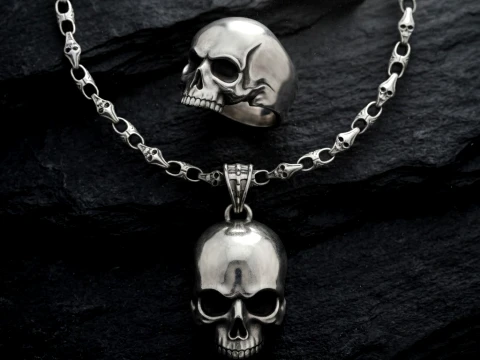 Avera3dPendants
 - -50%
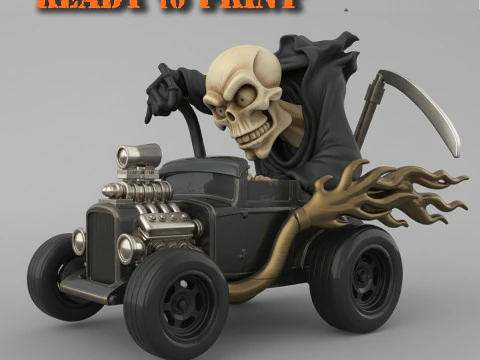 ITman3DAutomotive
  brunonunesdpSculpture
 brunonunesdpOther
- -50%
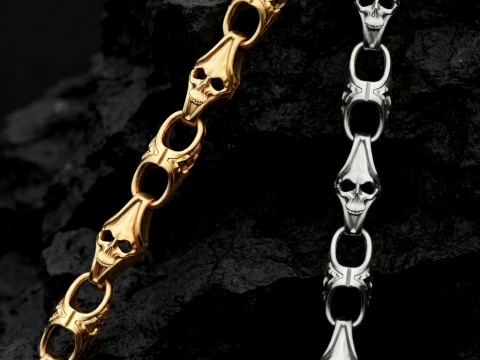 Avera3dNecklaces
 - -50%
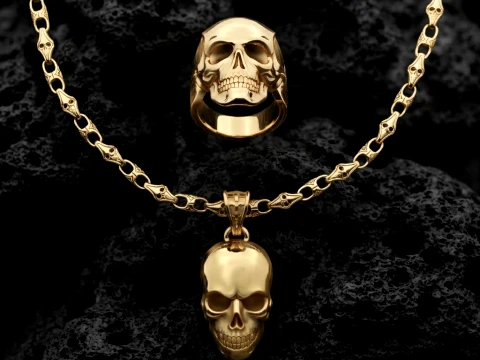 Avera3dPendants
 - -50%
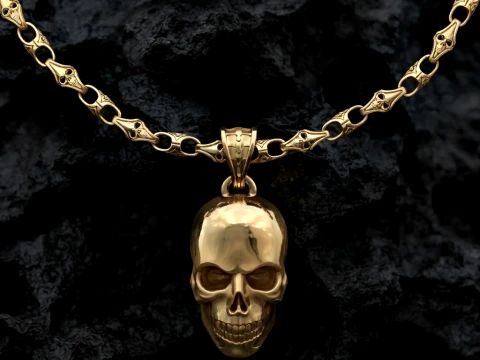 Avera3dPendants
 - -50%
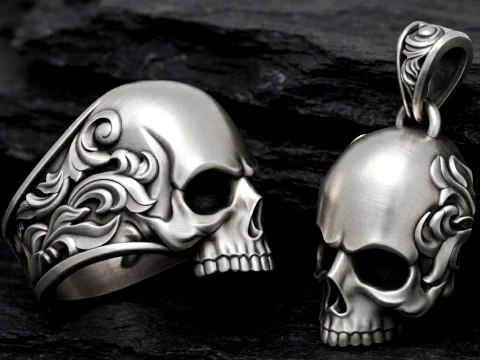 Avera3dPendants
 - -50%
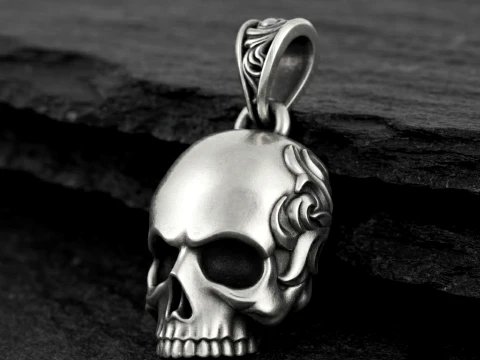 Avera3dPendants
 - -50%
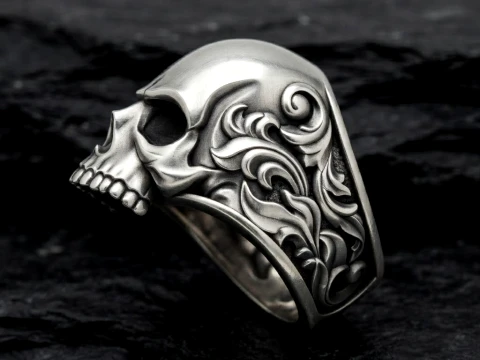 Avera3dRings
 - -50%
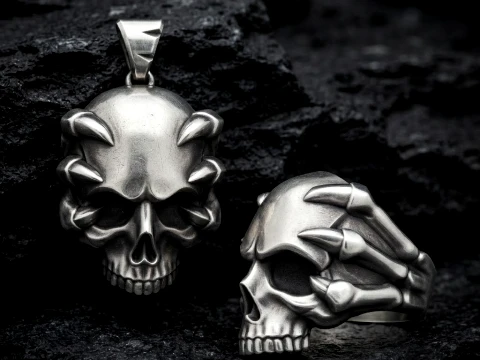 Avera3dPendants
 - -50%
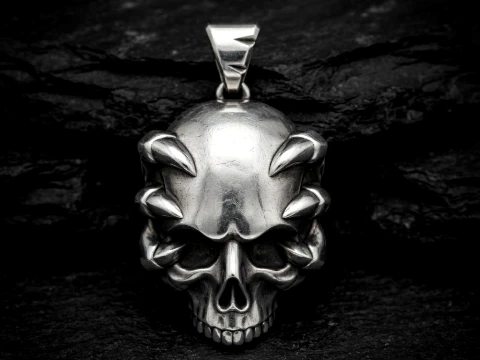 Avera3dPendants
 - -50%
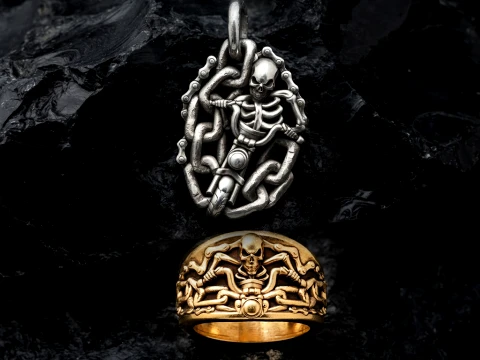 Avera3dPendants
 - -50%
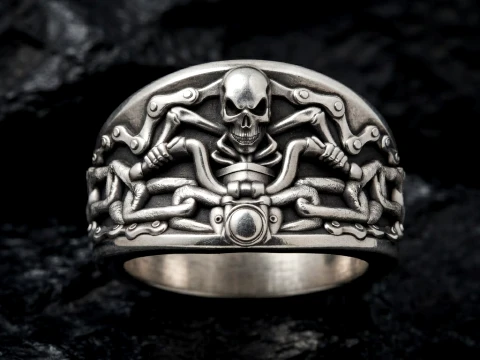 Avera3dRings
 - -50%
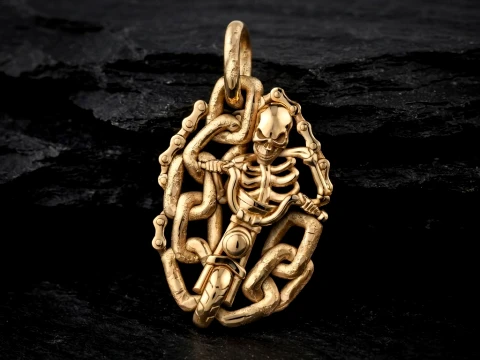 Avera3dPendants
 - -50%
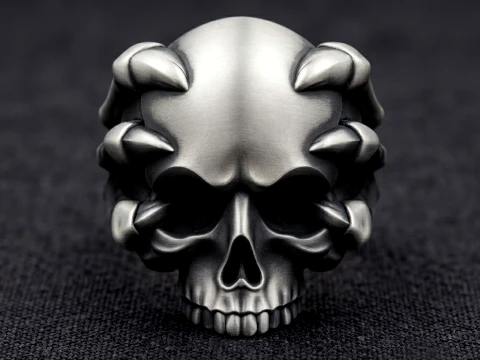 Avera3dRings
 - -50%
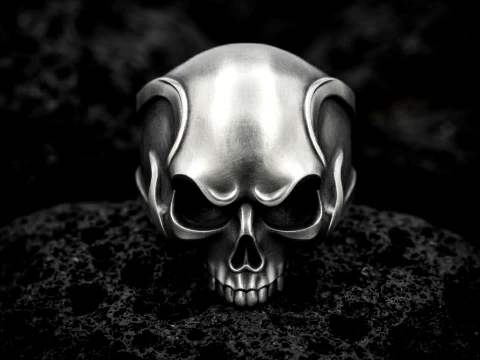 Avera3dRings
 - -50%
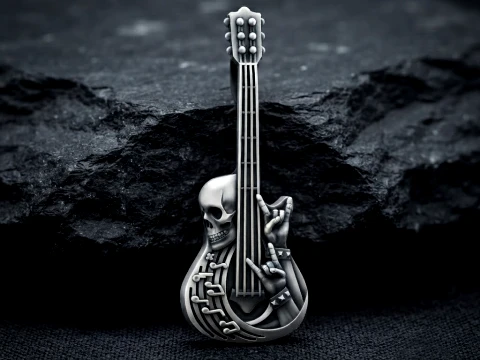 Avera3dPendants
 - -50%
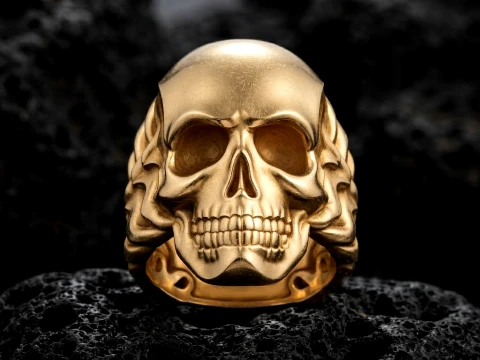 Avera3dRings
 - -50%
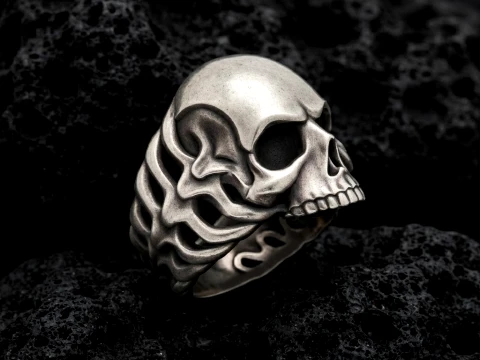 Avera3dRings
 - -50%
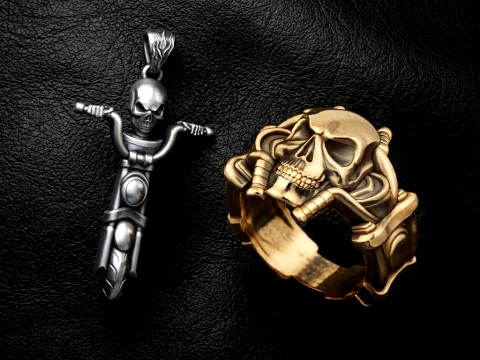 Avera3dPendants
 - -50%
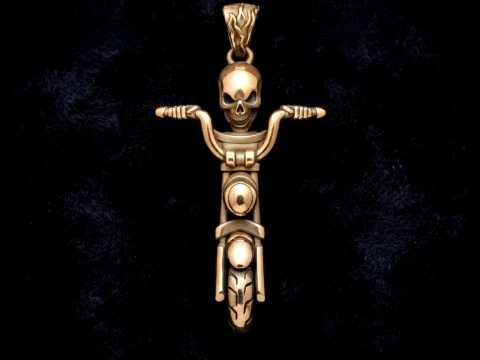 Avera3dPendants
 - -50%
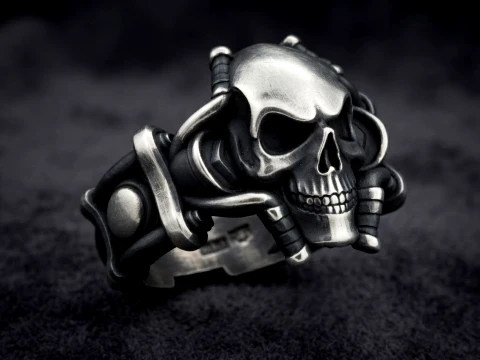 Avera3dRings
 - -50%
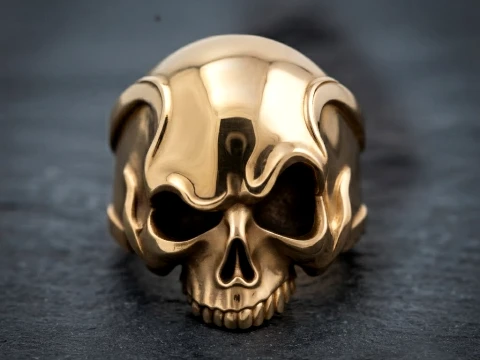 Avera3dRings
 - -50%
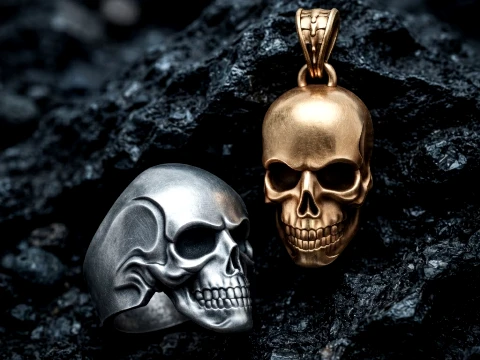 Avera3dPendants
 - -50%
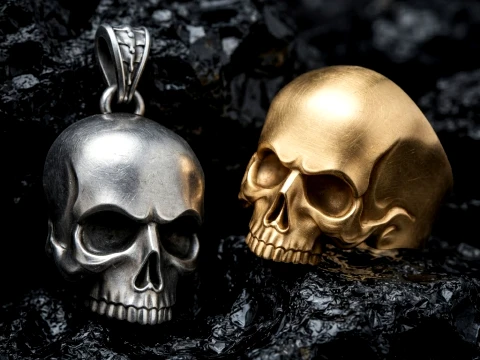 Avera3dPendants
 - -50%
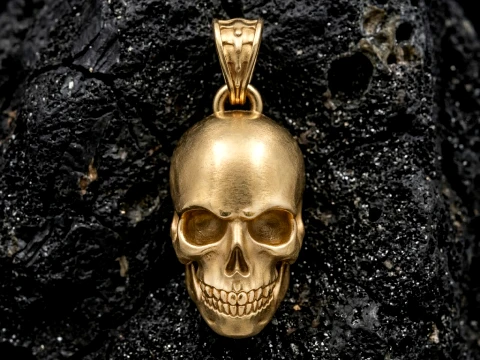 Avera3dPendants
 - -50%
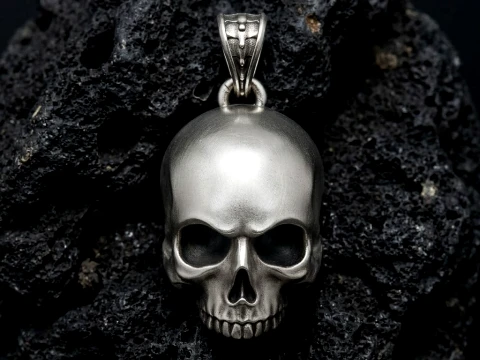 Avera3dPendants
 - -50%
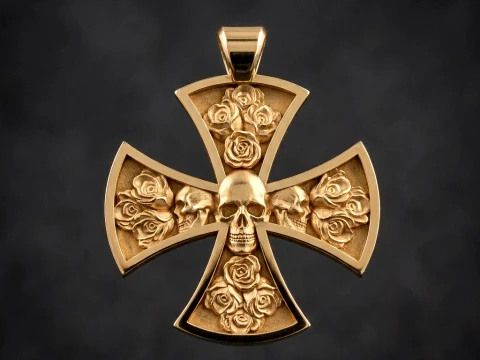 Avera3dPendants
 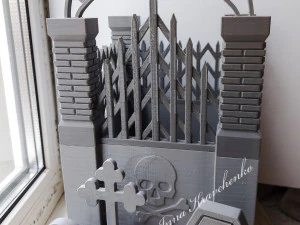 Devils3DArtistDecor
 Devils3DArtistDecor
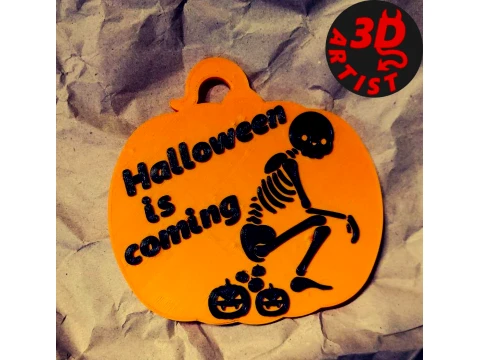




















Pesquisas em alta Modelos 3D:
Escultura Modelos 3D Personagens Modelos 3D Cozinha Modelos 3D cavalo Modelos 3D Arquitetura Exterior Modelos 3D Telefone e telemóvel Modelos 3D Vegetal Modelos 3D Joalheria Modelos 3D Brinquedos Modelos 3D Médico Modelos 3D Helicoptro Modelos 3D arma pesada Modelos 3D Caminhão Modelos 3D Anatomia Modelos 3DP1: Qual a diferença entre um esqueleto anatômico e um modelo 3D de esqueleto para jogos?
Modelos anatômicos priorizam a precisão — proporções ósseas corretas, superfícies articulares realistas, morfologia craniana precisa. Eles são construídos para visualização médica, software educacional ou renderizações com qualidade de museu. Modelos de esqueletos para jogos priorizam o desempenho: geometria simplificada, loops de arestas limpos para deformação e uma estrutura de rig que funciona bem com os sistemas de animação de motores de jogos. Os dois servem a propósitos diferentes. Um modelo anatômico pode ter 500.000 polígonos com todos os detalhes da textura trabecular; um esqueleto para jogos pode ter 8.000 triângulos com um atlas de 2K. Usar um modelo anatômico em um jogo não é impossível, mas decimá-lo sem destruir a qualidade visual requer o modificador Decimate do ZBrush ou do Blender, além de uma retopologia cuidadosa. Isso leva horas de trabalho. Compre o tipo certo para o seu caso de uso desde o início.
P2: Os modelos 3D de esqueletos estão prontos para impressão em impressoras 3D domésticas?
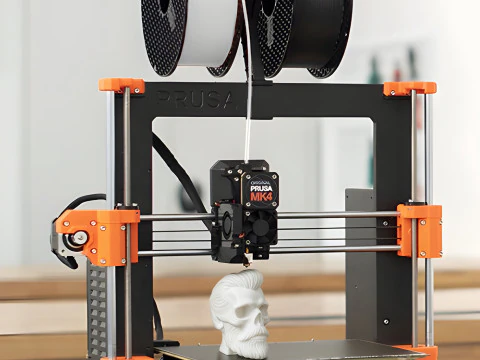
Alguns são, muitos não. Pronto para impressão significa que a malha é manifold (estanque), as faces estão corretamente orientadas e não há problemas de interseção geométrica. O formato de destino é STL — exporte os modelos OBJ para STL através do pipeline de exportação do Blender e execute-os no "Análise > Inspetor" do Meshmixer antes de fatiar. Crânios e caixas torácicas têm áreas ocas naturais que precisam de cuidado: você pode imprimi-las como preenchimentos sólidos (resistentes, mas consomem filamento) ou adicionar estruturas de suporte internas no fatiador. Um esqueleto humano completo em escala 1:1 é um trabalho de impressão de vários dias em uma impressora com mesa de 250 mm — a maioria das pessoas imprime as seções e monta. Alguns vendedores no 3DExport vendem explicitamente arquivos de esqueleto com partes separadas, projetados para esse fluxo de trabalho.