


 English
 Español
 Deutsch
 日本語
日本語 Polska
 한국의
한국의 Українська
 Italiano
 Nederlands
 Türkçe
 Português
 Bahasa Indonesia
 Русский
 中國
中國 हिंदी
हिंदी
















squelette Modèles 3D
Nous avons 1535 produit(s) Libre de droits skeleton Modèles 3D. Achetez ou téléchargez des modèles 3D gratuits pour vos projets CG, production cinématographique et vidéo, animation, visualisations, jeux, VR/AR et autres. Vous pouvez télécharger n'importe quel modèle 3D dans tous les formats 3D populaires, notamment MAX, OBJ, FBX, 3DS, STL, C4D, BLEND, MAYA
 Rezoro3D.ArtsHeavy Equipment
 Devils3DArtistDecor
- -40%
 Avera3dPendants
 - -50%
 ITman3DAutomotive
 - -50%
 ITman3DAutomotive
 - -40%
 Avera3dPendants
 - -50%
 ITman3DAutomotive
  brunonunesdpSculpture
 brunonunesdpOther
- -40%
 Avera3dPendants
 - -40%
 Avera3dPendants
 - -40%
 Avera3dPendants
 - -40%
 Avera3dPendants
 - -40%
 Avera3dRings
 - -40%
 Avera3dPendants
 - -40%
 Avera3dPendants
 - -40%
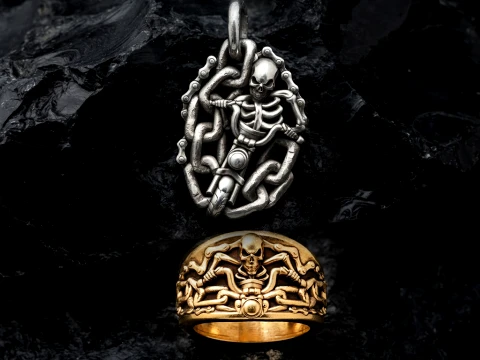 Avera3dPendants
 - -40%
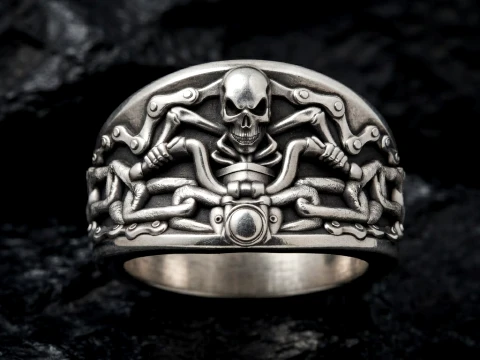 Avera3dRings
 - -40%
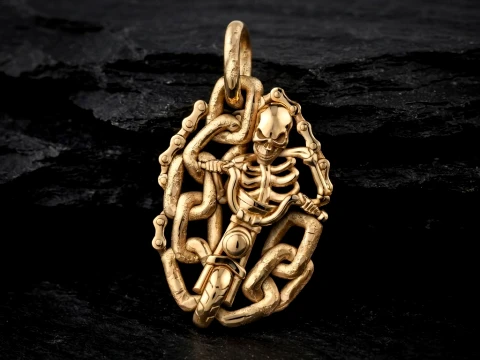 Avera3dPendants
 - -40%
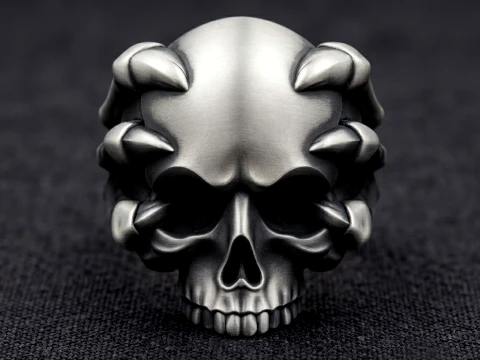 Avera3dRings
 - -40%
 Avera3dRings
 - -40%
 Avera3dPendants
 - -40%
 Avera3dRings
 - -40%
 Avera3dRings
 - -40%
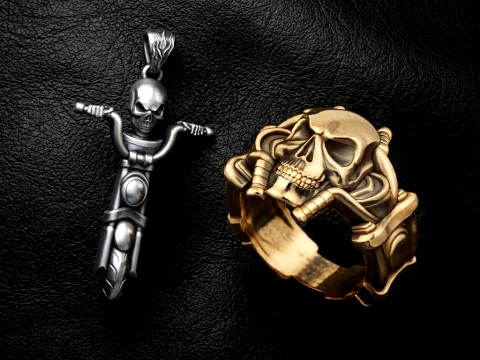 Avera3dPendants
 - -40%
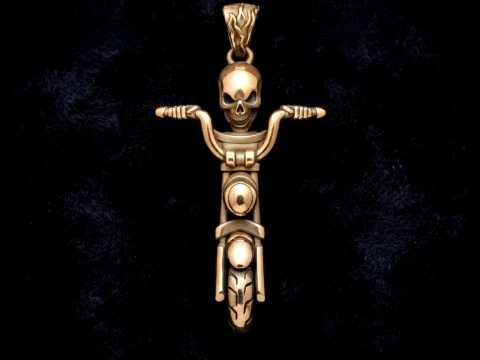 Avera3dPendants
 - -40%
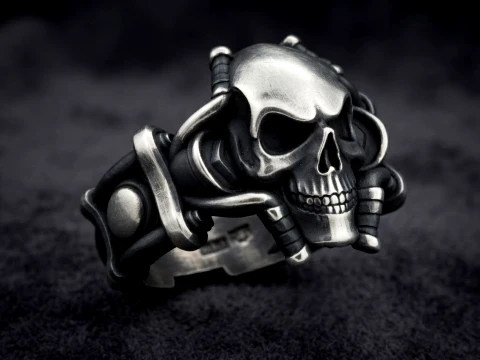 Avera3dRings
 - -40%
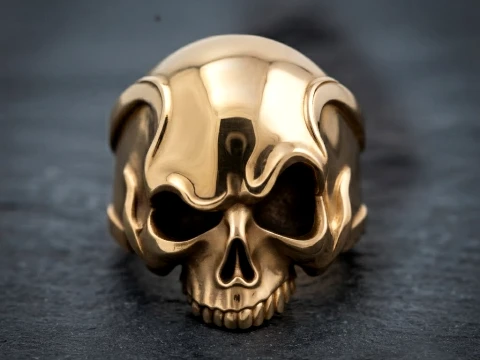 Avera3dRings
 - -40%
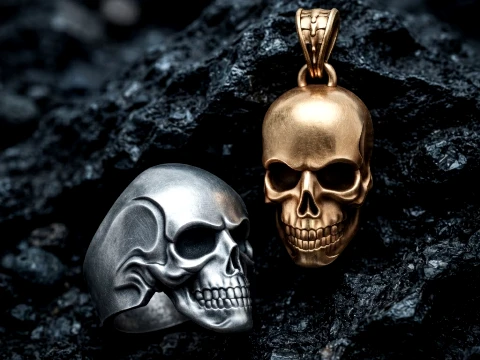 Avera3dPendants
 - -40%
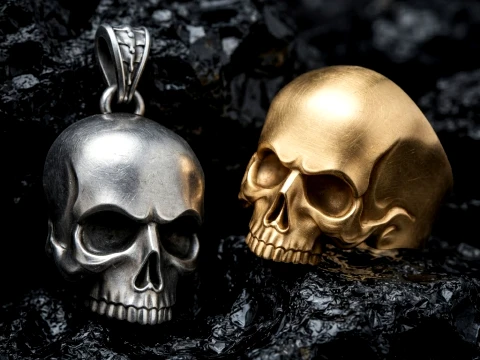 Avera3dPendants
 - -40%
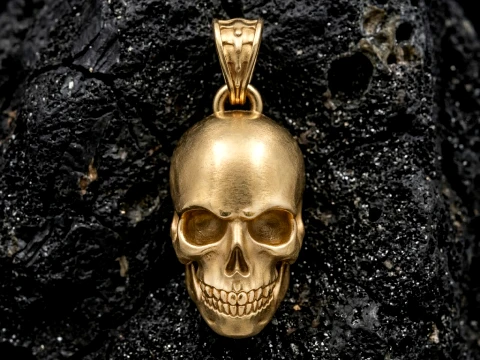 Avera3dPendants
 - -40%
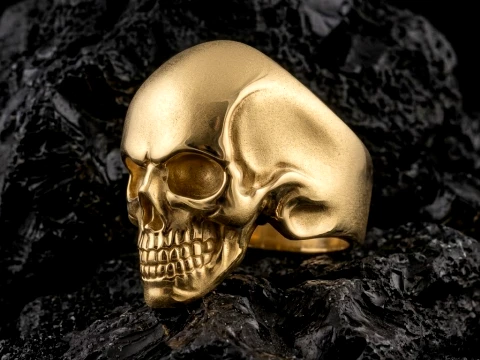 Avera3dRings
 - -40%
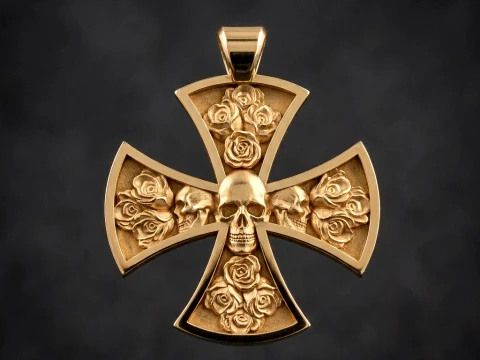 Avera3dPendants




















Recherches tendances Modèles 3D:
Sculpture Modèles 3D Personnages Modèles 3D Cuisine Modèles 3D Chevale Modèles 3D Architecturaux extérieurs Modèles 3D Téléphone et téléphone portable Modèles 3D Légume Modèles 3D Bijoux Modèles 3D Jouets Modèles 3D Médical Modèles 3D Hélicoptère Modèles 3D Armes lourdes Modèles 3D Camion Modèles 3D Anatomie Modèles 3DQ2 : Les modèles 3D de squelettes sont-ils prêts à être imprimés sur des imprimantes 3D domestiques ?
Certains le sont, beaucoup ne le sont pas. Un fichier prêt à imprimer signifie que le maillage est étanche, que les faces sont correctement orientées et qu'il n'y a pas de problèmes d'intersection géométrique. Le format cible est STL : exportez vos modèles OBJ vers STL via le pipeline d'exportation de Blender et analysez-les avec l'outil « Analyse > Inspecteur » de Meshmixer avant de les découper. Les crânes et les cages thoraciques présentent des zones creuses naturelles qui nécessitent une manipulation délicate : vous pouvez soit les imprimer en remplissage plein (solide mais utilisant du filament), soit ajouter des structures de support internes dans le logiciel de découpe. Un squelette humain complet à l'échelle 1:1 nécessite plusieurs jours d'impression sur une imprimante à plateau de 250 mm ; la plupart des utilisateurs impriment les différentes parties et les assemblent. Certains vendeurs sur 3DExport proposent des fichiers de squelette séparés, conçus spécifiquement pour ce type de flux de travail.Q3 : Est-il possible d’animer des modèles 3D squelettiques dans Blender ?
Oui, et l'animation d'un squelette bipède dans Blender est en réalité assez simple comparée à celle des quadrupèdes. L'extension Rigify (intégrée par défaut à Blender) génère un squelette humain complet que vous pouvez adapter au maillage existant. L'étape clé consiste à rendre la topologie du maillage compatible avec la déformation : des boucles d'arêtes nettes autour des articulations, et aucune polygone à plus de 4 côtés au niveau des épaules ou des hanches. Si vous achetez un squelette anatomique haute résolution et que vous essayez de l'animer directement, le rendu de la peau sera grossier autour des articulations. Meilleure méthode : retopologisez d'abord le maillage, animez la version basse résolution, puis utilisez un modificateur « shrinkwrap » pour conserver les détails haute résolution pour les rendus finaux.