


 English
 Español
 日本語
日本語 Polska
 Français
 한국의
한국의 Українська
 Italiano
 Nederlands
 Türkçe
 Português
 Bahasa Indonesia
 Русский
 中國
中國 हिंदी
हिंदी
















Skeleton 3D Modelle
Wir haben 1385 Artikel Lizenzfrei skeleton 3D Modelle. Kaufen oder laden Sie kostenlose 3D Modelle für Ihre CG-Projekte, Film- und Videoproduktion, Animation, Visualisierungen, Spiele, VR/AR und andere herunter. Sie können jedes 3D Modell in allen gängigen 3D Formaten herunterladen, einschließlich MAX, OBJ, FBX, 3DS, STL, C4D, BLEND, MAYA
- -50%
 ITman3DAutomotive
 - -50%
 ITman3DAutomotive
 - -50%
 ITman3DAutomotive
  brunonunesdpOther
- -30%
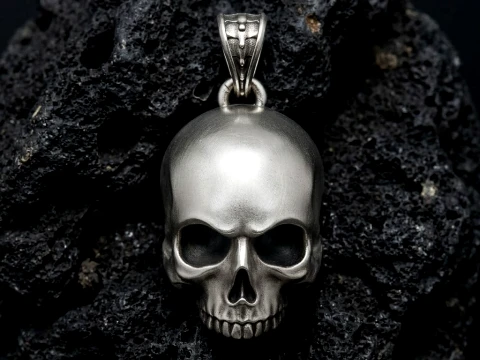
 Avera3dPendants
 - -30%
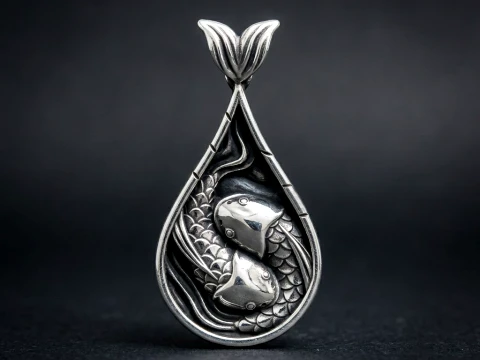
 Avera3dPendants
 - -30%
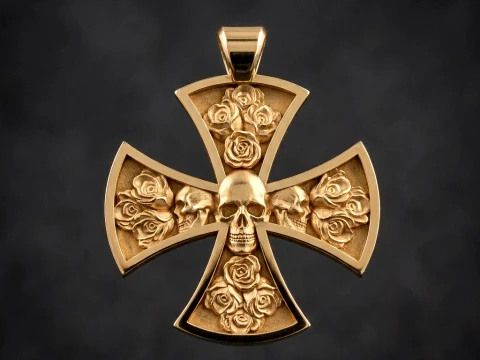
 Avera3dPendants
 - -30%
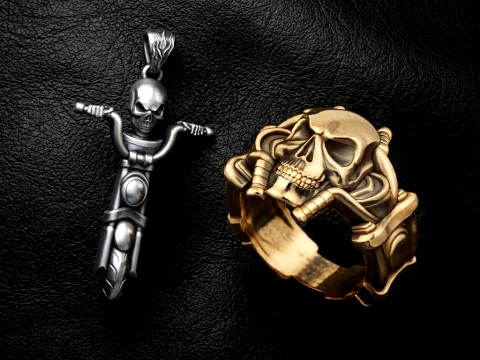 Avera3dPendants
 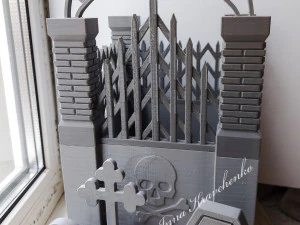 Devils3DArtistDecor
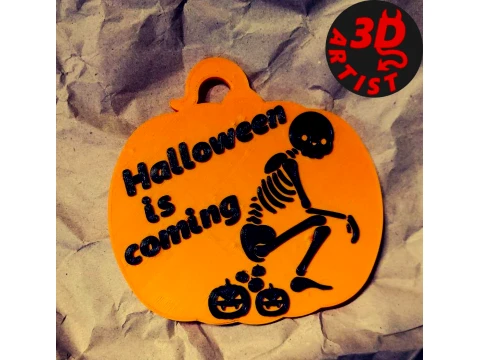
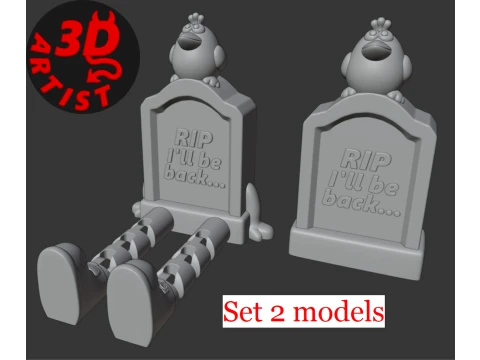









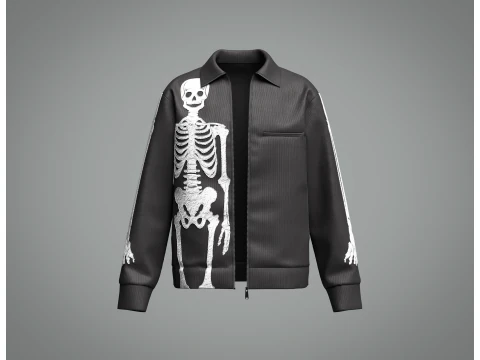
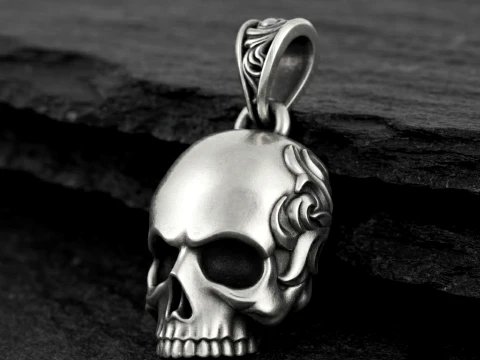
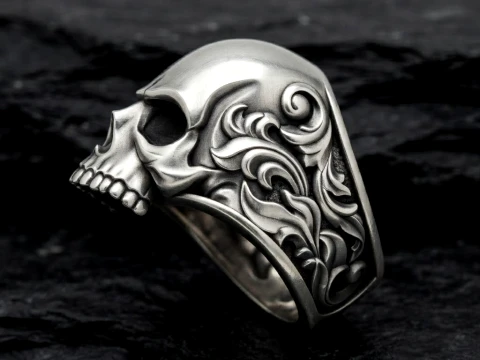
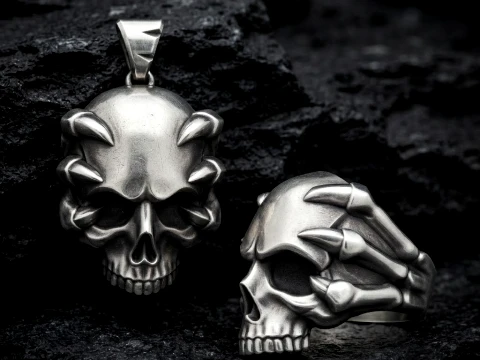












Angesagte Suchanfragen 3D Modelle:
Skulptur 3D Modelle Charaktere 3D Modelle Küche 3D Modelle Pferd 3D Modelle Außenbereich 3D Modelle Telefon und Handy 3D Modelle Gemüse 3D Modelle Schmuck 3D Modelle Spielzeug 3D Modelle Medizinisch 3D Modelle Helikopter 3D Modelle Schwere Waffen 3D Modelle LKW 3D Modelle Anatomie 3D ModelleFrage 1: Was ist der Unterschied zwischen einem anatomischen Skelett und einem 3D-Modell eines Spielskeletts?
Anatomische Modelle legen Wert auf Genauigkeit – korrekte Knochenproportionen, realistische Gelenkflächen und eine präzise Schädelmorphologie. Sie sind für medizinische Visualisierungen, Lernsoftware oder Renderings in Museumsqualität konzipiert. Spieleskelettmodelle hingegen priorisieren die Performance: vereinfachte Geometrie, saubere Kantenverläufe für Deformationen und eine Rig-Struktur, die optimal mit den Animationssystemen von Game-Engines zusammenarbeitet. Beide Modelle dienen unterschiedlichen Zwecken. Ein anatomisches Modell kann 500.000 Polygone mit allen Details der Trabekeltextur aufweisen; ein Spieleskelett hingegen nur 8.000 Dreiecke mit einem 2K-Atlas. Die Verwendung eines anatomischen Modells in einem Spiel ist zwar nicht unmöglich, aber die Reduzierung der Polygonanzahl ohne Qualitätsverlust erfordert den Decimate-Modifikator von ZBrush oder Blender sowie eine sorgfältige Retopologie. Das bedeutet stundenlange Arbeit. Wählen Sie daher von Anfang an das passende Modell für Ihren Anwendungsfall.F2: Sind Skelett-3D-Modelle für Heim-3D-Drucker druckfertig?
Einige sind es, viele jedoch nicht. Druckfertig bedeutet, dass das Netz vollständig geschlossen (wasserdicht) ist, die Flächen korrekt ausgerichtet sind und keine sich überschneidenden Geometrien vorhanden sind. STL ist das Zielformat – exportieren Sie OBJ-Modelle über die Export-Pipeline von Blender in STL und analysieren Sie sie vor dem Slicen mit Meshmixer unter „Analyse > Inspektor“. Schädel und Brustkorb weisen natürliche Hohlräume auf, die sorgfältig behandelt werden müssen: Sie drucken sie entweder als Volltonfüllungen (stabil, verbraucht aber Filament) oder fügen im Slicer interne Stützstrukturen hinzu. Ein vollständiges menschliches Skelett im Maßstab 1:1 ist ein mehrtägiger Druckauftrag auf einem 250-mm-Drucker – die meisten drucken daher Teilstücke und setzen sie zusammen. Einige Anbieter auf 3DExport verkaufen explizit in Teile zerlegte Skelettdateien, die für diesen Workflow entwickelt wurden.F3: Können Skelett-3D-Modelle in Blender für Animationen geriggt werden?
Ja – und das Rigging eines zweibeinigen Skeletts in Blender ist im Vergleich zu vierbeinigen tatsächlich unkompliziert. Das Rigify-Add-on (standardmäßig in Blender enthalten) generiert ein vollständiges menschliches Rig, das Sie an das bestehende Skelett-Mesh anpassen können. Der wichtigste Schritt ist, die Mesh-Topologie für Deformationen zu optimieren: saubere Kantenverläufe um die Gelenke, keine N-Gons im Schulter- oder Hüftbereich. Wenn Sie ein hochauflösendes anatomisches Skelett kaufen und versuchen, es direkt zu riggen, wird das Skinning an den Gelenken unsauber aussehen. Besserer Workflow: Topologisieren Sie zuerst das Mesh, riggen Sie die niedrigauflösende Version und verwenden Sie dann einen Shrinkwrap-Modifikator, um die Details der hochauflösenden Version für die finalen Renderings zu erhalten.Frage 4: Wofür werden Skelett-3D-Modelle häufig in der Spieleentwicklung eingesetzt?
Feindliche Charaktere in Horror-, Rollen- und Fantasy-Titeln sind das offensichtliche Beispiel. Skelette tauchen aber auch als Umgebungselemente auf – Schlachtfelder, Dungeons, Friedhöfe. Für solche Elemente reicht ein statisches Mesh aus. Für feindliche Charaktere benötigt man jedoch ein vollständiges Biped-Rig, das mit dem Animations-Retargeting-System der Engine kompatibel ist. Der IK Retargeter der Unreal Engine 5 ermöglicht es, Animationen von einem Mannequin-Rig auf einen Skelettcharakter umzuleiten, was äußerst nützlich ist – man kann einen Skelett-Gegner mit Mixamo-Animationen steuern, ohne viel manuell nachbearbeiten zu müssen. Die Humanoid-Rig-Konfiguration von Unity bietet ähnliche Flexibilität. In jedem Fall benötigt das Skelettmodell korrekt benannte Knochen in einer Hierarchie, die die Engine erkennt.