


 English
 Español
 Deutsch
 Polska
 Français
 한국의
한국의 Українська
 Italiano
 Nederlands
 Türkçe
 Português
 Bahasa Indonesia
 Русский
 中國
中國 हिंदी
हिंदी
















スケルトン 3Dモデル
あります 1535アイテム ロイヤリティフリー skeleton 3Dモデル. CG プロジェクト、映画やビデオ制作、アニメーション、ビジュアライゼーション、ゲーム、VR/AR などのために無料の 3D モデルを購入またはダウンロードできます。 以下を含むすべての一般的な 3D 形式で 3D モデルをダウンロードできます。 MAX, OBJ, FBX, 3DS, STL, C4D, BLEND, MAYA
 Rezoro3D.ArtsHeavy Equipment























トレンド検索 3Dモデル:
彫刻 3Dモデル 特徴 3Dモデル 台所 3Dモデル 馬 3Dモデル 外装 3Dモデル 電話と携帯電話 3Dモデル 野菜 3Dモデル ジュエリー 3Dモデル 人形 3Dモデル 医療の 3Dモデル ヘリコプター 3Dモデル 重い武器 3Dモデル トラック 3Dモデル 骨格 3DモデルQ1:解剖学的骨格とゲーム用骨格の3Dモデルの違いは何ですか?
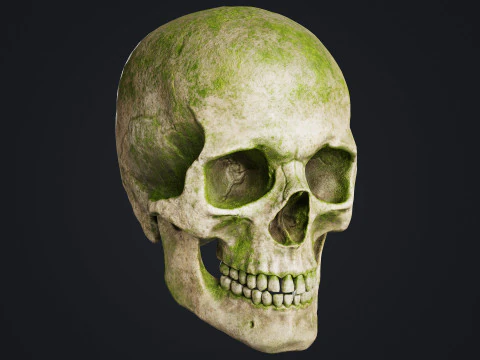
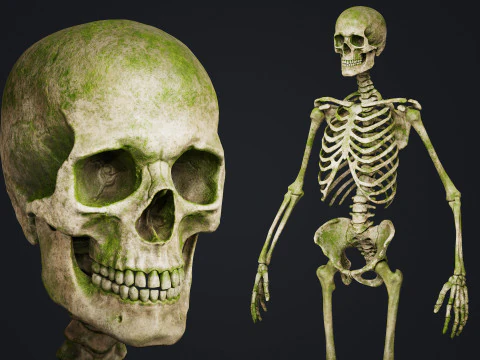
解剖モデルは精度を最優先します。骨の比率、関節面のリアルさ、頭蓋骨の形態の正確さなどです。医療用ビジュアライゼーション、教育用ソフトウェア、または博物館レベルのレンダリング用に作られています。一方、ゲーム用スケルトンモデルはパフォーマンスを最優先します。ジオメトリの簡素化、変形のためのクリーンなエッジループ、ゲームエンジンのアニメーションシステムとうまく連携するリグ構造などです。両者は異なる目的のために作られています。解剖モデルは、骨梁のテクスチャの詳細まで含めると50万ポリゴンになる場合がありますが、ゲーム用スケルトンは2Kアトラスで8,000トライアングル程度です。ゲームで解剖モデルを使用することは不可能ではありませんが、視覚的な品質を損なわずにポリゴン数を削減するには、ZBrushまたはBlenderのDecimateモディファイアと慎重なリトポロジーが必要です。これには何時間もの作業が必要です。用途に合った適切なモデルを事前に購入しましょう。
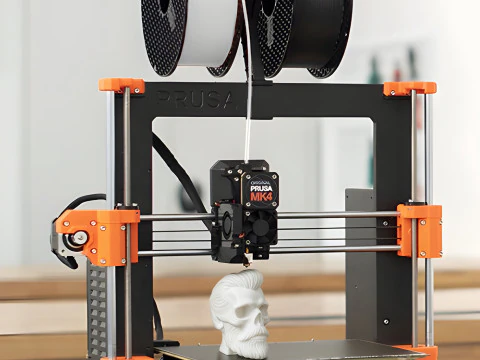
Q2:骨格3Dモデルは家庭用3Dプリンターで印刷できる状態になっていますか?
印刷準備が整っているものもあれば、そうでないものも多くあります。印刷準備が整っているとは、メッシュが多様体(水密)であり、面が正しく配置され、ジオメトリの交差問題がないことを意味します。STLがターゲットフォーマットです。OBJモデルをBlenderのエクスポートパイプラインでSTLにエクスポートし、スライスする前にMeshmixerの「分析 > インスペクター」で処理してください。頭蓋骨と肋骨には自然な空洞部分があり、注意深く扱う必要があります。空洞部分をソリッドフィル(強度は高いがフィラメントを消費する)として印刷するか、スライサーで内部サポート構造を追加します。1:1スケールの完全な人体骨格は、250mmベッドのプリンターで数日かかる印刷作業です。ほとんどの人はセクションごとに印刷して組み立てます。3DExportの一部の販売者は、このワークフロー用に設計されたパーツ分割された骨格ファイルを販売しています。
Q3: Blenderでスケルトン3Dモデルをアニメーション用にリギングできますか?
はい、Blenderで二足歩行のスケルトンをリギングするのは、四足歩行に比べて実際には簡単です。Rigifyアドオン(Blenderにデフォルトで含まれています)は、既存のスケルトンメッシュにフィットできる完全な人体リグを生成します。重要なステップは、メッシュのトポロジーを変形しやすいようにすることです。つまり、関節周辺のエッジループをきれいにし、肩や腰の領域にNゴンがないようにします。高ポリゴンの解剖学的スケルトンを購入して直接リギングしようとすると、関節周辺のスキニングが粗く見えます。より良いワークフローは、まずメッシュをリトポロジーし、低ポリゴンバージョンをリギングし、最後にシュリンクラップモディファイアを使用して、最終レンダリングのために高ポリゴンのディテールを保持することです。