


 English
 Español
 Deutsch
 日本語
日本語 Polska
 Français
 한국의
한국의 Українська
 Italiano
 Nederlands
 Português
 Bahasa Indonesia
 Русский
 中國
中國 हिंदी
हिंदी
















iskelet 3D Modeller
Bizde mevcut 1547 ürün(ler) Telifsiz skeleton 3D Modeller. CG projeleriniz, film ve video prodüksiyonlarınız, animasyonlarınız, görselleştirmeleriniz, oyunlarınız, VR/AR ve diğerleri için ücretsiz 3D modeller satın alın veya indirin. Herhangi bir 3d modeli, dahil olmak üzere tüm popüler 3d formatlarında indirebilirsiniz. MAX, OBJ, FBX, 3DS, STL, C4D, BLEND, MAYA
 Rezoro3D.ArtsHeavy Equipment
 Devils3DArtistDecor
- -50%
 ITman3DAutomotive
 - -50%
 ITman3DAutomotive
 - -50%
 ITman3DAutomotive
 - -50%
 brunonunesdpSculpture
 - -50%
 brunonunesdpOther
 - -50%
 brunonunesdpOther
 - -50%
 Avera3dPendants
 - -50%
 Avera3dPendants
 - -50%
 Avera3dPendants
 - -50%
 Avera3dPendants
 - -50%
 Avera3dPendants
 - -50%
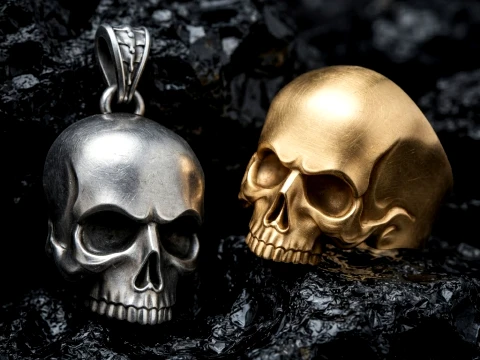 Avera3dPendants
  Devils3DArtistDecor







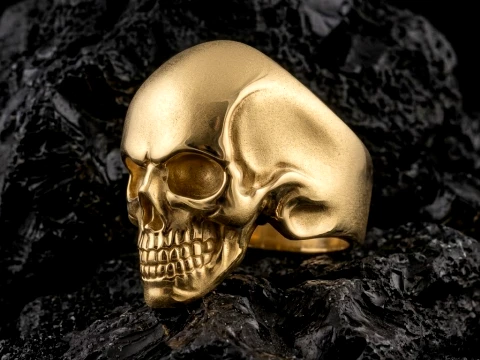

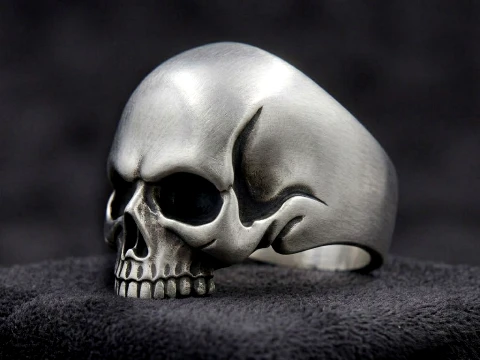
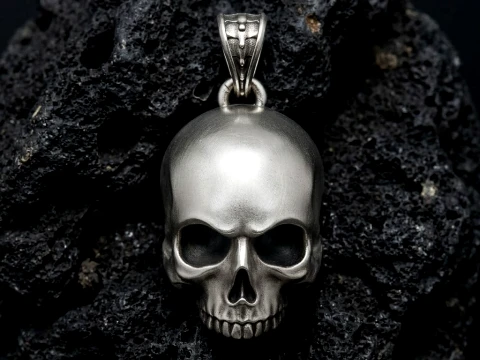











Trend olan aramalar 3D Modeller:
Heykel 3D Modeller Karakterler 3D Modeller Mutfak 3D Modeller At 3D Modeller Dış Mimarlık 3D Modeller Ev Telefonu ve Cep Telefonu 3D Modeller Sebze 3D Modeller Mücevher 3D Modeller Oyuncaklar 3D Modeller Tıbbi 3D Modeller Helikopter 3D Modeller Ağır silah 3D Modeller Kamyon 3D Modeller Anatomi 3D ModellerS1: Anatomik iskelet ile oyun iskeleti 3D modeli arasındaki fark nedir?
Anatomik modeller doğruluğa öncelik verir: doğru kemik oranları, gerçekçi eklem yüzeyleri, doğru kafatası morfolojisi. Tıbbi görselleştirme, eğitim yazılımları veya müze kalitesinde renderlar için tasarlanmıştır. Oyun iskelet modelleri ise performansa öncelik verir: basitleştirilmiş geometri, deformasyon için temiz kenar döngüleri ve oyun motoru animasyon sistemleriyle iyi çalışan bir iskelet yapısı. İkisi farklı amaçlara hizmet eder. Bir anatomik model, her trabeküler doku detayıyla 500.000 poligona sahip olabilir; bir oyun iskeleti ise 2K atlas ile 8.000 üçgene sahip olabilir. Bir oyunda anatomik model kullanmak imkansız değildir, ancak görsel kaliteyi bozmadan poligonu azaltmak, ZBrush veya Blender'ın Decimate değiştiricisini ve dikkatli bir yeniden topoloji gerektirir. Bu saatlerce süren bir iştir. Kullanım amacınıza uygun doğru türü önceden satın alın.Soru 2: İskelet 3D modelleri ev tipi 3D yazıcılar için baskıya hazır mıdır?
Bazıları öyle, çoğu değil. Baskıya hazır demek, ağın çok katmanlı (su geçirmez) olması, yüzeylerin doğru şekilde yönlendirilmesi ve kesişen geometri sorunlarının olmaması demektir. Hedef format STL'dir — OBJ modellerini Blender'ın dışa aktarma hattı aracılığıyla STL'ye dışa aktarın ve dilimlemeden önce Meshmixer'ın "Analiz > Denetleyici" bölümünden geçirin. Kafatasları ve kaburgaların doğal olarak oyuk alanları vardır ve dikkatli işlem gerektirir: bunları ya katı dolgu olarak yazdırırsınız (güçlüdür ancak filament kullanır) ya da dilimleyiciye iç destek yapıları eklersiniz. 1:1 ölçekte tam bir insan iskeleti, 250 mm'lik bir baskı tablasına sahip bir yazıcıda birkaç günlük bir baskı işidir — çoğu insan bölümler halinde yazdırır ve birleştirir. 3DExport'deki bazı satıcılar, bu iş akışı için tasarlanmış, parçalara ayrılmış iskelet dosyaları satmaktadır.
Soru 3: Blender'da iskelet 3D modelleri animasyon için donatılabilir mi?
Evet, Blender'da iki ayaklı bir iskeleti modellemek, dört ayaklılara kıyasla aslında oldukça basittir. Blender'da varsayılan olarak bulunan Rigify eklentisi, mevcut iskelet ağına uyarlayabileceğiniz tam bir insan iskeleti oluşturur. Önemli adım, ağ topolojisini deformasyona uygun hale getirmektir: eklemlerin etrafında temiz kenar döngüleri, omuz veya kalça bölgelerinde n-gon olmaması. Yüksek poligonlu bir anatomik iskelet satın alıp doğrudan modellemeye çalışırsanız, eklemlerin etrafındaki kaplama pürüzlü görünecektir. Daha iyi iş akışı: önce ağı yeniden topolojilendirin, düşük poligonlu sürümü modelleyin, ardından son renderlar için yüksek poligon detayını korumak için bir shrinkwrap değiştirici kullanın.Soru 4: Oyun geliştirmede iskelet 3D modellerinin yaygın kullanım alanları nelerdir?
Korku, RPG ve fantastik oyunlardaki düşman karakterler bunun bariz bir örneğidir. Ancak iskeletler aynı zamanda savaş alanları, zindanlar, mezarlıklar gibi çevresel nesneler olarak da karşımıza çıkar. Nesneler için statik bir ağ yeterlidir. Düşman karakterler için ise motorunuzun animasyon yeniden hedefleme sistemiyle uyumlu tam bir iki ayaklı iskelet sistemine ihtiyacınız vardır. Unreal Engine 5'in IK Retargeter özelliği, manken oranlı bir iskelet sisteminden bir iskelet karaktere animasyonları yeniden eşlemenizi sağlar; bu gerçekten kullanışlıdır - minimum manuel temizleme ile Mixamo animasyonlarıyla bir iskelet düşmanı hareket ettirebilirsiniz. Unity'nin Humanoid iskelet yapılandırması da benzer bir esneklik sunar. Her iki durumda da, iskelet modelinin motorun tanıdığı bir hiyerarşide doğru adlandırılmış kemiklere sahip olması gerekir.