


 English
 Español
 Deutsch
 日本語
日本語 Polska
 Français
 한국의
한국의 Українська
 Nederlands
 Türkçe
 Português
 Bahasa Indonesia
 Русский
 中國
中國 हिंदी
हिंदी
















scheletro Modelli 3D
Abbiamo 1535 oggetto(i) Senza royalty skeleton Modelli 3D. Acquista o scarica modelli 3D gratuiti per i tuoi progetti CG, produzione di film e video, animazioni, visualizzazioni, giochi, VR/AR e altro. Puoi scaricare qualsiasi modello 3D in tutti i formati 3D più diffusi, inclusi MAX, OBJ, FBX, 3DS, STL, C4D, BLEND, MAYA
 Rezoro3D.ArtsHeavy Equipment
 Devils3DArtistDecor
- -50%
 ITman3DAutomotive
 - -50%
 ITman3DAutomotive
 - -40%
 Avera3dPendants
 - -50%
 ITman3DAutomotive
  brunonunesdpSculpture
 brunonunesdpOther
- -40%
 Avera3dPendants
 - -40%
 Avera3dPendants
 - -40%
 Avera3dPendants
 - -40%
 Avera3dPendants
 - -40%
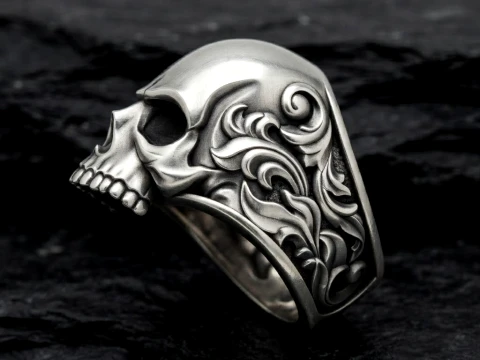 Avera3dRings
 - -40%
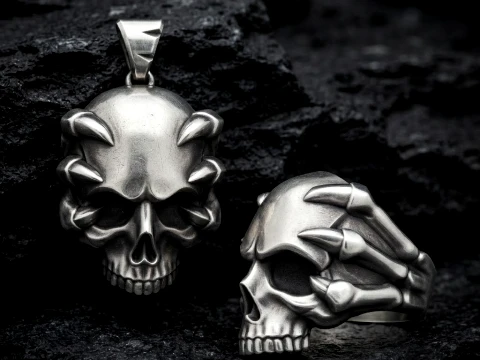 Avera3dPendants
 - -40%
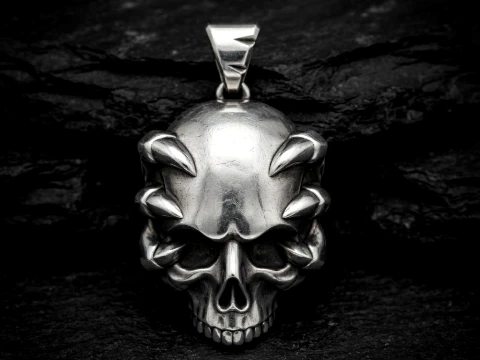 Avera3dPendants
 - -40%
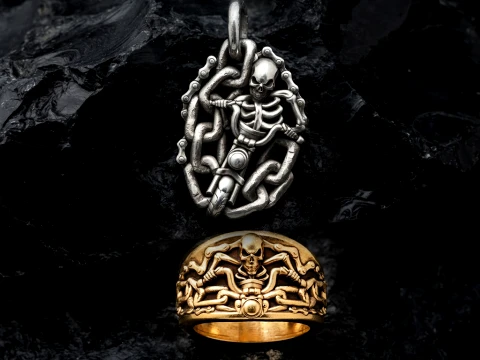 Avera3dPendants
 - -40%
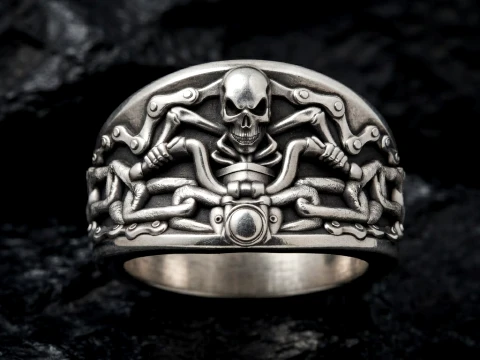 Avera3dRings
 - -40%
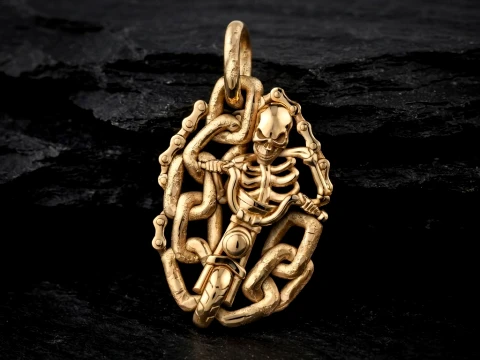 Avera3dPendants
 - -40%
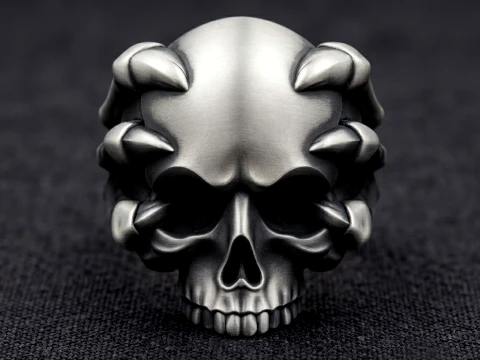 Avera3dRings
 - -40%
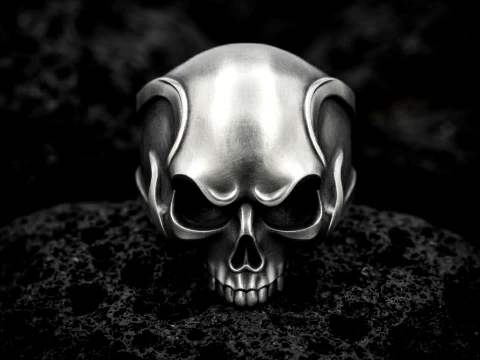 Avera3dRings
 - -40%
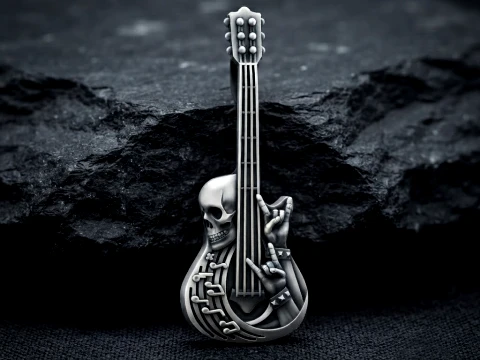 Avera3dPendants
 - -40%
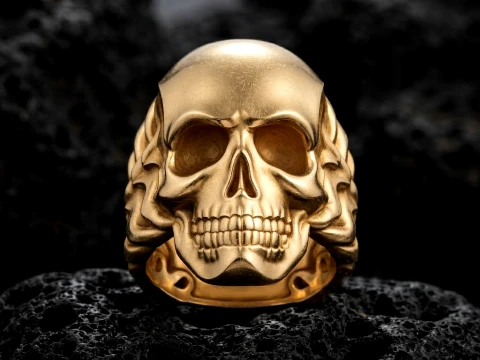 Avera3dRings
 - -40%
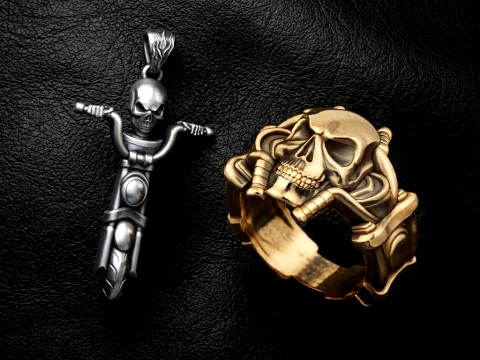 Avera3dPendants
 - -40%
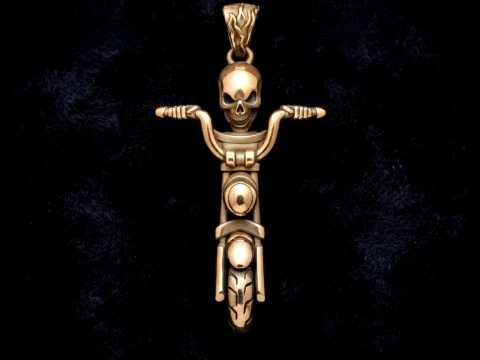 Avera3dPendants
 - -40%
 Avera3dRings
 - -40%
 Avera3dPendants
 - -40%
 Avera3dPendants
 - -40%
 Avera3dPendants
 - -40%
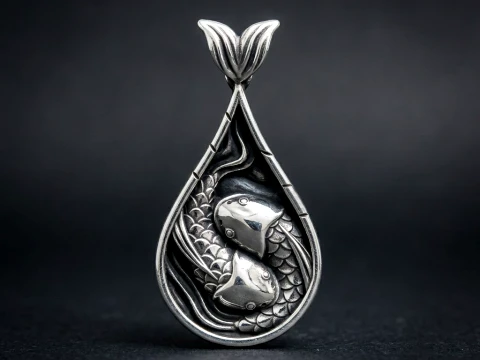 Avera3dPendants
 - -40%
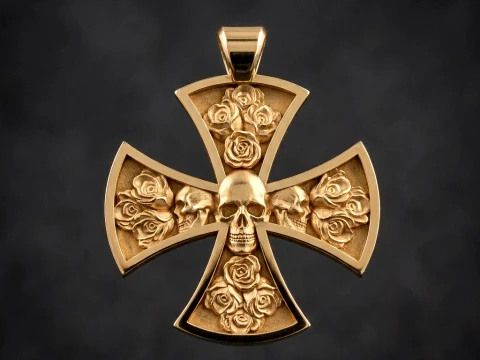 Avera3dPendants
  Devils3DArtistDecor
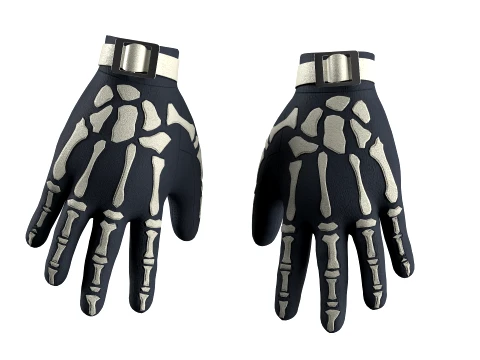




















Ricerche di tendenza Modelli 3D:
Scultura Modelli 3D Caratteri Modelli 3D Cucina Modelli 3D Cavallo Modelli 3D Architectural Exteriors Modelli 3D Telefoni e Cellulari Modelli 3D Vegetali Modelli 3D Gioielli Modelli 3D Giocattoli Modelli 3D Medicinali Modelli 3D Elicotteri Modelli 3D Armi Pesanti Modelli 3D Camion Modelli 3D Anatomia Modelli 3DQ1: What's the difference between an anatomical skeleton and a game skeleton 3D model?
Anatomical models prioritize accuracy — correct bone proportions, realistic joint surfaces, accurate skull morphology. They're built for medical visualization, educational software, or museum-quality renders. Game skeleton models prioritize performance: simplified geometry, clean edge loops for deformation, and a rig structure that works well with game engine animation systems. The two serve different masters. An anatomical model might have 500,000 polygons with every trabecular texture detail; a game skeleton might be 8,000 tris with a 2K atlas. Using an anatomical model in a game isn't impossible, but decimating it without destroying the visual quality requires ZBrush or Blender's Decimate modifier plus careful retopology. That's hours of work. Buy the right type for your use case upfront.
Q2: Are skeleton 3D models print-ready for home 3D printers?
Some are, many aren't. Print-ready means the mesh is manifold (watertight), faces are correctly oriented, and there are no intersecting geometry issues. STL is the target format — export OBJ models through Blender's export pipeline to STL and run them through Meshmixer's "Analysis > Inspector" before slicing. Skulls and ribcages have natural hollow areas that need careful handling: you either print them as solid fills (strong but uses filament) or add internal support structures in the slicer. A full human skeleton at 1:1 scale is a multi-day print job on a 250mm-bed printer — most people print sections and assemble. Some sellers on 3DExport explicitly sell part-separated skeleton files designed for this workflow.
Q3: Can skeleton 3D models be rigged for animation in Blender?
Yes — and rigging a biped skeleton in Blender is actually straightforward compared to quadrupeds. The Rigify addon (included in Blender by default) generates a full human rig that you can fit to the existing skeleton mesh. The key step is making the mesh topology deformation-friendly: clean edge loops around joints, no n-gons at shoulder or hip areas. If you buy a high-poly anatomical skeleton and try to rig it directly, the skinning will look rough around joints. Better workflow: retopo the mesh first, rig the low-poly version, then use a shrinkwrap modifier to keep the high-poly detail for final renders.
Q4: What are common uses for skeleton 3D models in game development?
Enemy characters in horror, RPG, and fantasy titles are the obvious case. But skeletons also appear as environmental props — battlefields, dungeons, graveyards. For props, a static mesh is fine. For enemy characters, you need a full biped rig compatible with your engine's animation retargeting system. Unreal Engine 5's IK Retargeter lets you remap animations from a Mannequin-proportioned rig to a skeleton character, which is genuinely useful — you can drive a skeleton enemy with Mixamo animations with minimal manual cleanup. Unity's Humanoid rig configuration offers similar flexibility. Either way, the skeleton model needs correctly named bones in a hierarchy the engine recognizes.