


 English
 Español
 Deutsch
 日本語
日本語 Polska
 Français
 한국의
한국의 Українська
 Italiano
 Nederlands
 Türkçe
 Português
 Русский
 中國
中國 हिंदी
हिंदी
















tumbuh Model 3D
Kita punya 42 item Royalti gratis sprout Model 3D. Beli atau unduh model 3D gratis untuk proyek CG, produksi film dan video, animasi, visualisasi, game, VR/AR, dan lainnya. Anda dapat mengunduh model 3d apa pun dalam semua format 3d populer termasuk MAX, OBJ, FBX, 3DS, STL, C4D, BLEND, MAYA
- -50%
 surf3dTools
 - -50%
 surf3dTools
 - -50%
 surf3dTools
 - -50%
 surf3dSmall Plants
 - -50%
 surf3dSmall Plants
 - -50%
 surf3dTree
 - -50%
 surf3dTools
 - -50%
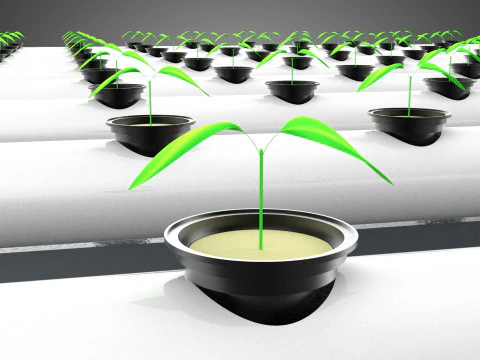 surf3dVegetable
 - -50%
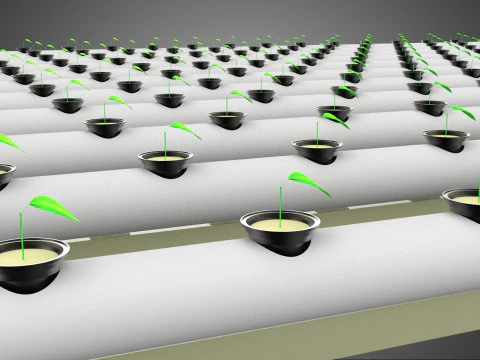 surf3dTree
 - -50%
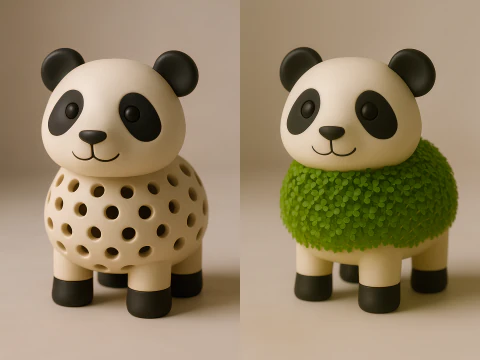 Flawless.JNCartoon
 - -50%
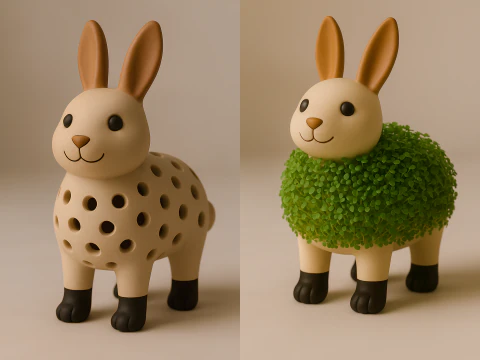 Flawless.JNCartoon
 - -50%
 Flawless.JNCartoon
 - -50%
 Flawless.JNCartoon
 - -50%
 Flawless.JNCartoon








Penelusuran yang lagi ngetren Model 3D:
Patung Model 3D Karakter Model 3D Dapur Model 3D Kuda Model 3D Eksterior Arsitektur Model 3D Telepon dan Ponsel Model 3D Sayuran Model 3D Perhiasan Model 3D Mainan Model 3D Medis Model 3D Helikopter Model 3D Senjata Berat Model 3D Truk Model 3D Anatomi Model 3DT1: Apa itu karakter Sprout DW dan hubungannya dengan pemodelan 3D?
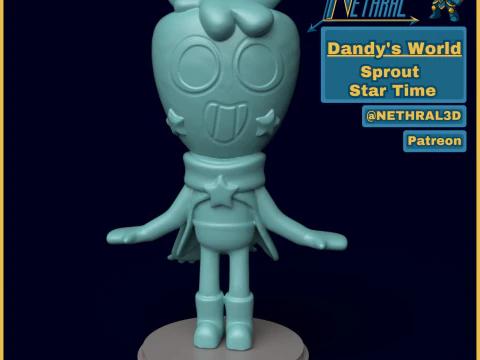
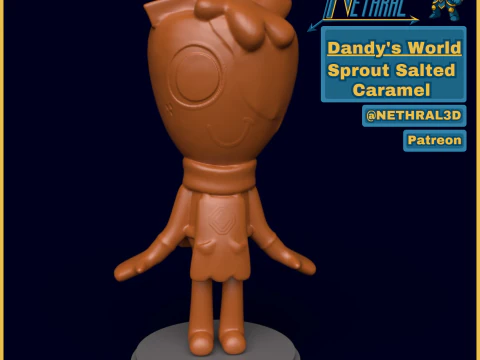
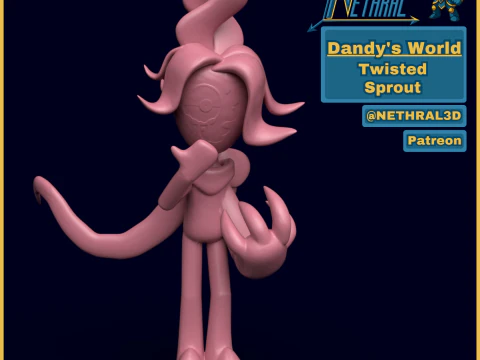
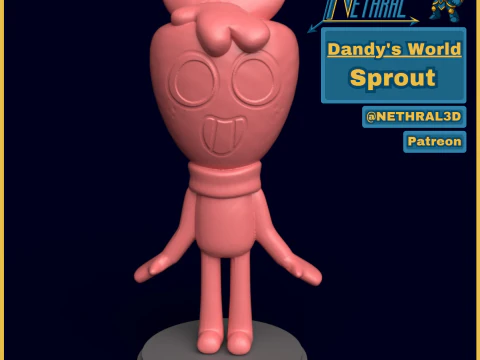
"Sprout DW" mengacu pada karakter dari komunitas kreatif daring yang terkait dengan serial animasi DW dan konten digital terkait. Seperti Shelly DW, Sprout muncul dari komunitas fan art sebagai desain karakter yang berbeda dengan identitas visualnya sendiri. Permintaan akan model 3D mengikuti pola yang sama seperti kebanyakan karakter yang berasal dari internet: penggemar ingin menganimasikan, merender, dan membuat konten yang menampilkan karakter tersebut di luar apa yang ada dalam materi sumber. Daya tarik karakter-karakter yang terkait dengan DW ini untuk pemodelan 3D adalah bahasa desainnya yang bergaya dan ekspresif yang cocok baik dalam interpretasi 3D bergaya kartun maupun semi-realistis.
T2: Fitur teknis apa yang mendefinisikan model kipas Sprout DW yang berkualitas?
Desain karakter bertema tumbuhan biasanya menampilkan tantangan geometri organik yang tidak dihadapi oleh model humanoid standar: geometri daun dengan transparansi yang meyakinkan, elemen batang atau sulur yang membutuhkan rigging berbasis spline atau mengikuti kurva, dan kompleksitas visual dari bentuk organik berlapis. Khusus untuk Sprout, elemen desain yang perlu ditangani dengan cermat adalah bagian-bagian seperti tumbuhan (daun, tunas, sulur tergantung pada interpretasi desain spesifik) dan integrasinya dengan tubuh dasar humanoid. Elemen organik ini membutuhkan rigging terpisah dari kerangka karakter utama — daun yang terkulai karena gravitasi, sulur yang melengkung dan terbuka, kelopak yang menyebar — yang dicapai melalui rantai tulang sekunder atau simulasi tubuh lunak.
T3: Pendekatan rendering apa yang cocok untuk desain karakter berbasis tumbuhan seperti Sprout?
Transparansi adalah kualitas material utama. Daun asli bersifat semi-transparan — cahaya menembus jaringan daun yang tipis, menghasilkan cahaya latar hangat yang terlihat ketika daun berada di antara pengamat dan sumber cahaya. Di Blender, ini dicapai melalui shader Translucent BSDF yang dicampur dengan Diffuse BSDF, atau melalui parameter Subsurface Scattering di Principled BSDF dengan warna subsurface hijau. Warna subsurface harus sedikit lebih hijau kekuningan daripada warna permukaan — ini sesuai dengan fenomena nyata cahaya yang ditransmisikan melalui penyaringan klorofil. Untuk render bergaya, shader toon dengan batas transparansi yang ditentukan (siluet hijau saat terkena cahaya latar) menangkap kualitas tersebut tanpa simulasi fisik penuh.
T4: Bagaimana cara kerja animasi sulur atau cabang tanaman di Blender untuk model karakter tanaman?
Armatur yang digerakkan oleh kurva Bezier adalah pendekatan yang paling bersih. Buat kurva Bezier yang mengikuti jalur sulur, tambahkan pengubah Armature ke mesh sulur dengan "Bone Envelopes" yang sesuai dengan kurva, lalu animasikan titik kontrol kurva. Sulur akan mengikuti bentuk kurva secara otomatis saat titik kontrol bergerak. Untuk penggunaan game real-time, rantai tulang sederhana dengan 5–8 tulang per sulur, yang digerakkan oleh simulasi pegas-peredam (Blender Bendy Bones atau UE5 Anim Dynamics), memberikan gerakan sekunder yang meyakinkan selama pergerakan karakter tanpa memerlukan animasi manual. Parameter kuncinya adalah peredaman — terlalu sedikit dan sulur akan berosilasi tanpa henti seperti karet; terlalu banyak dan sulur tidak bergerak sama sekali. Rasio peredaman 0,3–0,5 memberikan gerakan organik dan stabil.