
 Español
 Deutsch
 日本語
日本語 Polska
 Français
 한국의
한국의 Українська
 Italiano
 Nederlands
 Türkçe
 Português
















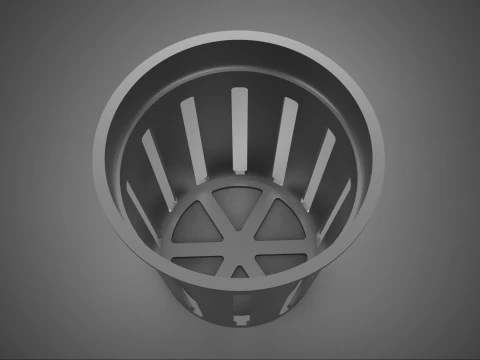
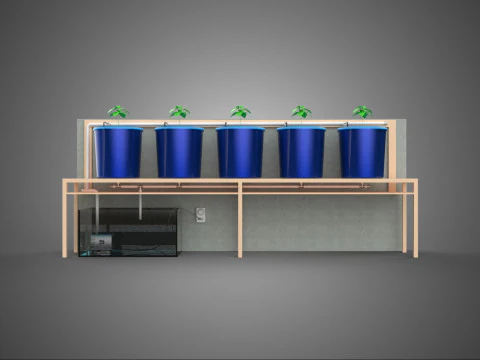
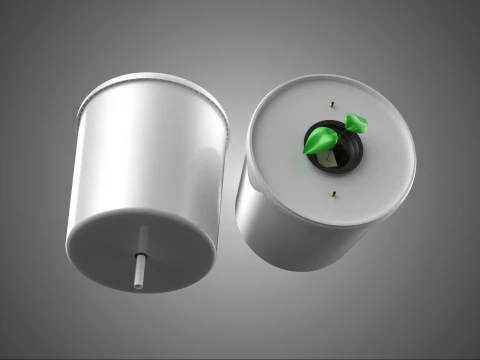
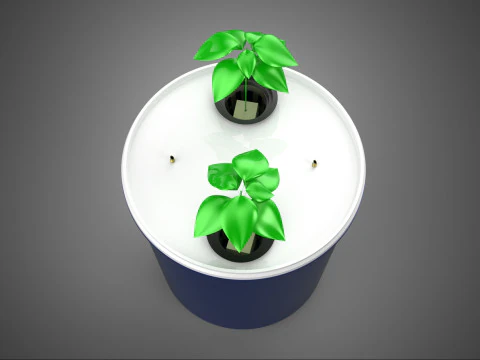
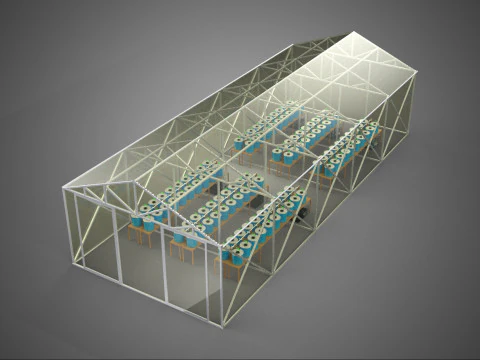
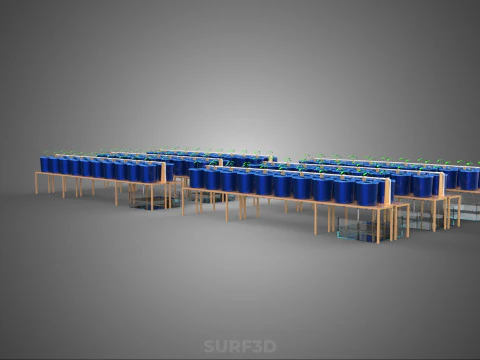
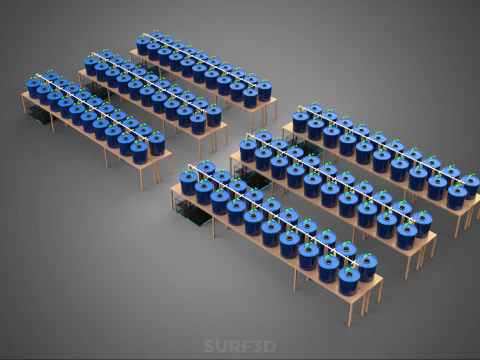
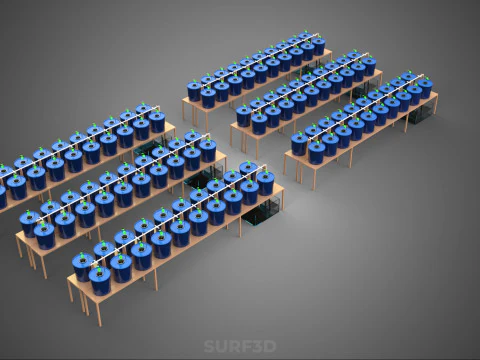
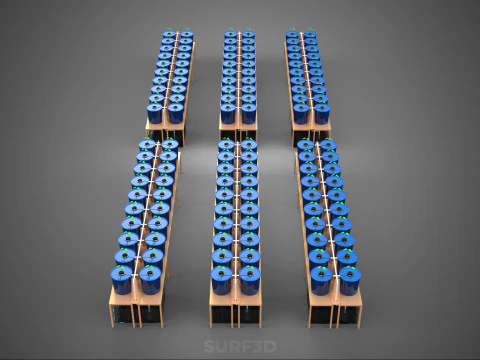
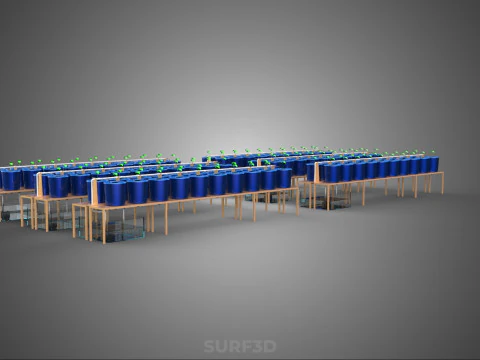
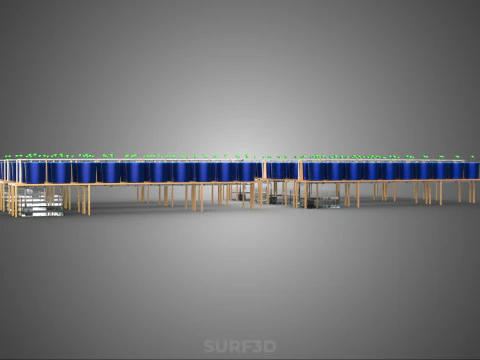
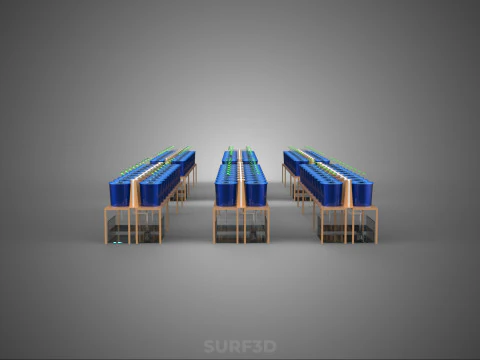
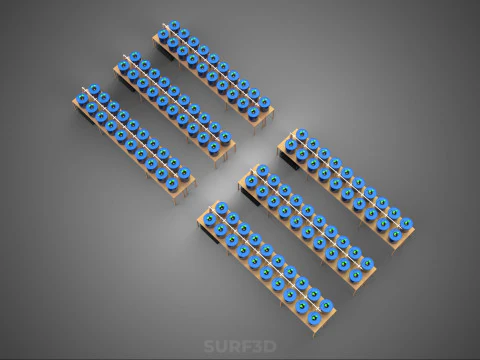
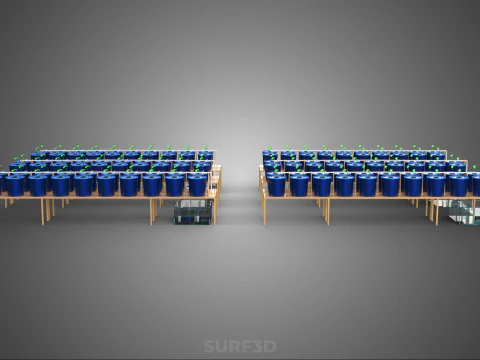
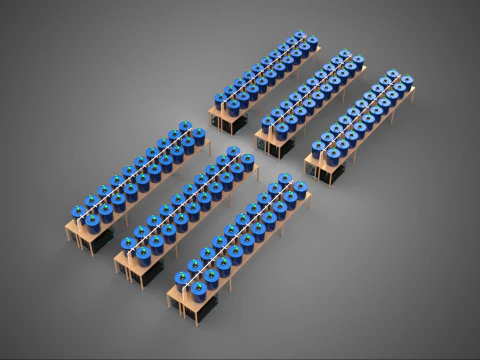
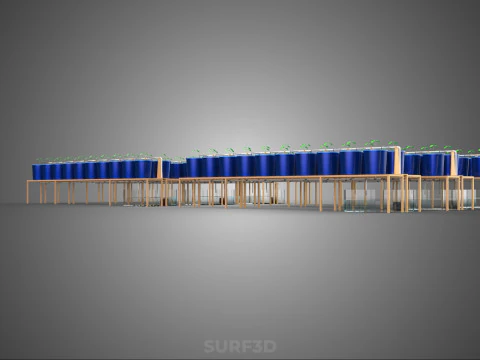
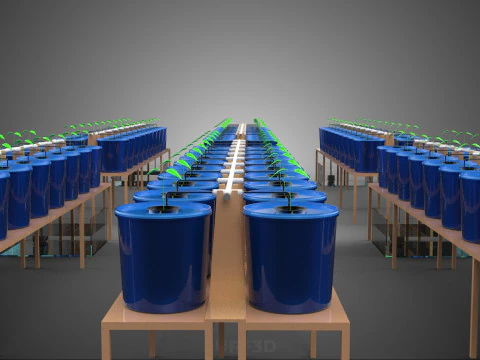
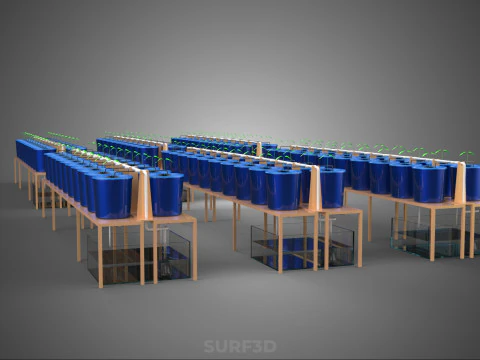
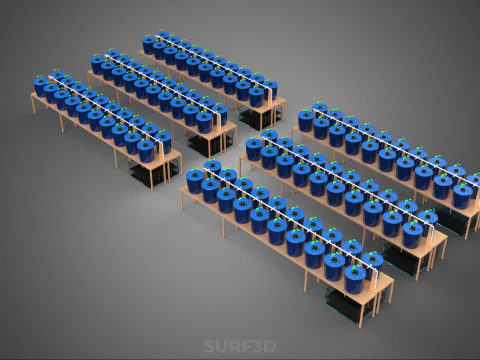
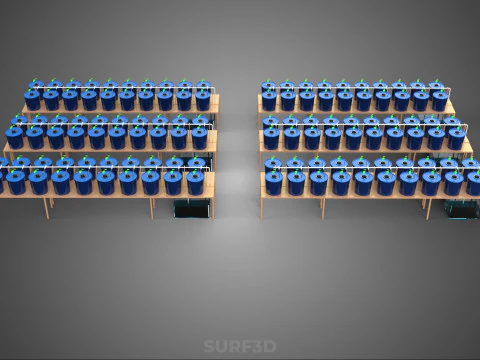
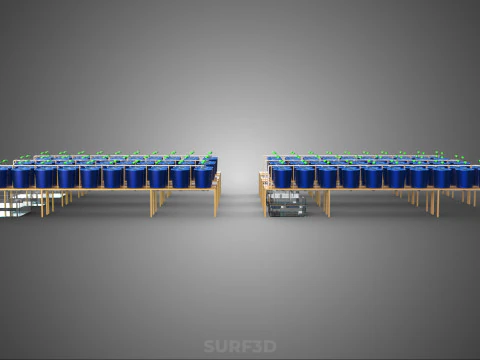
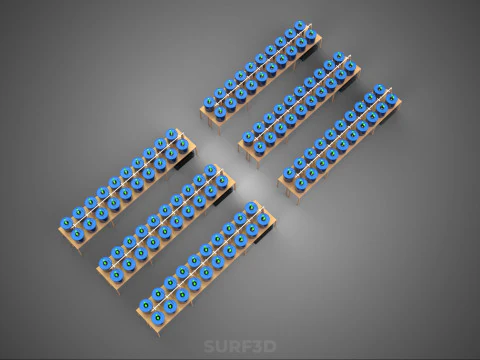
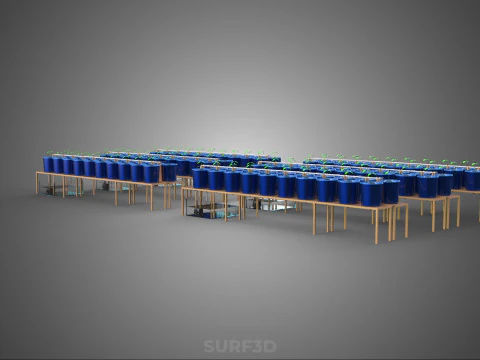
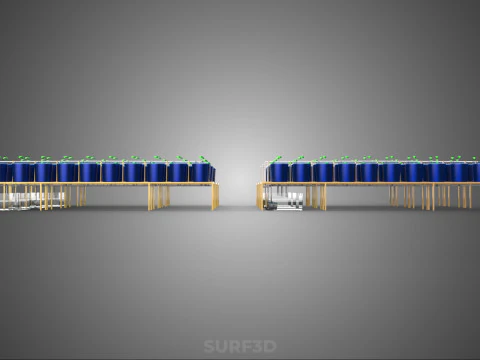
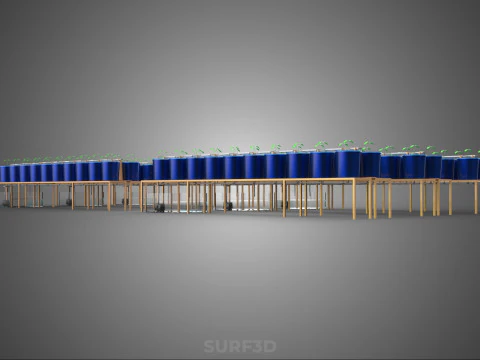
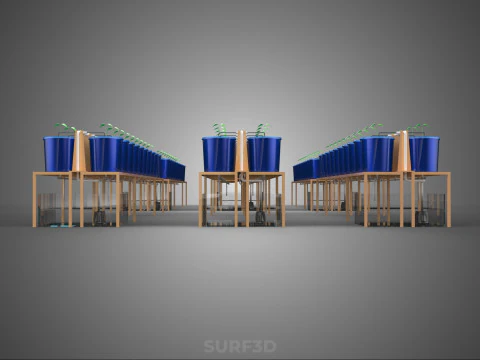
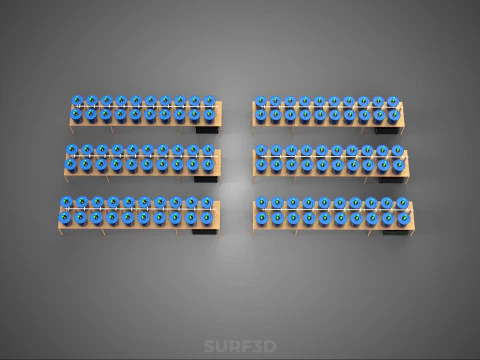
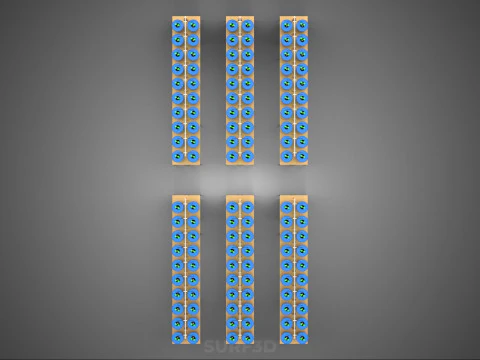
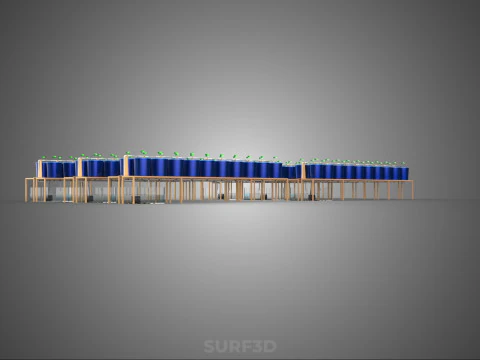
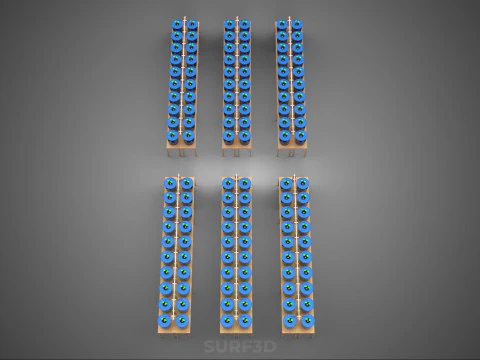
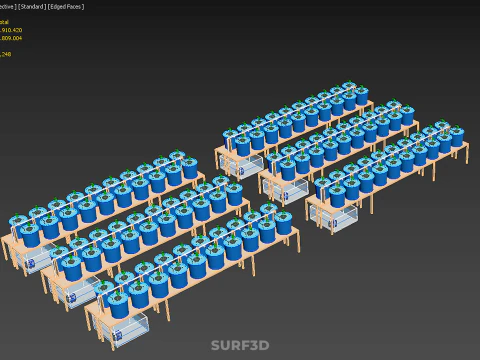
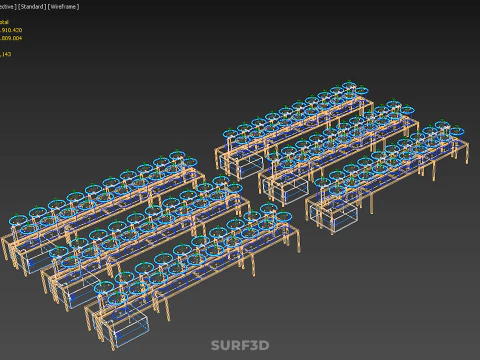
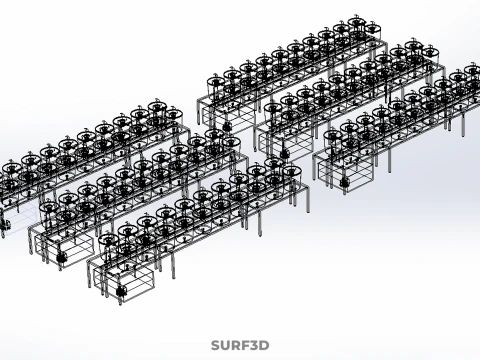
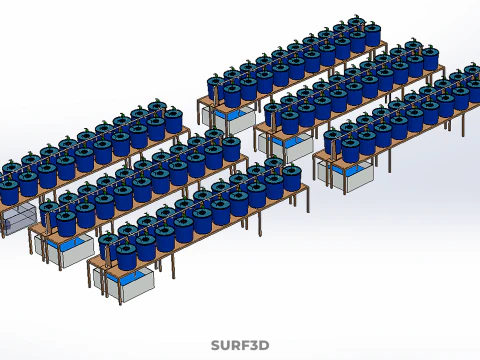
DUTCH BUCKET HYDROPONIC AEROPONIC BATO SEEDLING TREE STEM PLANT 3D Model



- Request product support by the author


- Available formats:
- Item ID:618333
- Date: 2025-12-16
- Polygons:6910420
- Vertices:5809004
- Animated:No
- Textured:No
- Rigged:No
- Materials:Yes
- Low-poly:No
- Collection:No
- UVW mapping:No
- Plugins Used:No
- Print Ready:No
- 3D Scan:No
- Adult content:No
- PBR:No
- AI Training:No
- Geometry:Poly NURBS
- Unwrapped UVs:Unknown
- Views:470
Description
High-quality 3D assets at affordable prices — trusted by designers, engineers, and creators worldwide. Made with care to be versatile, accessible, and ready for your pipeline.
Included File Formats
This model is provided in 14 widely supported formats, ensuring maximum compatibility:
• - FBX (.fbx) – Standard format for most 3D software and pipelines
• - OBJ + MTL (.obj, .mtl) – Wavefront format, widely used and compatible
• - STL (.stl) – Exported mesh geometry; may be suitable for 3D printing with adjustments
• - STEP (.step, .stp) – CAD format using NURBS surfaces
• - IGES (.iges, .igs) – Common format for CAD/CAM and engineering workflows (NURBS)
• - SAT (.sat) – ACIS solid model format (NURBS)
• - DAE (.dae) – Collada format for 3D applications and animations
• - glTF (.glb) – Modern, lightweight format for web, AR, and real-time engines
• - 3DS (.3ds) – Legacy format with broad software support
• - 3ds Max (.max) – Provided for 3ds Max users
• - Blender (.blend) – Provided for Blender users
• - SketchUp (.skp) – Compatible with all SketchUp versions
• - AutoCAD (.dwg) – Suitable for technical and architectural workflows
• - Rhino (.3dm) – Provided for Rhino users
Model Info
• - All files are checked and tested for integrity and correct content
• - Geometry uses real-world scale; model resolution varies depending on the product (high or low poly)
• • - Scene setup and mesh structure may vary depending on model complexity
• - Rendered using Luxion KeyShot
• - Affordable price with professional detailing
Buy with confidence. Quality and compatibility guaranteed.
If you have any questions about the file formats, feel free to send us a message — we're happy to assist you!
Sincerely,
SURF3D
Trusted source for professional and affordable 3D models.
More Information About 3D Model :
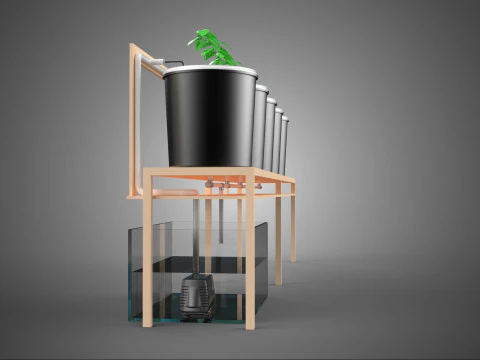
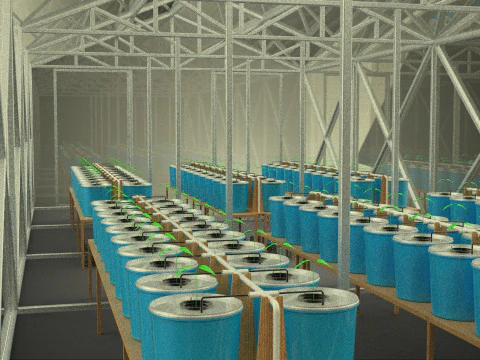
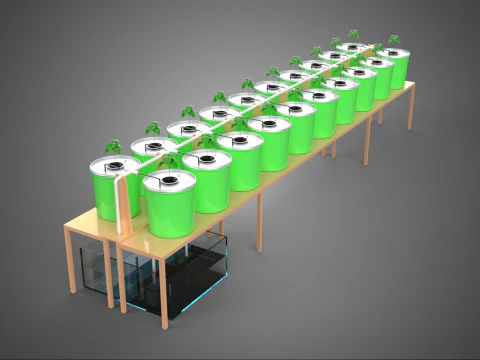
The Dutch Bucket system, formally known in controlled environment agriculture (CEA) as the Bato Bucket system, is a highly effective, recirculating drip hydroponic technique specifically engineered for the cultivation of large, vine, or heavy fruiting crops. Originating in the Netherlands, this methodology addresses the limitations faced by smaller-scale techniques like Nutrient Film Technique (NFT) or Deep Water Culture (DWC) when supporting substantial vegetative biomass and extensive root systems.
### Operational Mechanism
The system operates based on individual container modules—the Bato Buckets—which are typically white or opaque to reflect light and prevent algal growth. Each bucket holds one or more plants rooted in an inert, porous substrate such as perlite, coco coir, rockwool cubes, or expanded clay aggregate (hydroton). The inert media provides essential physical support and facilitates high levels of oxygenation in the root zone, critical for heavy feeder *plant* species.
Nutrient solution, maintained in a centralized reservoir, is delivered to the top of the substrate via small-diameter drip irrigation lines and emitters. The flow is generally intermittent, ensuring thorough saturation of the root mass. The defining feature of the Dutch Bucket is its unique drainage mechanism, typically an angled elbow pipe installed near the base of the container. This configuration ensures that a small, shallow reservoir of nutrient solution remains within the bottom of the bucket (a passive sump), preventing the complete desiccation of the roots between irrigation cycles. Excess solution (*leachate*) drains out of the elbow, flows into a common return line, and is directed back to the main reservoir. This recirculation minimizes water and fertilizer wastage, making it a highly resource-efficient *hydroponic* method.
### Crop Suitability and Application
The Bato Bucket system is optimally suited for crops requiring significant structural stability and extended cultivation periods. Primary target species include large solanaceous plants (tomatoes, peppers, eggplant), cucurbits (cucumbers, squash), and heavy herbs. Crucially, the system is also applicable to establishing and maturing various shrub, vine, and small *tree stem plant* species, including berries (e.g., blueberries), and dwarf citrus varieties, which would otherwise be incompatible with conventional soil-less systems.
The cultivation process begins with the transplantation of established *seedlings* or rooted cuttings (clones) into the Bato Bucket media. The robust nature of the system allows for flexible spacing and modification to accommodate the increasing size and weight of mature plants.
### Relationship to Aeroponics
While fundamentally a substrate-based *hydroponic* method, the term *aeroponic* may be contextually relevant in the initial propagation stages. Seedlings or cuttings are sometimes rooted in dedicated high-pressure aeroponic cloners, where roots are suspended and misted, ensuring maximum oxygen saturation and rapid development. Once sufficient roots are established, the young plants are transferred from the initial high-tech *aeroponic* environment into the *DUTCH BUCKET* drip system for the long-term vegetative and fruiting phases. Pure aeroponics for large, long-term crops can be prohibitively expensive and technically complex, leading producers to favor the Bato Bucket’s stability and simplified management for the bulk of the growing cycle.
The overall efficiency of the system is monitored through precise adjustments to the nutrient solution’s electrical conductivity (EC) and pH levels, ensuring optimal uptake and mitigating nutrient imbalances often associated with recirculating setups.
KEYWORDS: Dutch Bucket, Bato Bucket, Hydroponics, Recirculating Drip, Controlled Environment Agriculture, CEA, Substrate Culture, Inert Media, Seedlings, Tree Plants, Stem Cuttings, Aeroponics, Drip Irrigation, Leachate, Nutrient Solution, EC Monitoring, pH Control, Solanaceae, Tomatoes, Greenhouse Technology, Perennial Crops, Root Zone Aeration, Crop Stability, Soilless Cultivation, Closed Loop, Extended Cultivation, Hydroton, Coco Coir, NFT, DWC.
Need more formats?
If you need a different format, please send us a Conversion Request. We can convert 3D models to: .stl, .c4d, .obj, .fbx, .ma/.mb, .3ds, .3dm, .dxf/.dwg, .max. .blend, .skp, .glb. Free Format ConversionWe do not convert 3d scenes and solid formats such as .step, .iges, .stp, .sldprt etc!
Usage Information
DUTCH BUCKET HYDROPONIC AEROPONIC BATO SEEDLING TREE STEM PLANT - You can use this royalty-free 3D model for both personal and commercial purposes in accordance with the Basic or Extended License.The Basic License covers most standard use cases, including digital advertisements, design and visualization projects, business social media accounts, native apps, web apps, video games, and physical or digital end products (both free and sold).
The Extended License includes all rights granted under the Basic License, with no usage limitations, and allows the 3D model to be used in unlimited commercial projects under Royalty-Free terms.
Read more
Do you provide Money Back Guarantee?
Yes, we do. If you purchased a product and found some error in the renders or description, we'll try to fix the problem as soon as possible. If we cannot correct the error, we will cancel your order and you will get your money back within 24 hours from downloading the item. Read more conditions hereKeywords