


 English
 Deutsch
 日本語
日本語 Polska
 Français
 한국의
한국의 Українська
 Italiano
 Nederlands
 Türkçe
 Português
 Bahasa Indonesia
 Русский
 中國
中國 हिंदी
हिंदी















brotar Modelos 3D
Tenemos 42 artículo(s) Libre de regalías sprout Modelos 3D. Compre o descargue modelos 3D gratuitos para sus proyectos CG, producción de películas y videos, animación, visualizaciones, juegos, VR/AR y otros. Puede descargar cualquier modelo 3D en todos los formatos 3D populares, incluidos MAX, OBJ, FBX, 3DS, STL, C4D, BLEND, MAYA
- -30%
 stars.3d.labMonsters and Creatures
 - -50%
 surf3dTools
 - -50%
 surf3dTools
 - -50%
 surf3dTools
 - -50%
 surf3dSmall Plants
 - -50%
 surf3dTree
 - -50%
 surf3dTree
 - -50%
 surf3dSmall Plants
 - -50%
 surf3dSmall Plants
 - -50%
 surf3dTools
 - -50%
 surf3dTools
 - -50%
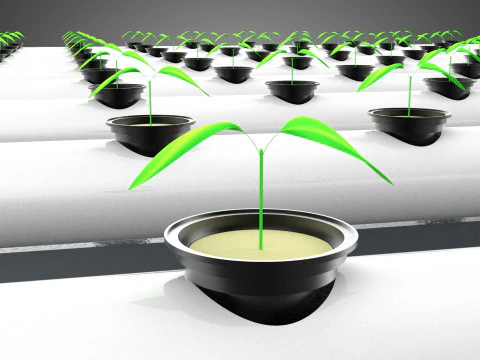 surf3dVegetable
 - -50%
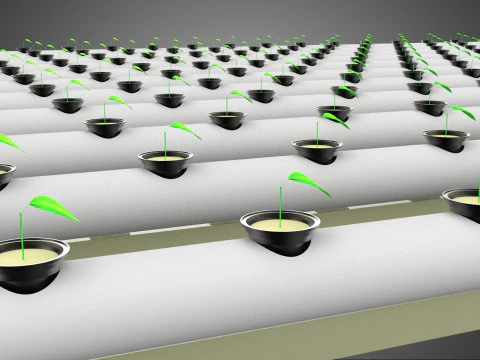 surf3dTree
 - -50%
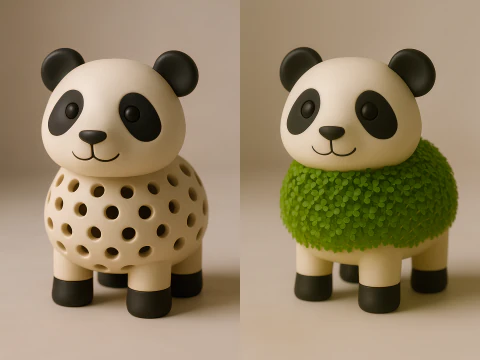 Flawless.JNCartoon
 - -50%
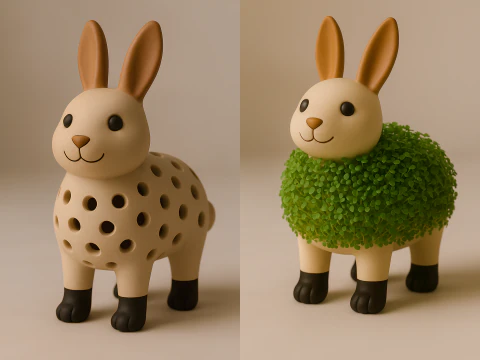 Flawless.JNCartoon
 - -50%
 Flawless.JNCartoon
 - -50%
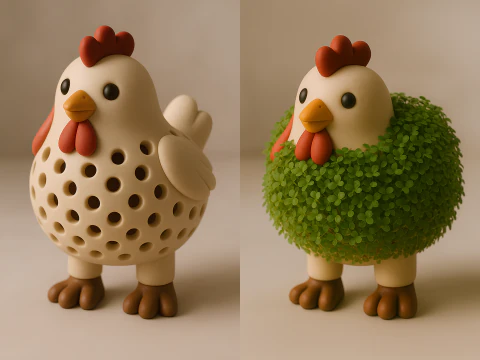 Flawless.JNCartoon
 - -50%
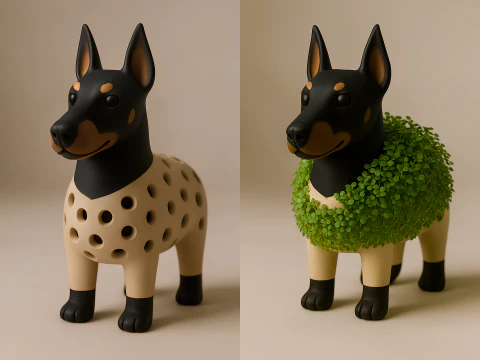 Flawless.JNCartoon
 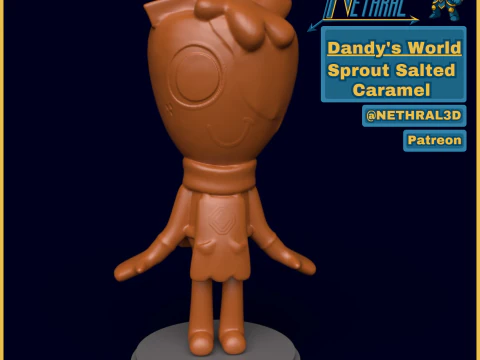 Nethral3DMonsters and Creatures
- -20%
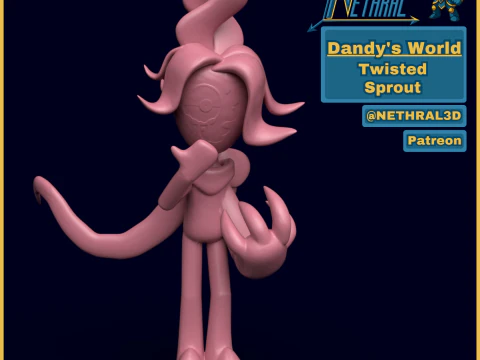 Nethral3DMonsters and Creatures







Búsquedas de tendencias Modelos 3D:
Escultura Modelos 3D Personajes Modelos 3D Cocina Modelos 3D Caballo Modelos 3D Exteriores Modelos 3D Télefono y Móvil Modelos 3D Vegetales Modelos 3D Joyeria Modelos 3D Juguetes Modelos 3D Medicinal Modelos 3D Helicóptero Modelos 3D Armas Pesadas Modelos 3D Camión Modelos 3D Anatomía Modelos 3DP1: ¿Qué es el personaje Sprout DW y cuál es su conexión con el modelado 3D?
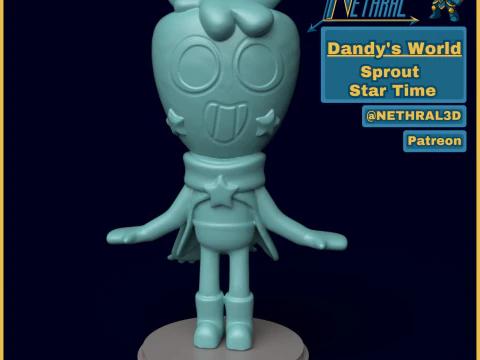
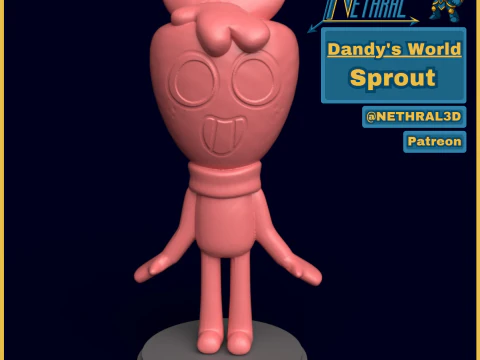
"Sprout DW" se refiere a un personaje de la comunidad creativa en línea que rodea la serie animada DW y el contenido digital relacionado. Al igual que Shelly DW, Sprout surgió de las comunidades de fan art como un diseño de personaje distintivo con su propia identidad visual. La demanda de modelos 3D sigue el mismo patrón que la mayoría de los personajes originados en internet: los fans quieren animar, renderizar y crear contenido con el personaje más allá de lo que existe en el material original. El atractivo de estos personajes relacionados con DW para el modelado 3D radica en su lenguaje de diseño estilizado y expresivo, que funciona bien tanto en interpretaciones 3D de estilo dibujo animado como en interpretaciones semirrealistas.
P2: ¿Qué características técnicas definen un modelo de ventilador Sprout DW bien fabricado?
Los diseños de personajes con temática vegetal suelen presentar desafíos geométricos orgánicos que los modelos humanoides estándar no enfrentan: geometría de hojas con una translucidez convincente, elementos de tallos o enredaderas que requieren rigging basado en splines o seguimiento de curvas, y la complejidad visual de formas orgánicas en capas. En el caso específico de Sprout, los elementos de diseño que requieren un manejo cuidadoso son los apéndices vegetales (hojas, brotes, enredaderas, según la interpretación específica del diseño) y su integración con el cuerpo base humanoide. Estos elementos orgánicos necesitan un rigging separado del esqueleto principal del personaje —la caída de las hojas por la gravedad, el enrollamiento y desenrollamiento de las enredaderas, la extensión de los pétalos— logrado mediante cadenas óseas secundarias o simulación de cuerpos blandos.
P3: ¿Qué enfoque de renderizado se adapta mejor a los diseños de personajes basados en plantas como Sprout?
La translucidez es la cualidad clave del material. Las hojas reales son semitransparentes: la luz atraviesa el fino tejido foliar, produciendo el cálido resplandor retroiluminado visible cuando las hojas se encuentran entre el observador y una fuente de luz. En Blender, esto se logra mediante el sombreador BSDF translúcido mezclado con un BSDF difuso, o mediante el parámetro de dispersión subsuperficial en BSDF basado en principios con un color subsuperficial verde. El color subsuperficial debe ser ligeramente más amarillo verdoso que el color de la superficie; esto coincide con el fenómeno real de la luz transmitida filtrada por la clorofila. Para renderizados estilizados, un sombreador de dibujos animados con un borde de translucidez definido (una silueta iluminada en verde cuando se ilumina desde atrás) captura la cualidad sin una simulación física completa.P4: ¿Cómo funcionan las animaciones de enredaderas o zarcillos en Blender para modelos de personajes vegetales?
Las armaduras controladas por curvas de Bézier son el enfoque más limpio. Crea una curva de Bézier que siga la trayectoria de la enredadera, añade un modificador de armadura a la malla de la enredadera con la opción "Bone Envelopes" que se ajuste a la curva y, a continuación, anima los puntos de control de la curva. La enredadera sigue automáticamente la forma de la curva a medida que se mueven los puntos de control. Para su uso en juegos en tiempo real, una cadena de huesos simple con 5 a 8 huesos por enredadera, controlada por una simulación de resorte-amortiguador (Bendy Bones de Blender o Anim Dynamics de UE5), proporciona un movimiento secundario convincente durante el movimiento del personaje sin necesidad de animación manual. El parámetro clave es la amortiguación: si es muy poca, las enredaderas oscilan sin cesar como goma; si es demasiada, no se mueven en absoluto. Una relación de amortiguación de 0,3 a 0,5 proporciona un movimiento orgánico y estable.