


 English
 Español
 Deutsch
 Polska
 Français
 한국의
한국의 Українська
 Italiano
 Nederlands
 Türkçe
 Português
 Bahasa Indonesia
 Русский
 中國
中國 हिंदी
हिंदी











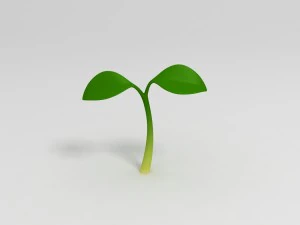
芽を出す 3Dモデル
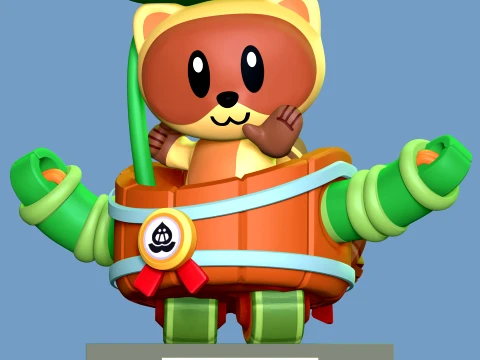
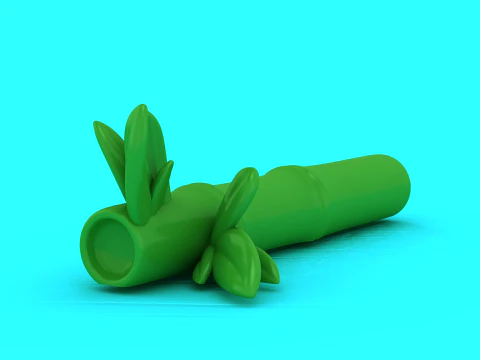
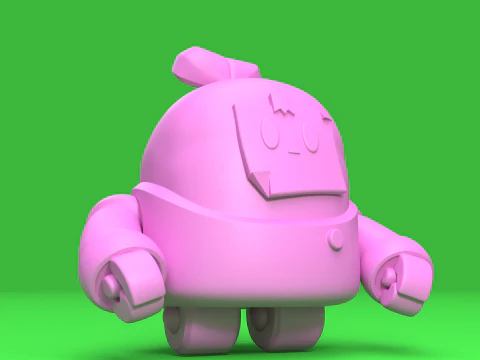
あります 42アイテム ロイヤリティフリー sprout 3Dモデル. CG プロジェクト、映画やビデオ制作、アニメーション、ビジュアライゼーション、ゲーム、VR/AR などのために無料の 3D モデルを購入またはダウンロードできます。 以下を含むすべての一般的な 3D 形式で 3D モデルをダウンロードできます。 MAX, OBJ, FBX, 3DS, STL, C4D, BLEND, MAYA












トレンド検索 3Dモデル:
彫刻 3Dモデル 特徴 3Dモデル 台所 3Dモデル 馬 3Dモデル 外装 3Dモデル 電話と携帯電話 3Dモデル 野菜 3Dモデル ジュエリー 3Dモデル 人形 3Dモデル 医療の 3Dモデル ヘリコプター 3Dモデル 重い武器 3Dモデル トラック 3Dモデル 骨格 3DモデルQ1:スプラウトDWのキャラクターとは何ですか?また、3Dモデリングとの関連性は何ですか?
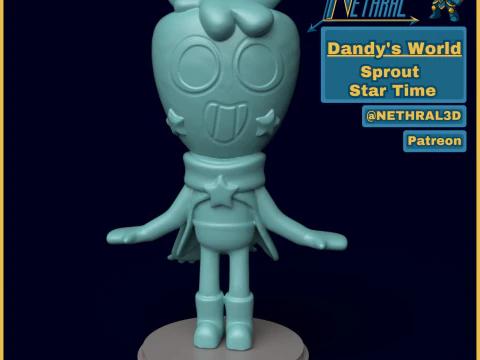
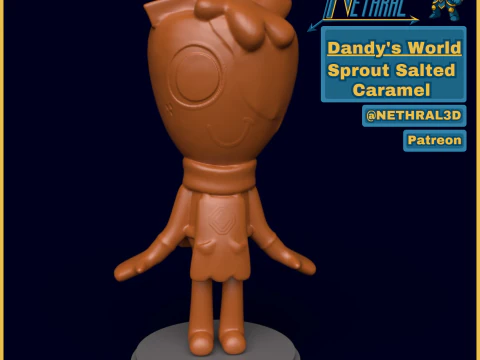
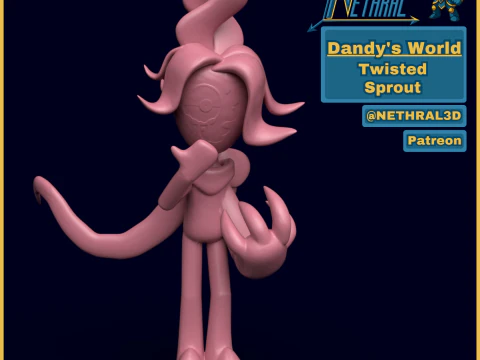
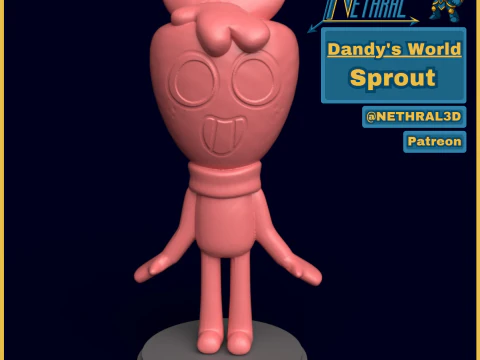
「スプラウトDW」とは、アニメシリーズ『DW』および関連デジタルコンテンツを取り巻くオンラインクリエイティブコミュニティから生まれたキャラクターを指します。シェリーDWと同様に、スプラウトはファンアートコミュニティから独自のビジュアルアイデンティティを持つ個性的なキャラクターデザインとして登場しました。3Dモデルへの需要は、ほとんどのインターネット発祥キャラクターと同様のパターンをたどります。ファンは、原作に存在しないキャラクターをアニメーション化、レンダリングし、コンテンツを作成したいと考えています。これらのDW関連キャラクターが3Dモデリングにおいて魅力的なのは、トゥーン調のレンダリングとセミリアルな3D表現の両方でうまく機能する、様式化された表現力豊かなデザイン言語にあります。
Q2:優れたSprout DWファンモデルを定義する技術的特徴は何ですか?
植物をテーマにしたキャラクターデザインは、通常、標準的な人型モデルでは直面しない有機的な形状に関する課題を抱えています。例えば、自然な半透明性を備えた葉の形状、スプラインベースまたは曲線追従型のリギングが必要な茎や蔓の要素、そして重なり合った有機的な形状の視覚的な複雑さなどです。特にSproutの場合、慎重な取り扱いが必要なデザイン要素は、植物のような付属物(デザインの解釈によって葉、芽、蔓など)と、それらを人型ベースボディに統合することです。これらの有機的な要素は、メインキャラクターの骨格とは別にリギングする必要があります。重力による葉の垂れ下がり、蔓の巻き上がりと巻き戻り、花びらの広がりなどは、二次的なボーンチェーンまたはソフトボディシミュレーションによって実現されます。
Q3:スプラウトのような植物をモチーフにしたキャラクターデザインには、どのようなレンダリング手法が適していますか?
半透明性は、素材の重要な特性です。実際の葉は半透明で、光が薄い葉組織を透過するため、葉が観察者と光源の間にあるときに、温かみのある逆光のような輝きが生まれます。Blenderでは、これはTranslucent BSDFシェーダーとDiffuse BSDFを組み合わせるか、Principled BSDFのSubsurface Scatteringパラメーターで緑色のサブサーフェスカラーを使用することで実現できます。サブサーフェスカラーは、表面の色よりもわずかに黄緑色にする必要があります。これは、葉緑素によって濾過された透過光という実際の現象と一致します。様式化されたレンダリングでは、半透明性の縁(逆光時に緑色に光るシルエット)が定義されたトゥーンシェーダーを使用することで、完全な物理シミュレーションを行わなくてもその特性を捉えることができます。
Q4: Blenderで植物キャラクターモデルのつるや巻きひげのアニメーションはどのように機能しますか?
ベジェ曲線駆動のアーマチュアが最も洗練された方法です。つるの軌跡に沿ってベジェ曲線を作成し、曲線に合う「ボーンエンベロープ」を持つアーマチュアモディファイアをつるのメッシュに追加し、曲線の制御点をアニメーション化します。制御点が移動すると、つるは曲線の形状に自動的に追従します。リアルタイムゲームで使用する場合は、つる1本あたり5~8個のボーンを持つシンプルなボーンチェーンを、バネダンパーシミュレーション(BlenderのBendy BonesまたはUE5のAnim Dynamics)で駆動することで、手動アニメーションを必要とせずに、キャラクターの動きに合わせて自然な二次的な動きを実現できます。重要なパラメータはダンピングです。ダンピングが少なすぎるとつるはゴムのように無限に振動し、多すぎると全く動きません。ダンピング比を0.3~0.5に設定すると、有機的で落ち着いた動きが得られます。