


 English
 Español
 Deutsch
 日本語
日本語 Polska
 Français
 한국의
한국의 Italiano
 Nederlands
 Türkçe
 Português
 Bahasa Indonesia
 Русский
 中國
中國 हिंदी
हिंदी
















голова 3D Моделі
У нас вже 6224 товар(и) Без роялті head 3D Моделі. Купуйте або завантажуйте безкоштовні 3D моделі для своїх CG проектів, виробництва фільмів і відео, анімації, візуалізацій, ігор, VR/AR тощо. Ви можете завантажити будь-яку 3d модель у всіх популярних 3d форматах, включаючи MAX, OBJ, FBX, 3DS, STL, C4D, BLEND, MAYA
- -50%
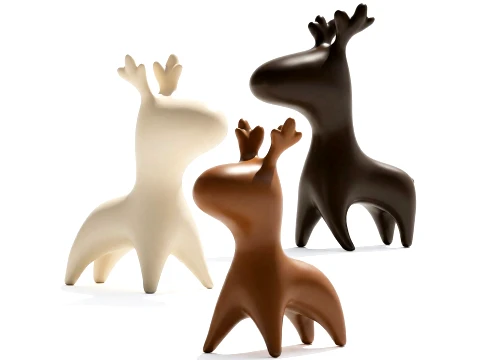
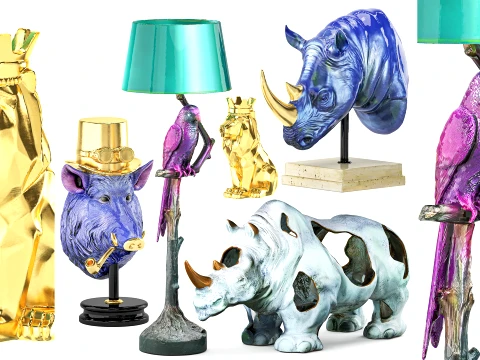
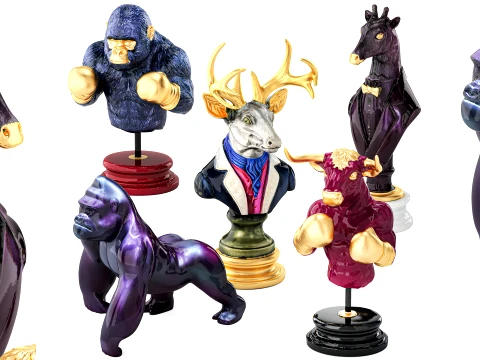
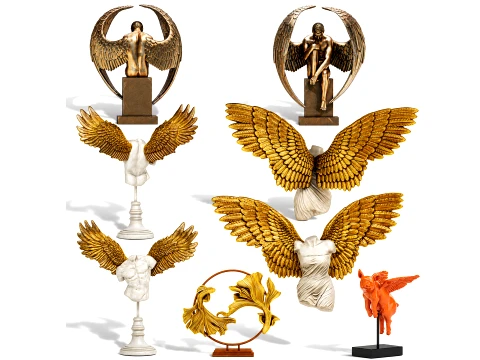
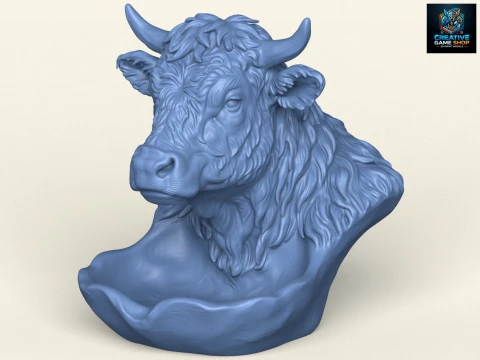 creativegameshopSculpture
 - -50%
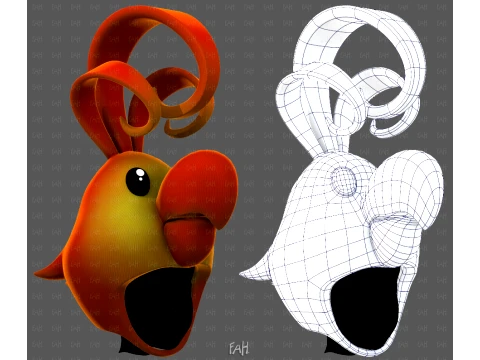
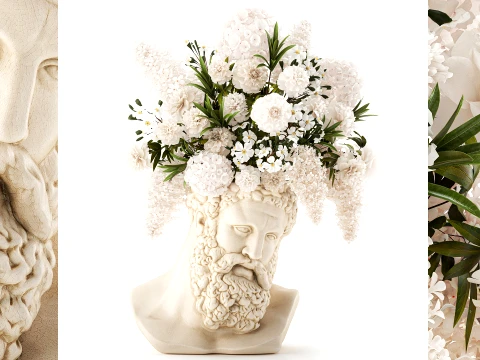
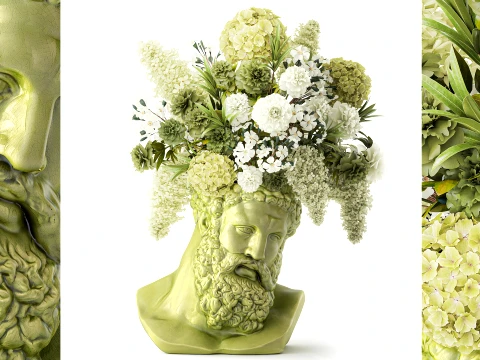 deckoratorFlowers
 - -50%
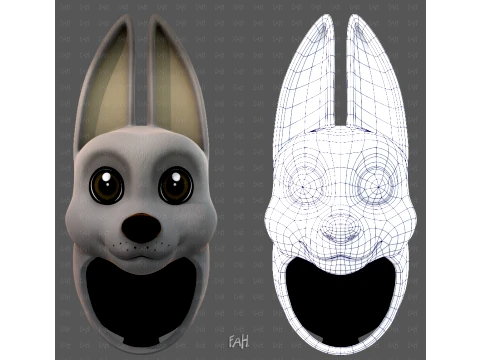
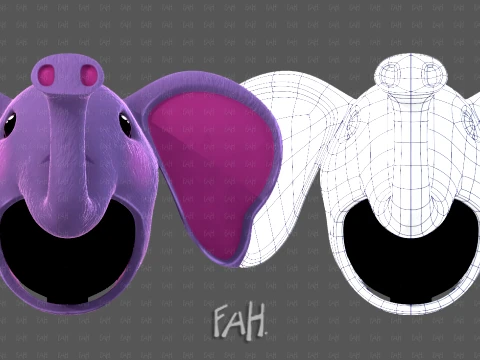
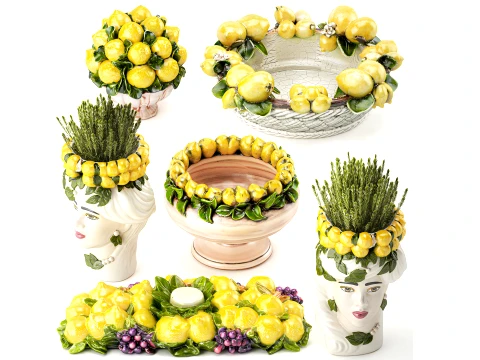 deckoratorCookware Tools
 - -50%
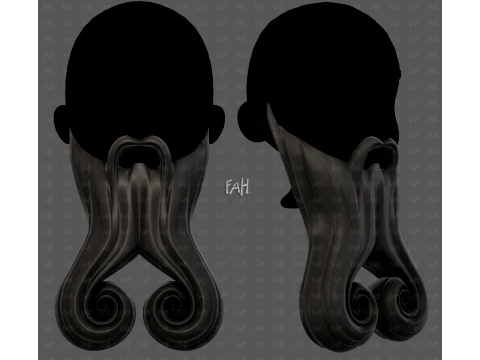
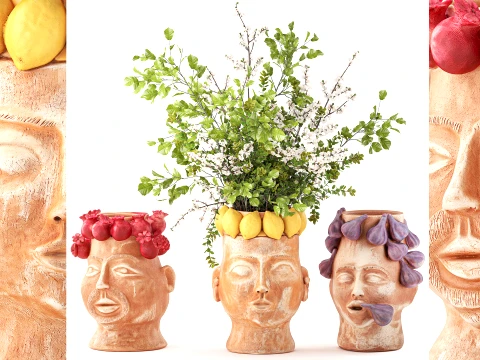
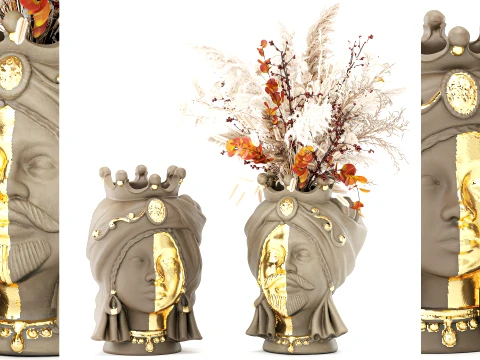 deckoratorFlowers
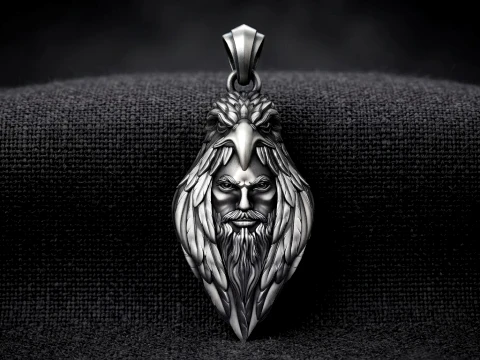
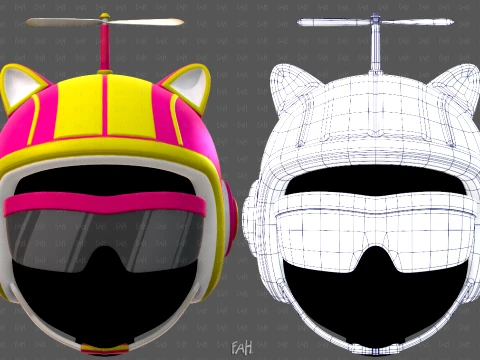
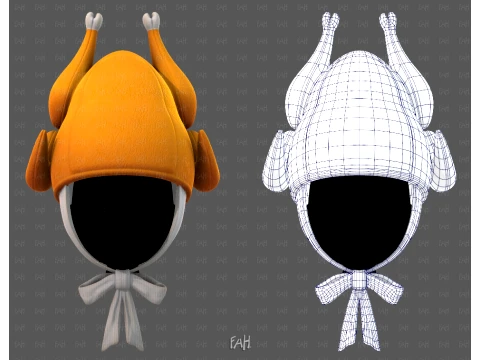
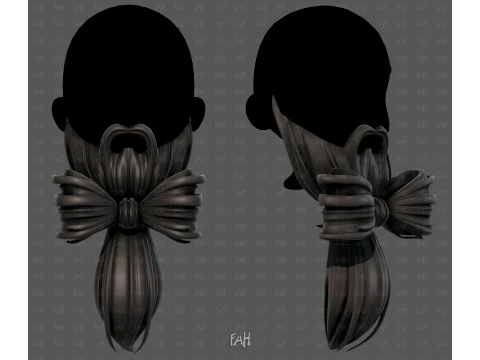


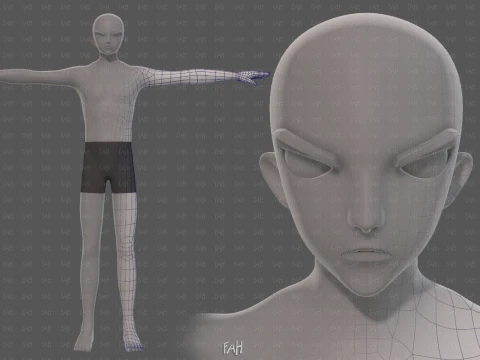
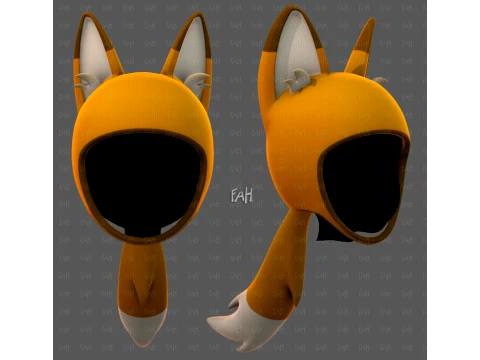
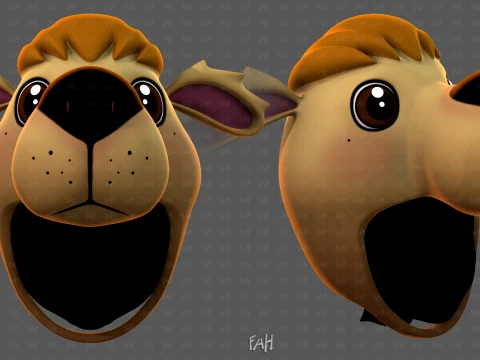
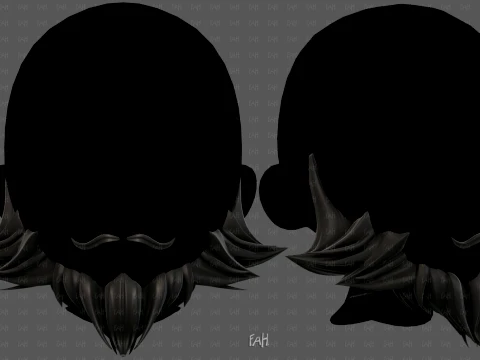




Популярні запити 3D Моделі:
Скульптури 3D Моделі Персонажі 3D Моделі Кухня 3D Моделі Кінь 3D Моделі Архітектурні Екстер'єри 3D Моделі Телефони 3D Моделі Овочі 3D Моделі Ювелірні вироби 3D Моделі Іграшки 3D Моделі Медицина 3D Моделі Вертольот 3D Моделі Важка зброя 3D Моделі Вантажівка 3D Моделі Анатомія 3D МоделіQ1: Яка найкраща 3D-модель голови для роботи з анімацією обличчя?
Для анімації обличчя топологія — це все, і саме тут багато дешевих моделей руйнуються. Голова, яку можна налаштувати, потребує контурів ребер, які повторюють структуру м’язів: чіткі кільця навколо очей і рота, правильна топологія щік, яка дозволяє деформацію посмішки без стискання, і область щелепного суглоба з достатньою геометрією для чистого шарнірного згинання. Щільна, готова до поділу топологія близько 8000–15 000 квадрицепсів — це ідеальний варіант для роботи кінематографічної якості. Якщо модель постачається з попередньо налаштованими формами змішування (на основі FACS або сумісна з ARKit для відстеження обличчя iOS), це значна додаткова цінність — створення цих форм з нуля займає кілька днів. Перевірте, чи в описі згадуються цілі FACS, ARKit або морфінгу.
Q2: Чи існують 3D-моделі голови, засновані на реальних даних сканування?
Так. Фотограмметрія та сканування структурованим світлом створюють дуже реалістичну геометрію голови, яка використовується в ігрових студіях, візуальних ефектах фільмів та медичній візуалізації. Моделі на основі сканування зазвичай мають дуже велику кількість полігонів — понад 500 000 необроблених зображень — і зазвичай постачаються з ретопологізованою версією для практичного використання. Якість текстури на головах на основі сканування помітно відрізняється від моделей, намальованих вручну: підповерхневе розсіювання поводиться реалістично, оскільки дифузна карта насправді містить реальні варіації шкіри, а не її наближення художником. Для будь-якого проекту, що вимагає правдоподібних людських облич — персонажів кат-сцени, цифрових дублерів, навчальної анатомії — голова на основі сканування варта вищої ціни.
Q3: Чи можна використовувати 3D-моделі голови для заміни обличчя або досліджень щодо запобігання дипфейкам?
Нейтральне використання: так, дослідникам та розробникам, які працюють над системами розпізнавання облич, виявлення живості та атак на основі презентацій, цілком законно потрібні реалістичні 3D-моделі голови. Вони використовуються для створення синтетичних навчальних даних — різних умов освітлення, кутів та відтінків шкіри — без необхідності використання людських суб'єктів. Для досліджень комп'ютерного зору моделі у форматі OBJ є найбільш корисними, оскільки їх можна обробляти програмно. Це добре задокументований випадок використання в біометричних дослідженнях. Ті самі моделі, які допомагають тестувати системи атак, також допомагають створювати захист від них, тому вони продаються комерційно.
Q4: Як використовувати 3D-модель голови для розробки дизайну шолома або маски на замовлення?
Імпортуйте модель голови у вибране вами програмне забезпечення CAD або для скульптури — ZBrush, Blender або Fusion 360 для роботи з твердими поверхнями. Використовуйте голову як опорну сітку для побудови: створіть нову поверхню зі зміщенням 3–5 мм від поверхні голови, щоб створити облягаючу оболонку. У Blender модифікатор Shrinkwrap робить це автоматично. Для масок, надрукованих за допомогою 3D-друку, критичними розмірами є міжзінична відстань та ширина перенісся — врахуйте їх правильно, і все інше можна буде налаштувати. Експортуйте остаточну геометрію маски у форматі STL для друку. Сама модель голови не друкується; вона є опорною для розміру та підкладкою для дизайну.