


 English
 Español
 Deutsch
 日本語
日本語 Polska
 Français
 Українська
 Italiano
 Nederlands
 Türkçe
 Português
 Bahasa Indonesia
 Русский
 中國
中國 हिंदी
हिंदी















머리 3D 모델
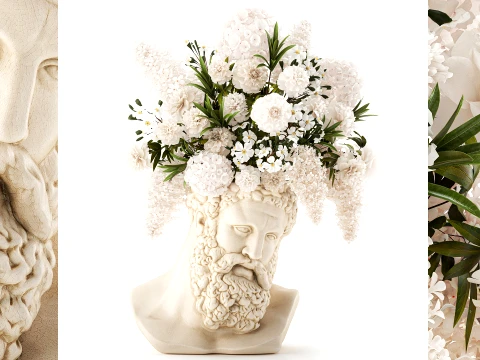
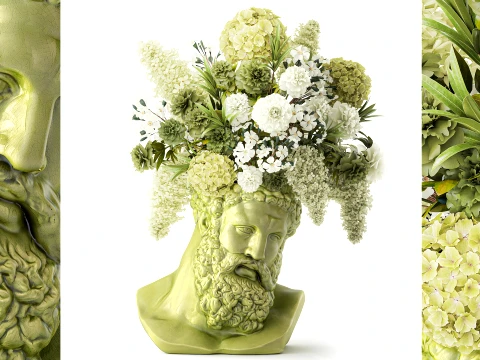
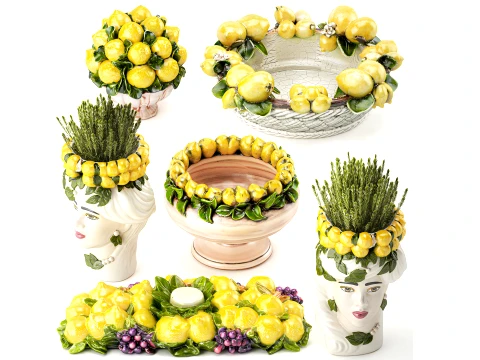
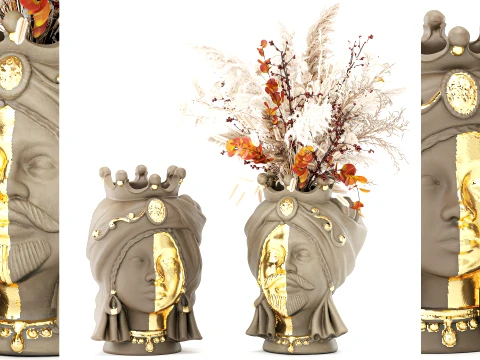
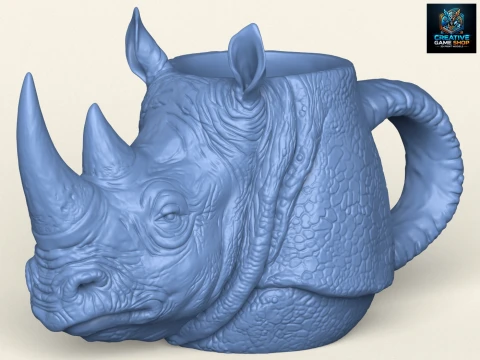
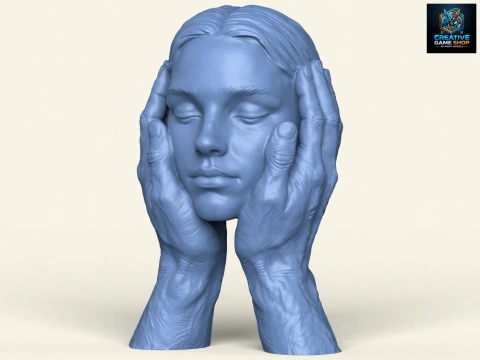
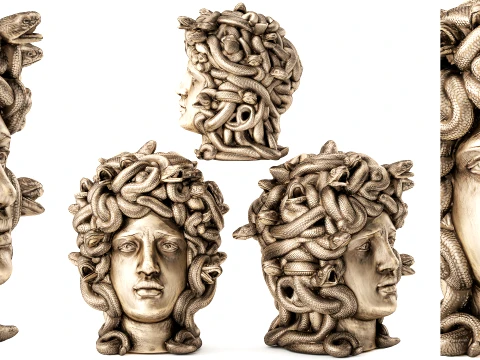
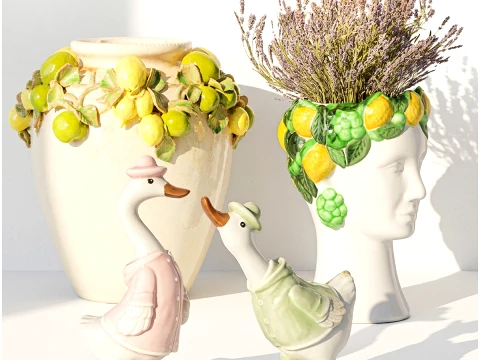
보유하고 있는 것 6191 아이템 로열티 프리 head 3D 모델. CG 프로젝트, 영화 및 비디오 제작, 애니메이션, 시각화, 게임, VR/AR 등을 위한 무료 3D 모델을 구입하거나 다운로드하세요. 다음을 포함하여 모든 인기 있는 3D 형식으로 3D 모델을 다운로드할 수 있습니다. MAX, OBJ, FBX, 3DS, STL, C4D, BLEND, MAYA
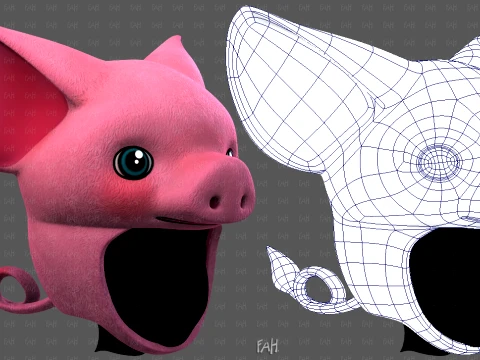
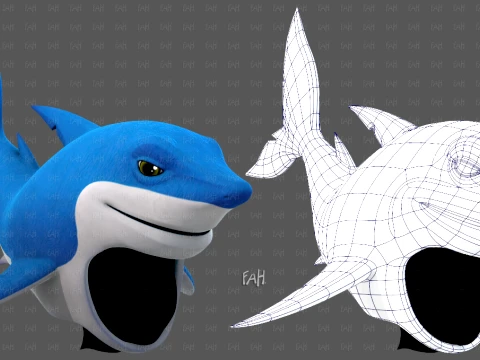
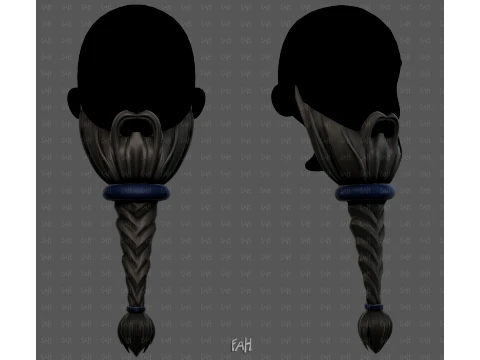






인기 검색어 3D 모델:
조각 3D 모델 캐릭터 3D 모델 부엌 3D 모델 말 3D 모델 외관 3D 모델 휴대 전화 3D 모델 야채 3D 모델 쥬얼리 3D 모델 장난감 3D 모델 의료 3D 모델 헬리콥터 3D 모델 중무기 3D 모델 트럭 3D 모델 해부학 3D 모델Q1: 얼굴 애니메이션 작업에 가장 적합한 3D 헤드 모델은 무엇인가요?
얼굴 애니메이션에서 토폴로지는 매우 중요하며, 많은 저가 모델들이 이 부분에서 문제가 발생합니다. 리깅 가능한 헤드는 근육 구조를 따라가는 엣지 루프가 필요합니다. 눈과 입 주변에는 깔끔한 링이 있어야 하고, 볼에는 주름 없이 미소 변형이 가능한 적절한 토폴로지가 있어야 하며, 턱 관절 영역에는 부드럽게 움직일 수 있는 충분한 지오메트리가 있어야 합니다. 영화 수준의 작업을 위해서는 8,000~15,000개의 쿼드로 구성된 조밀하고 세분화 준비가 된 토폴로지가 최적입니다. 모델에 블렌드 셰이프(FACS 기반 또는 iOS 얼굴 추적용 ARKit 호환)가 미리 리깅되어 있다면 상당한 이점이 됩니다. 이러한 셰이프를 처음부터 만드는 데는 며칠이 걸리기 때문입니다. 상품 설명에 FACS, ARKit 또는 모프 타겟이 언급되어 있는지 확인하세요.Q2: 실제 스캔 데이터를 기반으로 한 3D 두부 모델이 있나요?
네. 사진측량 및 구조광 스캔을 통해 게임 스튜디오, 영화 특수효과, 의료 시각화 분야에서 사용되는 매우 사실적인 얼굴 형상을 생성할 수 있습니다. 스캔 기반 모델은 일반적으로 50만 개 이상의 폴리곤으로 구성되어 있으며, 실제 사용을 위해 리토폴로지된 버전도 함께 제공됩니다. 스캔 기반 얼굴의 텍스처 품질은 수작업으로 채색한 모델과 확연히 다릅니다. 확산 맵에 실제 피부 질감이 반영되어 있어 표면 아래 산란이 사실적으로 표현되며, 아티스트의 상상력이 가미된 것이 아닙니다. 컷신 캐릭터, 디지털 더블, 교육용 해부학 자료 등 사실적인 사람 얼굴이 필요한 모든 프로젝트에서 스캔 기반 얼굴은 높은 가격에도 불구하고 그만한 가치가 있습니다.질문 3: 3D 머리 모델을 얼굴 교체 또는 딥페이크 방지 연구에 사용할 수 있습니까?
중립적 사용: 네, 얼굴 인식, 생체 인식 및 프레젠테이션 공격 시스템을 연구하는 연구원과 개발자는 사실적인 3D 머리 모델이 필요합니다. 이러한 모델은 실제 사람을 대상으로 하지 않고도 다양한 조명 조건, 각도 및 피부색을 포함하는 합성 학습 데이터를 생성하는 데 사용됩니다. 컴퓨터 비전 연구에서는 OBJ 형식의 모델이 프로그래밍 방식으로 처리할 수 있기 때문에 가장 유용합니다. 이는 생체 인식 연구에서 잘 알려진 사용 사례입니다. 공격 시스템을 테스트하는 데 도움이 되는 동일한 모델이 공격 시스템에 대한 방어 체계를 구축하는 데에도 도움이 되기 때문에 상업적으로 판매되고 있습니다.
Q4: 3D 머리 모델을 사용하여 맞춤형 헬멧이나 마스크를 디자인하는 방법은 무엇인가요?
원하는 CAD 또는 스컬핑 소프트웨어(ZBrush, Blender 또는 하드 서페이스 작업용 Fusion 360)로 머리 모델을 불러오세요. 머리 모델을 기준 메쉬로 사용하여 그 위에 새로운 표면을 생성하세요. 머리 표면에서 3~5mm 떨어진 위치에 새 표면을 만들어 얼굴에 꼭 맞는 쉘을 생성합니다. Blender에서는 Shrinkwrap 수정자가 이 작업을 자동으로 수행합니다. 3D 프린팅 마스크의 경우, 가장 중요한 치수는 동공 간 거리와 콧대 너비입니다. 이 두 치수를 정확하게 맞추면 나머지는 조정할 수 있습니다. 최종 마스크 형상을 STL 파일로 내보내 프린팅하세요. 머리 모델 자체는 프린팅되지 않습니다. 크기 기준 및 디자인 기반으로 사용됩니다.