


 English
 Español
 Deutsch
 日本語
日本語 Français
 한국의
한국의 Українська
 Italiano
 Nederlands
 Türkçe
 Português
 Bahasa Indonesia
 Русский
 中國
中國 हिंदी
हिंदी
















głowa Modele 3D
Mamy 5961 produkty/ów Bez opłat licencyjnych head Modele 3D. Kup lub pobierz bezpłatne modele 3D do swoich projektów CG, produkcji filmowych i wideo, animacji, wizualizacji, gier, VR/AR i innych. Możesz pobrać dowolny model 3D we wszystkich popularnych formatach 3D, w tym MAX, OBJ, FBX, 3DS, STL, C4D, BLEND, MAYA
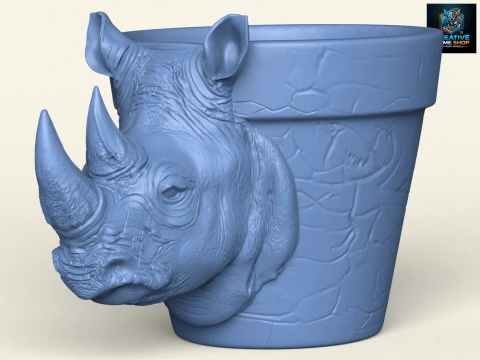
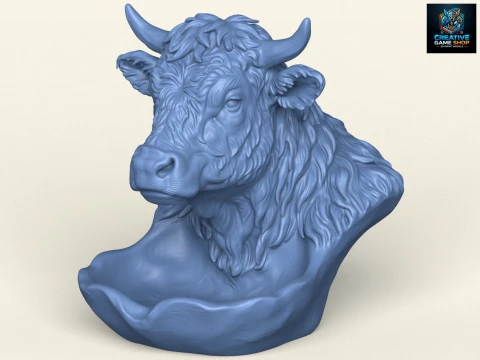 creativegameshopSculpture
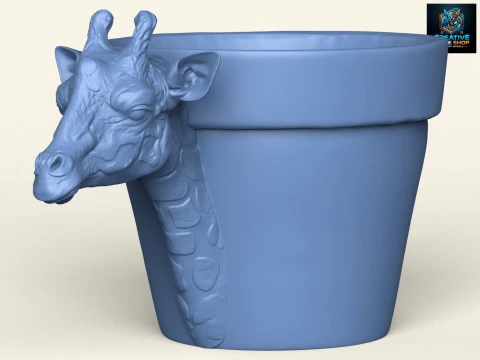
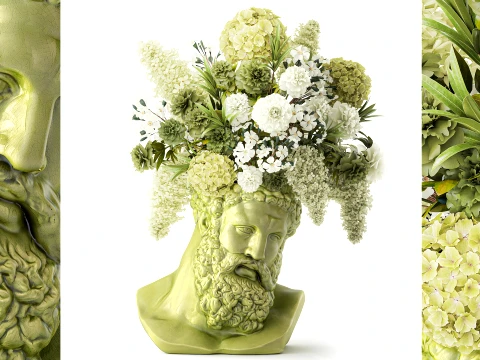 deckoratorFlowers
 deckoratorCookware Tools
 deckoratorFlowers
 deckoratorOther
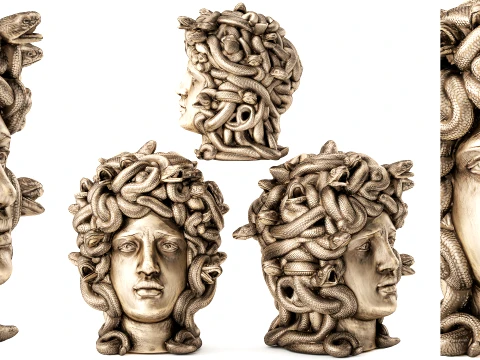 deckoratorOther
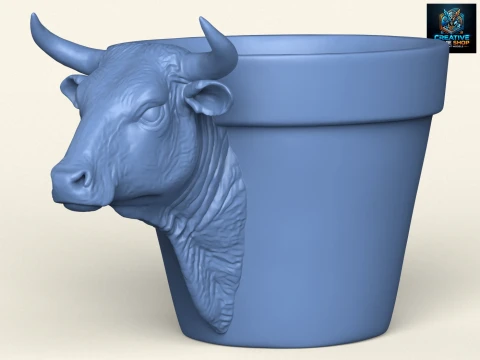
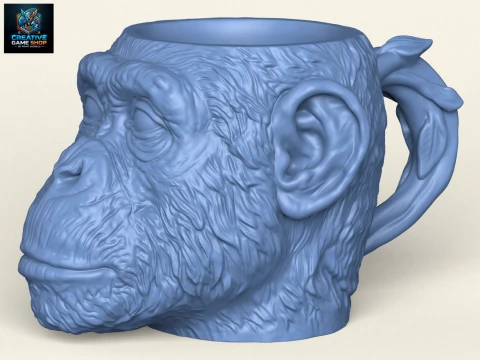 creativegameshopKitchen and Dining
- -50%
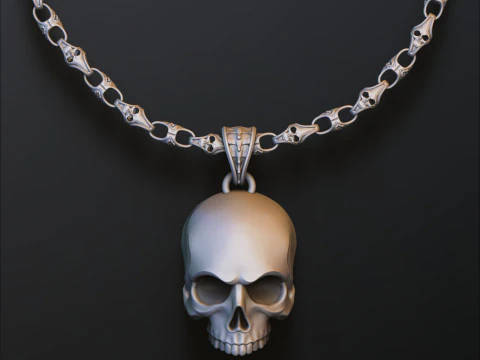
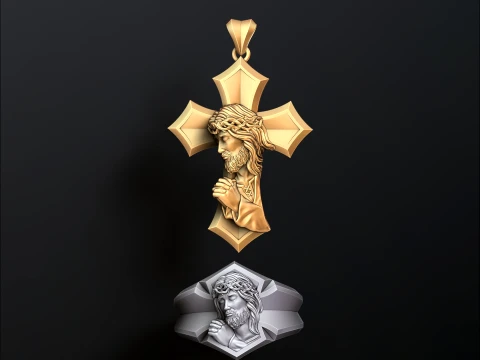 Avera3dPendants
 - -50%
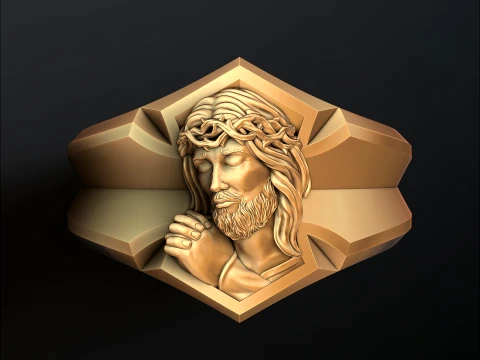 Avera3dRings
 - -50%
 Avera3dPendants
 - -50%
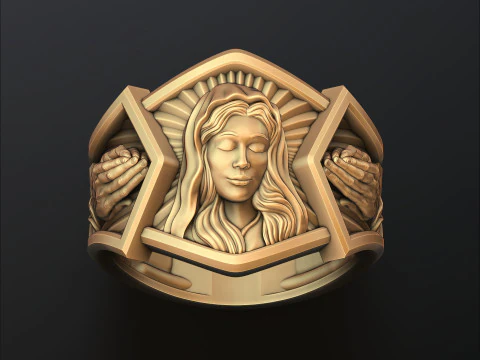 Avera3dRings
 - -50%
 Avera3dPendants
 - -20%
 QLEE3DMotorcycle
 - -20%
 SanchiEspSculpture
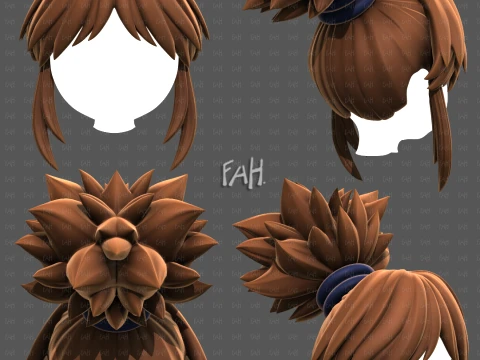
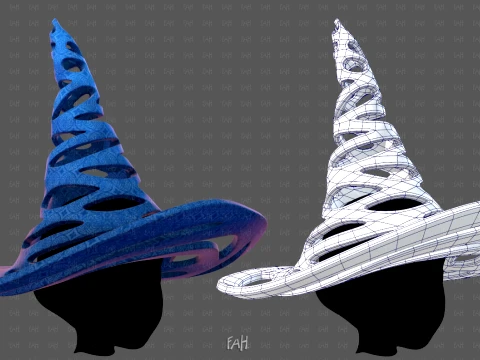
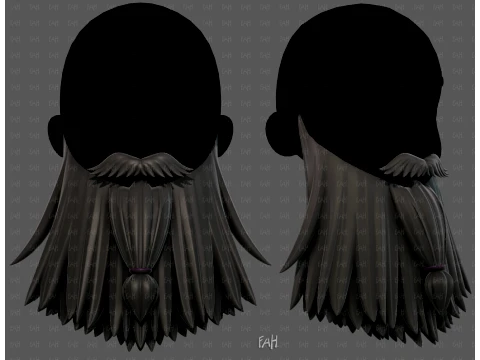
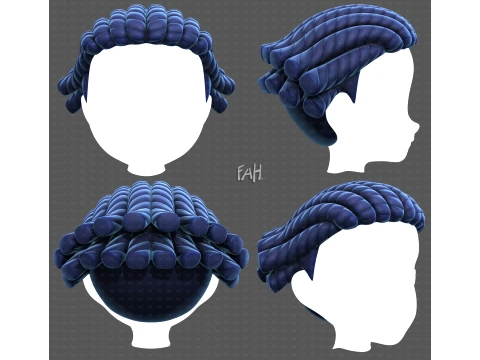
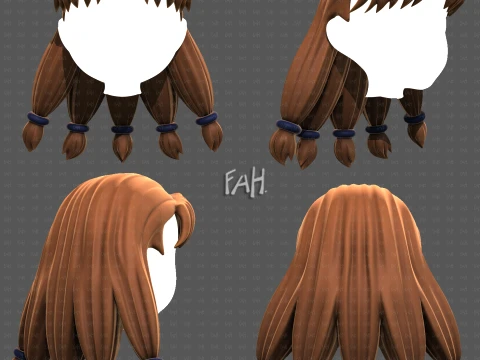

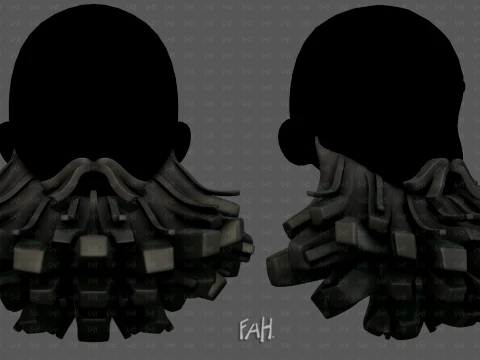
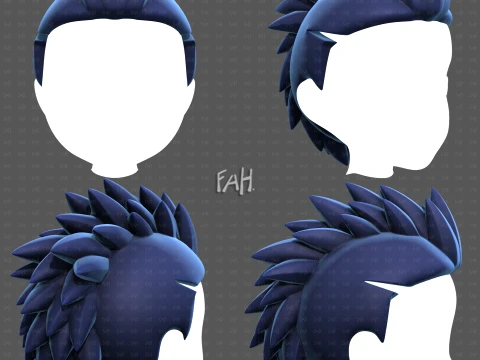
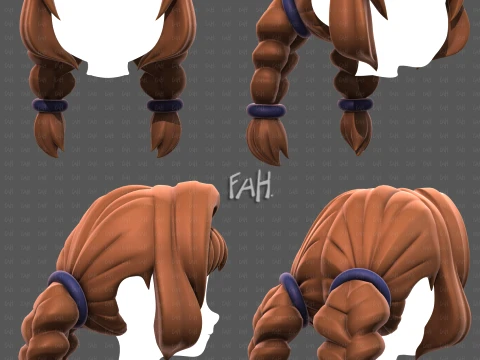


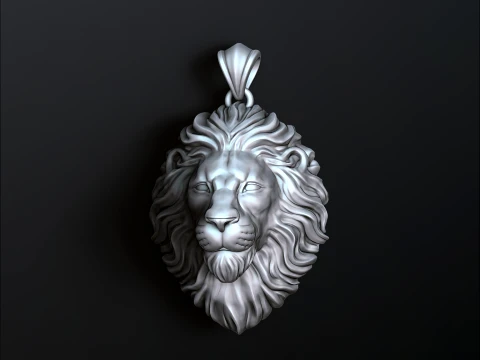
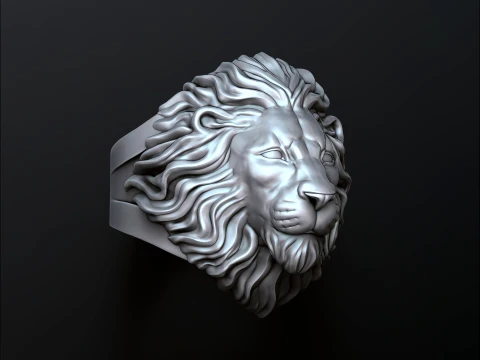
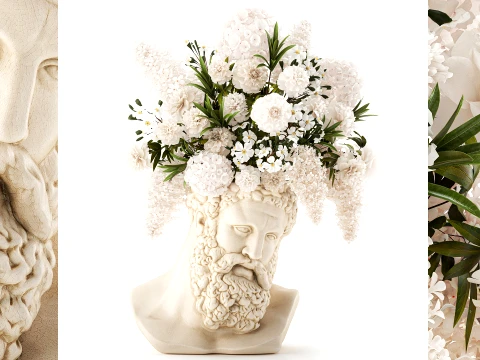
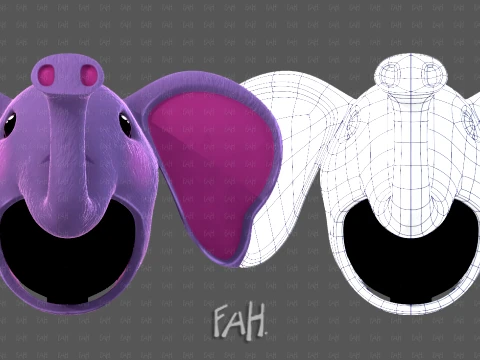



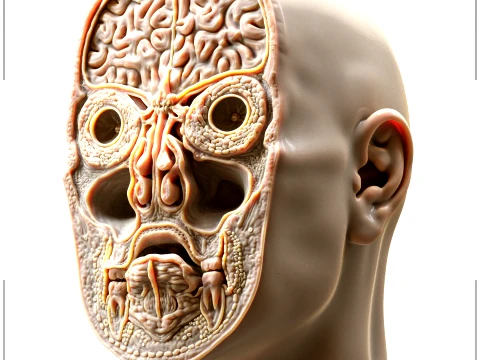

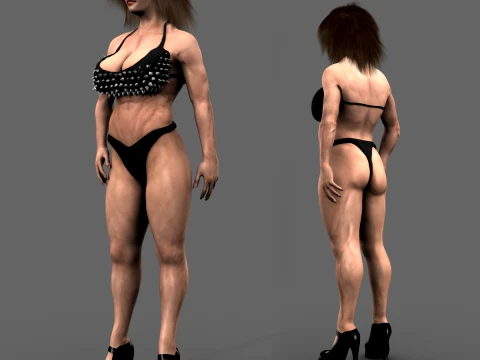
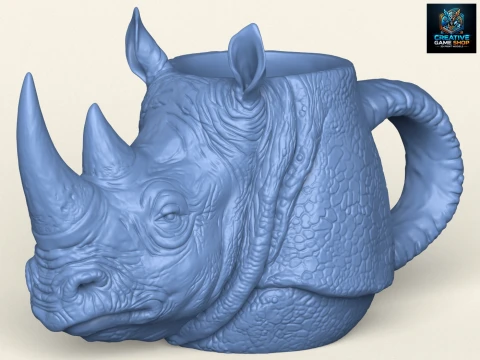
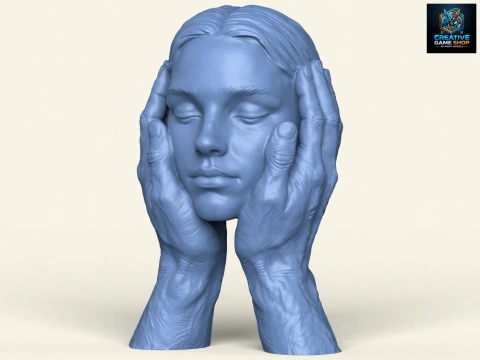

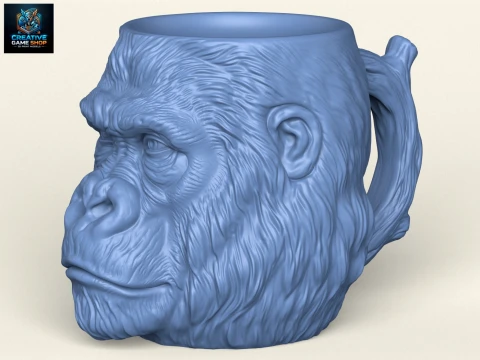
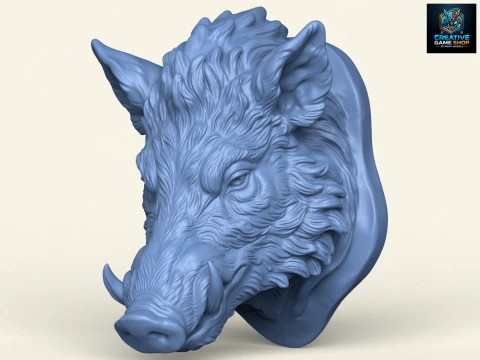
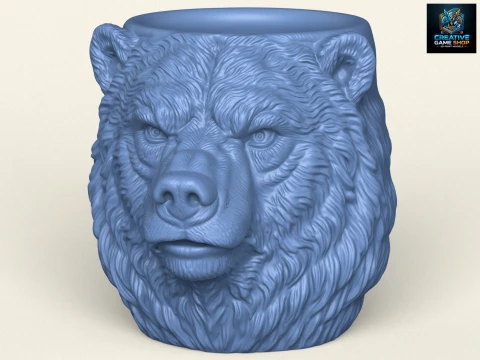
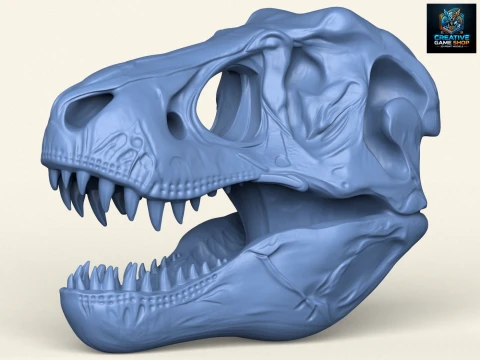
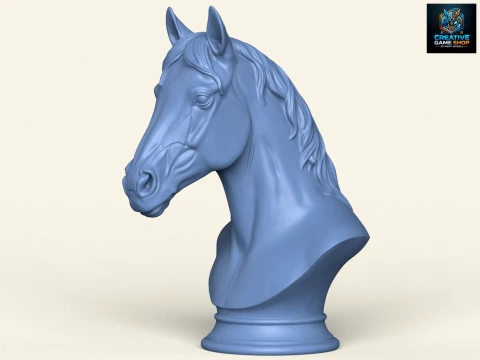
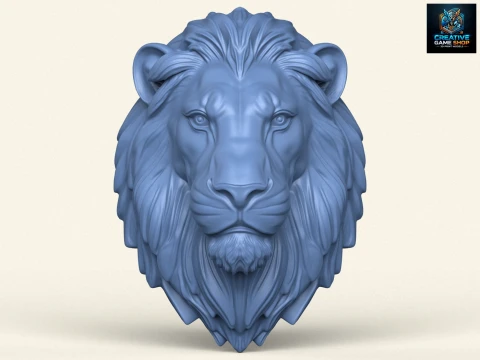
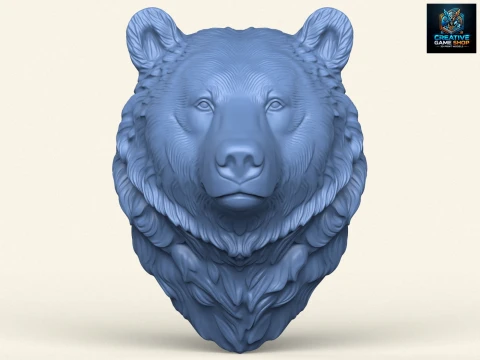


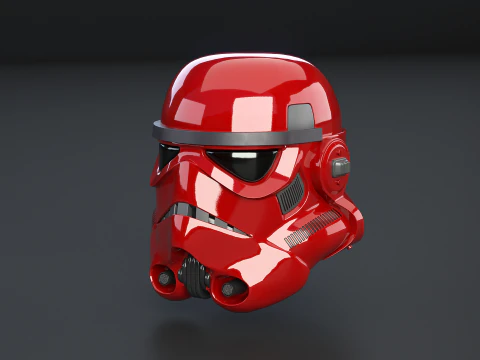






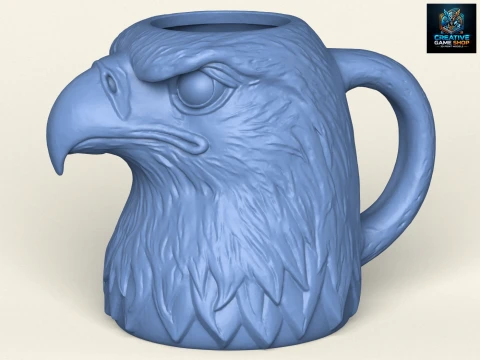
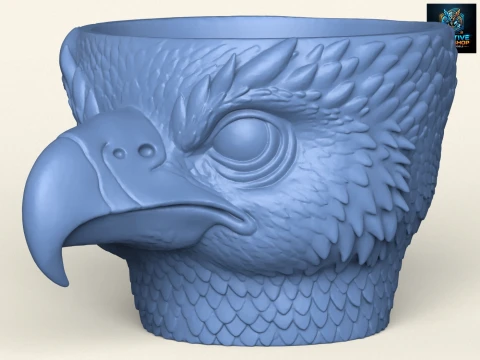
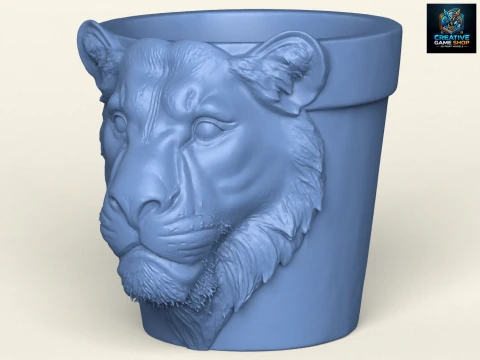
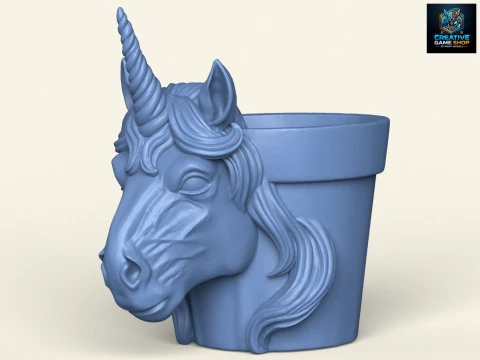
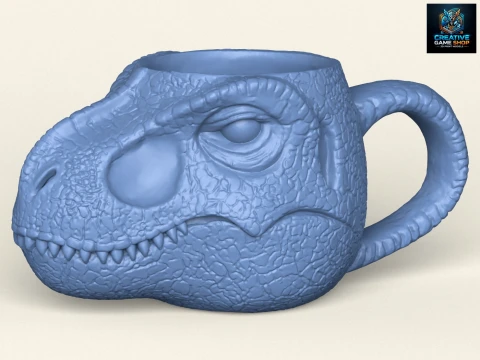
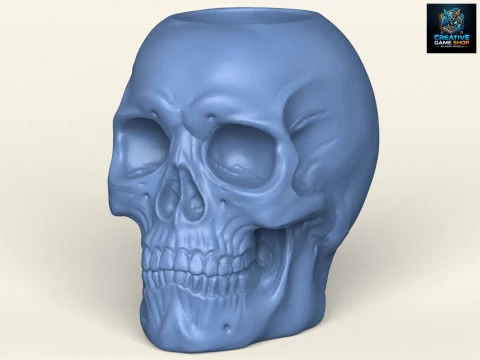
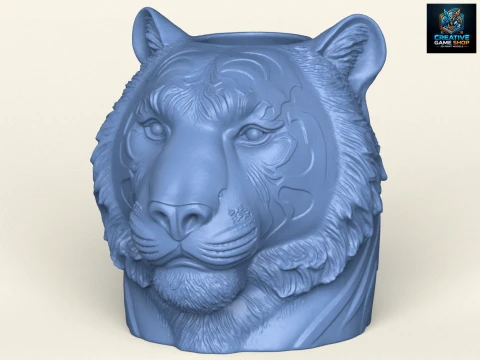
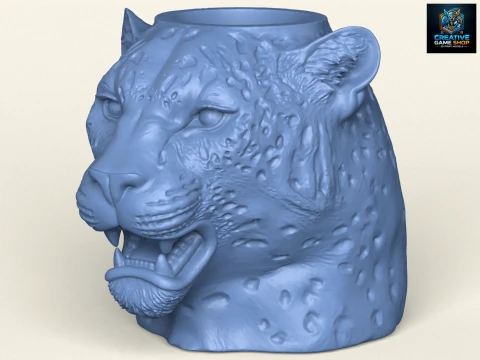
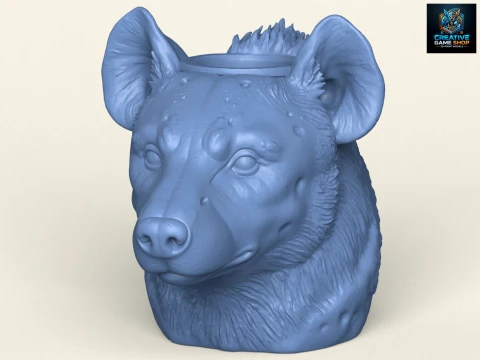
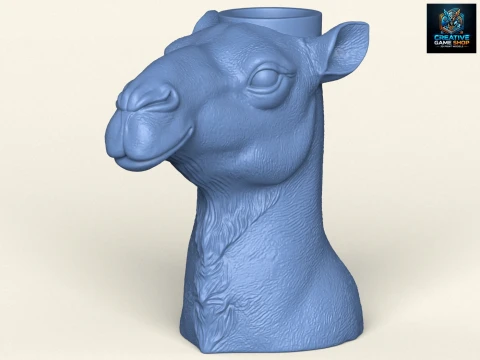
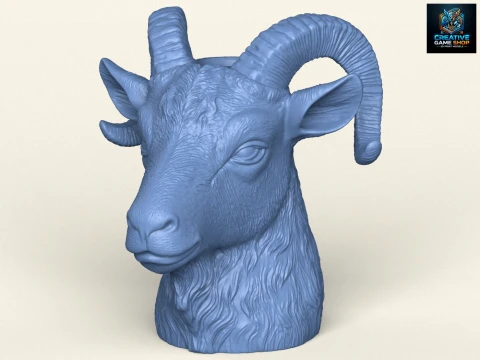
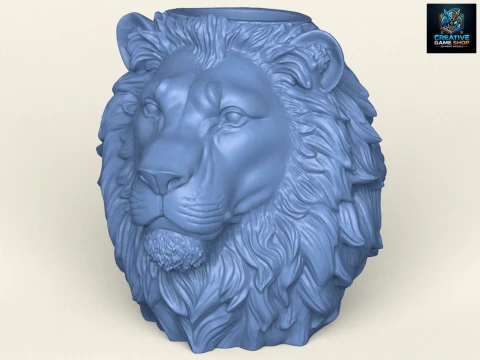
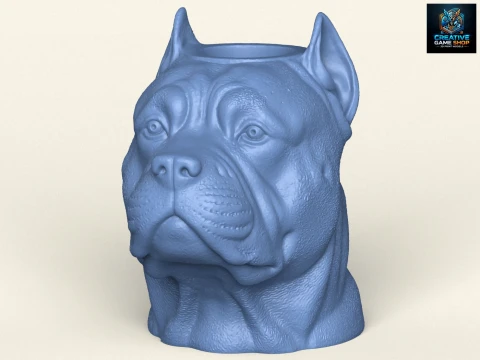
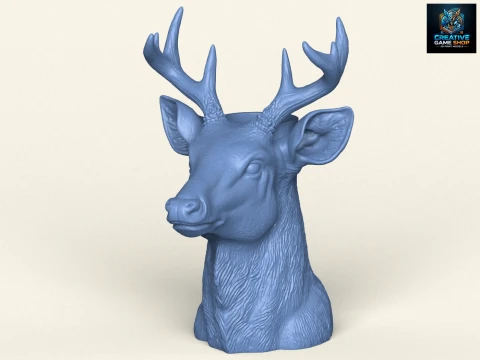
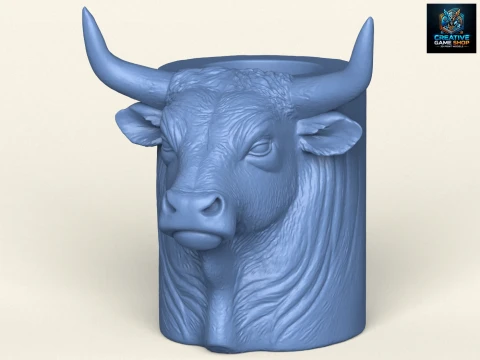
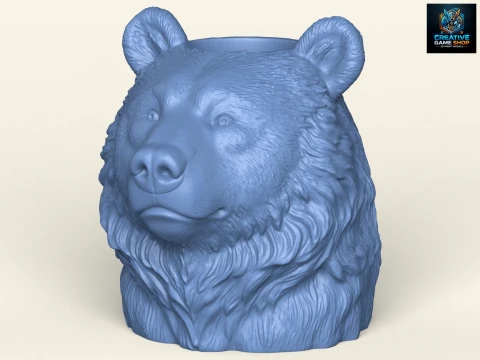
Popularne wyszukiwania Modele 3D:
Rzeźba Modele 3D Postacie Modele 3D Kuchnia Modele 3D Koń Modele 3D Architektoniczne Zewnątrz Modele 3D Telefon i Komórkowy Modele 3D Warzywo Modele 3D Biżuteria Modele 3D Zabawki Modele 3D Medyczny Modele 3D Śmigłowiec Modele 3D Ciężka Broń Modele 3D Ciężarówka Modele 3D Anatomia Modele 3DQ1: What's the best 3D head model for facial animation work?
For facial animation, topology is everything — and this is where a lot of cheap models fall apart. A riggable head needs edge loops that follow muscle structure: clean rings around the eyes and mouth, proper cheek topology that allows for smile deformation without pinching, and a jaw joint area with enough geometry to hinge cleanly. Dense, subdivision-ready topology around 8,000–15,000 quads is the sweet spot for film-quality work. If the model comes pre-rigged with blend shapes (FACS-based or ARKit compatible for iOS face tracking), that's significant added value — building those shapes from scratch takes days. Check if the listing mentions FACS, ARKit, or morph targets.
Q2: Are there 3D head models based on real scan data?
Yes. Photogrammetry and structured-light scans produce highly realistic head geometry used in game studios, film VFX, and medical visualization. Scan-based models typically have very high polygon counts — 500,000+ raw — and usually come with a retopologized version for practical use. The texture quality on scan-based heads is notably different from hand-painted models: subsurface scattering behaves realistically because the diffuse map actually contains real skin variation, not an artist's approximation of it. For any project requiring believable human faces — cutscene characters, digital doubles, educational anatomy — a scan-based head is worth the higher price.
Q3: Can 3D head models be used for face replacement or deepfake prevention research?
Neutral use: yes, researchers and developers working on face detection, liveness detection, and presentation attack systems legitimately need realistic 3D head models. They're used to generate synthetic training data — varied lighting conditions, angles, and skin tones — without needing human subjects. For computer vision research, models in OBJ format are most useful since they can be processed programmatically. This is a well-documented use case in biometric research. The same models that help test attack systems also help build defenses against them, which is why they're sold commercially.
Q4: How do I use a 3D head model for custom helmet or mask design?
Import the head model into your CAD or sculpting software of choice — ZBrush, Blender, or Fusion 360 for hard-surface work. Use the head as a reference mesh to build around: create a new surface offset 3–5mm from the head's surface to generate a form-fitting shell. In Blender, the Shrinkwrap modifier does this automatically. For 3D-printed masks, the critical dimensions are the interpupillary distance and nose bridge width — get those right and everything else can be adjusted. Export the final mask geometry as STL for printing. The head model itself doesn't get printed; it's the sizing reference and design substrate.