


 English
 Español
 Deutsch
 日本語
日本語 Polska
 Français
 한국의
한국의 Українська
 Nederlands
 Türkçe
 Português
 Bahasa Indonesia
 Русский
 中國
中國 हिंदी
हिंदी
















Testa Modelli 3D
Abbiamo 6191 oggetto(i) Senza royalty head Modelli 3D. Acquista o scarica modelli 3D gratuiti per i tuoi progetti CG, produzione di film e video, animazioni, visualizzazioni, giochi, VR/AR e altro. Puoi scaricare qualsiasi modello 3D in tutti i formati 3D più diffusi, inclusi MAX, OBJ, FBX, 3DS, STL, C4D, BLEND, MAYA
- -20%
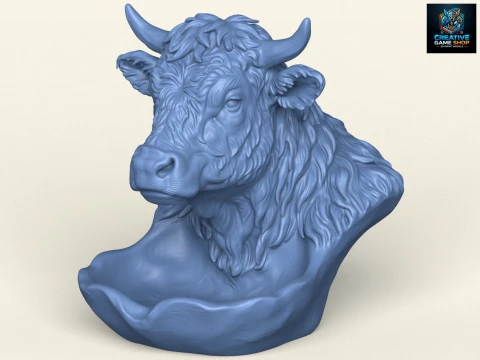 creativegameshopSculpture
 - -40%
 Avera3dPendants
 - -40%
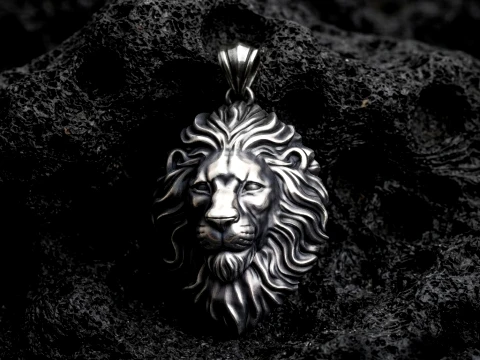 Avera3dPendants
 - -40%
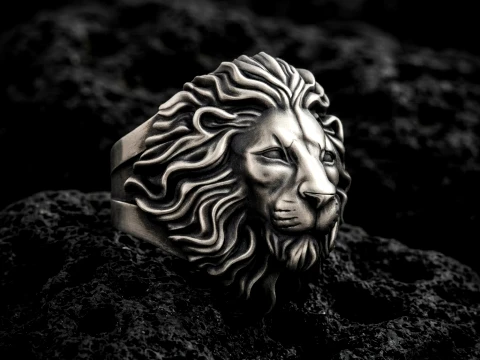 Avera3dRings
 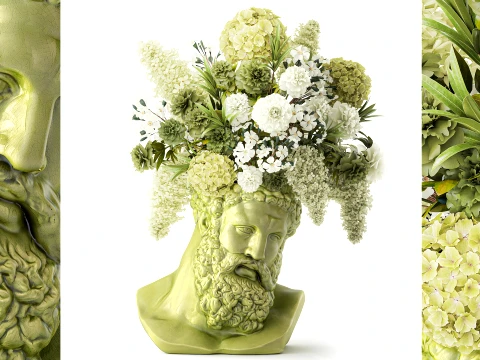 deckoratorFlowers
 deckoratorCookware Tools
 deckoratorFlowers
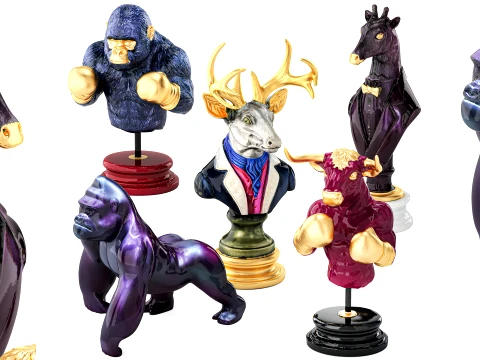 deckoratorOther
- -20%
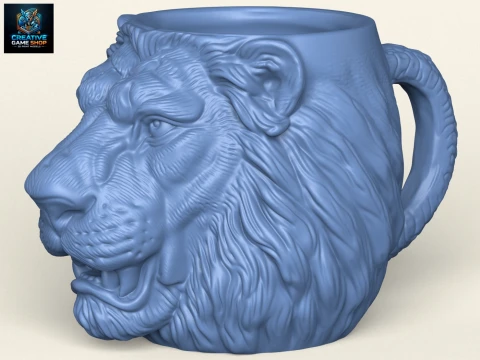 creativegameshopKitchen and Dining
 - -20%
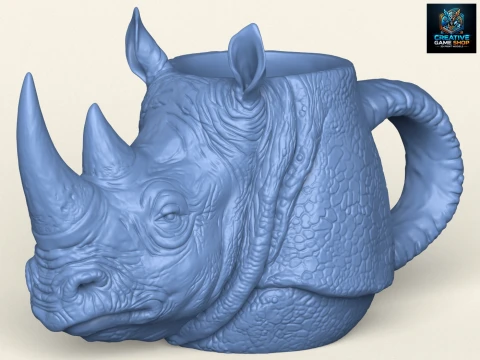 creativegameshopKitchen and Dining
 - -20%
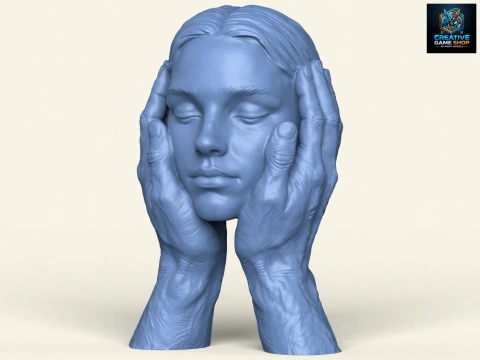 creativegameshopSculpture
  deckoratorFlowers
- -20%
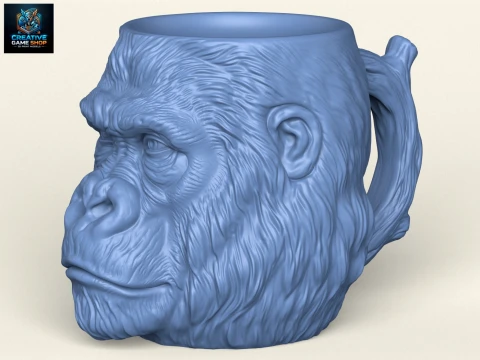 creativegameshopKitchen and Dining
 - -20%
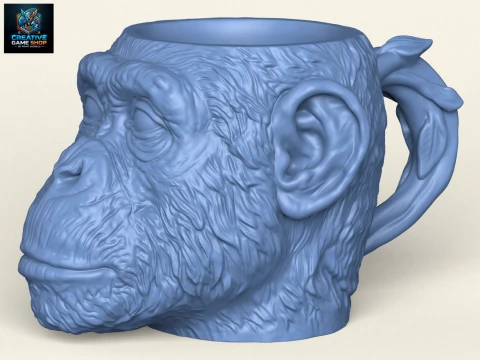 creativegameshopKitchen and Dining
 - -20%
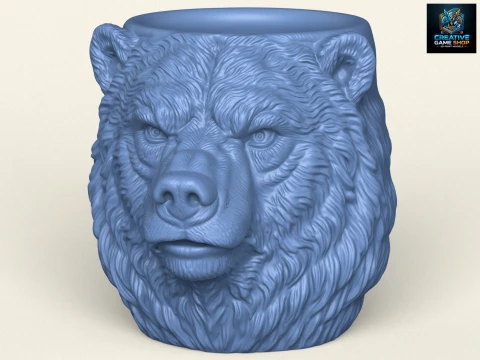 creativegameshopKitchen and Dining
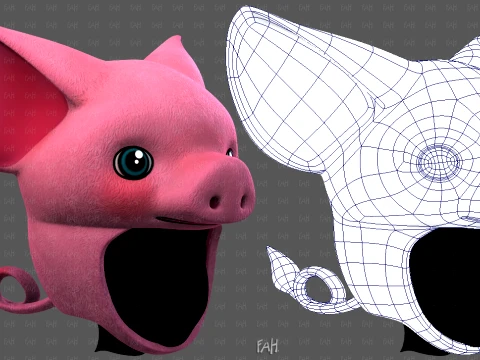
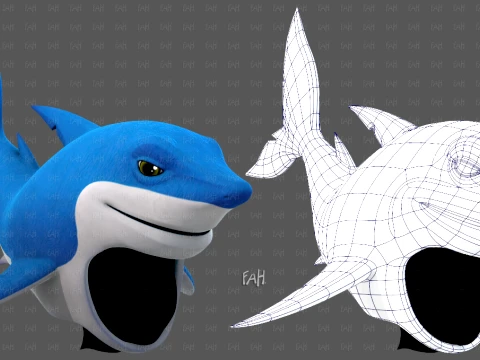
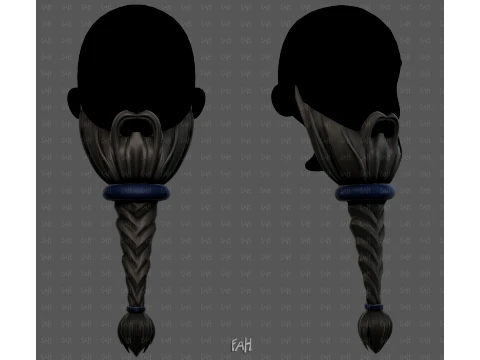
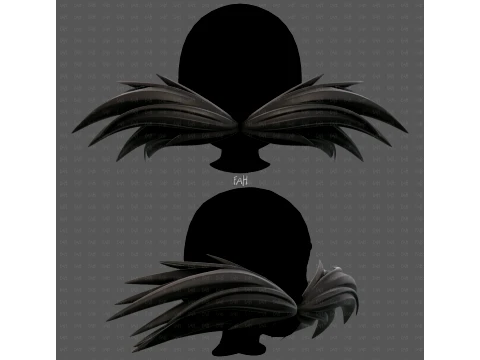
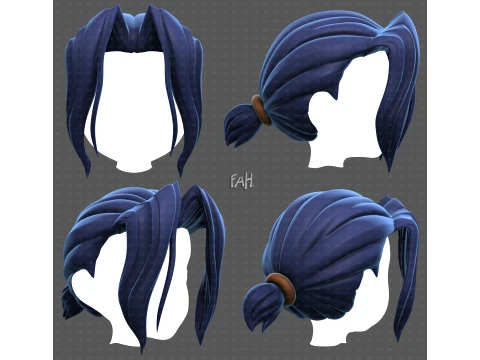


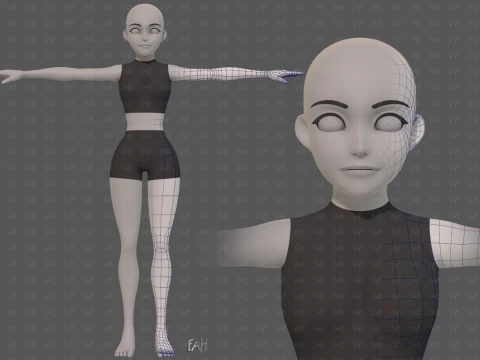
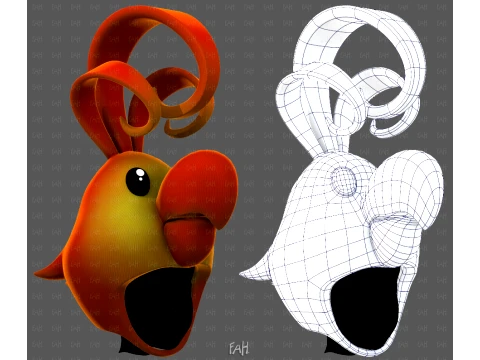
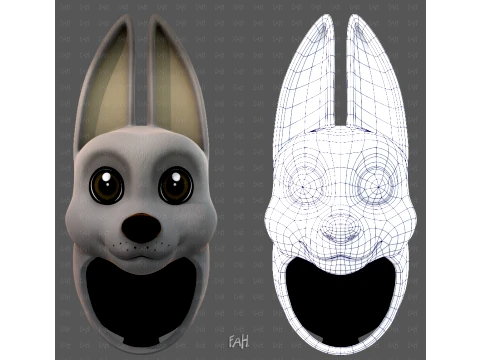
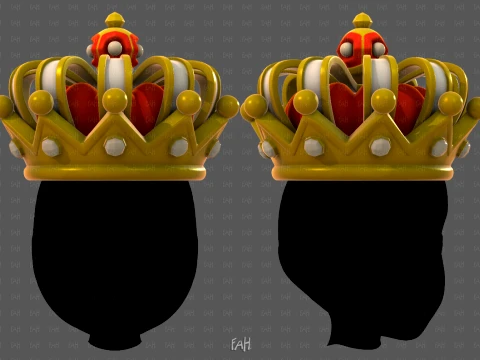
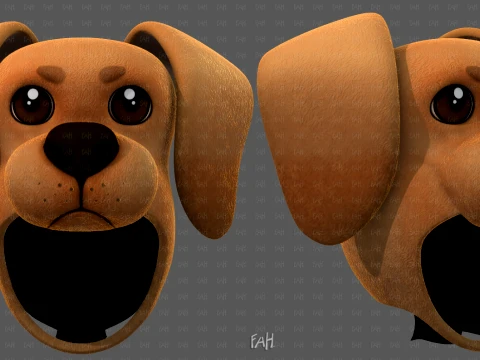
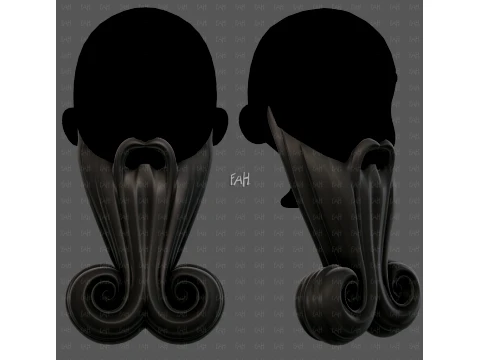
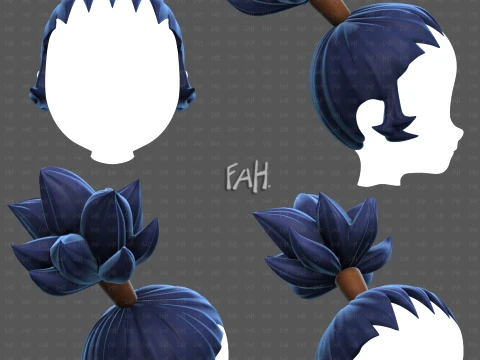





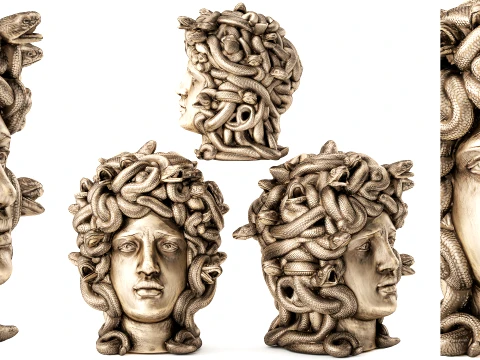
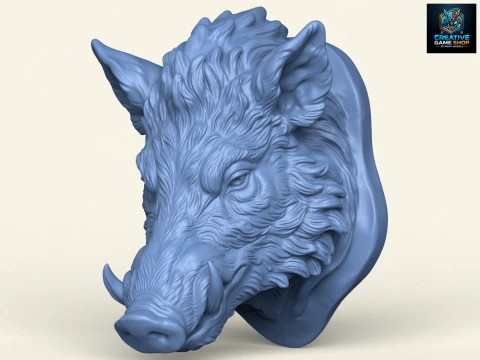
Ricerche di tendenza Modelli 3D:
Scultura Modelli 3D Caratteri Modelli 3D Cucina Modelli 3D Cavallo Modelli 3D Architectural Exteriors Modelli 3D Telefoni e Cellulari Modelli 3D Vegetali Modelli 3D Gioielli Modelli 3D Giocattoli Modelli 3D Medicinali Modelli 3D Elicotteri Modelli 3D Armi Pesanti Modelli 3D Camion Modelli 3D Anatomia Modelli 3DQ1: What's the best 3D head model for facial animation work?
For facial animation, topology is everything — and this is where a lot of cheap models fall apart. A riggable head needs edge loops that follow muscle structure: clean rings around the eyes and mouth, proper cheek topology that allows for smile deformation without pinching, and a jaw joint area with enough geometry to hinge cleanly. Dense, subdivision-ready topology around 8,000–15,000 quads is the sweet spot for film-quality work. If the model comes pre-rigged with blend shapes (FACS-based or ARKit compatible for iOS face tracking), that's significant added value — building those shapes from scratch takes days. Check if the listing mentions FACS, ARKit, or morph targets.
Q2: Are there 3D head models based on real scan data?
Yes. Photogrammetry and structured-light scans produce highly realistic head geometry used in game studios, film VFX, and medical visualization. Scan-based models typically have very high polygon counts — 500,000+ raw — and usually come with a retopologized version for practical use. The texture quality on scan-based heads is notably different from hand-painted models: subsurface scattering behaves realistically because the diffuse map actually contains real skin variation, not an artist's approximation of it. For any project requiring believable human faces — cutscene characters, digital doubles, educational anatomy — a scan-based head is worth the higher price.
Q3: Can 3D head models be used for face replacement or deepfake prevention research?
Neutral use: yes, researchers and developers working on face detection, liveness detection, and presentation attack systems legitimately need realistic 3D head models. They're used to generate synthetic training data — varied lighting conditions, angles, and skin tones — without needing human subjects. For computer vision research, models in OBJ format are most useful since they can be processed programmatically. This is a well-documented use case in biometric research. The same models that help test attack systems also help build defenses against them, which is why they're sold commercially.
Q4: How do I use a 3D head model for custom helmet or mask design?
Import the head model into your CAD or sculpting software of choice — ZBrush, Blender, or Fusion 360 for hard-surface work. Use the head as a reference mesh to build around: create a new surface offset 3–5mm from the head's surface to generate a form-fitting shell. In Blender, the Shrinkwrap modifier does this automatically. For 3D-printed masks, the critical dimensions are the interpupillary distance and nose bridge width — get those right and everything else can be adjusted. Export the final mask geometry as STL for printing. The head model itself doesn't get printed; it's the sizing reference and design substrate.