


 English
 Deutsch
 日本語
日本語 Polska
 Français
 한국의
한국의 Українська
 Italiano
 Nederlands
 Türkçe
 Português
 Bahasa Indonesia
 Русский
 中國
中國 हिंदी
हिंदी
















cabeza Modelos 3D
Tenemos 6176 artículo(s) Libre de regalías head Modelos 3D. Compre o descargue modelos 3D gratuitos para sus proyectos CG, producción de películas y videos, animación, visualizaciones, juegos, VR/AR y otros. Puede descargar cualquier modelo 3D en todos los formatos 3D populares, incluidos MAX, OBJ, FBX, 3DS, STL, C4D, BLEND, MAYA
- -50%
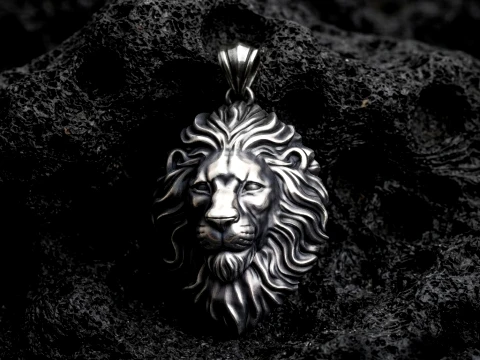 Avera3dPendants
 - -50%
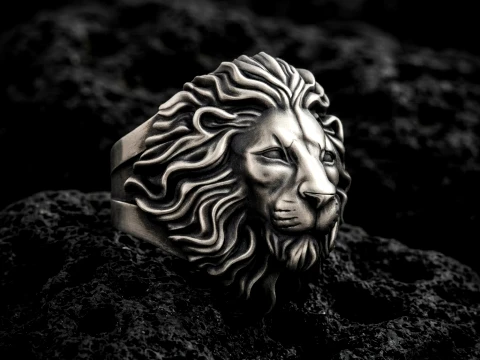 Avera3dRings
 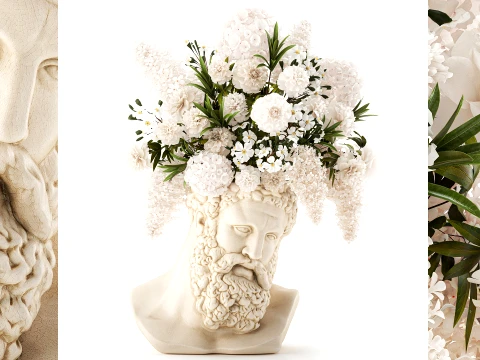 deckoratorFlowers
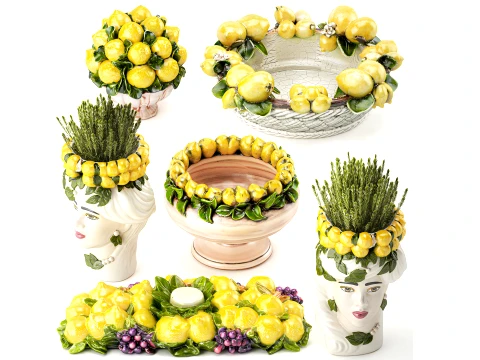 deckoratorCookware Tools
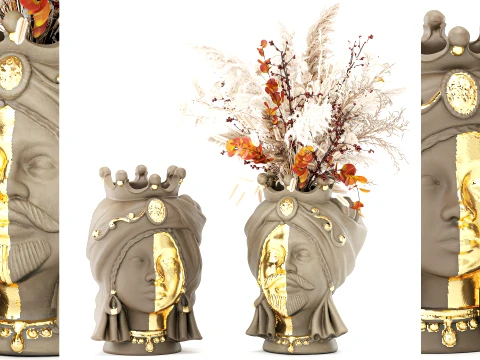 deckoratorFlowers
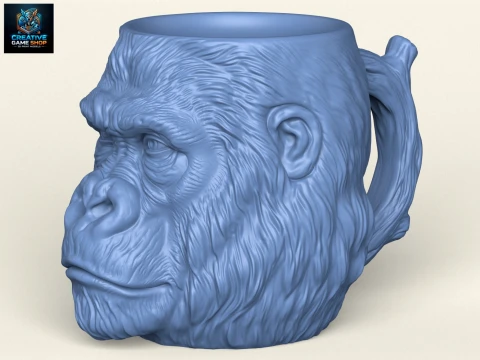 creativegameshopKitchen and Dining
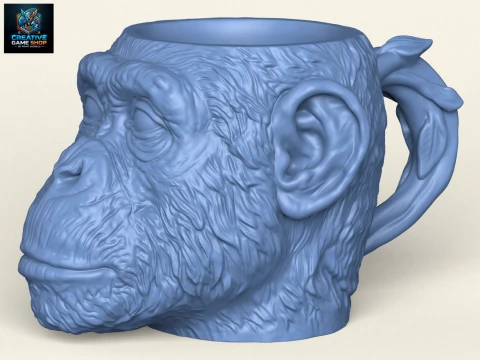 creativegameshopKitchen and Dining
- -50%
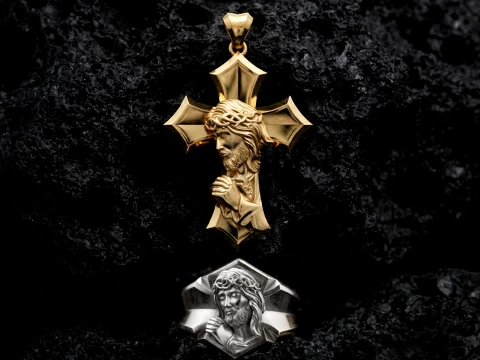 Avera3dPendants
 - -50%
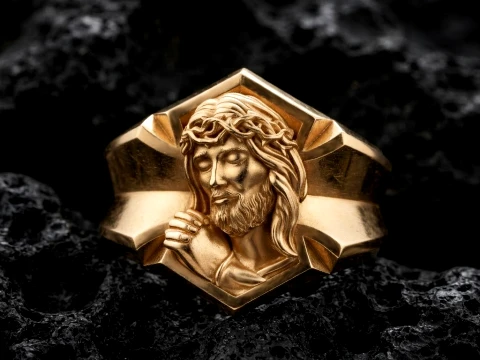 Avera3dRings
 - -50%
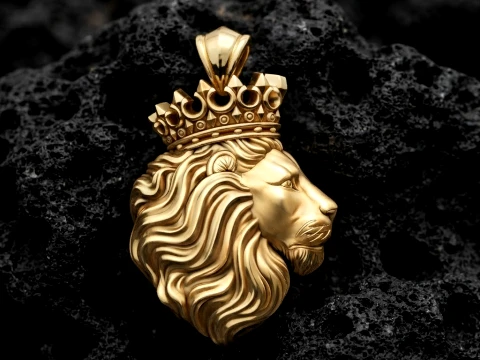 Avera3dPendants
 - -50%
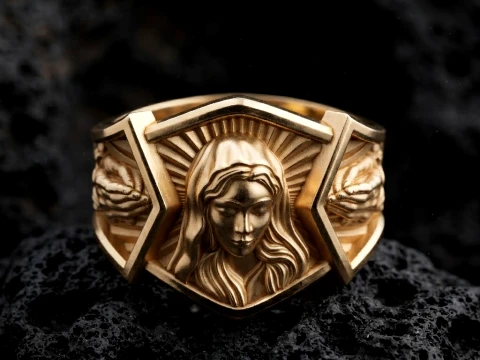 Avera3dRings
 - -50%
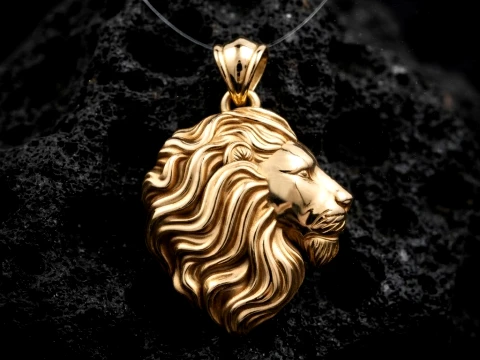 Avera3dPendants








Búsquedas de tendencias Modelos 3D:
Escultura Modelos 3D Personajes Modelos 3D Cocina Modelos 3D Caballo Modelos 3D Exteriores Modelos 3D Télefono y Móvil Modelos 3D Vegetales Modelos 3D Joyeria Modelos 3D Juguetes Modelos 3D Medicinal Modelos 3D Helicóptero Modelos 3D Armas Pesadas Modelos 3D Camión Modelos 3D Anatomía Modelos 3DP1: ¿Cuál es el mejor modelo de cabeza 3D para trabajos de animación facial?
Para la animación facial, la topología lo es todo, y aquí es donde muchos modelos baratos fallan. Una cabeza articulada necesita bucles de aristas que sigan la estructura muscular: anillos limpios alrededor de los ojos y la boca, una topología adecuada de las mejillas que permita la deformación de la sonrisa sin pellizcos, y una zona de articulación de la mandíbula con suficiente geometría para una bisagra limpia. Una topología densa y lista para la subdivisión, de entre 8000 y 15 000 cuadriláteros, es el punto óptimo para un trabajo con calidad cinematográfica. Si el modelo viene pre-articulado con formas de mezcla (basadas en FACS o compatibles con ARKit para el seguimiento facial de iOS), eso supone un valor añadido significativo; crear esas formas desde cero lleva días. Comprueba si la descripción menciona FACS, ARKit o objetivos de morphing.
P2: ¿Existen modelos 3D de cabezas basados en datos de escaneo reales?
Sí. La fotogrametría y los escaneos con luz estructurada producen geometrías de cabeza muy realistas que se utilizan en estudios de videojuegos, efectos visuales para cine y visualización médica. Los modelos basados en escaneo suelen tener un número muy elevado de polígonos (más de 500.000 en bruto) y normalmente incluyen una versión retopologizada para su uso práctico. La calidad de la textura en las cabezas basadas en escaneo es notablemente diferente a la de los modelos pintados a mano: la dispersión subsuperficial se comporta de forma realista porque el mapa difuso contiene variaciones reales de la piel, no una aproximación artística. Para cualquier proyecto que requiera rostros humanos creíbles (personajes de escenas cinemáticas, dobles digitales, anatomía educativa), una cabeza basada en escaneo justifica su precio más elevado.P3: ¿Se pueden utilizar modelos de cabeza 3D para la sustitución de rostros o la investigación para la prevención de deepfakes?
Uso neutral: sí, los investigadores y desarrolladores que trabajan en sistemas de detección facial, detección de vitalidad y ataques de presentación necesitan legítimamente modelos 3D realistas de cabezas. Se utilizan para generar datos de entrenamiento sintéticos (variadas condiciones de iluminación, ángulos y tonos de piel) sin necesidad de sujetos humanos. Para la investigación en visión artificial, los modelos en formato OBJ son los más útiles, ya que se pueden procesar mediante programación. Este es un caso de uso bien documentado en la investigación biométrica. Los mismos modelos que ayudan a probar los sistemas de ataque también ayudan a construir defensas contra ellos, razón por la cual se venden comercialmente.
P4: ¿Cómo utilizo un modelo de cabeza 3D para el diseño personalizado de cascos o máscaras?
Importa el modelo de cabeza a tu software CAD o de modelado 3D preferido: ZBrush, Blender o Fusion 360 para modelado de superficies duras. Usa la cabeza como malla de referencia para construir a su alrededor: crea una nueva superficie desplazada entre 3 y 5 mm de la superficie de la cabeza para generar una carcasa ajustada. En Blender, el modificador Shrinkwrap lo hace automáticamente. Para las máscaras impresas en 3D, las dimensiones críticas son la distancia interpupilar y el ancho del puente nasal; si las ajustas correctamente, todo lo demás se puede modificar. Exporta la geometría final de la máscara como STL para imprimir. El modelo de cabeza en sí no se imprime; es la referencia de tamaño y el sustrato de diseño.