


 English
 Español
 Deutsch
 日本語
日本語 Polska
 Français
 한국의
한국의 Українська
 Italiano
 Nederlands
 Türkçe
 Português
 Bahasa Indonesia
 Русский
 中國
中國
















सिर 3D मॉडल्स
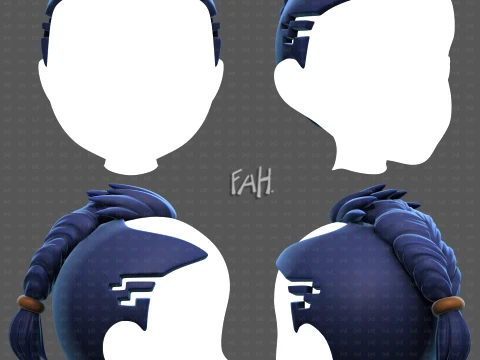
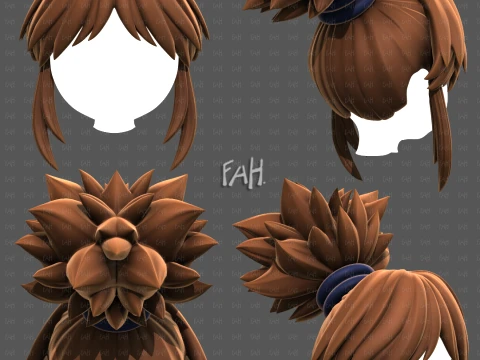
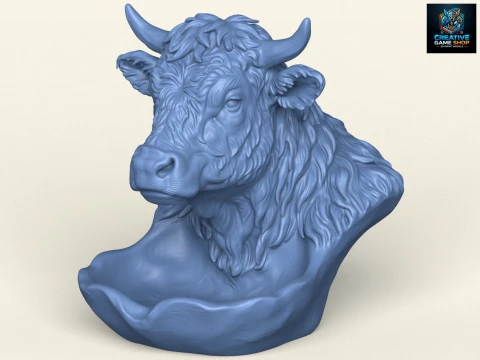
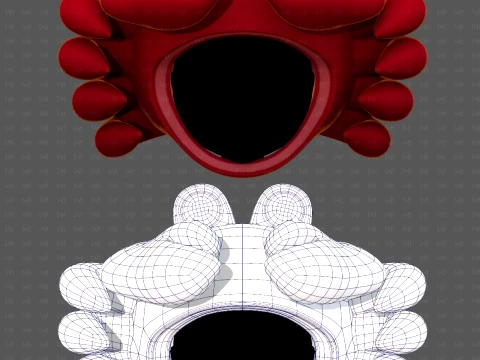
हमारे पास है 6191 आइटम रॉयल्टी फ्री head 3D मॉडल्स. अपने सीजी प्रोजेक्ट्स, फिल्म और वीडियो प्रोडक्शन, एनीमेशन, विज़ुअलाइज़ेशन, गेम्स, वीआर/एआर और अन्य के लिए मुफ्त 3डी मॉडल खरीदें या डाउनलोड करें। आप किसी भी 3डी मॉडल को सभी लोकप्रिय 3डी प्रारूपों में डाउनलोड कर सकते हैं MAX, OBJ, FBX, 3DS, STL, C4D, BLEND, MAYA
- -20%
 creativegameshopKitchen and Dining







ट्रेंडिंग सर्च 3D मॉडल्स:
मूर्तिकला 3D मॉडल्स पात्र 3D मॉडल्स किचन 3D मॉडल्स घोड़ा 3D मॉडल्स आर्किटेक्चरल एक्सटीरियर्स 3D मॉडल्स फ़ोन और सेल फ़ोन 3D मॉडल्स सब्ज़ी 3D मॉडल्स आभूषण 3D मॉडल्स खिलौने 3D मॉडल्स चिकित्सा 3D मॉडल्स हेलीकाप्टर 3D मॉडल्स भारी हथियार 3D मॉडल्स ट्रक 3D मॉडल्स एनाटॉमी 3D मॉडल्सQ1: फेशियल एनिमेशन के काम के लिए सबसे अच्छा 3D हेड मॉडल कौन सा है?
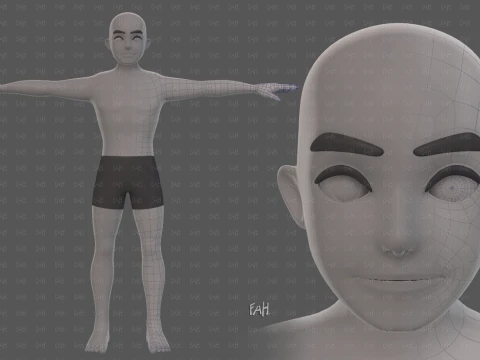
फेशियल एनिमेशन के लिए, टोपोलॉजी ही सब कुछ है — और यहीं पर बहुत सारे सस्ते मॉडल फेल हो जाते हैं। एक रिगेबल हेड को ऐसे एज लूप चाहिए जो मसल स्ट्रक्चर को फॉलो करें: आंखों और मुंह के चारों ओर साफ रिंग, सही चीक टोपोलॉजी जो बिना पिंच किए स्माइल डिफॉर्मेशन की इजाज़त दे, और जबड़े के जॉइंट एरिया में इतनी ज्योमेट्री हो कि वह साफ-सुथरा हिंज हो सके। लगभग 8,000–15,000 क्वाड्स की डेंस, सबडिविजन-रेडी टोपोलॉजी फिल्म-क्वालिटी काम के लिए सबसे अच्छी जगह है। अगर मॉडल ब्लेंड शेप्स (FACS-बेस्ड या iOS फेस ट्रैकिंग के लिए ARKit कम्पैटिबल) के साथ पहले से रिग्ड आता है, तो यह काफी एक्स्ट्रा वैल्यू है — उन शेप्स को स्क्रैच से बनाने में कई दिन लगते हैं। चेक करें कि लिस्टिंग में FACS, ARKit, या मॉर्फ टारगेट का ज़िक्र है या नहीं।
Q2: क्या असली स्कैन डेटा पर आधारित 3D हेड मॉडल हैं?
हाँ। फ़ोटोग्रामेट्री और स्ट्रक्चर्ड-लाइट स्कैन से बहुत असली जैसी हेड ज्योमेट्री बनती है, जिसका इस्तेमाल गेम स्टूडियो, फ़िल्म VFX और मेडिकल विज़ुअलाइज़ेशन में होता है। स्कैन-बेस्ड मॉडल में आमतौर पर बहुत ज़्यादा पॉलीगॉन काउंट होते हैं — 500,000+ रॉ — और आमतौर पर प्रैक्टिकल इस्तेमाल के लिए एक रीटोपोलॉज्ड वर्शन के साथ आते हैं। स्कैन-बेस्ड हेड पर टेक्सचर की क्वालिटी हाथ से पेंट किए गए मॉडल से काफ़ी अलग होती है: सबसरफ़ेस स्कैटरिंग असली जैसी दिखती है क्योंकि डिफ्यूज़ मैप में असल में असली स्किन वेरिएशन होता है, न कि किसी आर्टिस्ट का अंदाज़ा। किसी भी प्रोजेक्ट के लिए जिसमें भरोसेमंद इंसानी चेहरों की ज़रूरत होती है — कटसीन कैरेक्टर, डिजिटल डबल्स, एजुकेशनल एनाटॉमी — एक स्कैन-बेस्ड हेड ज़्यादा कीमत के लायक है।
Q3: क्या 3D हेड मॉडल का इस्तेमाल फेस रिप्लेसमेंट या डीपफेक प्रिवेंशन रिसर्च के लिए किया जा सकता है?
न्यूट्रल इस्तेमाल: हाँ, फेस डिटेक्शन, लाइवनेस डिटेक्शन और प्रेजेंटेशन अटैक सिस्टम पर काम करने वाले रिसर्चर और डेवलपर को असल में असली 3D हेड मॉडल की ज़रूरत होती है। इनका इस्तेमाल सिंथेटिक ट्रेनिंग डेटा बनाने के लिए किया जाता है — अलग-अलग लाइटिंग कंडीशन, एंगल और स्किन टोन — बिना इंसानी सब्जेक्ट की ज़रूरत के। कंप्यूटर विज़न रिसर्च के लिए, OBJ फ़ॉर्मेट में मॉडल सबसे ज़्यादा काम के होते हैं क्योंकि उन्हें प्रोग्राम के हिसाब से प्रोसेस किया जा सकता है। यह बायोमेट्रिक रिसर्च में एक अच्छी तरह से डॉक्युमेंटेड इस्तेमाल का मामला है। वही मॉडल जो अटैक सिस्टम को टेस्ट करने में मदद करते हैं, उनके खिलाफ़ बचाव बनाने में भी मदद करते हैं, इसीलिए उन्हें कमर्शियली बेचा जाता है।
Q4: मैं कस्टम हेलमेट या मास्क डिज़ाइन के लिए 3D हेड मॉडल का इस्तेमाल कैसे करूँ?
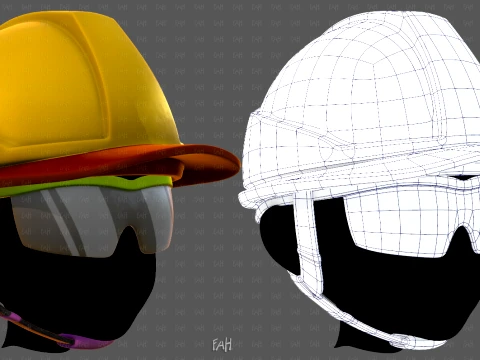
हेड मॉडल को अपनी पसंद के CAD या स्कल्पटिंग सॉफ्टवेयर में इंपोर्ट करें — हार्ड-सरफेस काम के लिए ZBrush, Blender, या Fusion 360। हेड को रेफरेंस मेश के तौर पर इस्तेमाल करें: हेड की सतह से 3–5mm की दूरी पर एक नया सरफेस ऑफसेट बनाएं ताकि एक फॉर्म-फिटिंग शेल बन सके। Blender में, Shrinkwrap मॉडिफायर यह अपने आप करता है। 3D-प्रिंटेड मास्क के लिए, ज़रूरी डाइमेंशन इंटरप्यूपिलरी दूरी और नोज़ ब्रिज की चौड़ाई हैं — इन्हें सही कर लें और बाकी सब कुछ एडजस्ट किया जा सकता है। प्रिंटिंग के लिए फाइनल मास्क ज्योमेट्री को STL के रूप में एक्सपोर्ट करें। हेड मॉडल खुद प्रिंट नहीं होता; यह साइज़िंग रेफरेंस और डिज़ाइन सबस्ट्रेट है।