
 English
 Türkçe
















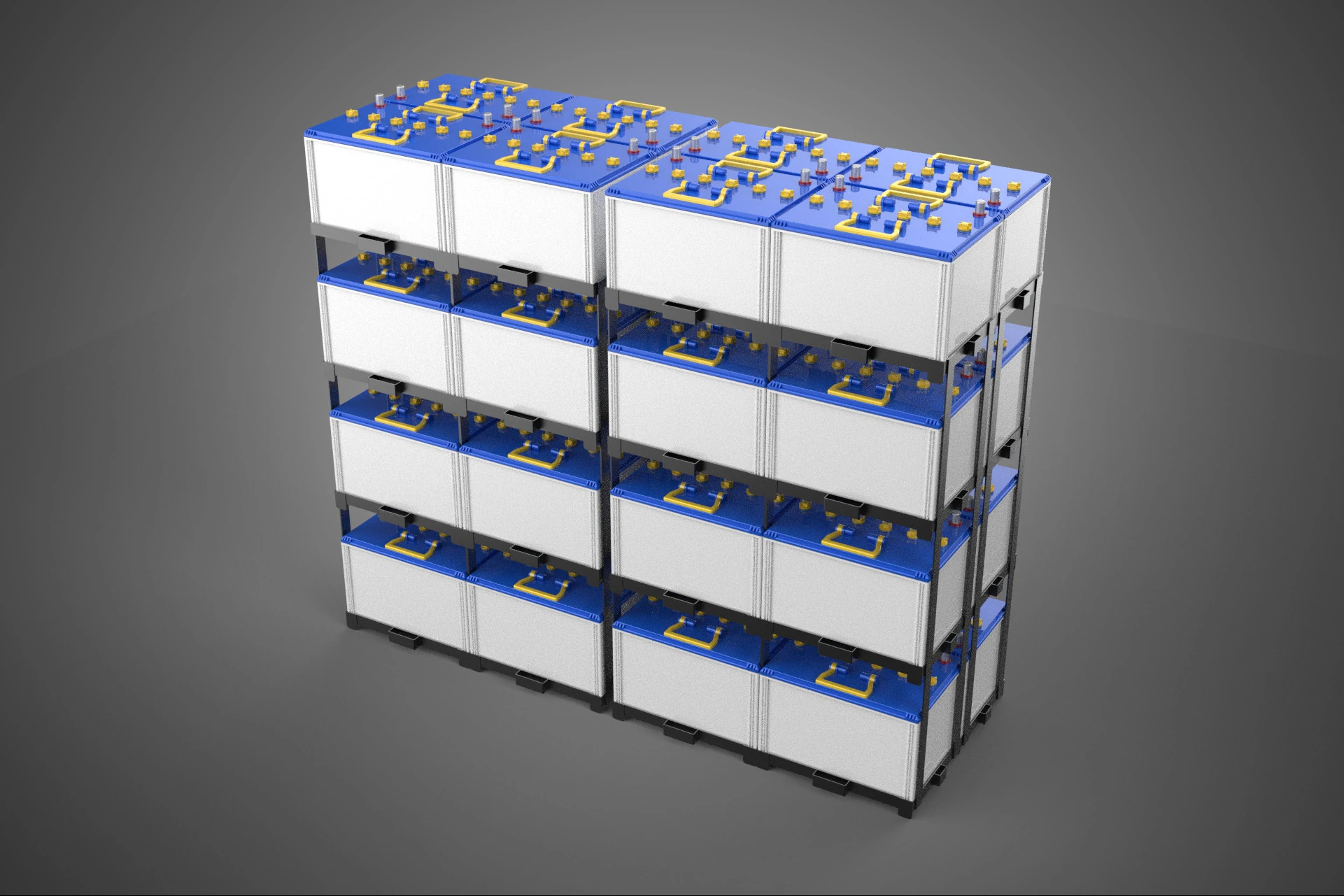
UPS GRANDE BANCO DE ENERGÍA BATERÍAS DE SUMINISTRO ACCU ENERGÍA DE RESPALDO DE BATERÍA Modelo 3D


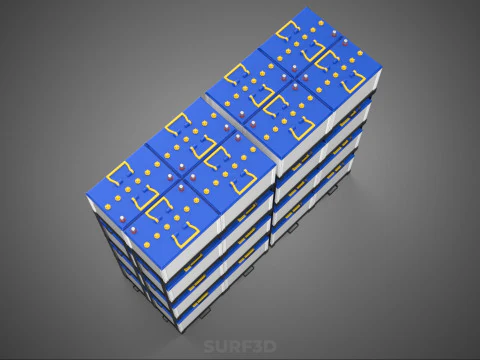
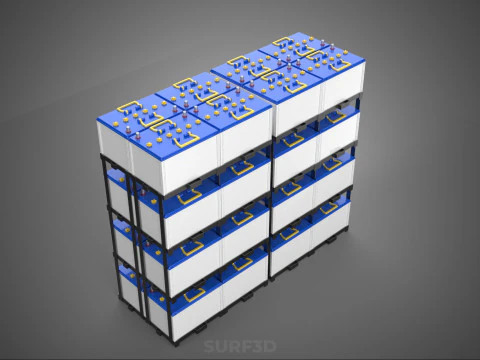
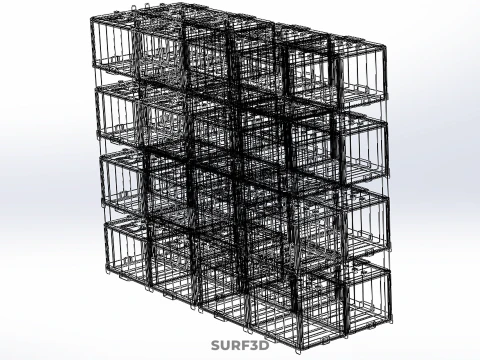

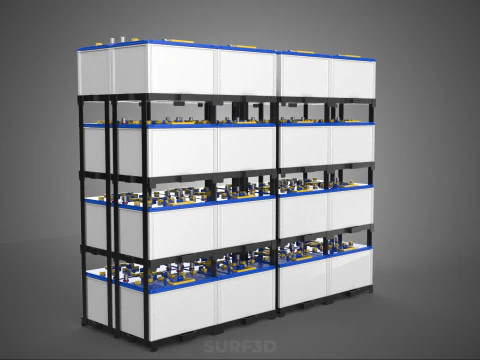
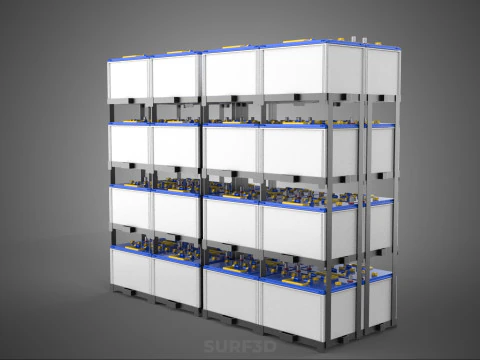
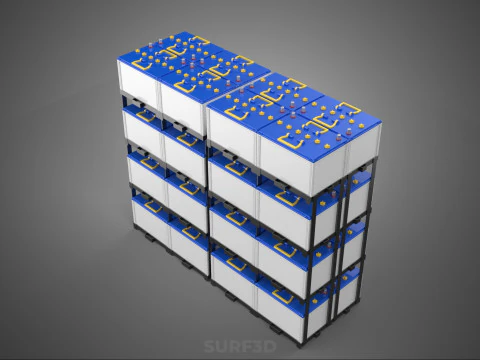


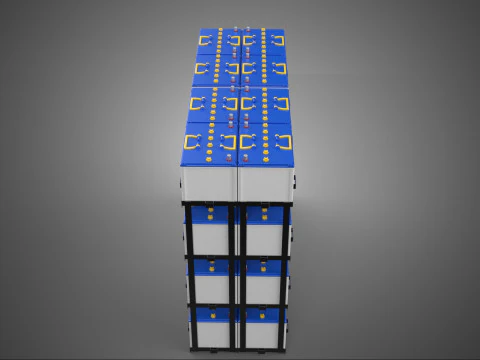
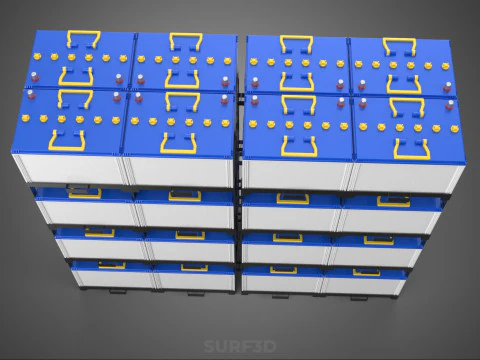

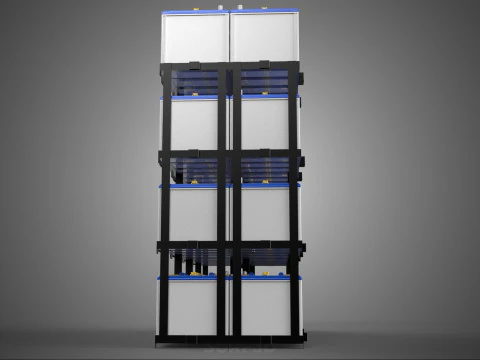


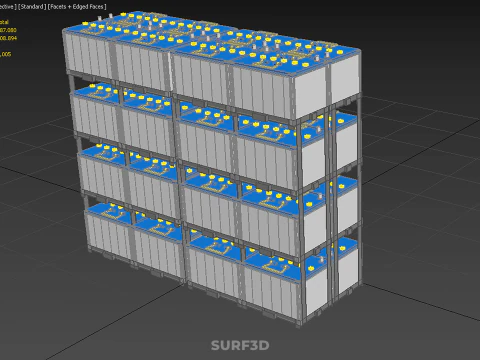


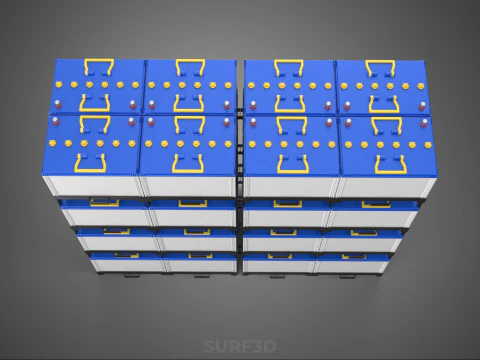
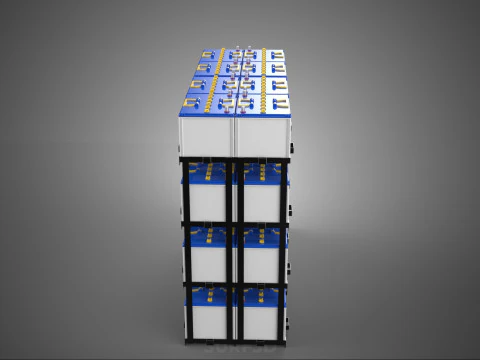


- Solicitar soporte de producto


- Formatos disponibles:
- ID de artículo:623821
- Fecha: 2026-01-18
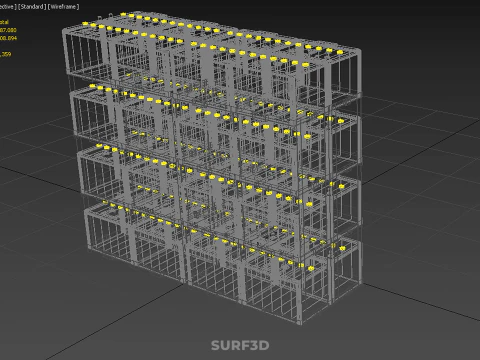
- Polígonos:787080
- Vértices:708894
- Animados:No
- Texturas:No
- Articulados:No
- Materiales:
- Low-poly:No
- Colección:No
- Mapas UVW:No
- Plugins Usados:No
- Listo para Imprimir:No
- 3D Scan:No
- Para adultos:No
- PBR:No
- AI Capacitación:No
- Geometría:Poly NURBS
- Desenvolver UVs:Unknown
- Vistas:433
Descripción
High-quality 3D assets at affordable prices — trusted by designers, engineers, and creators worldwide. Made with care to be versatile, accessible, and ready for your pipeline.
Included File Formats
This model is provided in 14 widely supported formats, ensuring maximum compatibility:
• - FBX (.fbx) – Standard format for most 3D software and pipelines
• - OBJ + MTL (.obj, .mtl) – Wavefront format, widely used and compatible
• - STL (.stl) – Exported mesh geometry; may be suitable for 3D printing with adjustments
• - STEP (.step, .stp) – CAD format using NURBS surfaces
• - IGES (.iges, .igs) – Common format for CAD/CAM and engineering workflows (NURBS)
• - SAT (.sat) – ACIS solid model format (NURBS)
• - DAE (.dae) – Collada format for 3D applications and animations
• - glTF (.glb) – Modern, lightweight format for web, AR, and real-time engines
• - 3DS (.3ds) – Legacy format with broad software support
• - 3ds Max (.max) – Provided for 3ds Max users
• - Blender (.blend) – Provided for Blender users
• - SketchUp (.skp) – Compatible with all SketchUp versions
• - AutoCAD (.dwg) – Suitable for technical and architectural workflows
• - Rhino (.3dm) – Provided for Rhino users
Model Info
• - All files are checked and tested for integrity and correct content
• - Geometry uses real-world scale; model resolution varies depending on the product (high or low poly)
• • - Scene setup and mesh structure may vary depending on model complexity
• - Rendered using Luxion KeyShot
• - Affordable price with professional detailing
Buy with confidence. Quality and compatibility guaranteed.
If you have any questions about the file formats, feel free to send us a message — we're happy to assist you!
Sincerely,
SURF3D
Trusted source for professional and affordable 3D models.
More Information About 3D Model :
**High-Capacity Uninterruptible Power Supply (UPS) and Integrated Battery Backup Systems**
The designation "Large UPS Power Bank Supply Batteries Accu Battery Backup Energy" refers to a category of advanced energy storage systems characterized by high energy capacity and the inclusion of true Uninterruptible Power Supply (UPS) functionality. These systems bridge the operational gap between traditional, short-duration consumer UPS units and industrial grid-scale energy storage solutions, often employing sophisticated battery chemistries to ensure extended runtime and reliable power conditioning. They are designed primarily for applications demanding instantaneous switchover capability paired with significant energy autonomy.
***
### Nomenclature and Definition
The terminology associated with these devices often involves a conflation of functions:
1. **UPS (Uninterruptible Power Supply):** Defines the core mechanism—the provision of continuous electrical power to a load when the primary source of power fails. Crucially, UPS functionality implies switchover times measured in milliseconds (or zero delay in true online systems), protecting sensitive electronics from sags, surges, and blackouts.
2. **Large Capacity/Energy Density:** The term "Large" denotes systems providing energy autonomy measured in the kilowatt-hour (kWh) range, significantly exceeding the typical watt-hour (Wh) ratings of conventional consumer power banks.
3. **Power Bank/Supply:** Implies a highly efficient, often portable or modular architecture, primarily utilizing stored direct current (DC) energy, which is then converted via an inverter to alternating current (AC) suitable for household or professional loads.
4. **Accu/Battery:** Refers to the rechargeable energy storage medium, or accumulator (Accu). Modern high-capacity systems primarily employ advanced Lithium-ion chemistries, such as Lithium Iron Phosphate (LiFePO4), replacing traditional Valve-Regulated Lead-Acid (VRLA) batteries due to superior cycle life, higher energy density, and reduced maintenance requirements.
***
### Technical Architecture and Components
High-capacity UPS battery backup systems are complex integrated units typically comprising four primary subsystems:
#### 1. Battery Modules
These modules constitute the core energy reservoir. LiFePO4 chemistry is preferred for large-scale UPS integration due to its thermal stability and extended operational lifespan (measured in thousands of charge/discharge cycles). A critical element is the integrated **Battery Management System (BMS)**, which monitors cell voltage, temperature, current, and state-of-charge, ensuring safe operation and optimizing longevity through cell balancing.
#### 2. Inverter/Charger Unit
This subsystem manages the dual flow of energy. The **Inverter** converts stored DC power from the batteries into standardized AC power for the connected load. The **Charger** rectifies incoming utility AC power back into DC to replenish the battery reserve.
#### 3. UPS Topology
The integration of true UPS architecture determines performance:
* **Online (Double Conversion):** The load is continuously isolated and powered by the inverter, which is itself powered by the incoming utility line (or the battery if the line fails). This topology provides the highest level of power conditioning, ensuring zero transfer time upon failure, essential for highly sensitive equipment.
* **Line-Interactive:** The inverter is typically idle but activates rapidly upon power failure. This topology is often used in large consumer power banks to improve energy efficiency, though it introduces a brief (yet fast) transfer time.
#### 4. Control and Monitoring Interface
These systems feature robust monitoring capabilities, often including remote connectivity (Ethernet, Wi-Fi) to report operational status, energy throughput, fault codes, and runtime estimates.
***
### Applications
The robust nature and high capacity of these systems make them indispensable for critical loads requiring both quality power and substantial autonomy:
1. **Critical Infrastructure:** Powering telecommunications nodes, servers, and network equipment in locations prone to grid instability, providing runtimes often exceeding the capabilities of standardized short-duration data center UPS units.
2. **Medical and Laboratory Settings:** Ensuring the continuous operation of sensitive diagnostic equipment, life support systems, and cold storage units where even momentary power interruption is unacceptable.
3. **High-End Residential and Small Business Backup:** Providing whole-home or selective circuit backup, functioning as a silent, immediate alternative to traditional fossil-fuel generators.
4. **Field Operations and Mobile Broadcasting:** Offering high-power, quiet, and emission-free energy sources for remote professional applications where fuel transport or noise pollution is prohibitive.
***
### Advantages Over Conventional Backup Systems
Large UPS power bank systems offer distinct advantages over alternative backup methods:
* **Instantaneous Power Delivery:** Unlike standby generators, which require activation time (often several seconds), the UPS function ensures seamless, immediate power transfer.
* **Power Conditioning:** They actively regulate voltage and frequency, protecting electronics from harmonics and transients common in utility power or generator output.
* **Reduced Maintenance and Emissions:** Utilizing solid-state battery technology eliminates the need for refueling, reduces mechanical wear, and produces zero localized emissions during operation.
***
KEYWORDS: Uninterruptible Power Supply, UPS, Battery Backup, Energy Storage System, ESS, High Capacity, LiFePO4, Lithium-ion, Power Conditioning, Critical Load, Energy Autonomy, Inverter, Charger, Accu, Accumulator, Battery Management System, BMS, Data Center Backup, Residential Backup, Modular Power, Zero Transfer Time, Online Topology, Line-Interactive, VRLA replacement, Remote Power Supply, KwH Storage, Standby Power, Grid Resilience, Power Bank, Energy Density, Continuous Power.
¿Necesita más formatos?
Si precisa un formato distinto, por favor, abra una consulta de Soporte y solicítelo. Podemos convertir modelos 3D a: .stl, .c4d, .obj, .fbx, .ma/.mb, .3ds, .3dm, .dxf/.dwg, .max. .blend, .skp, .glb. Conversión de formato libreNosotros no convertimos escenas 3d y formatos como .step, .iges, .stp, .sldprt.!
Información de uso
UPS GRANDE BANCO DE ENERGÍA BATERÍAS DE SUMINISTRO ACCU ENERGÍA DE RESPALDO DE BATERÍA - Puede usar este modelo 3D libre de regalías tanto para fines personales como comerciales, de acuerdo con la Licencia Básica o Extendida.La Licencia Básica cubre la mayoría de los casos de uso estándar, incluyendo anuncios digitales, proyectos de diseño y visualización, cuentas empresariales en redes sociales, aplicaciones nativas, aplicaciones web, videojuegos y productos finales físicos o digitales (tanto gratuitos como comerciales).
La Licencia Extendida incluye todos los derechos otorgados bajo la Licencia Básica, sin limitaciones de uso, y permite que el modelo 3D se use en un número ilimitado de proyectos comerciales bajo las condiciones de la Licencia Libre de Regalías.
Leer más
¿Garantizáis la Devolución de Dinero?
Si. Si compras un producto y encuentras errores de rendimiento o descripción, intentaremos solucionar el problema lo antes posible. Si no lo logramos, cancelaremos tu pedido y tu dinero será devuelto en 24h, desde que el producto fué descargado. Lea más condiciones aquíPalabras clave