


 English
 Deutsch
 日本語
日本語 Polska
 Français
 한국의
한국의 Українська
 Italiano
 Nederlands
 Türkçe
 Português
 Bahasa Indonesia
 Русский
 中國
中國 हिंदी
हिंदी
















corazón Modelos 3D
Tenemos 2271 artículo(s) Libre de regalías heart Modelos 3D. Compre o descargue modelos 3D gratuitos para sus proyectos CG, producción de películas y videos, animación, visualizaciones, juegos, VR/AR y otros. Puede descargar cualquier modelo 3D en todos los formatos 3D populares, incluidos MAX, OBJ, FBX, 3DS, STL, C4D, BLEND, MAYA
- -50%
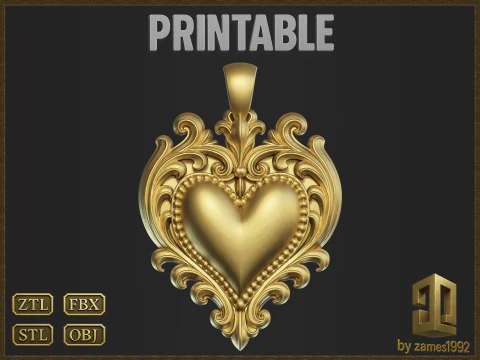
 Avera3dPendants
 - -50%
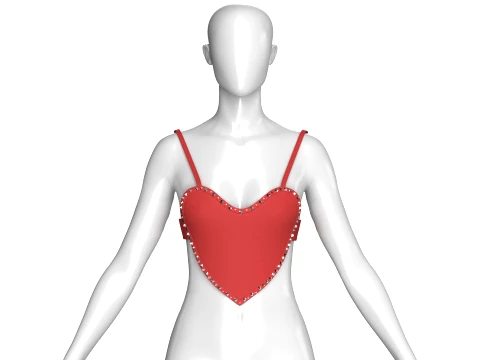
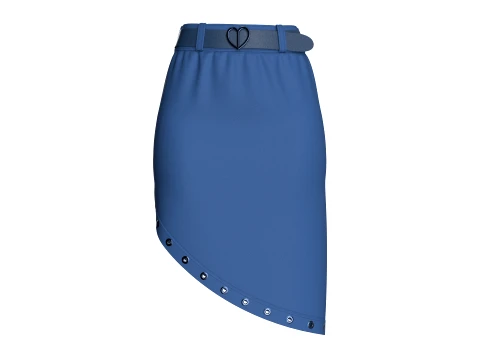 clothingaxisClothing
 - -50%
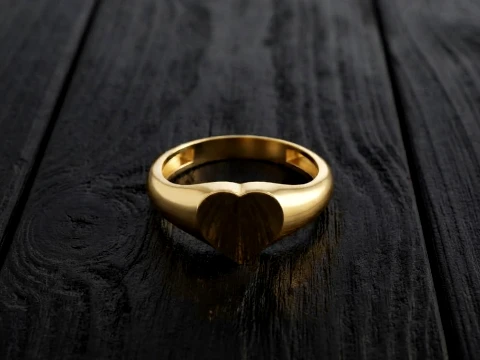
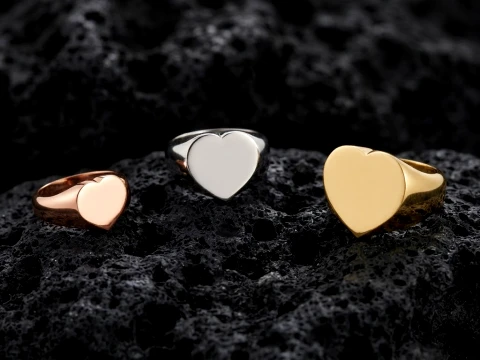 Avera3dRings
 - -50%
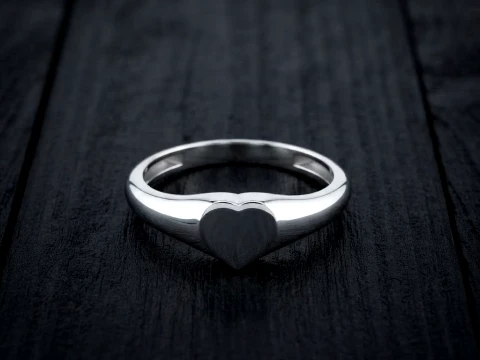
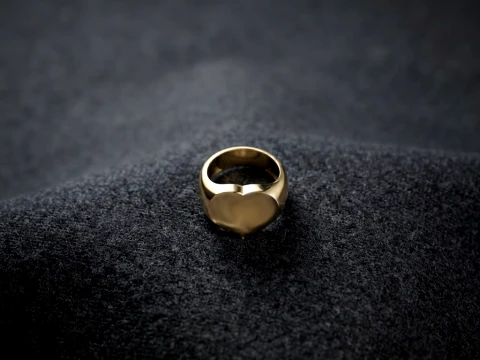 Avera3dRings
 - -50%
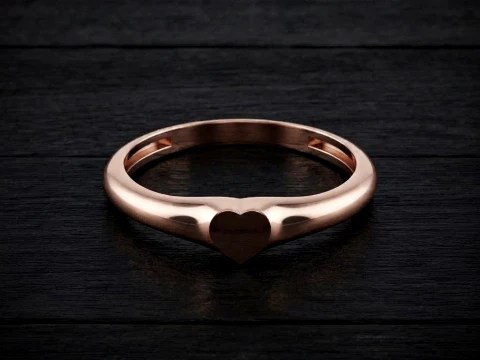
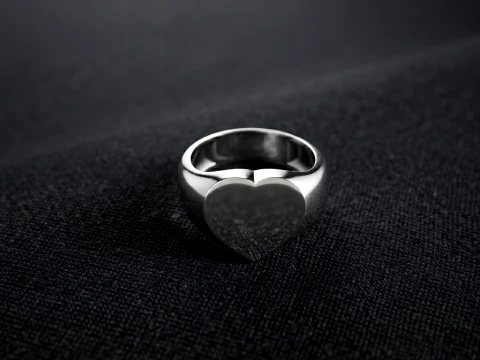 Avera3dRings
 - -50%
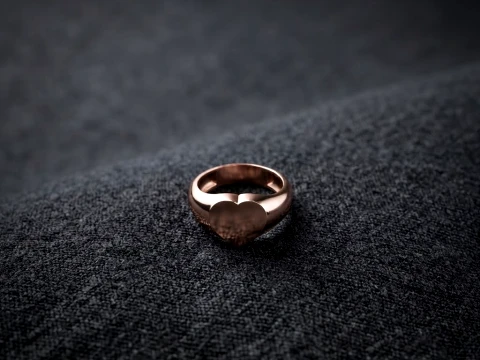 Avera3dRings
 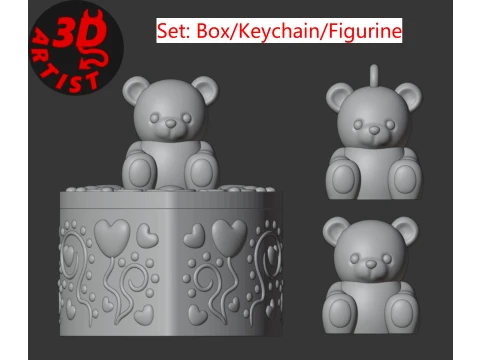 Devils3DArtistDecor
- -50%
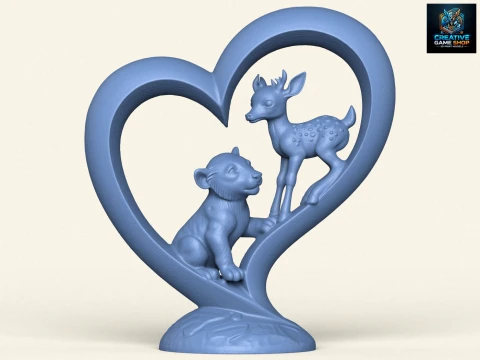 creativegameshopSculpture
  Devils3DArtistDecor
- -50%
 SillyToysMonsters and Creatures
 - -50%
 3dgardenplantsGrass and Ground Cover
 - -50%
 3dgardenplantsGrass and Ground Cover
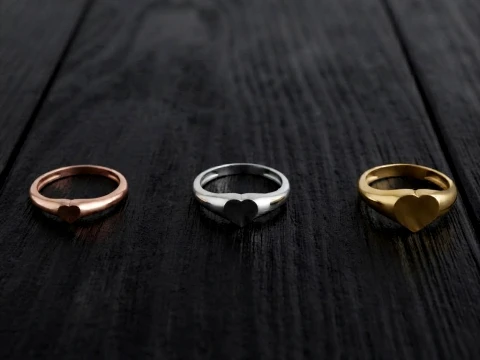
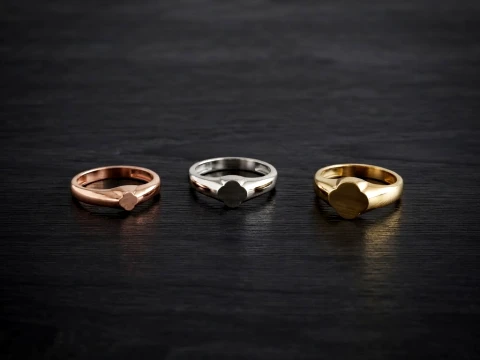
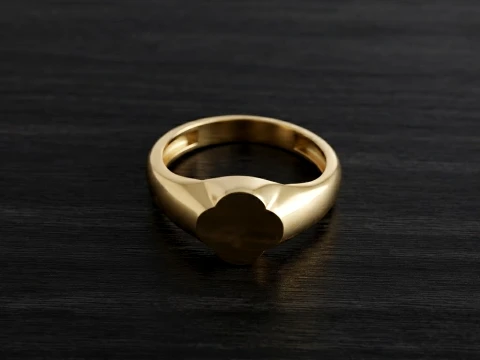
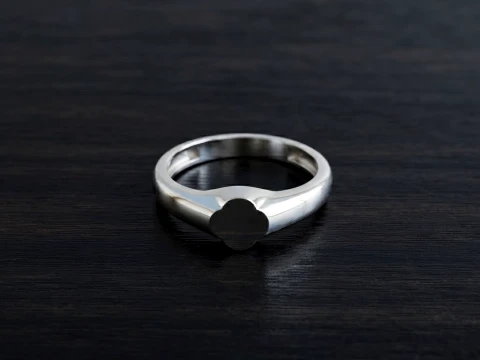
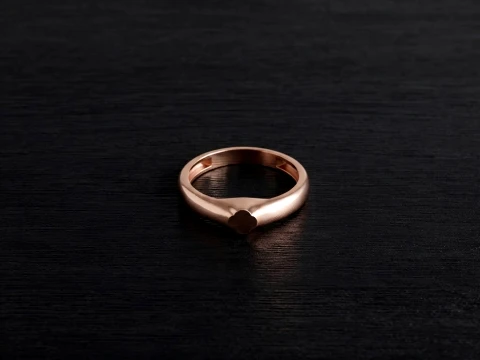



















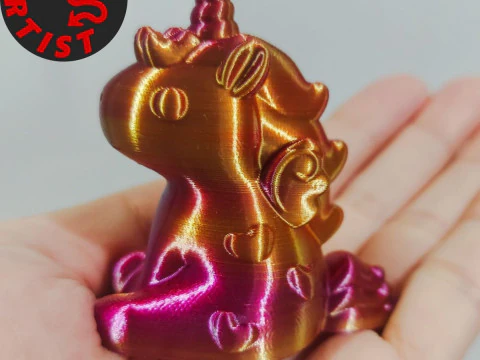
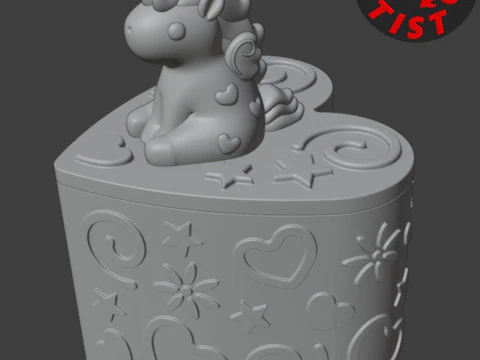
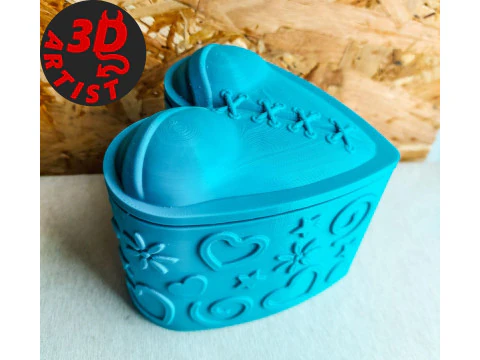
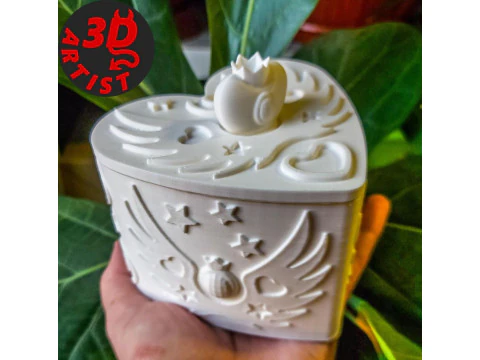
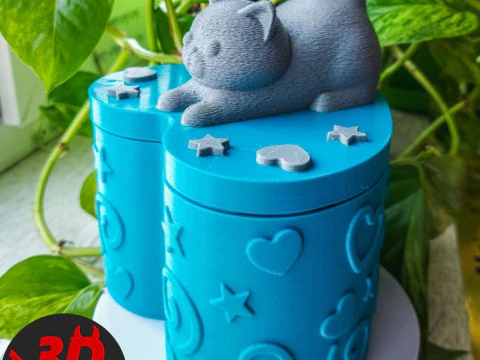

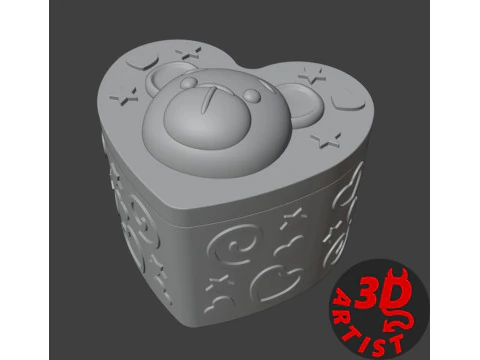


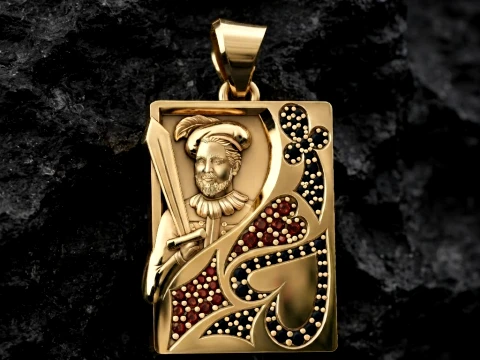
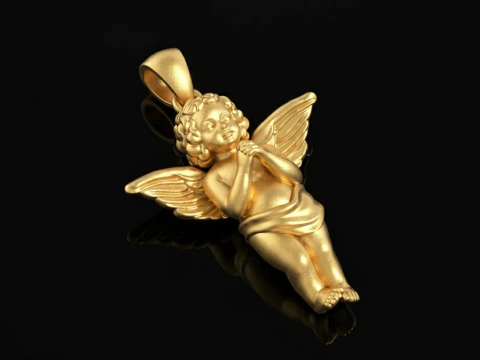





Búsquedas de tendencias Modelos 3D:
Escultura Modelos 3D Personajes Modelos 3D Cocina Modelos 3D Caballo Modelos 3D Exteriores Modelos 3D Télefono y Móvil Modelos 3D Vegetales Modelos 3D Joyeria Modelos 3D Juguetes Modelos 3D Medicinal Modelos 3D Helicóptero Modelos 3D Armas Pesadas Modelos 3D Camión Modelos 3D Anatomía Modelos 3DP1: ¿Cuál es la diferencia entre un modelo 3D de corazón estilizado y uno anatómico?
Día y noche, tanto en propósito como en construcción. Un corazón estilizado —la clásica forma de San Valentín— es una forma geométrica simple útil para elementos de interfaz de usuario, animaciones de logotipos y elementos decorativos. La geometría es mínima, a menudo con menos de 2000 polígonos. Un corazón anatómico es un proyecto completamente diferente: cuatro cámaras (aurículas y ventrículos izquierdo y derecho), aorta, arteria pulmonar, vena cava y vasos coronarios, cada uno con las proporciones correctas. Los modelos anatómicos creados a partir de datos de resonancia magnética tienen una textura de miocardio realista y pueden utilizarse para visualización quirúrgica o educación médica. Estos se venden en categorías separadas, pero a veces aparecen en la misma búsqueda; lea la descripción antes de comprar.
P2: ¿Son los modelos 3D anatómicos del corazón lo suficientemente precisos para la enseñanza de la medicina?
Los mejores modelos son... Busque modelos que especifiquen su fuente de referencia, idealmente basados en tomografías computarizadas o resonancias magnéticas, o modelados con la revisión de un cardiólogo. Indicadores clave de precisión: la pared del ventrículo izquierdo debe ser notablemente más gruesa que la del derecho (aproximadamente 8-12 mm frente a 3-5 mm), la válvula aórtica debe mostrar tres cúspides y los vasos coronarios deben seguir trayectorias anatómicamente correctas a través de la superficie epicárdica. Para software de anatomía interactivo o presentaciones para estudiantes, los modelos con capas separadas para las cámaras, válvulas y vasos permiten a los instructores eliminar y mostrar componentes progresivamente. Esta técnica de enseñanza es significativamente más efectiva que los diagramas estáticos.P3: ¿Se puede imprimir en 3D un modelo 3D de un corazón para la formación médica?
Sí, los modelos cardíacos impresos en 3D se utilizan en la planificación y el entrenamiento quirúrgico. Para la impresión, el modelo debe ser hermético y estar a la escala adecuada: un corazón humano adulto mide aproximadamente 12 cm de alto y 9 cm de ancho. Para la planificación quirúrgica específica del paciente, los datos DICOM de la TC se segmentan en geometría imprimible mediante software como 3D Slicer o Materialise Mimics, y luego se imprimen en TPU flexible para una mejor sensación táctil. Los modelos de 3DExport no son específicos para cada paciente, pero son útiles como material didáctico anatómico. Imprima en PLA con un relleno del 100 % para modelos rígidos de exhibición; filamento flexible (TPU 95A) para modelos que se puedan manipular.P4: ¿Cómo animo un latido cardíaco usando un modelo 3D de corazón?
En Blender, usa una combinación de fotogramas clave de forma y un rig simple. Crea dos fotogramas clave de forma: uno para la sístole (contracción, menor volumen) y otro para la diástole (expansión, mayor volumen). Anima la influencia del fotograma clave de forma de la sístole en una curva que imite un ciclo cardíaco: una contracción brusca (0,1–0,15 segundos) seguida de una relajación más lenta (0,3–0,4 segundos) a una frecuencia de 60–80 lpm. Para un movimiento cardíaco realista, el ápice del corazón gira ligeramente durante la contracción (rotación apical); añade un fotograma clave de rotación sutil en el eje Z para capturar esto. Si el modelo tiene geometría auricular y ventricular separada, puedes desfasar la sincronización de la animación: las aurículas se contraen primero, luego los ventrículos, con un retraso de 0,1 segundos entre ellas.