


 English
 Español
 Deutsch
 Polska
 Français
 한국의
한국의 Українська
 Italiano
 Nederlands
 Türkçe
 Português
 Bahasa Indonesia
 Русский
 中國
中國 हिंदी
हिंदी
















心臓 3Dモデル
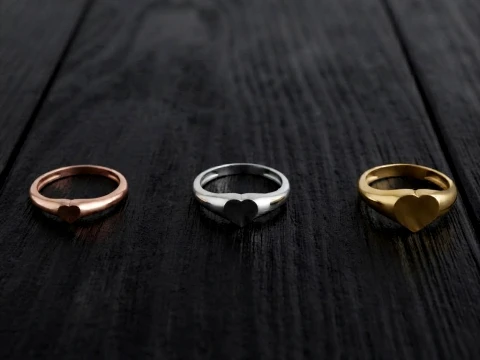
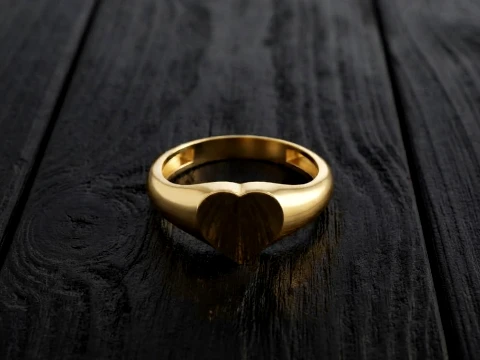
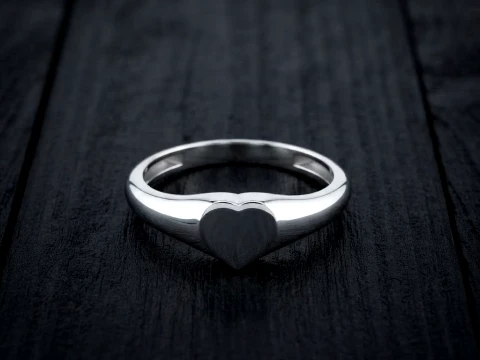
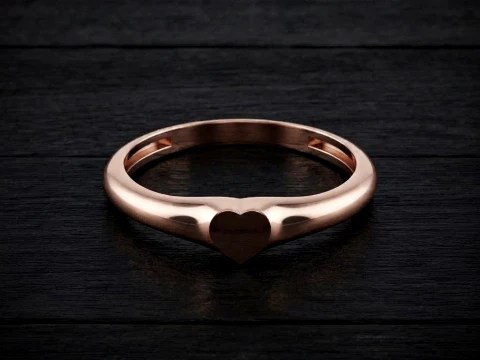
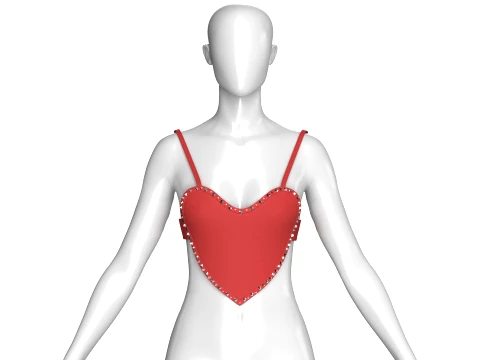
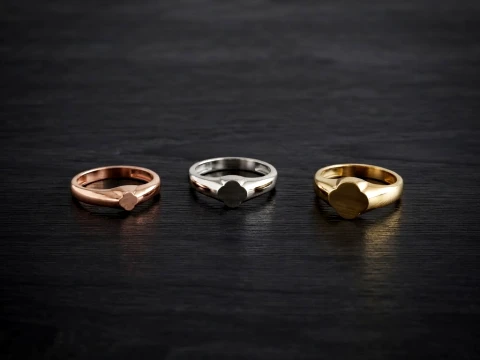
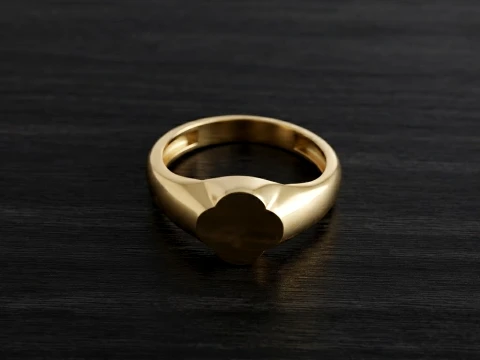
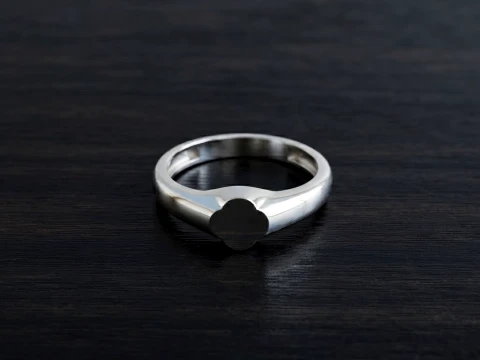
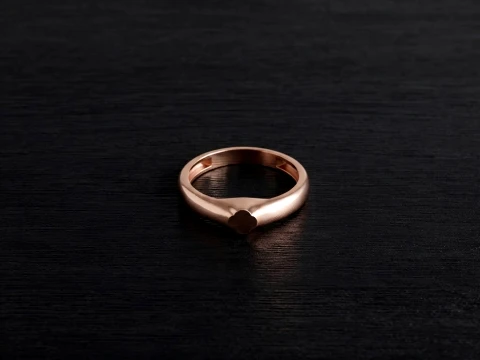
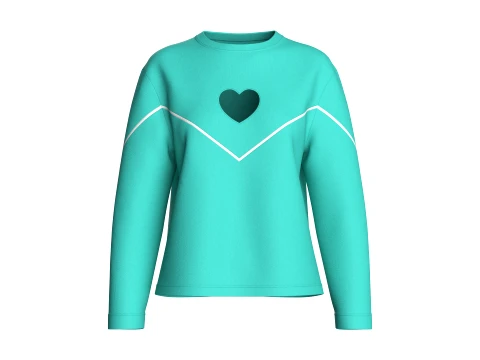
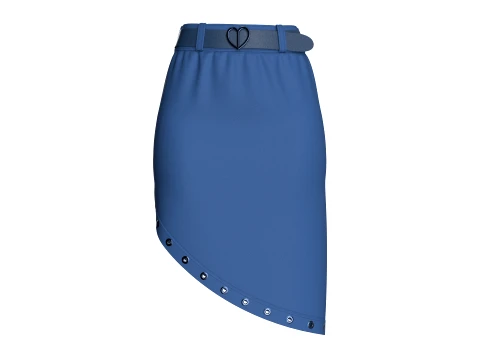
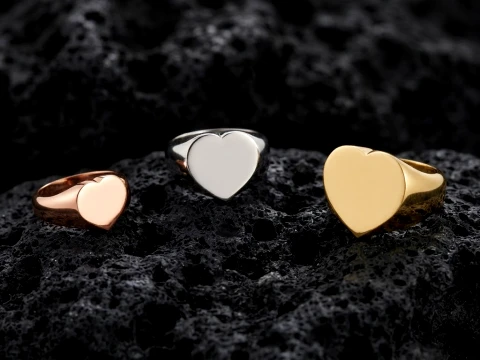
あります 2303アイテム ロイヤリティフリー heart 3Dモデル. CG プロジェクト、映画やビデオ制作、アニメーション、ビジュアライゼーション、ゲーム、VR/AR などのために無料の 3D モデルを購入またはダウンロードできます。 以下を含むすべての一般的な 3D 形式で 3D モデルをダウンロードできます。 MAX, OBJ, FBX, 3DS, STL, C4D, BLEND, MAYA






























トレンド検索 3Dモデル:
彫刻 3Dモデル 特徴 3Dモデル 台所 3Dモデル 馬 3Dモデル 外装 3Dモデル 電話と携帯電話 3Dモデル 野菜 3Dモデル ジュエリー 3Dモデル 人形 3Dモデル 医療の 3Dモデル ヘリコプター 3Dモデル 重い武器 3Dモデル トラック 3Dモデル 骨格 3DモデルQ1:様式化された心臓3Dモデルと解剖学的心臓3Dモデルの違いは何ですか?
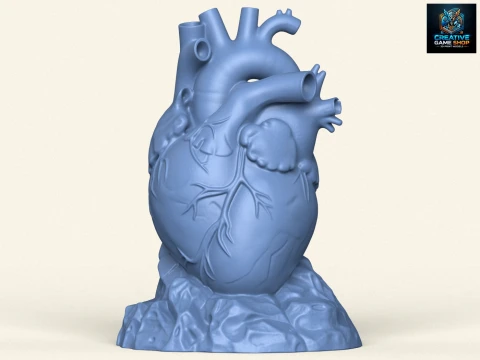
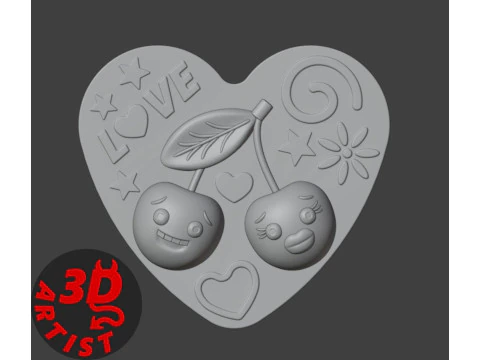
目的と構造の両面において、昼と夜ほどの違いがあります。様式化されたハート(バレンタインデーの定番の形)は、UI要素、ロゴアニメーション、装飾小道具などに役立つシンプルな幾何学的形状です。ジオメトリは最小限で、ポリゴン数は2,000以下であることがほとんどです。一方、解剖学的な心臓は全く異なるプロジェクトです。4つの腔(左心房と右心室)、大動脈、肺動脈、大静脈、冠状血管など、それぞれが正しい比率で配置されています。MRIデータから構築された解剖学的モデルは、リアルな心筋の質感を持ち、手術時の視覚化や医学教育に使用できます。これらは別々のカテゴリで販売されていますが、同じ検索結果に表示される場合もあります。購入前に説明をよくお読みください。
Q2:心臓の解剖学的3Dモデルは、医学教育に十分な精度を備えていますか?
より優れたモデルは、参照元が明記されているものを選びましょう。理想的にはCTまたはMRIスキャンに基づくもの、あるいは心臓専門医によるレビューに基づいて作成されたモデルが望ましいです。精度の重要な指標としては、左心室壁が右心室壁よりも明らかに厚いこと(約8~12mm対3~5mm)、大動脈弁に3つの弁尖があること、冠状血管が心外膜表面を解剖学的に正しい経路で走行していることが挙げられます。インタラクティブな解剖学ソフトウェアや学生のプレゼンテーションでは、心腔、弁、血管が別々のレイヤーになっているモデルを使用すると、講師は構成要素を段階的に削除したり表示したりできます。この教授法は、静的な図よりもはるかに効果的です。
Q3:医療訓練用に心臓の3Dモデルを3Dプリントすることは可能ですか?
はい、3Dプリントされた心臓モデルは手術計画やトレーニングに使用されています。プリントするには、モデルが防水性があり、適切な縮尺である必要があります。成人の心臓は約12cmの高さ、9cmの幅です。患者固有の手術計画では、CT DICOMデータが3D SlicerやMaterialise Mimicsなどのソフトウェアを使用してプリント可能な形状に分割され、触感を得られるよう柔軟なTPUでプリントされます。3DExportのモデルは患者固有のものではありませんが、解剖学の教育用小道具として役立ちます。硬質な展示用モデルにはPLAで100%の充填率でプリントし、手に取って操作することを想定したモデルには柔軟なフィラメント(TPU 95A)を使用してください。
Q4:心臓の3Dモデルを使って心拍をアニメーション化するにはどうすればよいですか?
Blenderでは、シェイプキーとシンプルなリグを組み合わせて使用します。収縮期(収縮して容積が小さくなる状態)と拡張期(拡張して容積が大きくなる状態)の2つのシェイプキーを作成します。収縮期のシェイプキーの影響を、心拍周期を模倣したカーブにアニメーション化します。つまり、60~80拍/分のレートで、急激な収縮(0.1~0.15秒)に続いて緩やかな弛緩(0.3~0.4秒)が起こります。リアルな心臓の動きを表現するには、収縮中に心尖部がわずかにねじれる(心尖部回転)ため、これを捉えるために微妙なZ軸回転キーフレームを追加します。モデルに心房と心室のジオメトリが別々に含まれている場合は、アニメーションのタイミングをずらすことができます。心房が先に収縮し、次に心室が収縮し、その間に0.1秒の遅延が生じます。