


 English
 Español
 Deutsch
 日本語
日本語 Polska
 Français
 한국의
한국의 Українська
 Nederlands
 Türkçe
 Português
 Bahasa Indonesia
 Русский
 中國
中國 हिंदी
हिंदी
















cuore Modelli 3D
Abbiamo 2303 oggetto(i) Senza royalty heart Modelli 3D. Acquista o scarica modelli 3D gratuiti per i tuoi progetti CG, produzione di film e video, animazioni, visualizzazioni, giochi, VR/AR e altro. Puoi scaricare qualsiasi modello 3D in tutti i formati 3D più diffusi, inclusi MAX, OBJ, FBX, 3DS, STL, C4D, BLEND, MAYA
- -40%
 Avera3dPendants
 - -40%
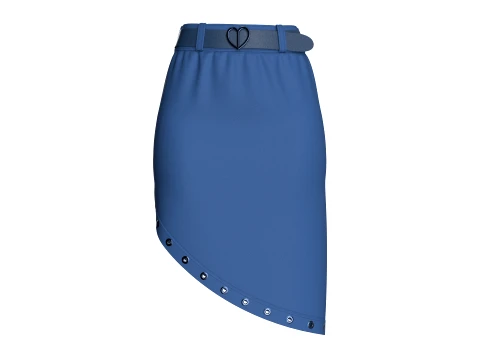 clothingaxisClothing
 - -40%
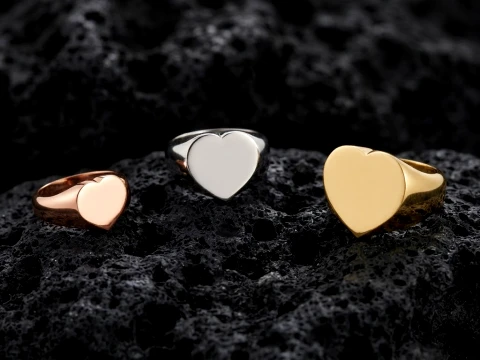 Avera3dRings
 - -40%
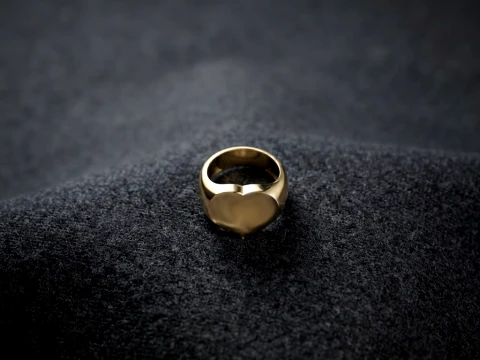 Avera3dRings
 - -40%
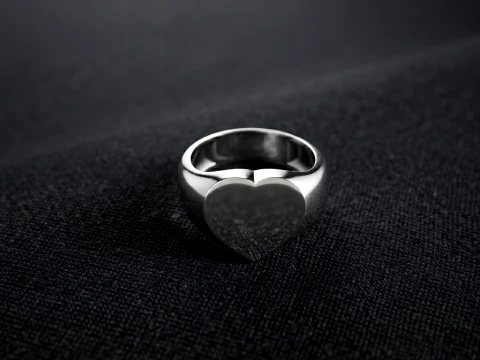 Avera3dRings
 - -40%
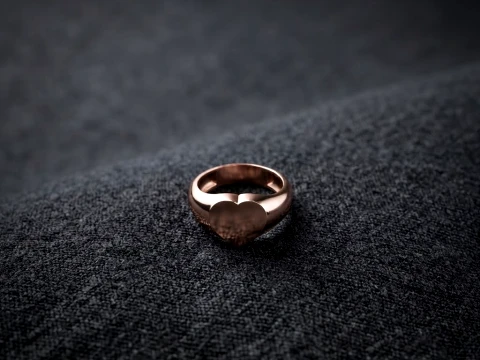 Avera3dRings
 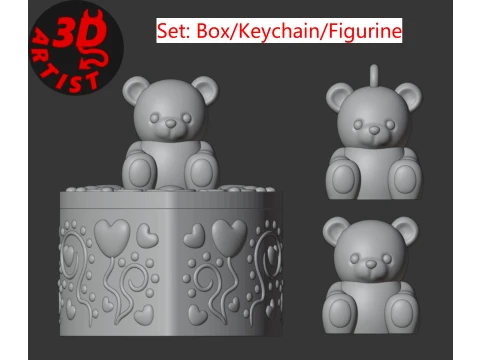 Devils3DArtistDecor
- -40%
 clothingaxisClothing
 - -20%
 creativegameshopSculpture
  Devils3DArtistDecor
- -20%
 3dgardenplantsSmall Plants$303.20
$379.00  Devils3DArtistDecor
- -40%
 Avera3dPendants
 - -50%
 SillyToysMonsters and Creatures
 - -20%
 3dgardenplantsGrass and Ground Cover
 - -20%
 3dgardenplantsGrass and Ground Cover
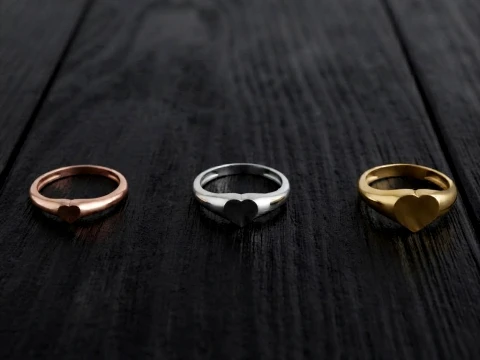
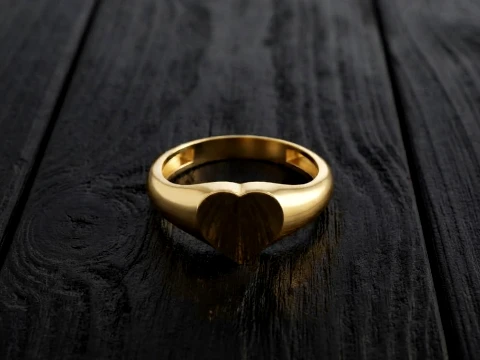































Ricerche di tendenza Modelli 3D:
Scultura Modelli 3D Caratteri Modelli 3D Cucina Modelli 3D Cavallo Modelli 3D Architectural Exteriors Modelli 3D Telefoni e Cellulari Modelli 3D Vegetali Modelli 3D Gioielli Modelli 3D Giocattoli Modelli 3D Medicinali Modelli 3D Elicotteri Modelli 3D Armi Pesanti Modelli 3D Camion Modelli 3D Anatomia Modelli 3DQ1: What's the difference between a stylized and anatomical heart 3D model?
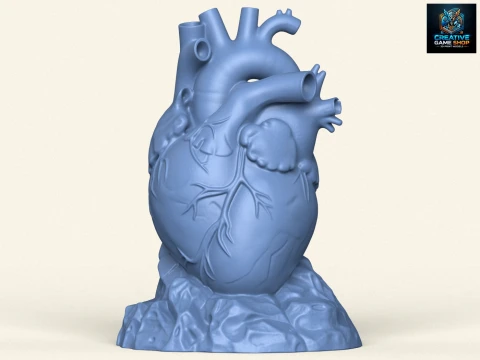
Night and day, both in purpose and construction. A stylized heart — the classic valentine shape — is a simple geometric form useful for UI elements, logo animations, and decorative props. The geometry is minimal, often under 2,000 polygons. An anatomical heart is a different project entirely: four chambers (left/right atria and ventricles), aorta, pulmonary artery, vena cava, and coronary vessels — each with correct proportional relationships. Anatomical models built from MRI data have realistic myocardium texture and can be used for surgical visualization or medical education. These are sold in separate categories but sometimes show up in the same search — read the description before purchasing.
Q2: Are anatomical heart 3D models accurate enough for medical education?
The better ones are. Look for models that specify their reference source — ideally CT or MRI scan-based, or modeled with cardiologist review. Key accuracy markers: the left ventricle wall should be noticeably thicker than the right (approximately 8–12mm vs. 3–5mm), the aortic valve should show three cusps, and the coronary vessels should follow anatomically correct paths across the epicardial surface. For interactive anatomy software or student presentations, models with separate layers for chambers, valves, and vessels allow instructors to remove and reveal components progressively. This teaching technique is significantly more effective than static diagrams.
Q3: Can a heart 3D model be 3D printed for medical training?
Yes — 3D-printed cardiac models are used in surgical planning and training. For printing, the model needs to be watertight and properly scaled — an adult human heart is approximately 12cm tall, 9cm wide. For patient-specific surgical planning, CT DICOM data is segmented into printable geometry using software like 3D Slicer or Materialise Mimics, then printed in flexible TPU for tactile feel. Models from 3DExport aren't patient-specific, but they serve well as anatomical teaching props. Print in PLA at 100% infill for rigid display models; flexible filament (TPU 95A) for models meant to be handled and manipulated.
Q4: How do I animate a heartbeat using a heart 3D model?
In Blender, use a combination of shape keys and a simple rig. Create two shape keys: one for systole (contracted, smaller volume) and one for diastole (expanded, larger volume). Animate the influence of the systole shape key on a curve that mimics a cardiac cycle — sharp contraction (0.1–0.15 seconds) followed by slower relaxation (0.3–0.4 seconds) at a rate of 60–80 BPM. For realistic cardiac motion, the apex of the heart twists slightly during contraction (apical rotation) — add a subtle Z-axis rotation keyframe to capture this. If the model has separate atrial and ventricular geometry, you can offset the animation timing: atria contract first, then ventricles, with a 0.1-second delay between them.