


 English
 Deutsch
 日本語
日本語 Polska
 Français
 한국의
한국의 Українська
 Italiano
 Nederlands
 Türkçe
 Português
 Bahasa Indonesia
 Русский
 中國
中國 हिंदी
हिंदी
















cráneo Modelos 3D
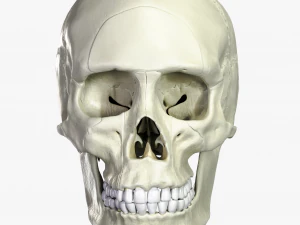
Tenemos 3315 artículo(s) Libre de regalías skull Modelos 3D. Compre o descargue modelos 3D gratuitos para sus proyectos CG, producción de películas y videos, animación, visualizaciones, juegos, VR/AR y otros. Puede descargar cualquier modelo 3D en todos los formatos 3D populares, incluidos MAX, OBJ, FBX, 3DS, STL, C4D, BLEND, MAYA
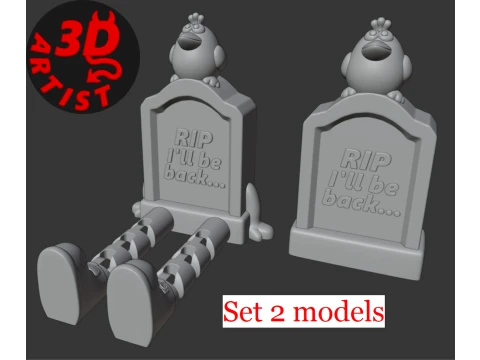 Devils3DArtistDecor
- -50%
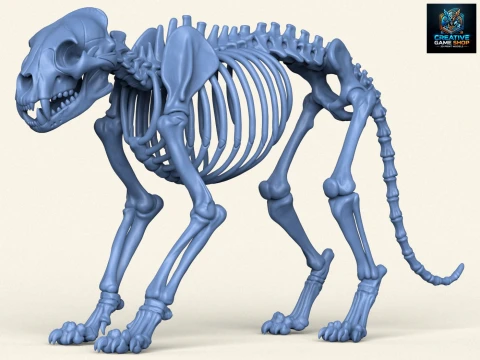 creativegameshopAnimals
 - -50%
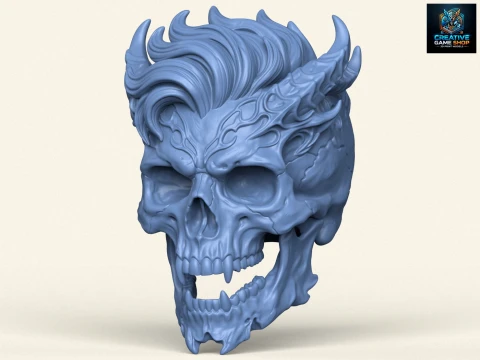 creativegameshopMonsters and Creatures$5.00
$10.00 - -50%
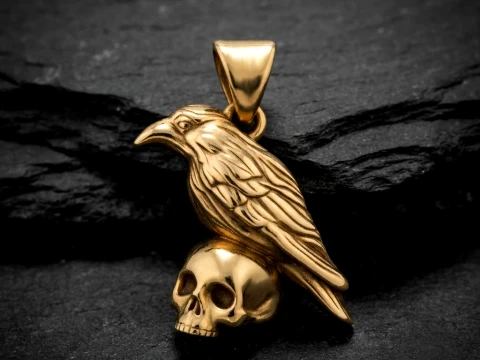 Avera3dPendants
 - -50%
 ITman3DAutomotive
 - -50%
 ITman3DAutomotive
 - -50%
 brunonunesdpSculpture
 - -50%
 brunonunesdpSculpture
 - -50%
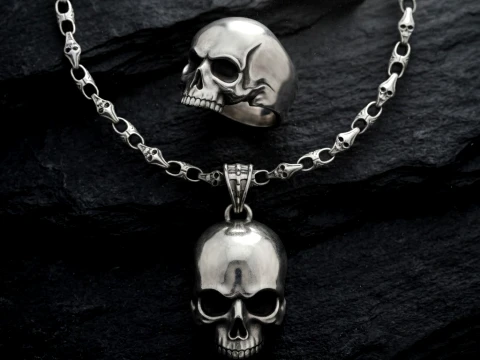 Avera3dPendants
 - -50%
 brunonunesdpSculpture
 - -50%
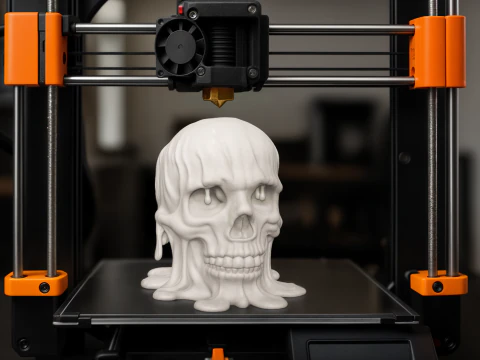 brunonunesdpSculpture
 - -50%
 brunonunesdpOther
 - -50%
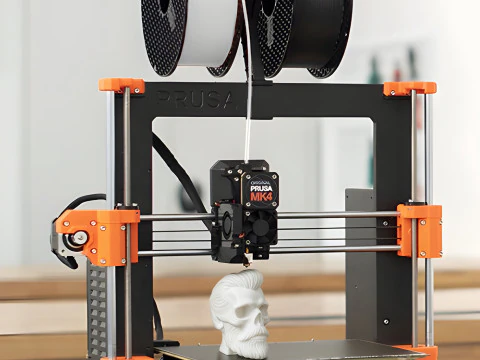 brunonunesdpOther
 - -50%
 brunonunesdpOther
 - -50%
 brunonunesdpOther
 - -50%
 brunonunesdpOther
 - -50%
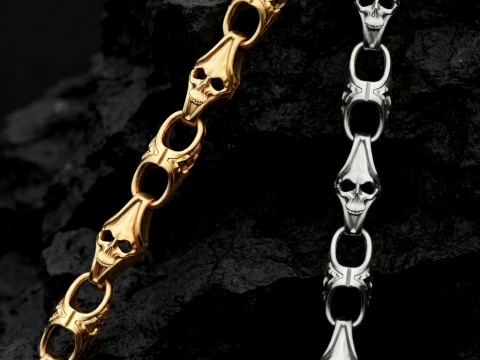 Avera3dNecklaces
 - -50%
 Avera3dPendants
 - -50%
 Avera3dPendants
 - -50%
 Avera3dPendants
 - -50%
 Avera3dPendants
 - -50%
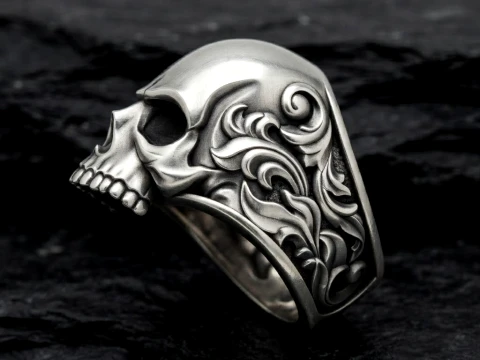 Avera3dRings
 - -50%
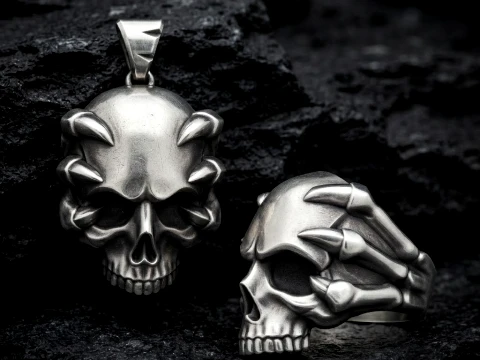 Avera3dPendants
 - -50%
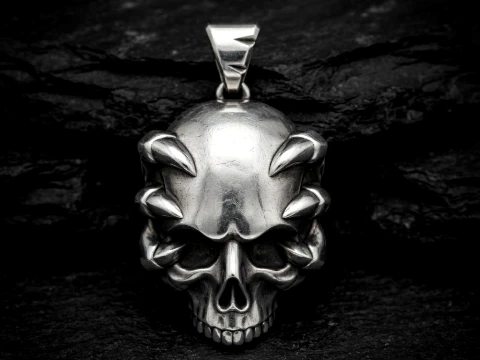 Avera3dPendants
 - -50%
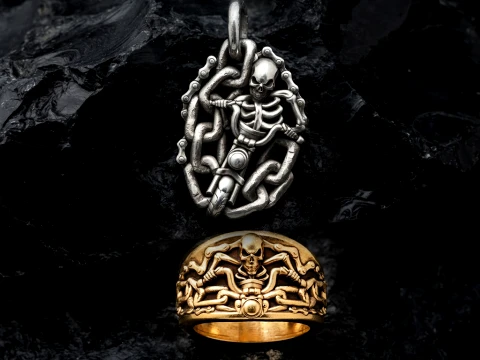 Avera3dPendants
 - -50%
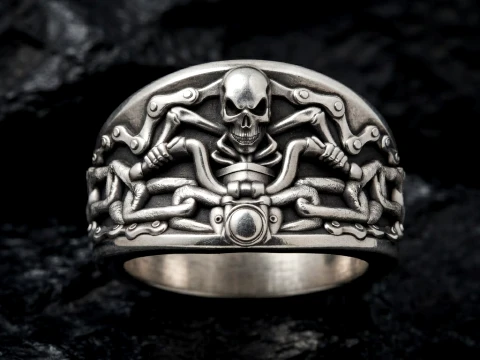 Avera3dRings
 - -50%
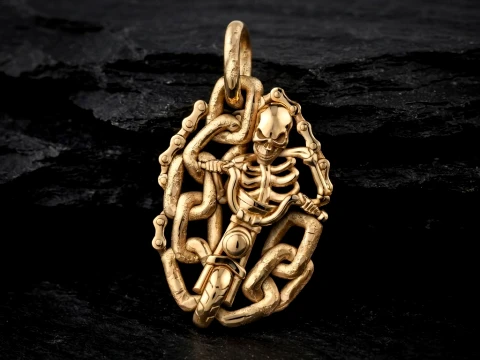 Avera3dPendants
 - -50%
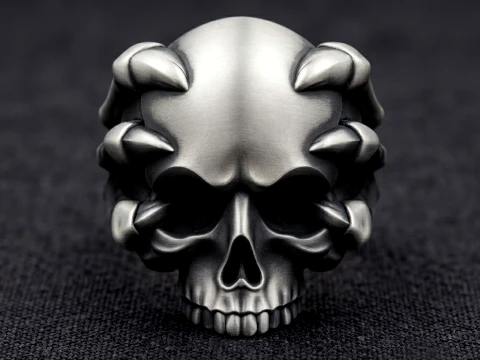 Avera3dRings
 - -50%
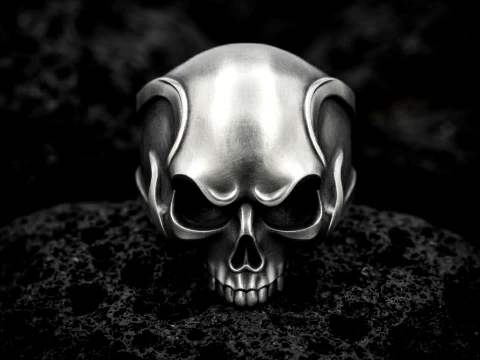 Avera3dRings
 - -50%
 Avera3dRings
 - -50%
 Avera3dRings
 - -50%
 Avera3dPendants
 - -50%
 Avera3dPendants
 - -50%
 Avera3dRings
 - -50%
 Avera3dRings
 - -50%
 Avera3dPendants
 - -50%
 Avera3dPendants
 - -50%
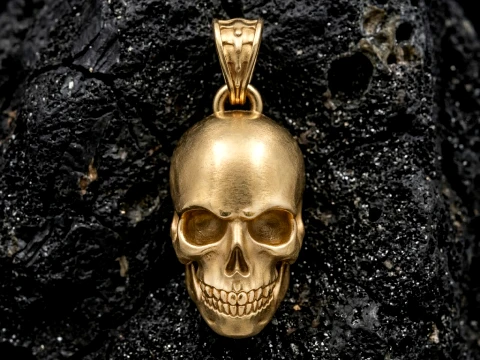 Avera3dPendants
 - -50%
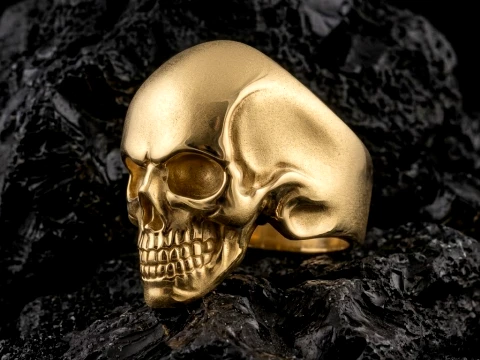 Avera3dRings
 - -50%
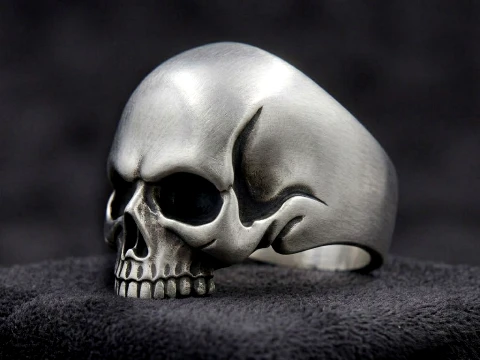 Avera3dPendants
 - -50%
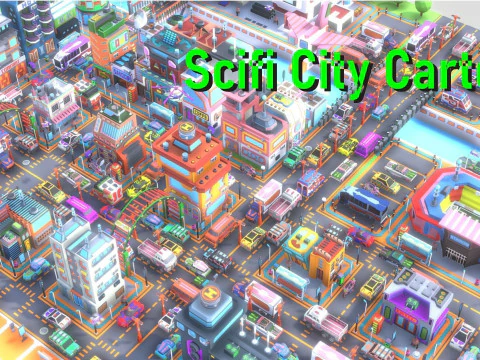 mohmano1988Cityscapes
  Devils3DArtistDecor
- -50%
 cganimalworldOther
  Devils3DArtistDecor




















Búsquedas de tendencias Modelos 3D:
Escultura Modelos 3D Personajes Modelos 3D Cocina Modelos 3D Caballo Modelos 3D Exteriores Modelos 3D Télefono y Móvil Modelos 3D Vegetales Modelos 3D Joyeria Modelos 3D Juguetes Modelos 3D Medicinal Modelos 3D Helicóptero Modelos 3D Armas Pesadas Modelos 3D Camión Modelos 3D Anatomía Modelos 3DP1: ¿Son los modelos 3D de cráneo anatómicamente precisos para uso médico o educativo?
Algunos sí, la mayoría no; esa es la respuesta honesta. Los cráneos anatómicamente precisos se construyen a partir de datos de tomografías computarizadas o por artistas con referencias médicas, y los vendedores suelen indicarlo explícitamente. Busque términos como "basado en anatomía real" o "fotorrealista basado en escaneo" en la descripción. Para presentaciones educativas o visualizaciones médicas, los detalles clave que debe verificar son: la correcta colocación de las suturas craneales, la profundidad precisa de la órbita y la articulación mandibular adecuada. Los modelos creados exclusivamente para arte de videojuegos o estética de terror a menudo simplifican o exageran estas características. Si necesita algo con una precisión defendible para una clase de biología o un prototipo de simulación quirúrgica, contacte al vendedor y solicite la fuente de referencia. Algunos estudios en 3DExport venden recursos médicos auténticos; son más caros, pero valen la pena.
P2: ¿Qué modelos 3D de cráneos funcionan mejor para la impresión 3D?
Para la impresión, necesitas un modelo estanco, es decir, una malla cerrada sin agujeros ni normales invertidas. Los formatos recomendados son OBJ y STL. STL es el formato que esperan directamente programas de laminado como Cura y PrusaSlicer; OBJ también funciona, pero requiere un paso de exportación. Evita los modelos con mapas de desplazamiento muy detallados: ese detalle de la superficie se genera para el renderizado, no para la geometría, y no se conservará correctamente tras la conversión a STL. Una malla con entre 50.000 y 150.000 polígonos reales se imprime mejor que una base de 5.000 polígonos con un mapa normal de 4K. Comprueba si la descripción del producto indica "listo para imprimir" o "malla multicapa". Si no es así, asume que necesita reparaciones en Meshmixer o Netfabb antes de poder laminar sin errores.P3: ¿Qué software puede abrir archivos de modelos 3D de cráneos de 3DExport?
Los formatos FBX y OBJ se abren prácticamente en todos los programas: Blender (gratuito), Maya, 3ds Max, Cinema 4D, ZBrush para inspección y motores de juegos como Unity y Unreal. Los archivos STL se pueden importar directamente a cualquier programa de laminado. Si compraste un archivo .blend nativo, necesitas Blender 3.x o 4.x; las versiones anteriores a veces presentan problemas de compatibilidad con las configuraciones de nodos más recientes. Los archivos MAX requieren específicamente 3ds Max; no se abrirán en otros programas sin conversión. Un formato al que prestar atención: los archivos .fbx exportados desde software antiguo a veces pierden ranuras de material al importarlos a Blender 4.x. Procesa el archivo FBX a través de la función de importación de Blender, revisa el panel de materiales y vuelve a vincular las texturas manualmente si aparecen en gris.