


 English
 Español
 Deutsch
 Polska
 Français
 한국의
한국의 Українська
 Italiano
 Nederlands
 Türkçe
 Português
 Bahasa Indonesia
 Русский
 中國
中國 हिंदी
हिंदी
















頭蓋骨 3Dモデル
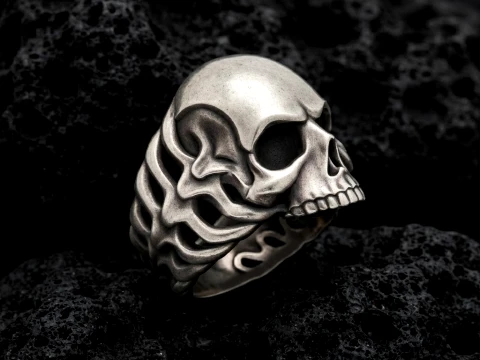
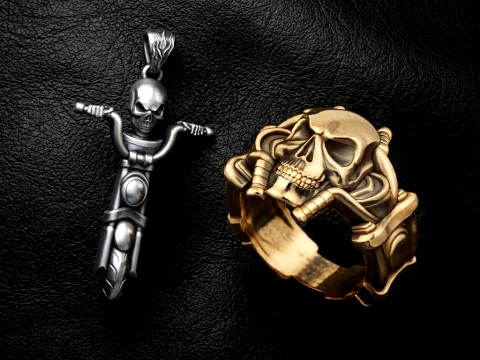
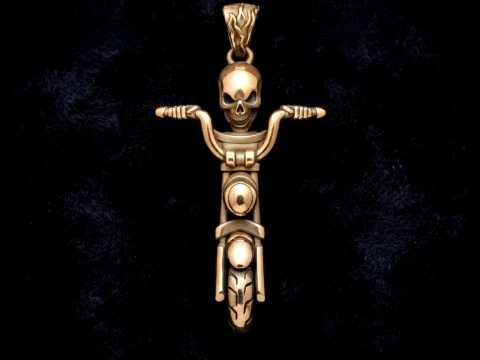
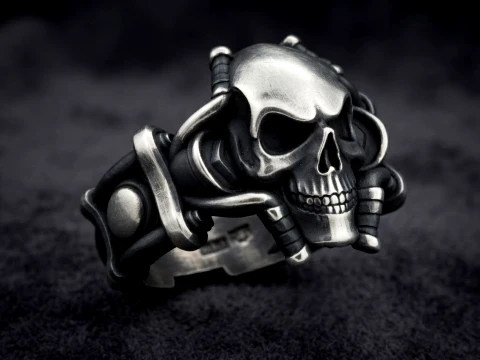
あります 3169アイテム ロイヤリティフリー skull 3Dモデル. CG プロジェクト、映画やビデオ制作、アニメーション、ビジュアライゼーション、ゲーム、VR/AR などのために無料の 3D モデルを購入またはダウンロードできます。 以下を含むすべての一般的な 3D 形式で 3D モデルをダウンロードできます。 MAX, OBJ, FBX, 3DS, STL, C4D, BLEND, MAYA





























トレンド検索 3Dモデル:
彫刻 3Dモデル 特徴 3Dモデル 台所 3Dモデル 馬 3Dモデル 外装 3Dモデル 電話と携帯電話 3Dモデル 野菜 3Dモデル ジュエリー 3Dモデル 人形 3Dモデル 医療の 3Dモデル ヘリコプター 3Dモデル 重い武器 3Dモデル トラック 3Dモデル 骨格 3DモデルQ1:頭蓋骨の3Dモデルは、医療または教育用途において解剖学的に正確ですか?
一部はそうですが、ほとんどはそうではありません。これが正直なところです。解剖学的に正確な頭蓋骨は、CTスキャンデータに基づいて、または医学的な資料を参考にアーティストによって作成され、販売者は通常、その旨を明記しています。「実際の解剖学的構造に基づく」や「フォトリアリスティックなスキャンベース」といった用語が説明文にあるか確認してください。教育プレゼンテーションや医療ビジュアライゼーションの場合、確認すべき重要なポイントは、頭蓋縫合の正確な位置、眼窩の深さ、そして下顎の適切な関節です。ゲームアートやホラーの美学のためだけに作られたモデルは、これらの特徴を簡略化したり誇張したりすることがよくあります。生物学の授業や外科手術シミュレーションのプロトタイプに、確かな精度が求められる場合は、販売者に連絡して参照元を尋ねてください。3DExportには、本物の医療グレードのアセットを販売しているスタジオがいくつかあります。価格は高めですが、それだけの価値があります。
Q2:3Dプリントに最適な頭蓋骨の3Dモデルはどれですか?
印刷には、水密性の高いモデルが必要です。つまり、メッシュが穴や反転した法線のない閉じた固体であるということです。OBJとSTL形式を探してください。STLはCuraやPrusaSlicerなどのスライサーが直接受け入れる形式です。OBJも使用できますが、エクスポート手順が必要です。非常に詳細なディスプレイスメントマップモデルは避けてください。表面のディテールはレンダリング用にベイクされたものであり、ジオメトリではないため、STL変換できれいに保持されません。50,000~150,000の実際のポリゴンを持つメッシュは、4Kの法線マップを持つ5,000ポリゴンのベースよりも印刷品質が優れています。製品リストに「印刷準備完了」または「マニフォールドメッシュ」と記載されているか確認してください。記載されていない場合は、エラーなくスライスできるように、MeshmixerまたはNetfabbで修正作業が必要になると考えてください。
Q3: 3DExportの頭蓋骨3Dモデルファイルを開くことができるソフトウェアは何ですか?
FBXとOBJは、Blender(無料)、Maya、3ds Max、Cinema 4D、ZBrush(検査用)、UnityやUnrealなどのゲームエンジンなど、ほぼすべてのソフトウェアで開くことができます。STLファイルは、どのスライサーにも直接インポートできます。ネイティブの.blendファイルを購入した場合は、Blender 3.xまたは4.xが必要です。古いバージョンでは、新しいノード設定との互換性に問題が発生する場合があります。MAXファイルは特に3ds Maxが必要です。変換しないと他のソフトウェアでは開けません。注意すべきフォーマットが1つあります。古いソフトウェアからエクスポートされた.fbxファイルは、Blender 4.xにインポートするとマテリアルスロットが失われる場合があります。FBXファイルをBlenderのインポート機能で処理し、マテリアルパネルを確認して、テクスチャが灰色で表示される場合は手動で再リンクしてください。
Q4:モバイルゲーム開発に適したローポリゴンの頭蓋骨モデルはありますか?
はい、そしてこれは実際、最も飽和状態にあるカテゴリの1つです。2,000ポリゴン以下のローポリゴンの頭蓋骨は一般的で、モバイルゲームのパーティクルエフェクト、インベントリアイコン、環境装飾などに十分使用できます。問題はポリゴン数ではなく、テクスチャの効率です。1024×1024のアトラス(ディフューズ+ラフネス+ノーマルパック)を1つだけ使用した頭蓋骨は、2Kマップを3つ別々に使用した頭蓋骨よりもモバイルゲームに適しています。購入前にテクスチャ設定を確認してください。特にUnityの場合は、URP互換マテリアルを使用したモデルを探してください。HDRPシェーダーは、大幅な修正なしにはAndroidでは動作しません。