
 English
 Español
 Deutsch
 Türkçe
















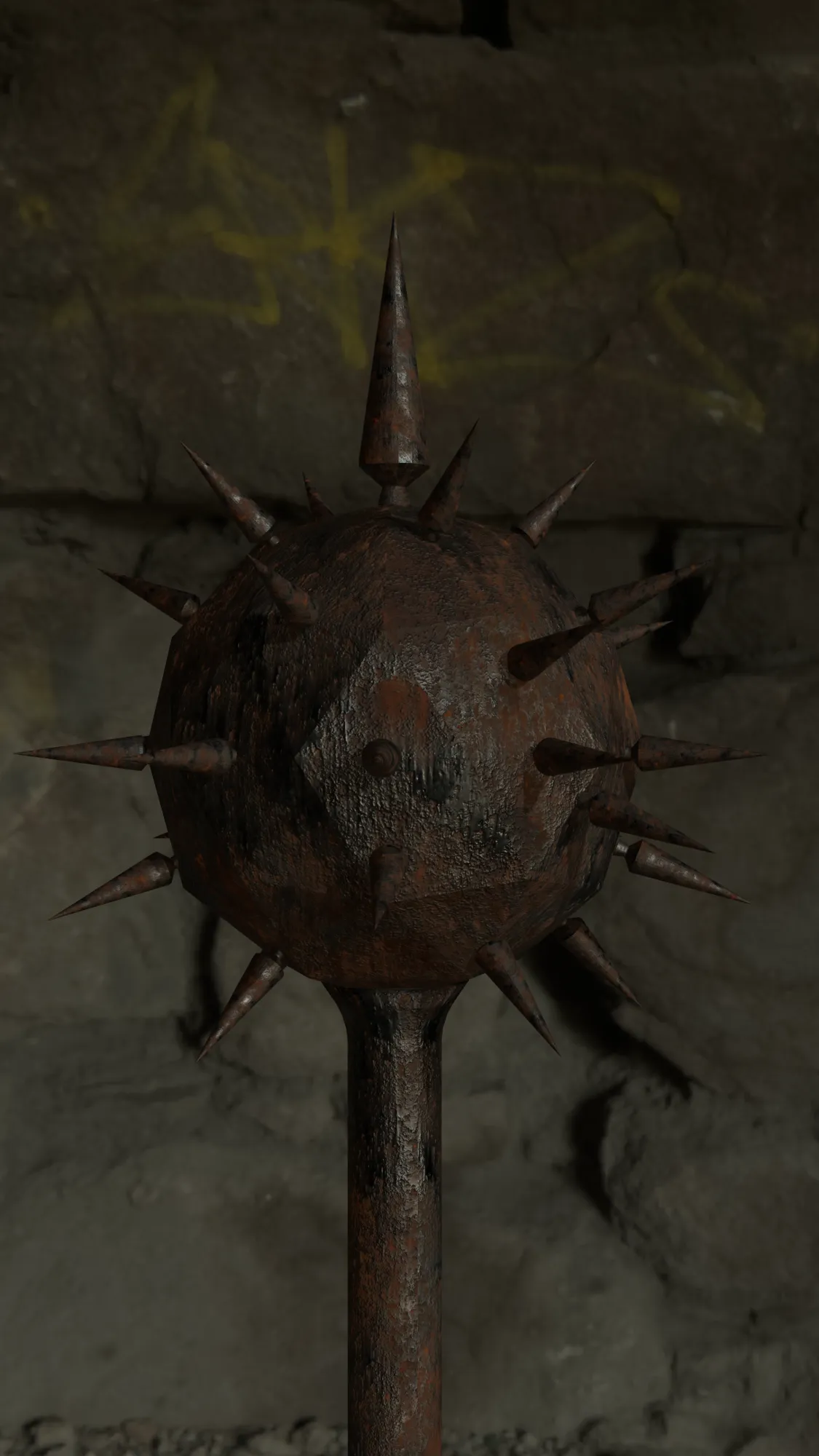
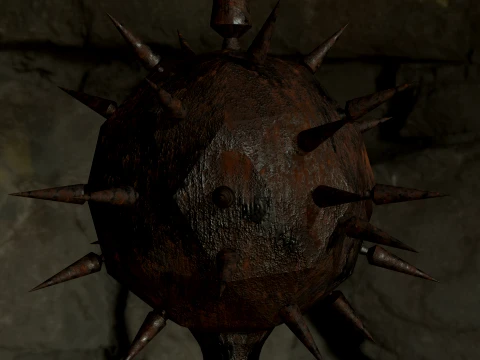
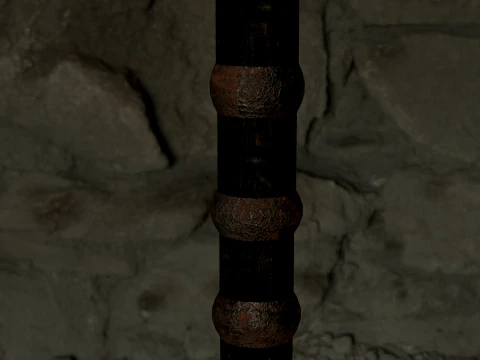
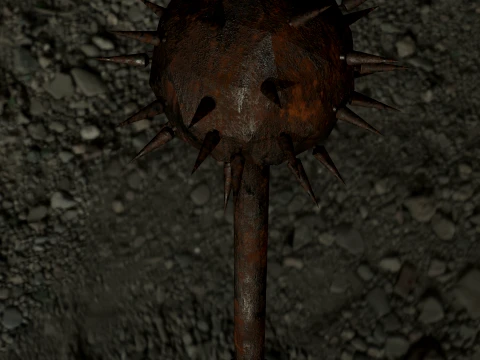
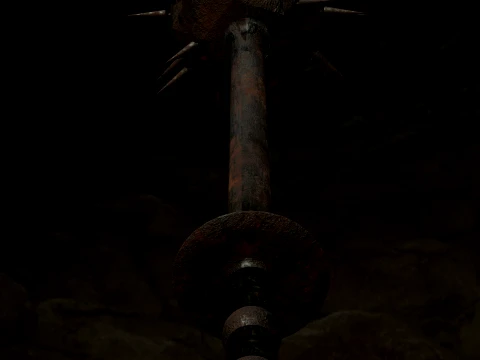
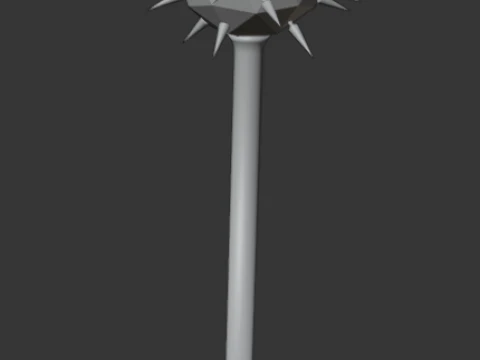
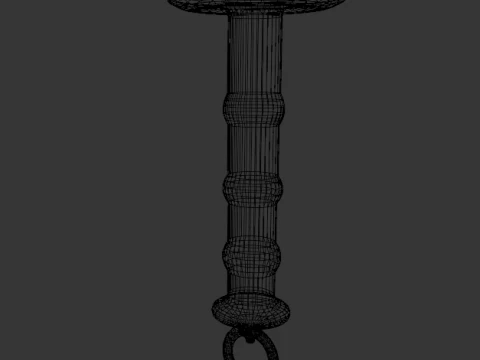
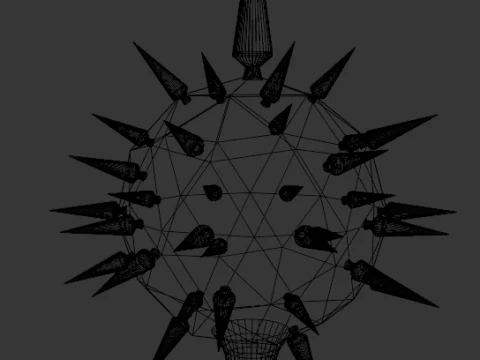
Boulava Bas-poly Modèle 3D nouveau
- Demander l'assistance produit


- Formats disponibles:
- ID de produit:643360
- Date: 2026-06-08
- Polygones:17288
- Sommets:8714
- Animé:No
- Textures:
- Installé:
- Matériaux:
- Bas-poly:
- Collection:No
- cartographie UVW:No
- Plugins Utilisé:No
- Prêt à imprimer:No
- 3D Balayage:No
- Contenu adulte:No
- PBR:No
- IA Formation:No
- AI Generated:No
- Géométrie:Polygonal
- UVs non enveloppés:Unknown
- Vus:17
Description
A mace (from the Common Slavic word "bula" meaning "cone, lump, ball"; according to another version, from the Turkic word "bulaġu" meaning "mace") is a short-shafted, striking and blunt weapon in the form of a handle with a spherical (or other shaped) striking part—the pommel.
According to some sources, a mace is a type of club, while others believe that a mace and a club are different types of striking and blunt weapons. The length of a mace's handle was typically about 50-80 centimeters; the pommel weighed 200-300 grams. The mace was a weapon used by both foot and mounted warriors. It could deliver a quick blow in any direction. Historical sources indicate that maces could be used not only for close combat but also as thrown weapons.
The mace is a development of the club. The first maces with stone pommels appeared in the Neolithic. In the Bronze Age, maces with metal pommels appeared. The oldest known bronze maces date back to the late 4th millennium BC. Maces were typical of the Ancient East. This weapon was not widespread in the ancient world; it began to be used in the Roman Empire only in the 2nd century AD. During the Middle Ages, this weapon was popular in the Middle East and India. In Western Europe, the mace became widespread in the 11th-13th centuries. In Rus', it was one of the main types of weaponry from the 11th to the 16th centuries. In the 13th-17th centuries, the mace was a fairly common weapon in many countries. From the 17th century, the mace and its variations degenerated into simple signs or symbols of power (for example, the field marshal's baton and the hetman's mace).
Prêt à imprimer: NonAvez besoin de plus de formats?
Si vous avea besoin d’\autre format veuillez ouvrir un billet d’\assistance et demandez le. Nous pouvons convertir les modèles de 3D en: .stl, .c4d, .obj, .fbx, .ma/.mb, .3ds, .3dm, .dxf/.dwg, .max. .blend, .skp, .glb. Conversion de format libreNous ne convertissons pas les scènes 3D et des formats tels que .step, .iges, .stp, .sldprt.!
Informations d'utilisation
Boulava - Vous pouvez utiliser ce modèle 3D libre de droits à des fins personnelles et commerciales, conformément à la Licence de Base ou à la Licence Étendue.La Licence de Base couvre la plupart des cas d'utilisation courants, notamment les publicités numériques, les projets de conception et de visualisation, les comptes de réseaux sociaux professionnels, les applications natives, les applications web, les jeux vidéo et les produits finis physiques ou numériques (gratuits ou payants).
La Licence Étendue inclut tous les droits accordés par la Licence de Base, sans limitation d'utilisation, et autorise l'utilisation du modèle 3D dans un nombre illimité de projets commerciaux, dans des conditions de libre de droits.
En savoir plus