
 English
 Deutsch
 Français
 Türkçe
















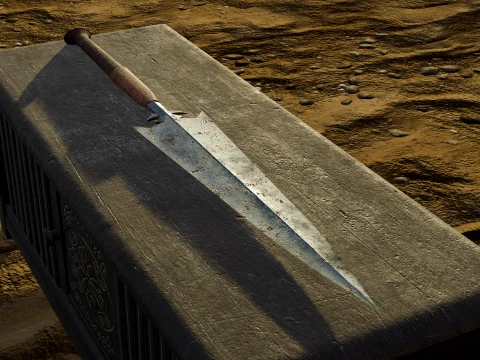
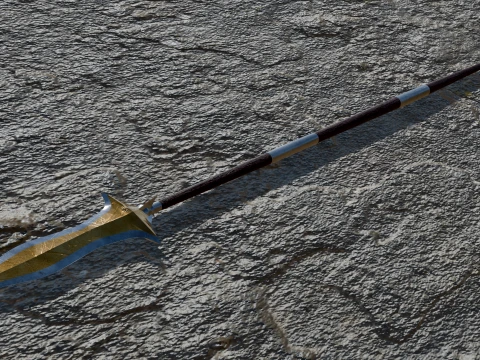
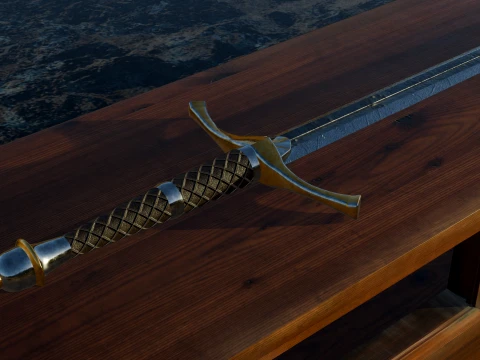
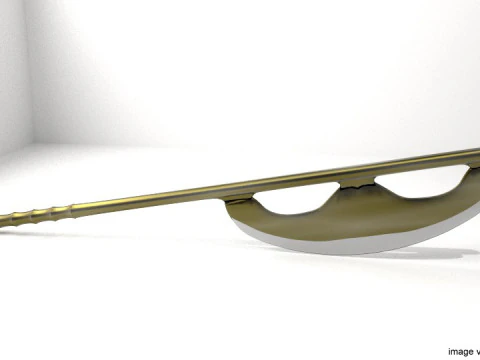
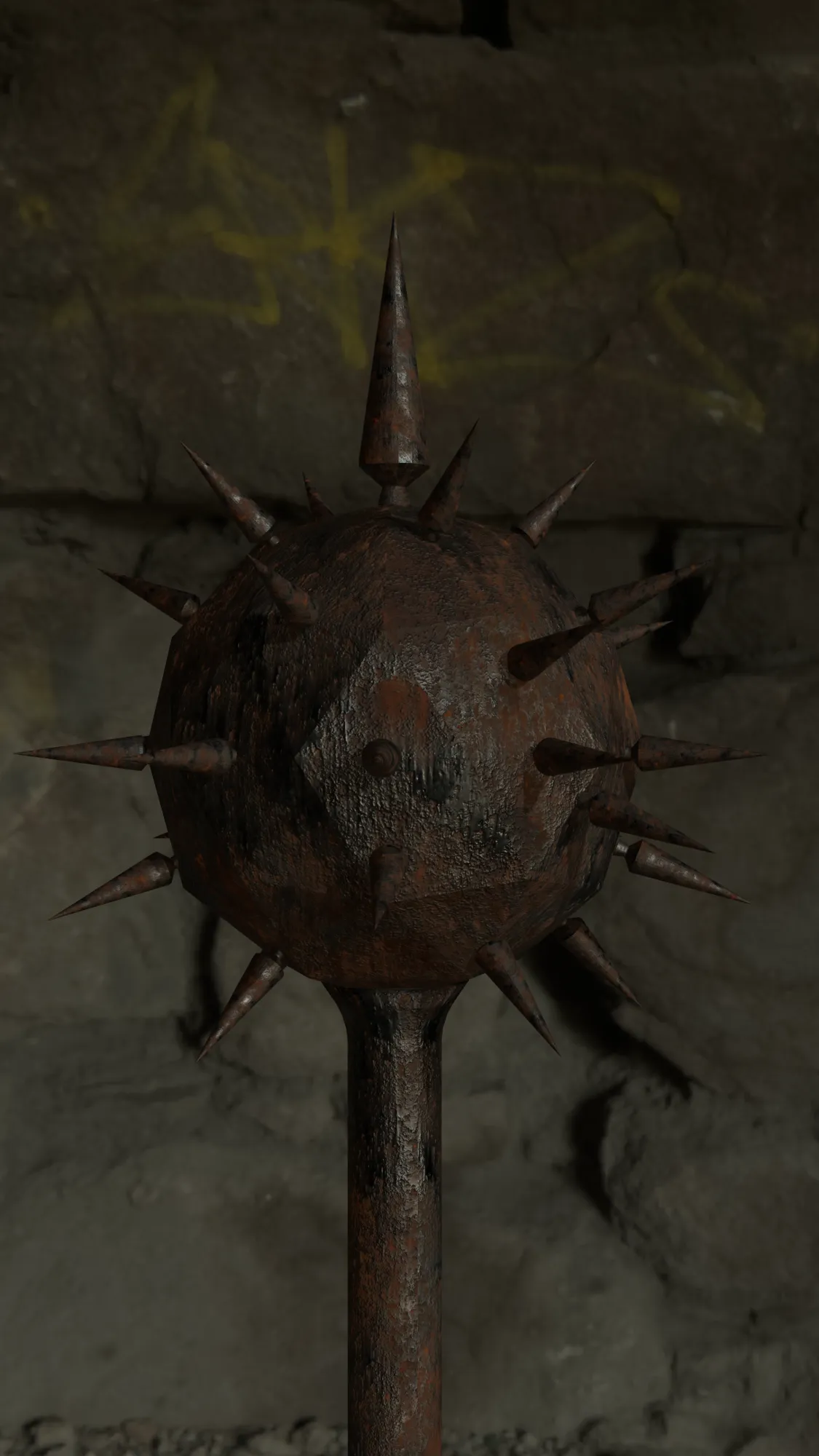
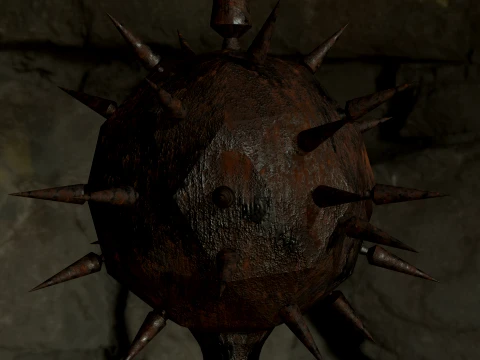
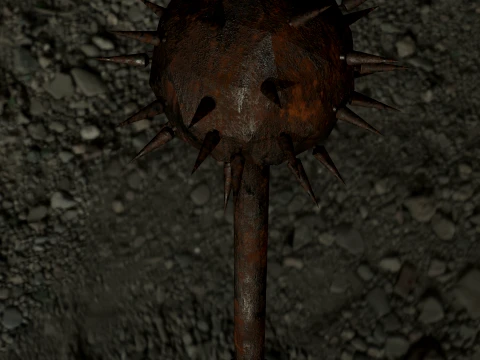
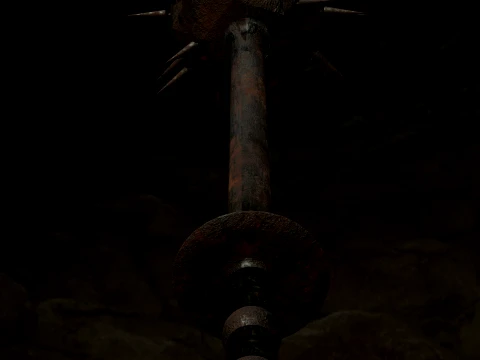
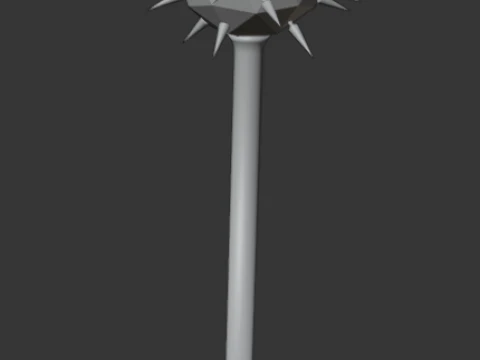
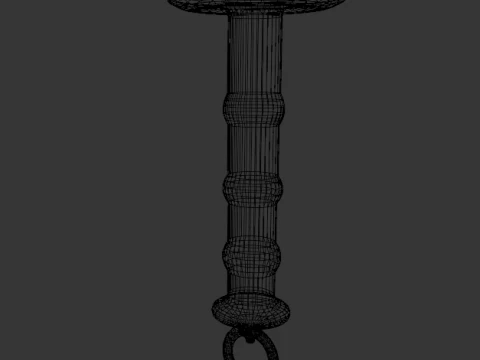
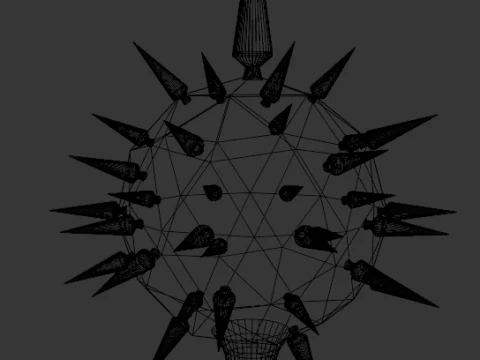
Bulava Low-poly Modelo 3D nuevo
- Solicitar soporte de producto


- Formatos disponibles:
- ID de artículo:643360
- Fecha: 2026-06-08
- Polígonos:17288
- Vértices:8714
- Animados:No
- Texturas:
- Articulados:
- Materiales:
- Low-poly:
- Colección:No
- Mapas UVW:No
- Plugins Usados:No
- Listo para Imprimir:No
- 3D Scan:No
- Para adultos:No
- PBR:No
- AI Capacitación:No
- AI Generated:No
- Geometría:Polygonal
- Desenvolver UVs:Unknown
- Vistas:16
Descripción
A mace (from the Common Slavic word "bula" meaning "cone, lump, ball"; according to another version, from the Turkic word "bulaġu" meaning "mace") is a short-shafted, striking and blunt weapon in the form of a handle with a spherical (or other shaped) striking part—the pommel.
According to some sources, a mace is a type of club, while others believe that a mace and a club are different types of striking and blunt weapons. The length of a mace's handle was typically about 50-80 centimeters; the pommel weighed 200-300 grams. The mace was a weapon used by both foot and mounted warriors. It could deliver a quick blow in any direction. Historical sources indicate that maces could be used not only for close combat but also as thrown weapons.
The mace is a development of the club. The first maces with stone pommels appeared in the Neolithic. In the Bronze Age, maces with metal pommels appeared. The oldest known bronze maces date back to the late 4th millennium BC. Maces were typical of the Ancient East. This weapon was not widespread in the ancient world; it began to be used in the Roman Empire only in the 2nd century AD. During the Middle Ages, this weapon was popular in the Middle East and India. In Western Europe, the mace became widespread in the 11th-13th centuries. In Rus', it was one of the main types of weaponry from the 11th to the 16th centuries. In the 13th-17th centuries, the mace was a fairly common weapon in many countries. From the 17th century, the mace and its variations degenerated into simple signs or symbols of power (for example, the field marshal's baton and the hetman's mace).
Listo para Imprimir: No¿Necesita más formatos?
Si precisa un formato distinto, por favor, abra una consulta de Soporte y solicítelo. Podemos convertir modelos 3D a: .stl, .c4d, .obj, .fbx, .ma/.mb, .3ds, .3dm, .dxf/.dwg, .max. .blend, .skp, .glb. Conversión de formato libreNosotros no convertimos escenas 3d y formatos como .step, .iges, .stp, .sldprt.!
Información de uso
Bulava - Puede usar este modelo 3D libre de regalías tanto para fines personales como comerciales, de acuerdo con la Licencia Básica o Extendida.La Licencia Básica cubre la mayoría de los casos de uso estándar, incluyendo anuncios digitales, proyectos de diseño y visualización, cuentas empresariales en redes sociales, aplicaciones nativas, aplicaciones web, videojuegos y productos finales físicos o digitales (tanto gratuitos como comerciales).
La Licencia Extendida incluye todos los derechos otorgados bajo la Licencia Básica, sin limitaciones de uso, y permite que el modelo 3D se use en un número ilimitado de proyectos comerciales bajo las condiciones de la Licencia Libre de Regalías.
Leer más