
 English
 Español
 Deutsch
 日本語
 Français
 한국의
 Українська
 Italiano
 Nederlands
 Türkçe
 Português

















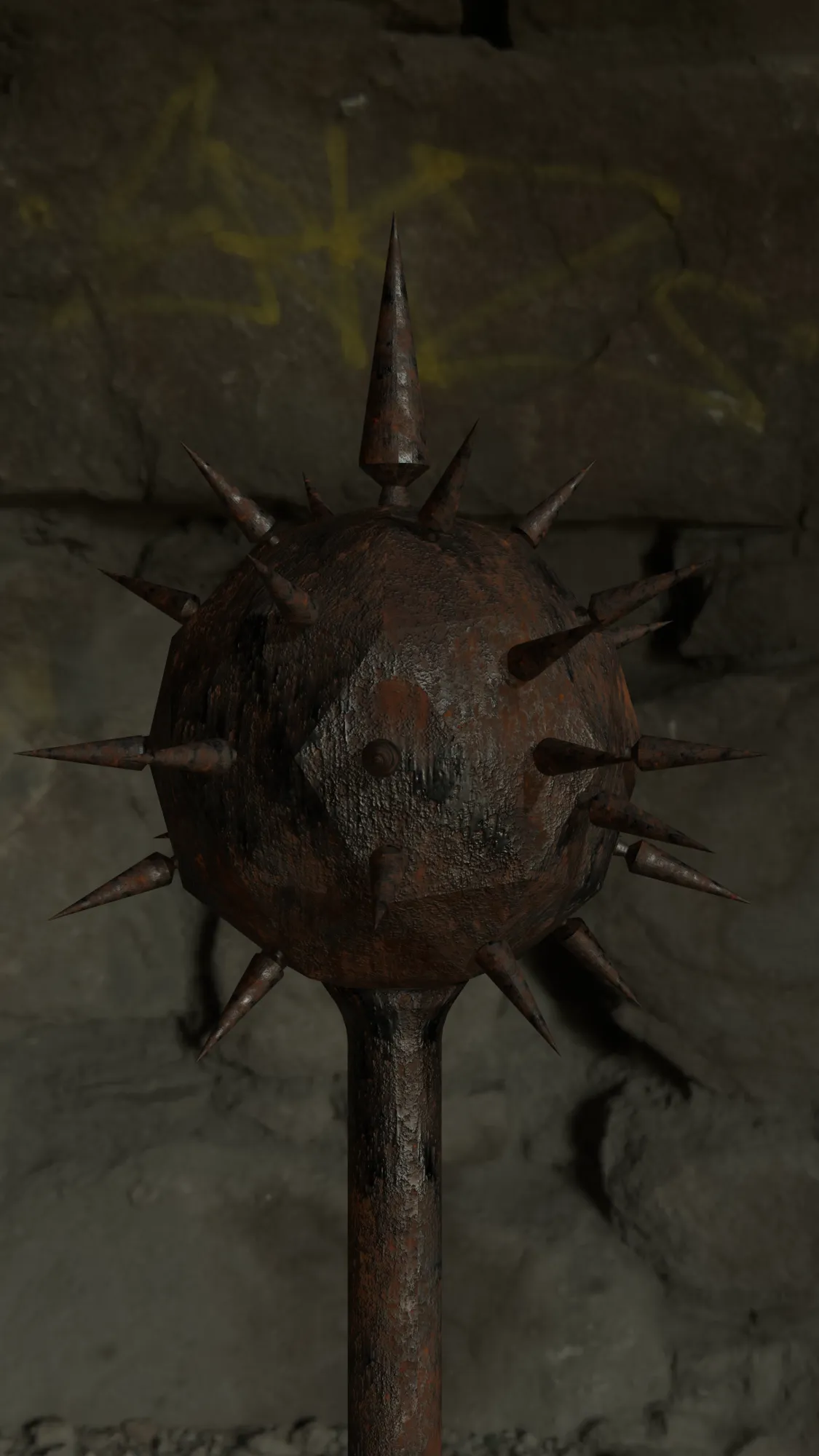
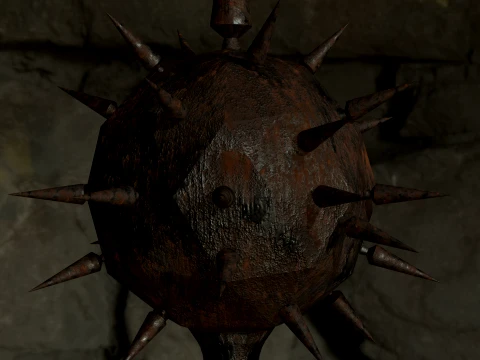
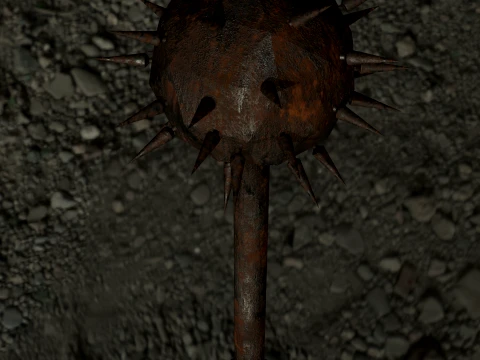
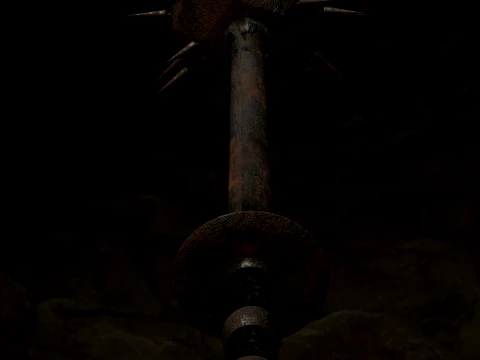
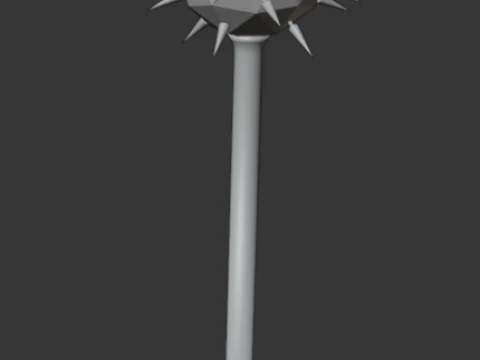
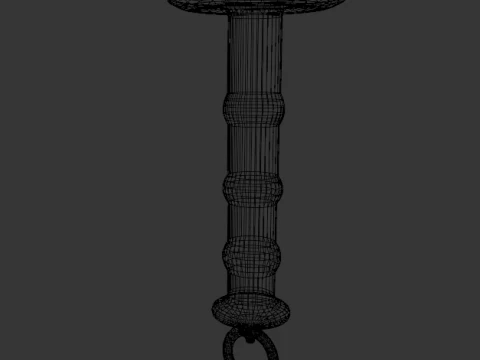
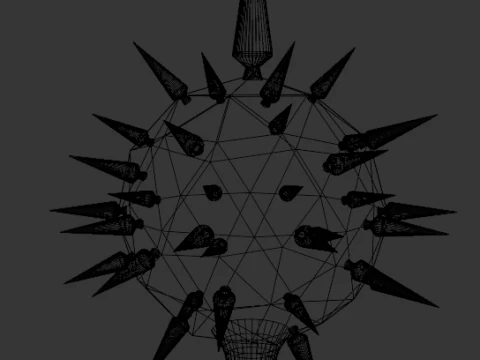
Buława Low-poly Model 3D
SALE 50% OFF ALL ITEMS
- Poproś autora o wsparcie produktu


- Dostępne formaty:
- ID produktu:643360
- Data: 2026-06-08
- Wielokąty:17288
- Wierzchołki:8714
- Model animowany:No
- Tekstury:Yes
- Oparty na szkielecie:Yes
- Materiał:Yes
- Low-poly:Yes
- Kolekcja:No
- UVW mapping:No
- Plugins Used:No
- Gotowy do wydruku:No
- 3D Scan:No
- Adult content:No
- PBR:No
- AI Szkolenie:No
- AI Generated:No
- Geometria:Polygonal
- Unwrapped UVs:Unknown
- Liczba wyświetleń:617
Opis
A mace (from the Common Slavic word "bula" meaning "cone, lump, ball"; according to another version, from the Turkic word "bulaġu" meaning "mace") is a short-shafted, striking and blunt weapon in the form of a handle with a spherical (or other shaped) striking part—the pommel.
According to some sources, a mace is a type of club, while others believe that a mace and a club are different types of striking and blunt weapons. The length of a mace's handle was typically about 50-80 centimeters; the pommel weighed 200-300 grams. The mace was a weapon used by both foot and mounted warriors. It could deliver a quick blow in any direction. Historical sources indicate that maces could be used not only for close combat but also as thrown weapons.
The mace is a development of the club. The first maces with stone pommels appeared in the Neolithic. In the Bronze Age, maces with metal pommels appeared. The oldest known bronze maces date back to the late 4th millennium BC. Maces were typical of the Ancient East. This weapon was not widespread in the ancient world; it began to be used in the Roman Empire only in the 2nd century AD. During the Middle Ages, this weapon was popular in the Middle East and India. In Western Europe, the mace became widespread in the 11th-13th centuries. In Rus', it was one of the main types of weaponry from the 11th to the 16th centuries. In the 13th-17th centuries, the mace was a fairly common weapon in many countries. From the 17th century, the mace and its variations degenerated into simple signs or symbols of power (for example, the field marshal's baton and the hetman's mace).
Gotowy do wydruku: NiePotrzebujesz plik w innym formacie?
Jeśli potrzebny Ci plik w innym formacie, zgłoś taką potrzebę przez opcję Support Ticket Konwertujemy produkty na następujące formaty: .stl, .c4d, .obj, .fbx, .ma/.mb, .3ds, .3dm, .dxf/.dwg, .max. .blend, .skp, .glb. Dowolna konwersja formatuNie konwertujemy scen 3D oraz formaty takie jak .step, .iges, .stp, .sldprt.!
Informacje o użytkowaniu
Buława - Możesz używać tego bezpłatnego modelu 3D zarówno do celów osobistych, jak i komercyjnych, zgodnie z Licencją Podstawową lub Rozszerzoną.Licencja Podstawowa obejmuje większość standardowych przypadków użycia, w tym reklamy cyfrowe, projekty projektowe i wizualizacyjne, firmowe konta w mediach społecznościowych, aplikacje natywne, aplikacje internetowe, gry wideo oraz fizyczne lub cyfrowe produkty końcowe (zarówno bezpłatne, jak i sprzedawane).
Licencja Rozszerzona obejmuje wszystkie prawa udzielone na mocy Licencji Podstawowej, bez ograniczeń użytkowania i pozwala na wykorzystanie modelu 3D w nieograniczonej liczbie projektów komercyjnych na warunkach bezpłatności.
Czytaj więcej