
 English
 Español
 Deutsch
 日本語
日本語 Français
 한국의
한국의 Nederlands
 Türkçe
 Português
















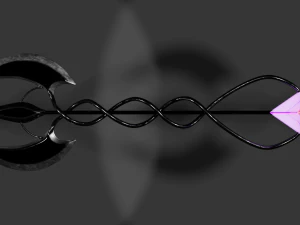
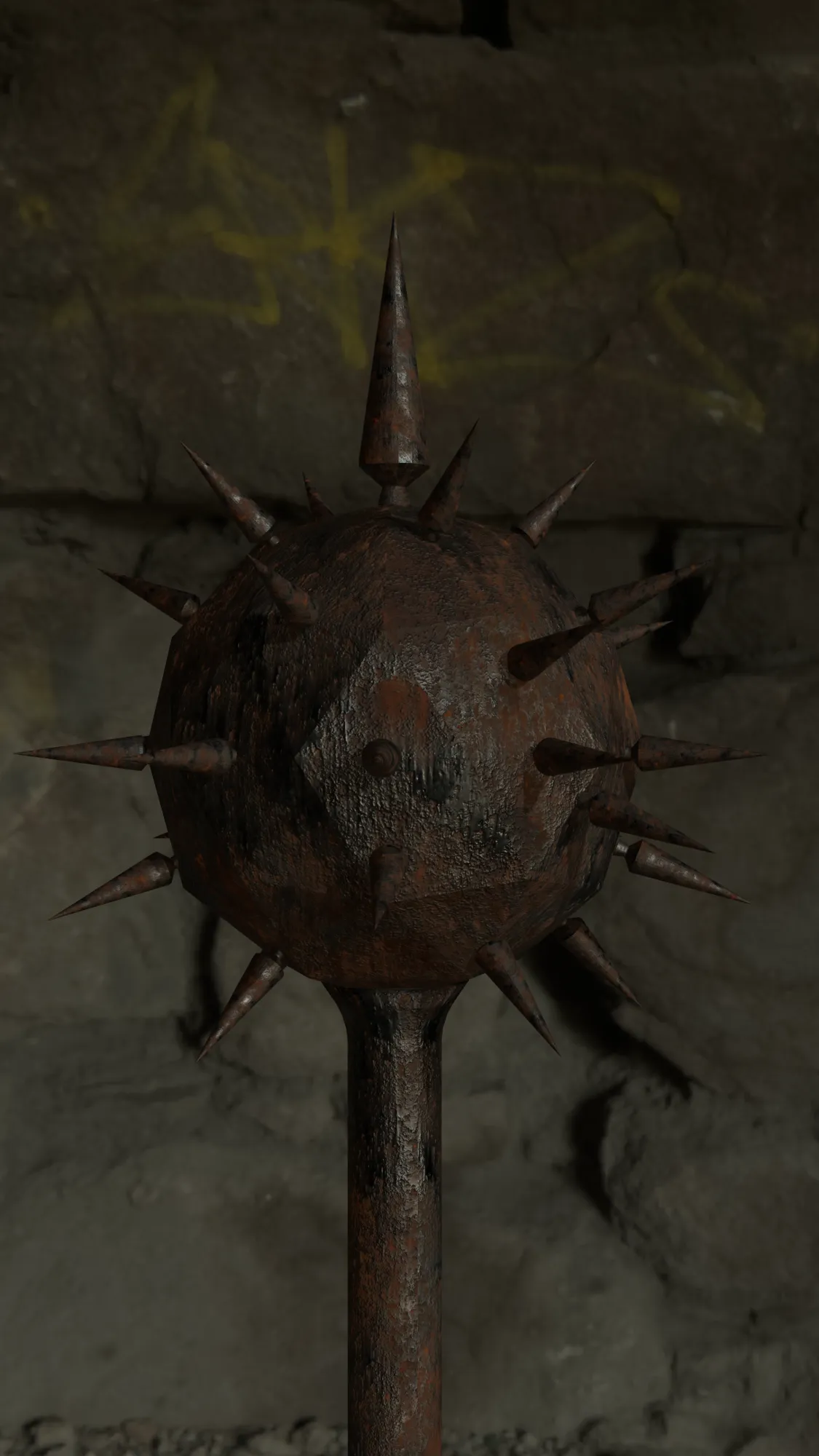
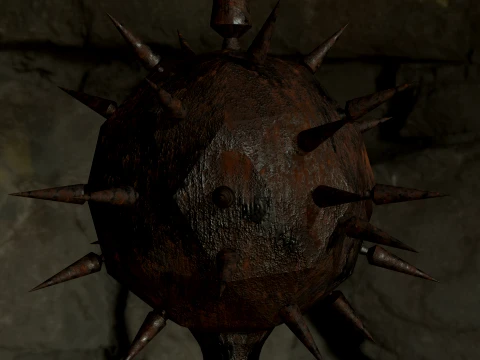
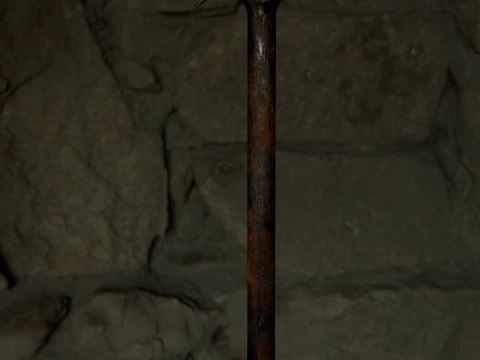
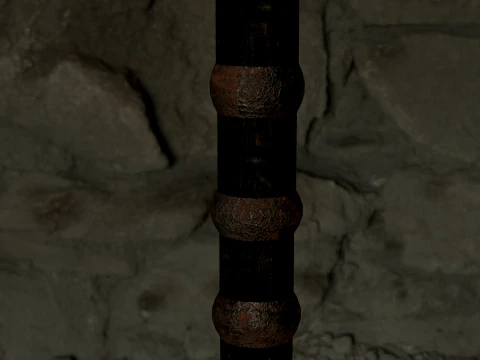
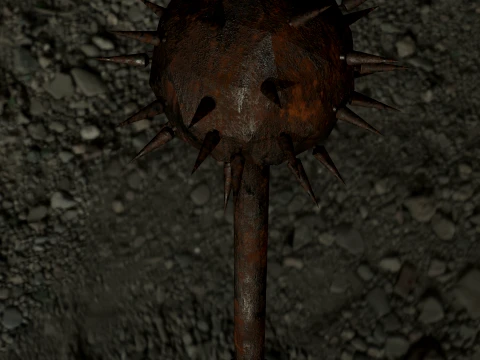
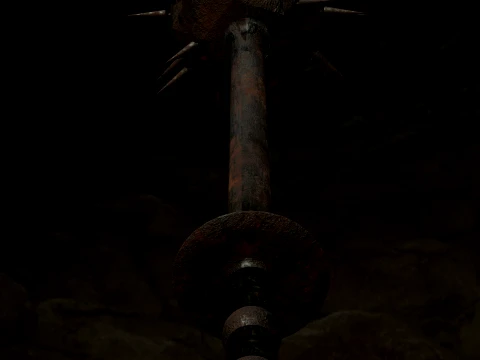
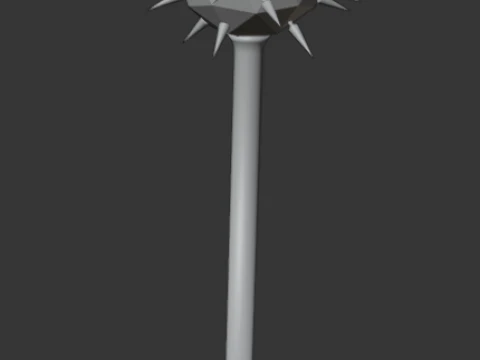
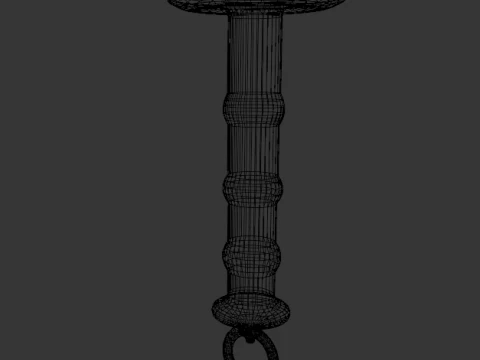
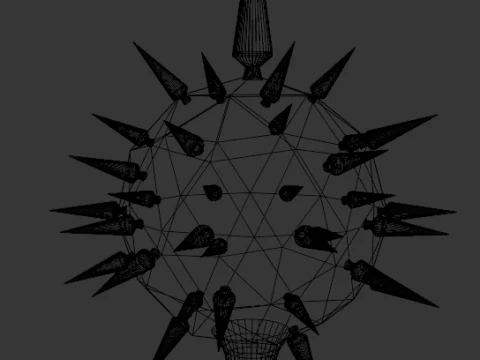
Bulava Low-poly Modello 3D
- Richiedi supporto per il prodotto


- Formati disponibili:
- ID Oggetto:643360
- Data: 2026-06-08
- Pligoni:17288
- Vertici:8714
- Animato:No
- Textured:Yes
- Rigged:Yes
- Materiali:Yes
- Low-poly:Yes
- Collezione:No
- Mapping UVW:No
- Plugins Utilizzati:No
- Stampa Pronta:No
- 3D Scan:No
- Per adulti:No
- PBR:No
- AI Formazione:No
- AI Generated:No
- Geometria:Polygonal
- UVs Aperti:Unknown
- Visualizzazioni:186
Descrizione
A mace (from the Common Slavic word "bula" meaning "cone, lump, ball"; according to another version, from the Turkic word "bulaġu" meaning "mace") is a short-shafted, striking and blunt weapon in the form of a handle with a spherical (or other shaped) striking part—the pommel.
According to some sources, a mace is a type of club, while others believe that a mace and a club are different types of striking and blunt weapons. The length of a mace's handle was typically about 50-80 centimeters; the pommel weighed 200-300 grams. The mace was a weapon used by both foot and mounted warriors. It could deliver a quick blow in any direction. Historical sources indicate that maces could be used not only for close combat but also as thrown weapons.
The mace is a development of the club. The first maces with stone pommels appeared in the Neolithic. In the Bronze Age, maces with metal pommels appeared. The oldest known bronze maces date back to the late 4th millennium BC. Maces were typical of the Ancient East. This weapon was not widespread in the ancient world; it began to be used in the Roman Empire only in the 2nd century AD. During the Middle Ages, this weapon was popular in the Middle East and India. In Western Europe, the mace became widespread in the 11th-13th centuries. In Rus', it was one of the main types of weaponry from the 11th to the 16th centuries. In the 13th-17th centuries, the mace was a fairly common weapon in many countries. From the 17th century, the mace and its variations degenerated into simple signs or symbols of power (for example, the field marshal's baton and the hetman's mace).
Stampa Pronta: NoHai bisogno di ulteriori formati?
Se hai bisogno di diversi formati, aprire un nuovo Ticket i Supporto e una richiesta per questo. Convertiamo modelli 3D a: .stl, .c4d, .obj, .fbx, .ma/.mb, .3ds, .3dm, .dxf/.dwg, .max. .blend, .skp, .glb. Conversione di formato gratuitaNon convertiamo scene 3d e formati come .step, .iges, .stp, .sldprt.!
Informazioni sull'utilizzo
Bulava - È possibile utilizzare questo modello 3D royalty-free sia per scopi personali che commerciali, in conformità con la licenza base o estesa.La licenza base copre la maggior parte dei casi d'uso standard, tra cui pubblicità digitale, progetti di design e visualizzazione, account aziendali sui social media, app native, app web, videogiochi e prodotti finali fisici o digitali (sia gratuiti che venduti).
La licenza estesa include tutti i diritti concessi dalla licenza base, senza limitazioni d'uso, e consente l'utilizzo del modello 3D in un numero illimitato di progetti commerciali secondo i termini royalty-free.
Leggi ulteriori
Offrite la garanzia di rimborso?
Sì, la offriamo. Se hai acquistato un prodotto e hai riscontrato degli errori nei renders o nella descrizione, proveremo a risolvere al più presto il problema. Se non possiamo correggere l'errore, annulleremo l'ordine e ti restituiremo i soldi entro 24 ore dal download dell'oggetto. Leggi le condizioni quiParole chiave
- bulava
- mazza
- arma
- 3d
- modello 3d
- modello
- butrim
- dimitributrim