
 English
 Español
 日本語
日本語 Polska
 Français
 한국의
한국의 Українська
 Italiano
 Nederlands
 Türkçe
 Português
















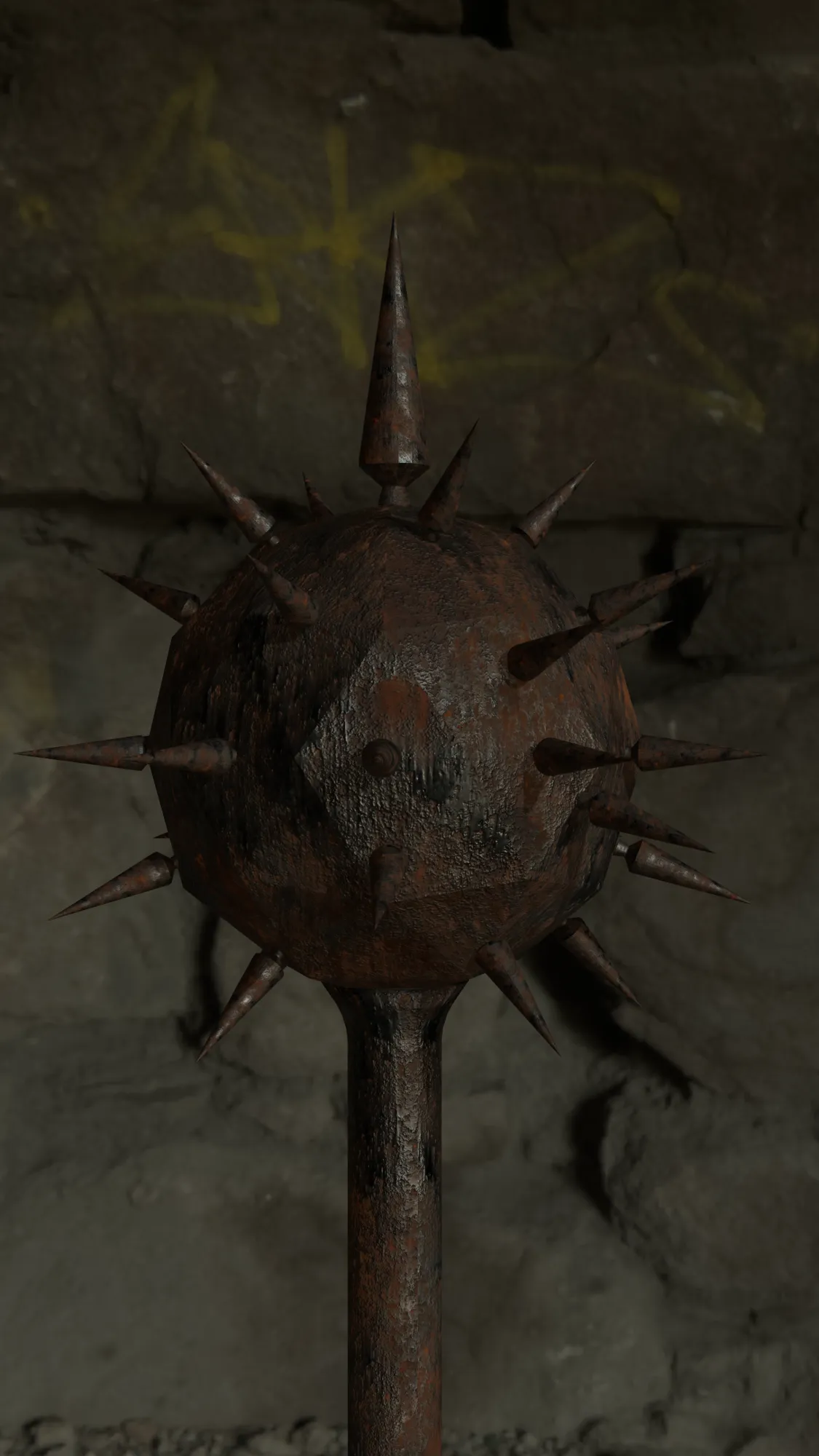
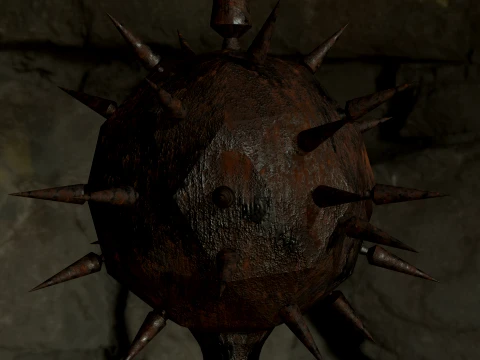
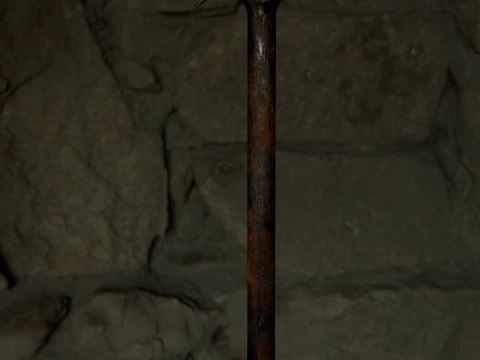
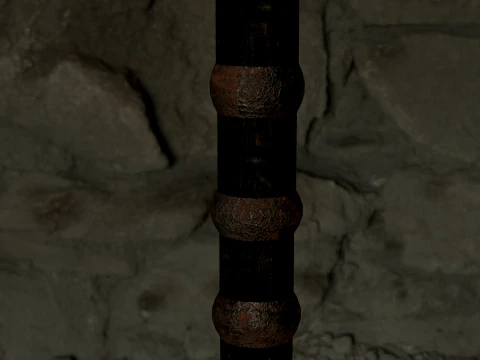
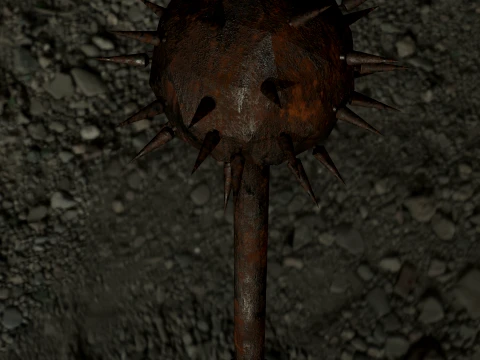
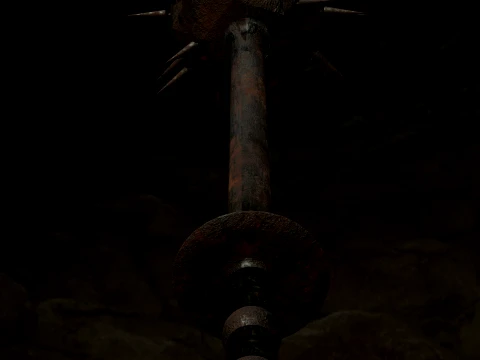
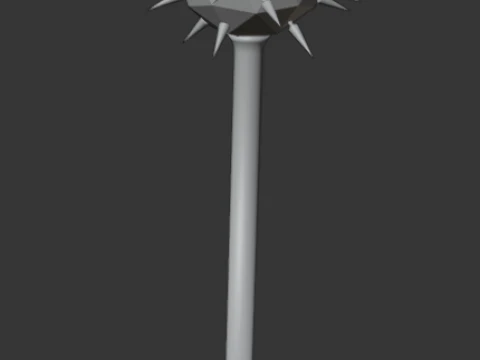
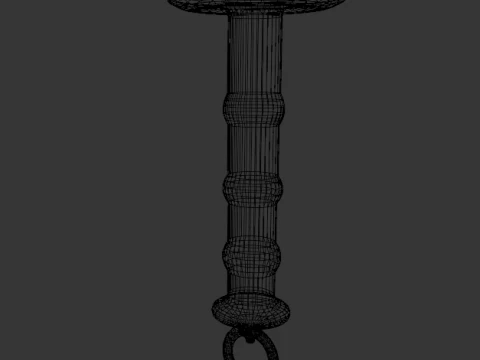
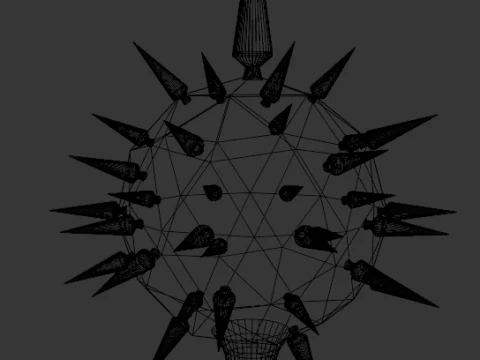
Bulava Low-poly 3D Modell
- Fordern Sie Produktunterstützung


- Verfügbare Formate:
- Artikel-ID:643360
- Datum: 2026-06-08
- Polygone:17288
- Eckpunkte:8714
- Animiert:No
- Texturen:Yes
- Rigged:Yes
- Materialien:Yes
- Low-poly:Yes
- Sammlung:No
- UVW mapping:No
- Plugins Used:No
- Druckfertige:No
- 3D Scan:No
- Erwachsene:No
- PBR:No
- KI-Training:No
- AI Generated:No
- Geometrie:Polygonal
- Unwrapped UVs:Unknown
- Betrachter:340
Beschreibung
A mace (from the Common Slavic word "bula" meaning "cone, lump, ball"; according to another version, from the Turkic word "bulaġu" meaning "mace") is a short-shafted, striking and blunt weapon in the form of a handle with a spherical (or other shaped) striking part—the pommel.
According to some sources, a mace is a type of club, while others believe that a mace and a club are different types of striking and blunt weapons. The length of a mace's handle was typically about 50-80 centimeters; the pommel weighed 200-300 grams. The mace was a weapon used by both foot and mounted warriors. It could deliver a quick blow in any direction. Historical sources indicate that maces could be used not only for close combat but also as thrown weapons.
The mace is a development of the club. The first maces with stone pommels appeared in the Neolithic. In the Bronze Age, maces with metal pommels appeared. The oldest known bronze maces date back to the late 4th millennium BC. Maces were typical of the Ancient East. This weapon was not widespread in the ancient world; it began to be used in the Roman Empire only in the 2nd century AD. During the Middle Ages, this weapon was popular in the Middle East and India. In Western Europe, the mace became widespread in the 11th-13th centuries. In Rus', it was one of the main types of weaponry from the 11th to the 16th centuries. In the 13th-17th centuries, the mace was a fairly common weapon in many countries. From the 17th century, the mace and its variations degenerated into simple signs or symbols of power (for example, the field marshal's baton and the hetman's mace).
Druckfertige: NeinSie brauchen mehr Formate?
Falls Sie ein anderes Format benötigen, eröffnen Sie bitte ein neues Support-Ticket und fragen Sie danach. Wir können 3D Modelle in folgende Formate konvertieren: .stl, .c4d, .obj, .fbx, .ma/.mb, .3ds, .3dm, .dxf/.dwg, .max. .blend, .skp, .glb. Kostenlose FormatkonvertierungWir konvertieren keine 3D Szenen und Formate wie .step, .iges, .stp, .sldprt usw!
Nutzungsinformationen
Bulava - Sie können dieses lizenzfreie 3D Modell gemäß der Basis- oder erweiterten Lizenz sowohl für private als auch für kommerzielle Zwecke verwenden.Die Basislizenz deckt die meisten Standardanwendungsfälle ab, darunter digitale Werbung, Design- und Visualisierungsprojekte, Social-Media-Konten von Unternehmen, native Apps, Web-Apps, Videospiele sowie physische oder digitale Endprodukte (sowohl kostenlos als auch kostenpflichtig).
Die Erweiterte Lizenz umfasst alle unter der Basislizenz gewährten Rechte ohne Nutzungsbeschränkungen und ermöglicht die Verwendung des 3D Modells in unbegrenzten kommerziellen Projekten unter Lizenzgebührenfreiheit.
Mehr lesen