


 English
 Español
 Deutsch
 日本語
日本語 Français
 한국의
한국의 Українська
 Italiano
 Nederlands
 Türkçe
 Português
 Bahasa Indonesia
 Русский
 中國
中國 हिंदी
हिंदी
















astronauta Modele 3D
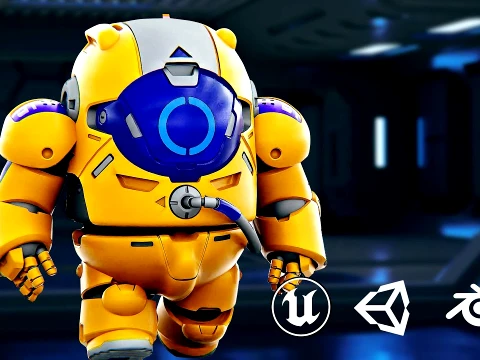
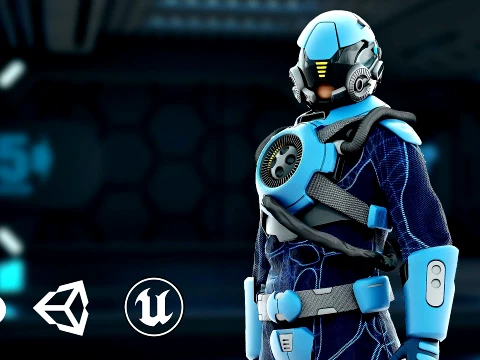
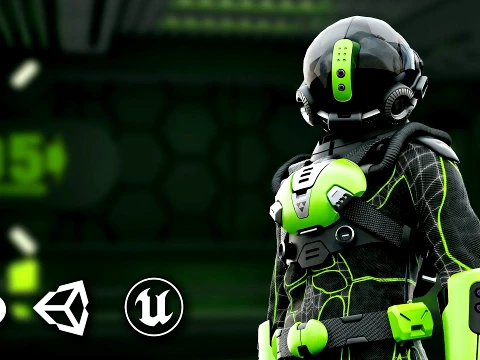
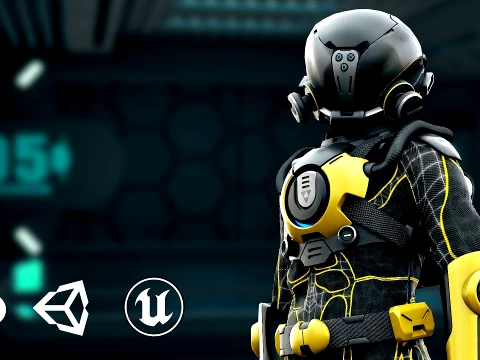
Mamy 285 produkty/ów Bez opłat licencyjnych astronaut Modele 3D. Kup lub pobierz bezpłatne modele 3D do swoich projektów CG, produkcji filmowych i wideo, animacji, wizualizacji, gier, VR/AR i innych. Możesz pobrać dowolny model 3D we wszystkich popularnych formatach 3D, w tym MAX, OBJ, FBX, 3DS, STL, C4D, BLEND, MAYA
 brunonunesdpCartoon
 Devils3DArtistDecor
- -30%
 FenixArtsAnimals
 - -30%
 FenixArtsAnimals
 - -30%
 FenixArtsMan
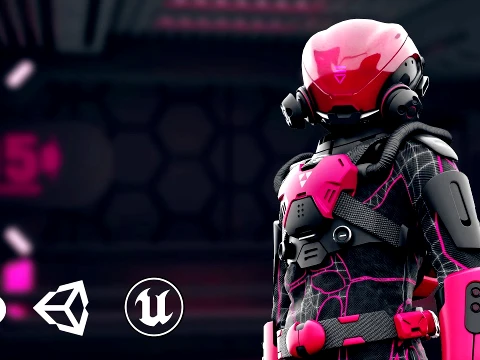
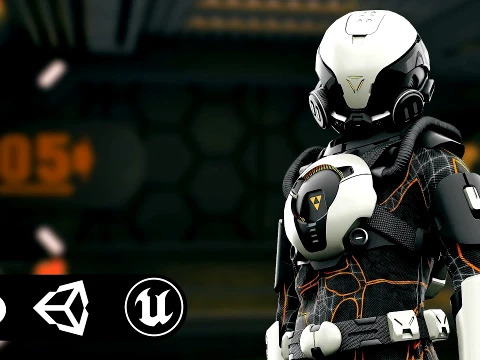
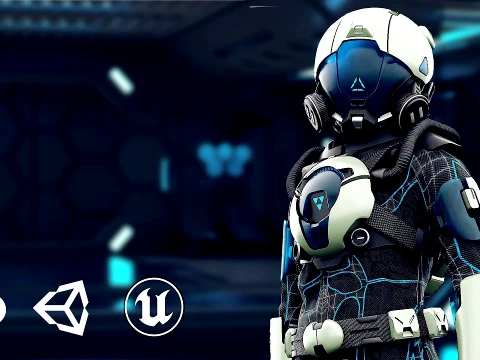
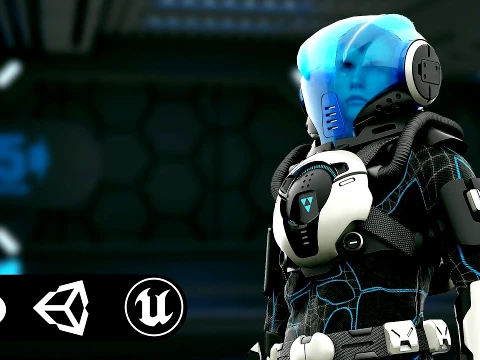

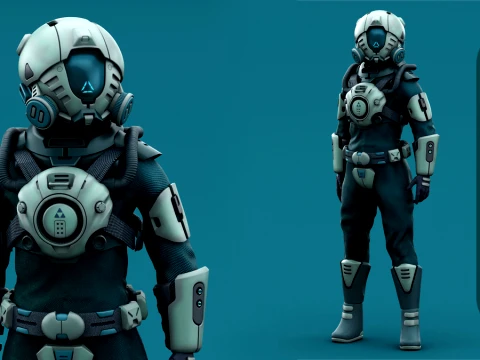









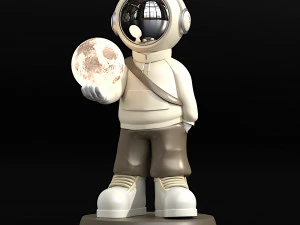
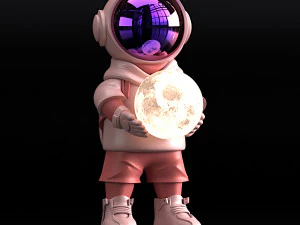



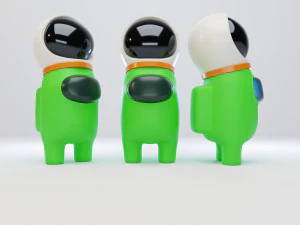
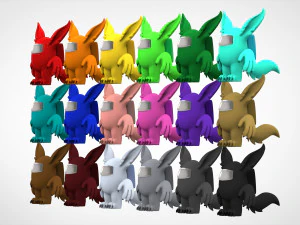


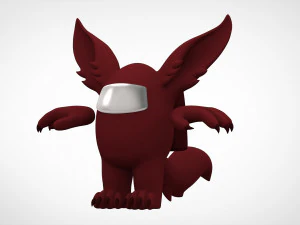

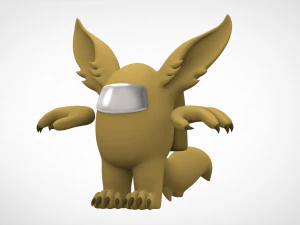




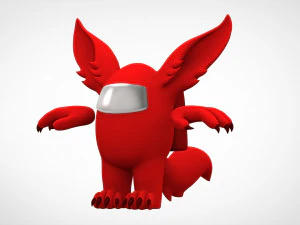

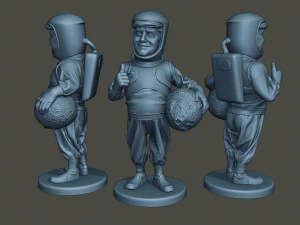


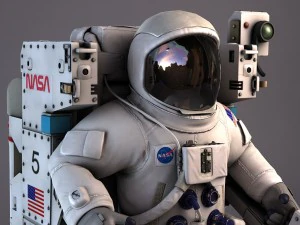
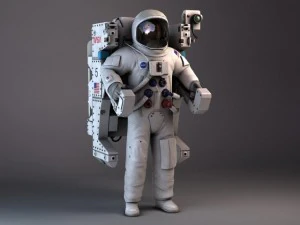



Popularne wyszukiwania Modele 3D:
Rzeźba Modele 3D Postacie Modele 3D Kuchnia Modele 3D Koń Modele 3D Architektoniczne Zewnątrz Modele 3D Telefon i Komórkowy Modele 3D Warzywo Modele 3D Biżuteria Modele 3D Zabawki Modele 3D Medyczny Modele 3D Śmigłowiec Modele 3D Ciężka Broń Modele 3D Ciężarówka Modele 3D Anatomia Modele 3DQ1: What spacesuit designs are available as astronaut 3D models?
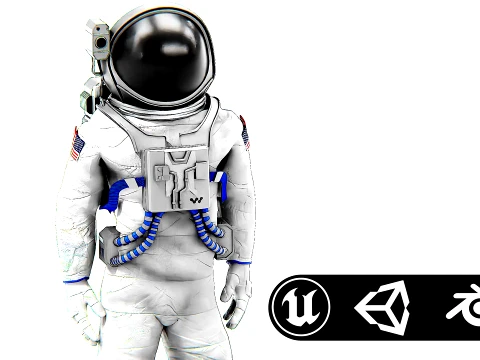
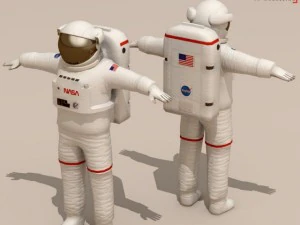
The catalog covers the major design eras. Classic Apollo-era EVA suits: the A7L with its characteristic white multilayer suit, gold-visored helmet, and PLSS backpack. Shuttle-era EMU (Extravehicular Mobility Unit): the suit still used on ISS EVAs as of 2024–2026, recognizable by its hard upper torso shell and modular construction. Next-generation suits: NASA's xEMU (Exploration Extravehicular Mobility Unit) designed for Artemis lunar missions, and Axiom Space's commercial suit designs. SpaceX's Crew Dragon IVA (intravehicular) suit — a sleeker, form-fitting design not meant for EVA. Sci-fi original suits with futuristic design language. Each design era has distinct visual characteristics; Apollo suits and modern suits are not interchangeable for period-accurate projects.
Q2: What makes an astronaut 3D model suitable for realistic space visualization?
Suit detail accuracy and correct scale relative to spacecraft geometry. An astronaut in EVA outside the ISS needs to match the scale of ISS module geometry — EMU suits are bulky, roughly 1.8–2m tall with the PLSS backpack. The suit material is multilayer — an outer layer of ortho-fabric (the off-white woven material visible in photos), with the characteristic blue "snoopy cap" communications hat visible through the helmet visor if interior detail is included. Helmet visor reflections are the detail that elevates astronaut renders: the gold-coated visor (it's actually a thin gold film on the outer visor for UV and solar glare protection) reflects the spacecraft and Earth in a curved, panoramic reflection that immediately grounds the scene.
Q3: What are astronaut 3D models used for in current productions?
Space agency visualization and public communication is a primary professional use — NASA, ESA, and JAXA regularly use 3D astronaut models for mission explanation animations, educational content, and promotional material. Space tourism company marketing uses photorealistic astronaut renders for promotional content before missions fly. Video games with space settings — from realistic sim titles to action games — use astronaut characters. Science education content about human spaceflight, the ISS, and upcoming Artemis and commercial lunar missions is a growing content category. Film and TV productions set in space — both realistic and science fiction — use astronaut base models as starting points for character design.
Q4: How do I set up a realistic space EVA scene in Blender?
Space rendering requires specific lighting conditions. The sun in low Earth orbit (LEO) is unfiltered by atmosphere — a hard, intense directional light with no atmospheric scattering. Set your sun lamp to very high intensity (1000–5000 in Blender units) with a very small angle (0.1–0.5 degrees) for sharp, hard shadows. Fill light comes from Earth albedo — a large, diffuse area light below the scene representing Earth reflecting sunlight back at the astronaut, warm and blue-white, at roughly 10–20% of direct sun intensity. Add a very faint starfield background (HDR starmap at 0.01–0.05 intensity — stars are invisible next to the sun in real EVA photography). The combination of hard sun shadow, Earth fill, and zero atmospheric scatter gives the unmistakable appearance of orbital space.