


 English
 Español
 Deutsch
 日本語
日本語 Français
 한국의
한국의 Українська
 Italiano
 Nederlands
 Türkçe
 Português
 Bahasa Indonesia
 Русский
 中國
中國 हिंदी
हिंदी
















futrzany Modele 3D
Mamy 729 produkty/ów Bez opłat licencyjnych furry Modele 3D. Kup lub pobierz bezpłatne modele 3D do swoich projektów CG, produkcji filmowych i wideo, animacji, wizualizacji, gier, VR/AR i innych. Możesz pobrać dowolny model 3D we wszystkich popularnych formatach 3D, w tym MAX, OBJ, FBX, 3DS, STL, C4D, BLEND, MAYA
- -50%
 Avera3dPendants
 - -50%
 Avera3dPendants
 - -50%
 SillyToysAnimals
 - -50%
 SillyToysMonsters and Creatures
 - -50%
 SillyToysAnimals
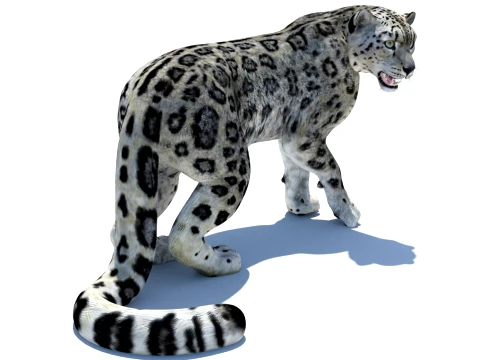
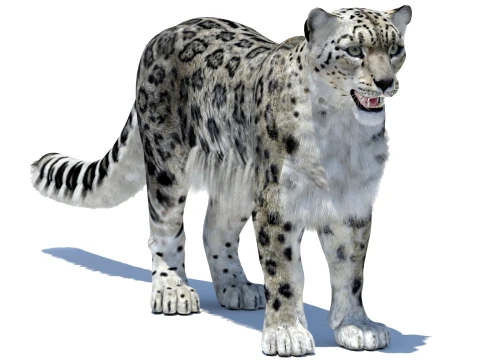
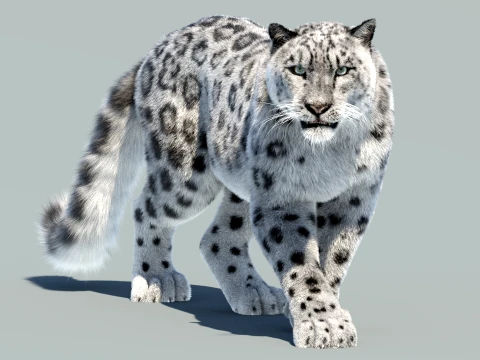
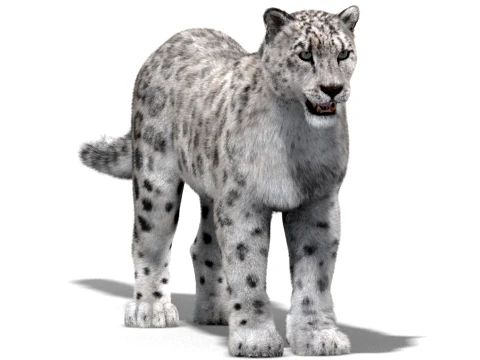















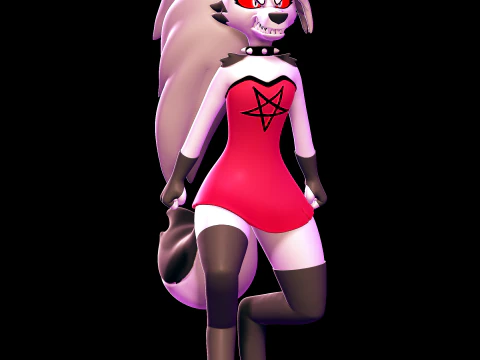


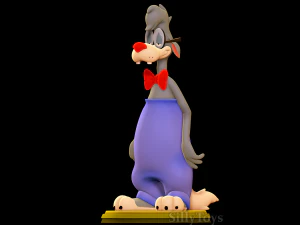


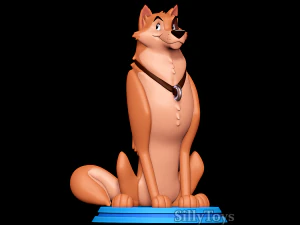
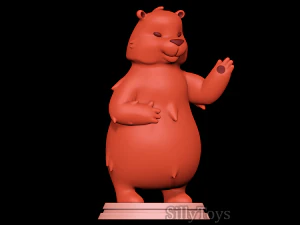


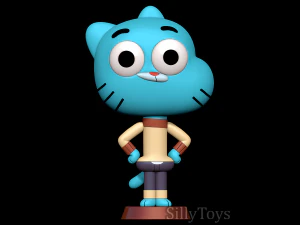





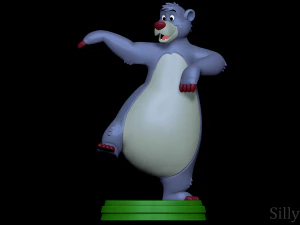
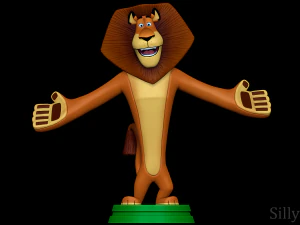


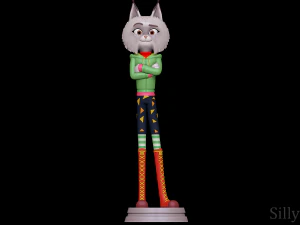


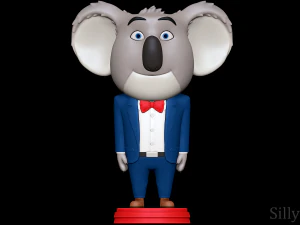


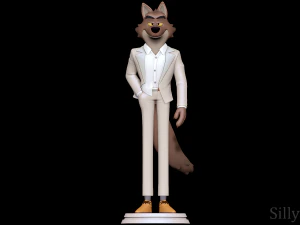
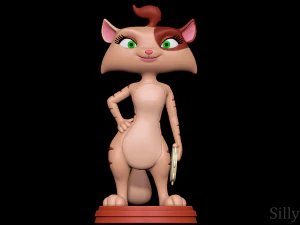
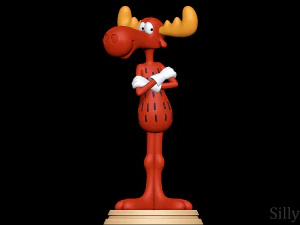

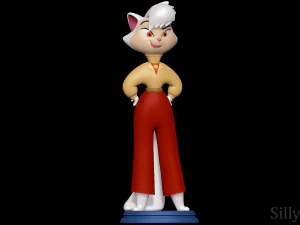

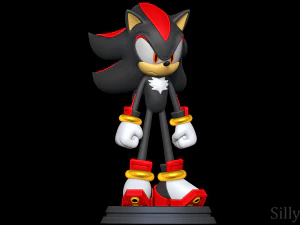





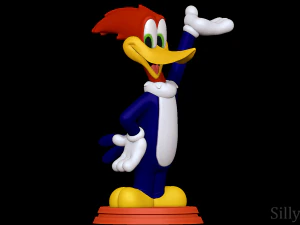

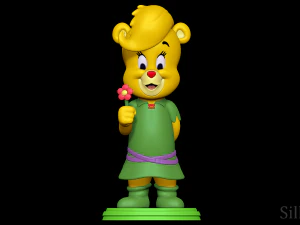
Popularne wyszukiwania Modele 3D:
Rzeźba Modele 3D Postacie Modele 3D Kuchnia Modele 3D Koń Modele 3D Architektoniczne Zewnątrz Modele 3D Telefon i Komórkowy Modele 3D Warzywo Modele 3D Biżuteria Modele 3D Zabawki Modele 3D Medyczny Modele 3D Śmigłowiec Modele 3D Ciężka Broń Modele 3D Ciężarówka Modele 3D Anatomia Modele 3DQ1: What makes a good furry/anthro 3D character model for animation?
Proportions and rig quality are the two things that matter most. Anthro characters typically blend human bipedal structure with animal features — digitigrade legs, animal head, tail, and ear placement. The rig needs to handle the digitigrade leg setup correctly: the heel is elevated off the ground and what looks like a "knee" bending backward is actually the ankle joint. Most standard human biped rigs don't accommodate this without modification. A properly built digitigrade rig positions the foot bones correctly so locomotion animations — walk, run, idle — look natural rather than puppet-like. Tail rigs should have 8–15 bones with secondary motion for realistic follow-through.
Q2: Are furry character 3D models suitable for VRChat avatar use?
VRChat is actually one of the primary markets for this asset type. The platform has specific technical requirements: avatar models must be under 70,000 polygons for "Good" performance rating, textures should be atlased and kept under 2K per material slot, and the rig must use Unity's Humanoid avatar configuration for full-body tracking to work correctly. The digitigrade leg setup mentioned above creates a specific problem for VRChat: Unity's Humanoid rig expects plantigrade feet, so digitigrade avatars typically use a plantigrade "fake legs" workaround where visible digitigrade leg geometry is separate from the actual rig bones. This is standard practice in the VRChat avatar community.
Q3: What fur rendering techniques work best for anthro 3D characters?
Three approaches exist, each with trade-offs. Shell fur: layered transparent polygon shells offset outward from the body, each with a fur texture with alpha cutout. Fast for real-time, limited depth. Strand-based fur: actual geometry strands generated from hair particle systems (Blender) or XGen (Maya). Highest quality, impractical for real-time. Card-based fur: carefully placed flat polygons with fur alpha textures, manually arranged for natural look. Standard for game characters — VRChat avatars almost universally use cards. For still renders and animations, shell fur in EEVEE gives real-time-quality results; Cycles with strand simulation produces film-quality fur but render times scale accordingly.
Q4: Can furry 3D models be used in indie game development commercially?
Yes — with proper licensing. Most models on 3DExport include a commercial license for use in games and applications. The key distinction is between using the model in your own shipped game (standard commercial license covers this) versus reselling the model itself or including it in an asset pack for redistribution. For VRChat specifically, avatars distributed publicly as free downloads are technically not commercial but exist in a grey area around redistribution rights. Always check the specific license on each product page. Some sellers explicitly state "no redistribution" or "personal use only" — respect those terms regardless of community norms.