


 English
 Español
 Deutsch
 日本語
日本語 Français
 한국의
한국의 Українська
 Italiano
 Nederlands
 Türkçe
 Português
 Bahasa Indonesia
 Русский
 中國
中國 हिंदी
हिंदी
















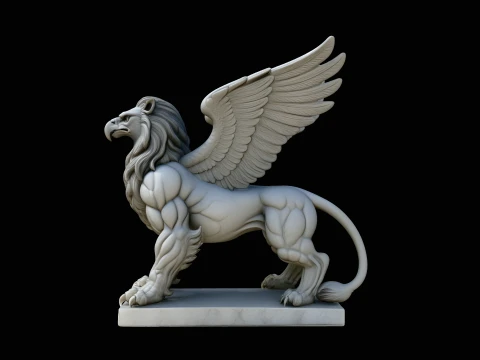
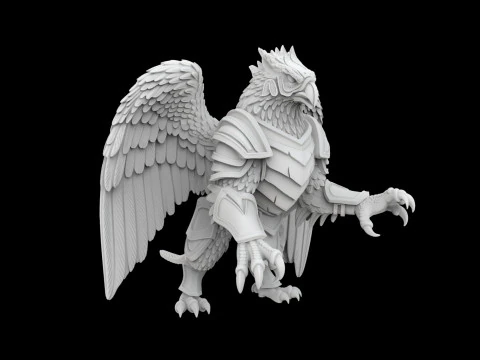
gryf bajeczny Modele 3D
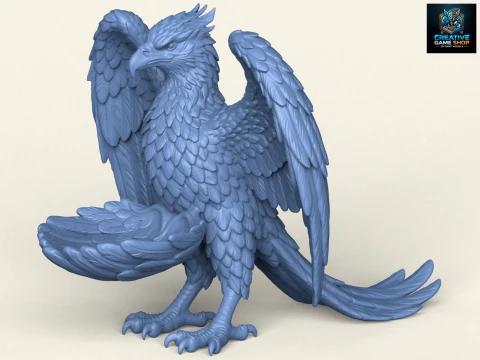
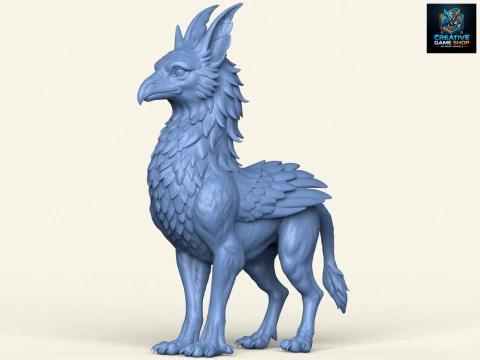
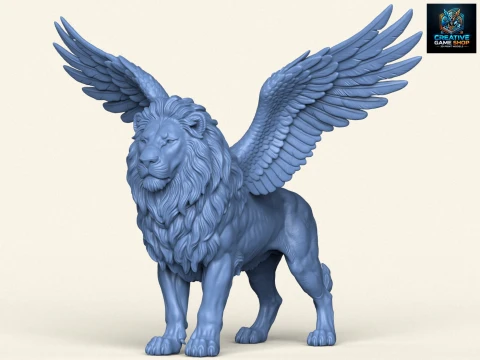
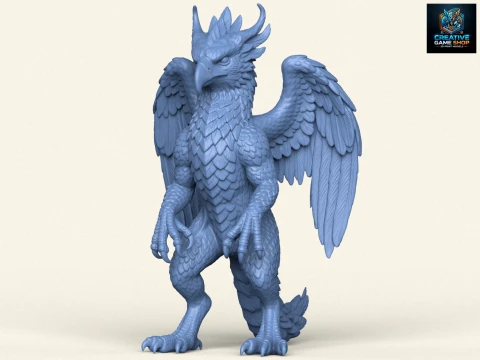
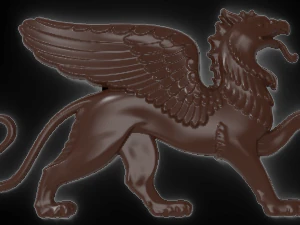
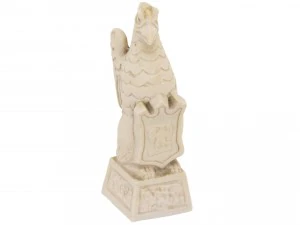
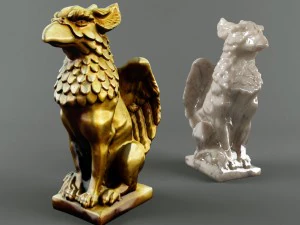
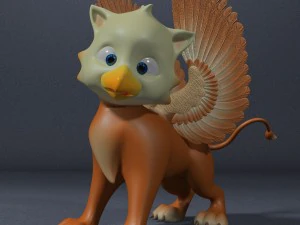
Mamy 95 produkty/ów Bez opłat licencyjnych griffin Modele 3D. Kup lub pobierz bezpłatne modele 3D do swoich projektów CG, produkcji filmowych i wideo, animacji, wizualizacji, gier, VR/AR i innych. Możesz pobrać dowolny model 3D we wszystkich popularnych formatach 3D, w tym MAX, OBJ, FBX, 3DS, STL, C4D, BLEND, MAYA
- -20%
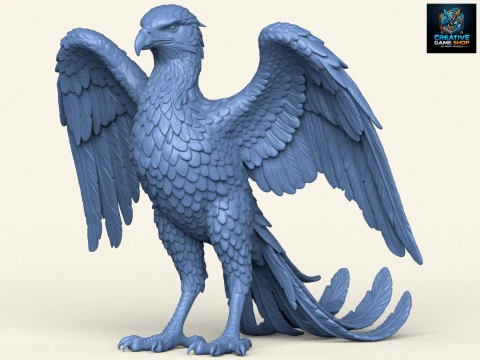 creativegameshopMonsters and Creatures
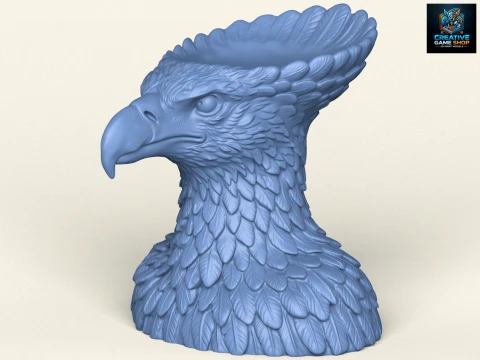
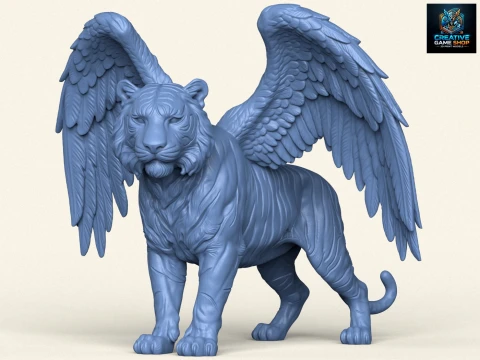
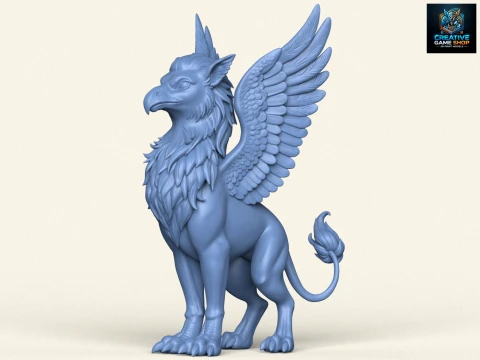
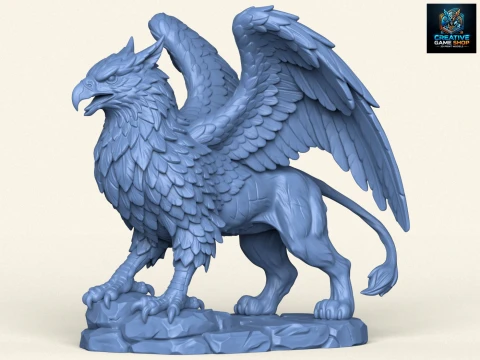
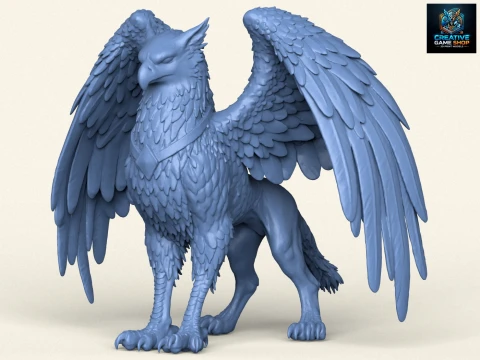
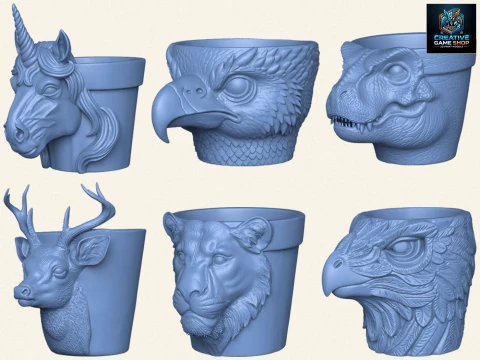
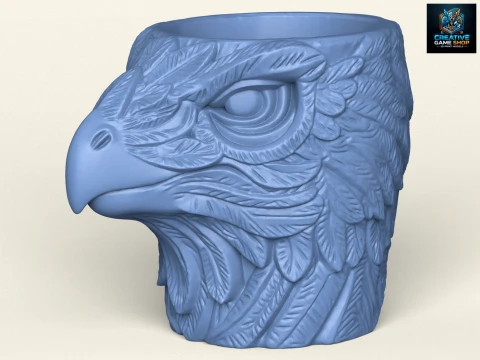







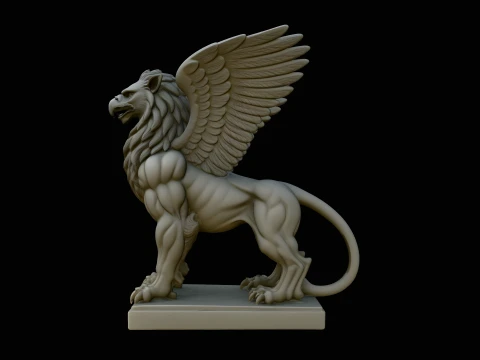
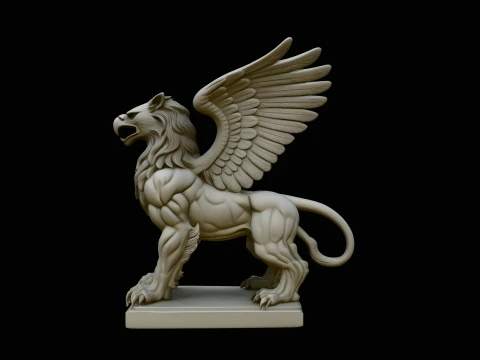









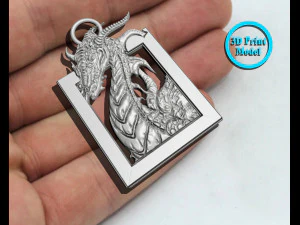
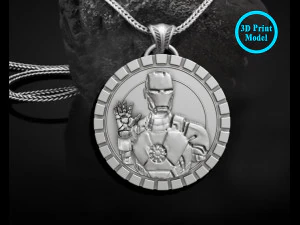
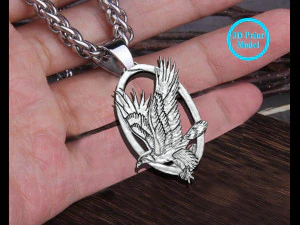

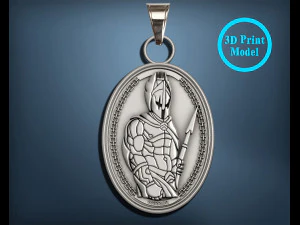


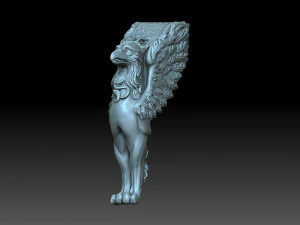
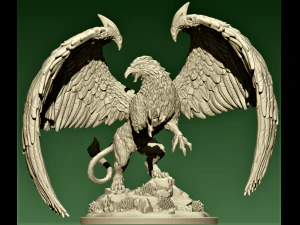



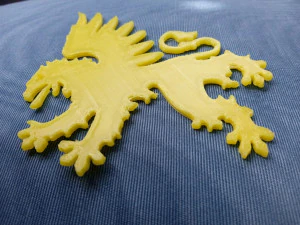
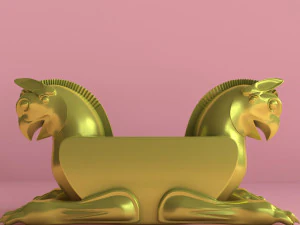








Popularne wyszukiwania Modele 3D:
Rzeźba Modele 3D Postacie Modele 3D Kuchnia Modele 3D Koń Modele 3D Architektoniczne Zewnątrz Modele 3D Telefon i Komórkowy Modele 3D Warzywo Modele 3D Biżuteria Modele 3D Zabawki Modele 3D Medyczny Modele 3D Śmigłowiec Modele 3D Ciężka Broń Modele 3D Ciężarówka Modele 3D Anatomia Modele 3DQ1: Can Peter Griffin 3D models be used commercially?
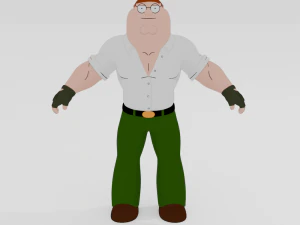
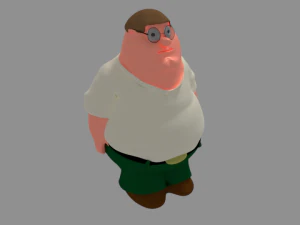
No — Peter Griffin is owned by 20th Century Studios and Fox Entertainment, with Seth MacFarlane holding creator rights. Family Guy is actively licensed IP and commercial use of character likenesses without authorization is infringement. Fox has historically pursued unauthorized commercial use of its animated properties. Fan art, non-commercial animation practice, and personal projects are the practical use cases for these models. The character has become a meme format in its own right — the "Peter Griffin falls down stairs" sound and various reaction formats — which drives demand for 3D model versions for content creation. Non-monetized YouTube content and personal projects represent the realistic scope of use.
Q2: What makes Peter Griffin a technically interesting character to model in 3D?
The challenge is translating a deliberately flat 2D cartoon design into a convincing 3D form. Family Guy's animation style is intentionally simple — limited animation principles, restricted perspective range, designs that work in two dimensions but weren't built for three. A 3D Peter Griffin has to resolve questions the 2D design deliberately avoids: how does the head connect to the body at three-quarter view? What does the back of the head look like? The spherical body, tiny legs, and massive head require specific geometry decisions that no canonical reference answers. The glasses without frames — just floating oval lenses — are particularly awkward to model convincingly as geometry.
Q3: What rig features matter most for animating a Peter Griffin fan model?
Given the character's animation vocabulary in the show — slow, waddling walk, exaggerated falls, pratfalls, and facial reactions — the rig priorities are: a belly jiggle system (soft body simulation or spring-based secondary motion on the large abdominal area), a facial rig covering the wide emotional range (the show uses extreme expressions freely), and a simple but effective fall/ragdoll-compatible body setup. The walk cycle specifically should capture the distinctive waddle — weight shifting heavily side to side with the tiny legs doing most of the work. Standard biped walk cycles look wrong on his proportions; the walk needs to be built specifically for his body ratio.
Q4: What rendering approach captures the Family Guy visual style in 3D fan work?
Flat cel shading with clean ink outlines is the baseline. Family Guy uses even flatter shading than most animated shows — minimal gradient within any given color region, strong black outlines of consistent weight. In Blender, EEVEE with a Toon BSDF shader (two shade levels maximum) and Freestyle at 1.5–2px line weight approximates this. The character's skin color — a specific peachy-tan — should be flat with no subsurface scatter, since the show doesn't attempt photorealism. Background elements in Family Guy use a slightly different line weight from character outlines — thinner for props, thicker for character silhouettes. Replicating this hierarchy in Freestyle requires separate render passes for characters and background props.