


 English
 Español
 Deutsch
 日本語
日本語 Français
 한국의
한국의 Українська
 Italiano
 Nederlands
 Türkçe
 Português
 Bahasa Indonesia
 Русский
 中國
中國 हिंदी
हिंदी
















ręka Modele 3D
Mamy 2686 produkty/ów Bez opłat licencyjnych hand Modele 3D. Kup lub pobierz bezpłatne modele 3D do swoich projektów CG, produkcji filmowych i wideo, animacji, wizualizacji, gier, VR/AR i innych. Możesz pobrać dowolny model 3D we wszystkich popularnych formatach 3D, w tym MAX, OBJ, FBX, 3DS, STL, C4D, BLEND, MAYA
- -40%
 Avera3dPendants
 - -40%
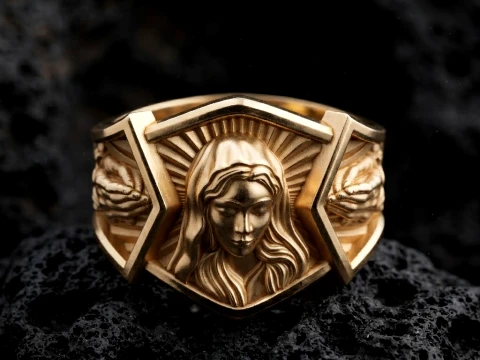 Avera3dRings
 - -40%
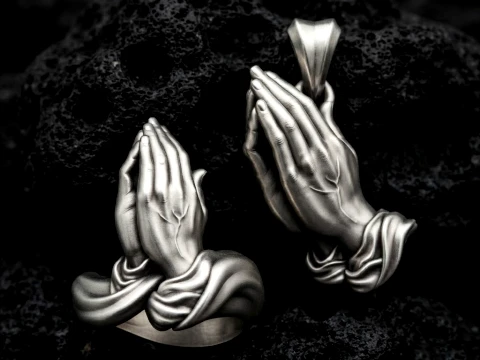 Avera3dPendants

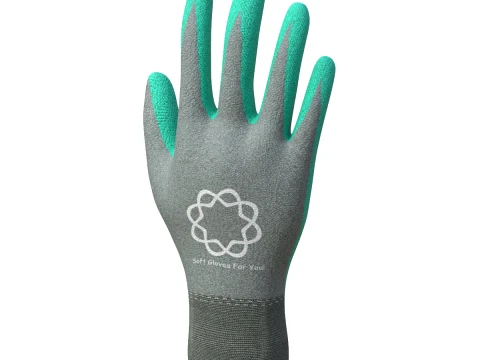
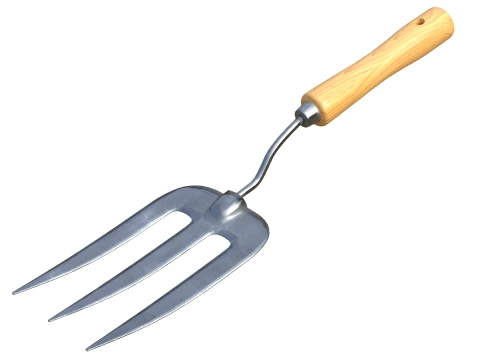

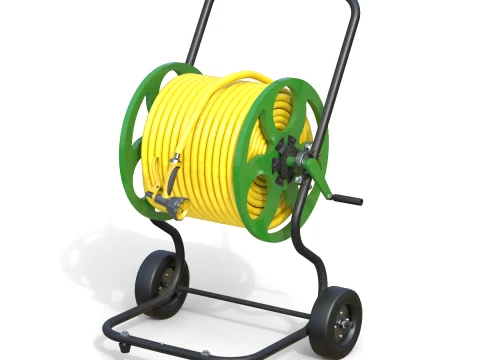
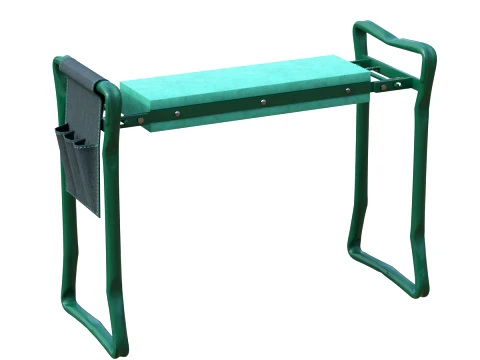










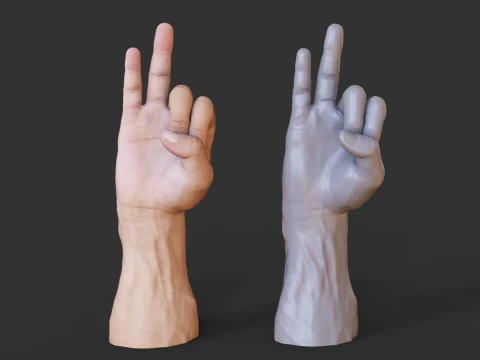
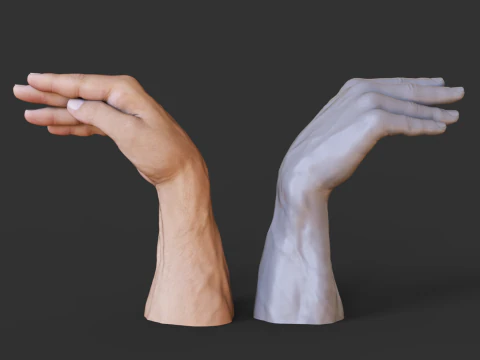

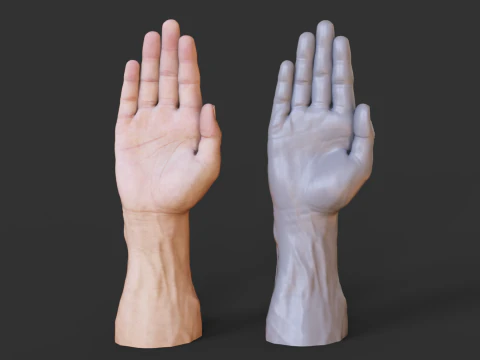


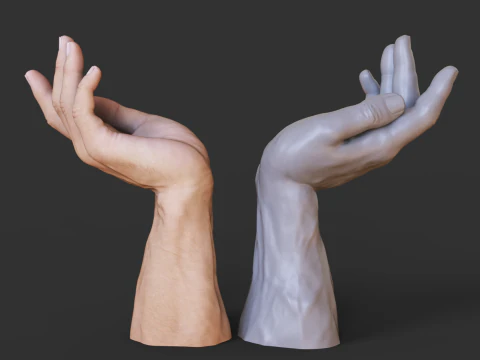
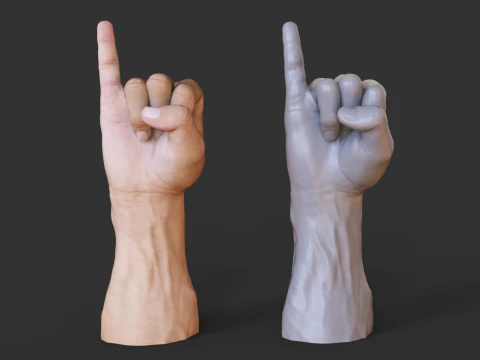


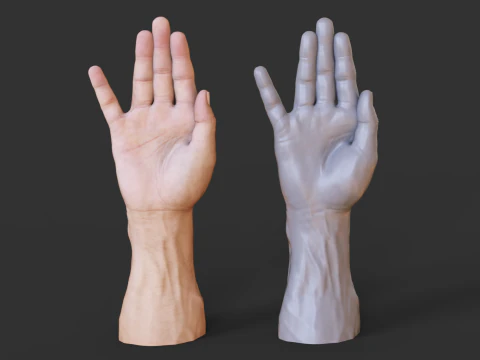
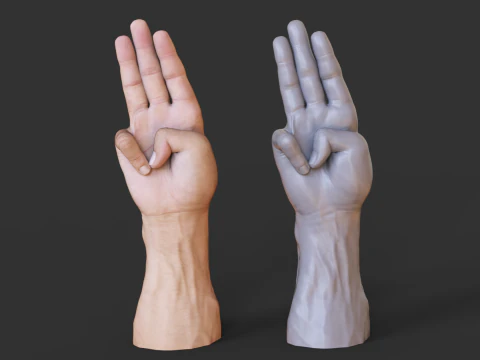
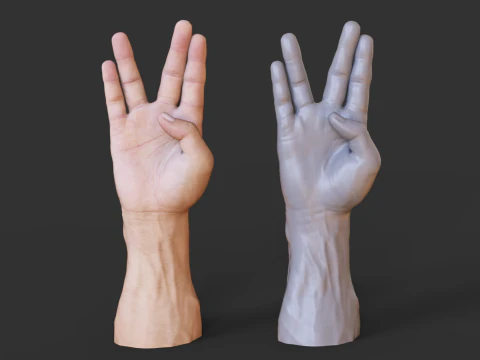

Popularne wyszukiwania Modele 3D:
Rzeźba Modele 3D Postacie Modele 3D Kuchnia Modele 3D Koń Modele 3D Architektoniczne Zewnątrz Modele 3D Telefon i Komórkowy Modele 3D Warzywo Modele 3D Biżuteria Modele 3D Zabawki Modele 3D Medyczny Modele 3D Śmigłowiec Modele 3D Ciężka Broń Modele 3D Ciężarówka Modele 3D Anatomia Modele 3DQ1: What makes a hand 3D model suitable for realistic animation?
Good topology and a proper rig — those two things together. The hand is one of the hardest body parts to animate convincingly because it has 27 bones, each needing clean deformation geometry. For a production-ready hand, each finger should have 3–4 edge loops per phalanx, and the palm needs enough geometry to show tendon movement during grip poses. The rig should include both FK controls for general posing and IK handles for finger-tip targeting — useful in games where hands interact with surfaces. Avoid models where all fingers share a single bone per segment; that setup produces the flat, puppet-hand look that breaks immersion immediately.
Q2: Are anatomically correct hand 3D models useful for medical applications?
Very much so — hand anatomy models are used in surgical planning visualization, physiotherapy education, and prosthetics design. For medical use, look for models that include carpal bone detail, correct tendon sheaths, and accurate scale (an average adult hand is roughly 189mm from wrist crease to middle fingertip). Some sellers on 3DExport offer layered anatomy models — separate meshes for skin, muscle, tendon, and bone — which allow educators to peel back layers in real-time presentations. These are worth significantly more than a simple hand mesh, and priced accordingly.
Q3: Can a hand 3D model be used for glove or ring product visualization?
Yes — this is a common e-commerce use case. Import the hand model into Blender, Cinema 4D, or KeyShot, fit the glove or jewelry geometry to the hand mesh, apply PBR materials, and render. The hand acts as a display prop. For ring visualization specifically, the finger geometry needs to be accurate in circumference — a standard ring size 7 (US) fits a finger circumference of roughly 55mm. If the model's finger proportions don't match real ring sizing, your client will notice immediately when they try to match renders to their actual product. Check whether the seller specifies real-world scale.
Q4: How many bones should a properly rigged hand 3D model have?
For a full, animatable hand rig, expect 20–25 bones: 3 per finger (proximal, middle, distal phalanx), 2 for the thumb, plus metacarpal controls and a wrist joint. Some rigs add an additional palm bone per finger column to allow subtle knuckle spreading. Game-ready rigs sometimes simplify to 15 bones by merging metacarpals with proximal bones — acceptable for most game scenarios, though it limits palm expressiveness. For VR hand tracking applications, the hand rig needs to match the bone structure that XR SDKs output — Meta's OpenXR hand tracking standard defines 26 joint positions, which is worth matching exactly for clean binding.