


 English
 Español
 Deutsch
 日本語
日本語 Français
 한국의
한국의 Українська
 Italiano
 Nederlands
 Türkçe
 Português
 Bahasa Indonesia
 Русский
 中國
中國 हिंदी
हिंदी
















królik Modele 3D
Mamy 939 produkty/ów Bez opłat licencyjnych rabbit Modele 3D. Kup lub pobierz bezpłatne modele 3D do swoich projektów CG, produkcji filmowych i wideo, animacji, wizualizacji, gier, VR/AR i innych. Możesz pobrać dowolny model 3D we wszystkich popularnych formatach 3D, w tym MAX, OBJ, FBX, 3DS, STL, C4D, BLEND, MAYA
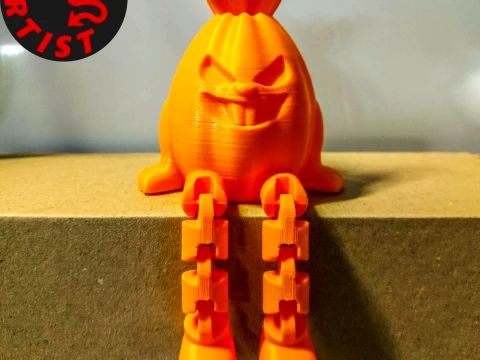 Devils3DArtistDecor
- -50%
 deckoratorToys
 - -50%
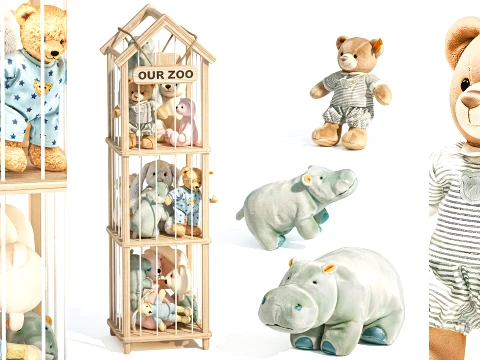 deckoratorToys
 - -50%
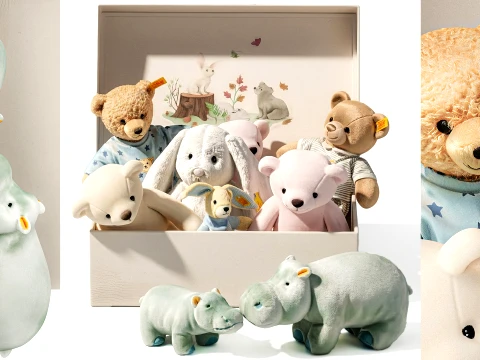 deckoratorToys
 - -50%
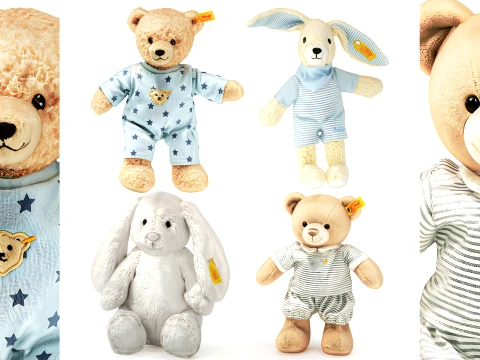 deckoratorOther
 - -50%
 deckoratorFlowers
 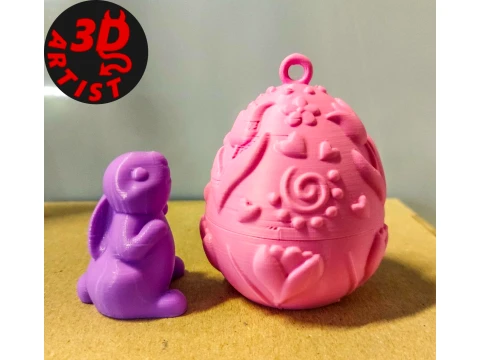 Devils3DArtistDecor
- -50%
 RevereelStudioMonster
 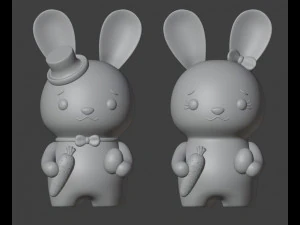 Devils3DArtistDecor
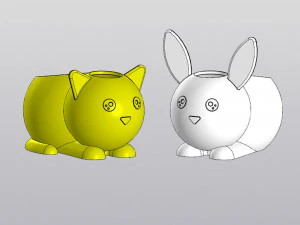 Devils3DArtistDecor


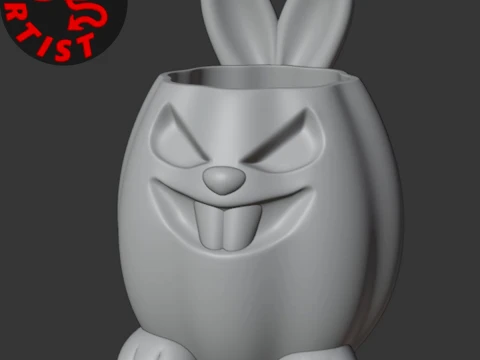
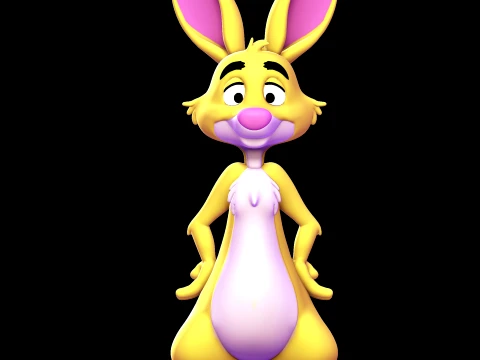
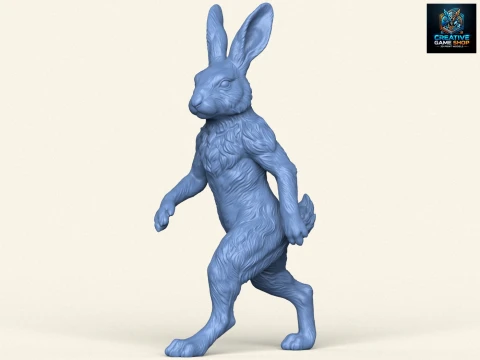


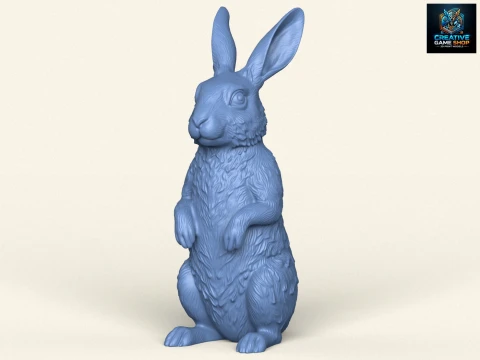





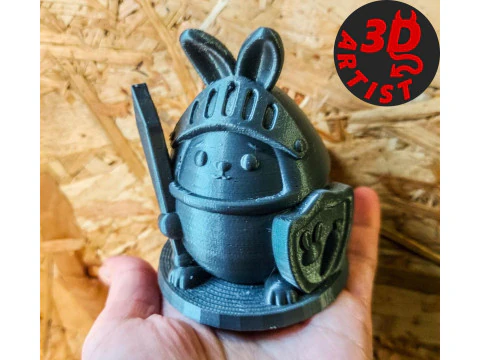
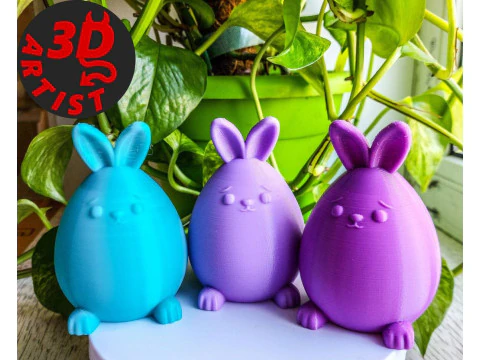


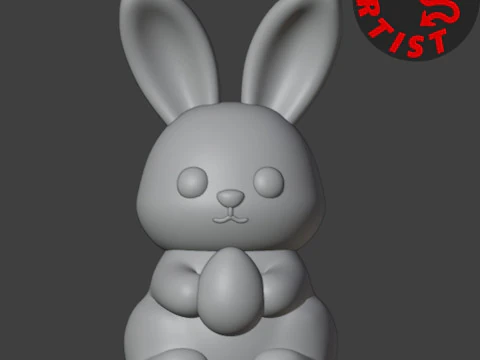











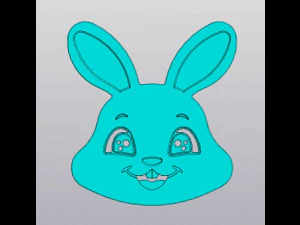
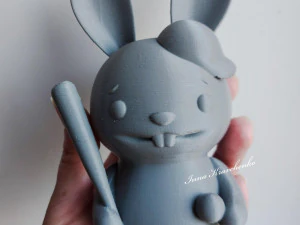
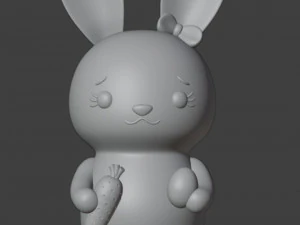

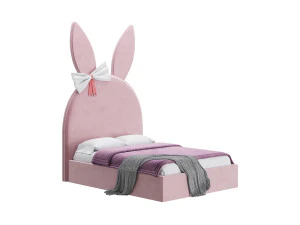















Popularne wyszukiwania Modele 3D:
Rzeźba Modele 3D Postacie Modele 3D Kuchnia Modele 3D Koń Modele 3D Architektoniczne Zewnątrz Modele 3D Telefon i Komórkowy Modele 3D Warzywo Modele 3D Biżuteria Modele 3D Zabawki Modele 3D Medyczny Modele 3D Śmigłowiec Modele 3D Ciężka Broń Modele 3D Ciężarówka Modele 3D Anatomia Modele 3DQ1: What species of rabbit are represented in 3D model catalogs?
European rabbit (Oryctolagus cuniculus) in both wild and domestic variants is the most common. Domestic breeds — Holland Lop, Netherland Dwarf, Flemish Giant — appear less frequently but exist for pet-focused content. Wild cottontail rabbits (Sylvilagus species) show up for nature and wildlife visualization. Stylized cartoon rabbits — the Bugs Bunny tradition of anthropomorphized, bipedal, expressive bunnies — are actually a substantial portion of the catalog because the demand from animation practice and game character work is high. Easter-themed bunnies with anthropomorphic features and spring aesthetics spike in seasonal demand every year.
Q2: Are rigged rabbit 3D models available with ear animation controls?
Yes — and ear control is one of the most expressive features unique to rabbit character rigs. Rabbit ears function as emotional indicators: forward-facing for alertness and curiosity, laid back for fear or aggression, one-up-one-down for ambivalence or confusion. A good rabbit rig has independent controls for each ear — base rotation, mid-point bend, and tip curl as separate controls. This allows the full range of ear expressions without needing blend shapes. The ear geometry itself needs 4–6 bones per ear for convincing articulation. For realistic rabbits, the inner ear fur/skin geometry should deform slightly differently from the outer — it's a subtle detail that separates careful rigs from generic ones.
Q3: Can 3D rabbit models be used for Easter marketing content?
Absolutely — this is one of the highest-demand seasonal use cases for this asset type. Easter marketing renders typically feature rabbits in product-adjacent scenes: carrying baskets, interacting with branded packaging, positioned in spring outdoor environments. For still renders in Blender or Cinema 4D with product visualization, a realistic rabbit at camera-close distances needs 4K fur textures and proper subsurface scatter on the skin visible through thin fur areas like inside the ears. For animated social media content, a stylized cartoon rabbit with simple rig is faster to produce and typically performs better on platforms like Instagram where the visual communication needs to work in 3 seconds.
Q4: What are the polygon count ranges for different rabbit 3D model use cases?
Mobile game rabbit: 3,000–8,000 triangles, single 1K texture atlas. Console hero character: 30,000–60,000 triangles with fur cards adding another 10,000–20,000 tris. Archviz background prop: 5,000–15,000 tris, 2K PBR textures. Film-quality visualization: 200,000+ polygon base mesh with strand-based fur simulation on top. The ears account for a disproportionate share of polygon budget on rabbit models — each ear needs enough geometry to deform convincingly, which means roughly 500–1,500 triangles per ear at game quality. Don't skimp on ear topology if animation is part of the plan; fixing ear deformation after the rig is built is significantly more work than getting it right in the base mesh.