
 English
 Español
 Deutsch
 日本語
日本語 Polska
 Français
 한국의
한국의 Українська
 Nederlands
 Türkçe
 Português
















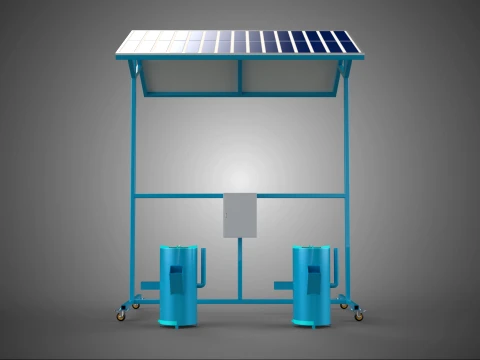
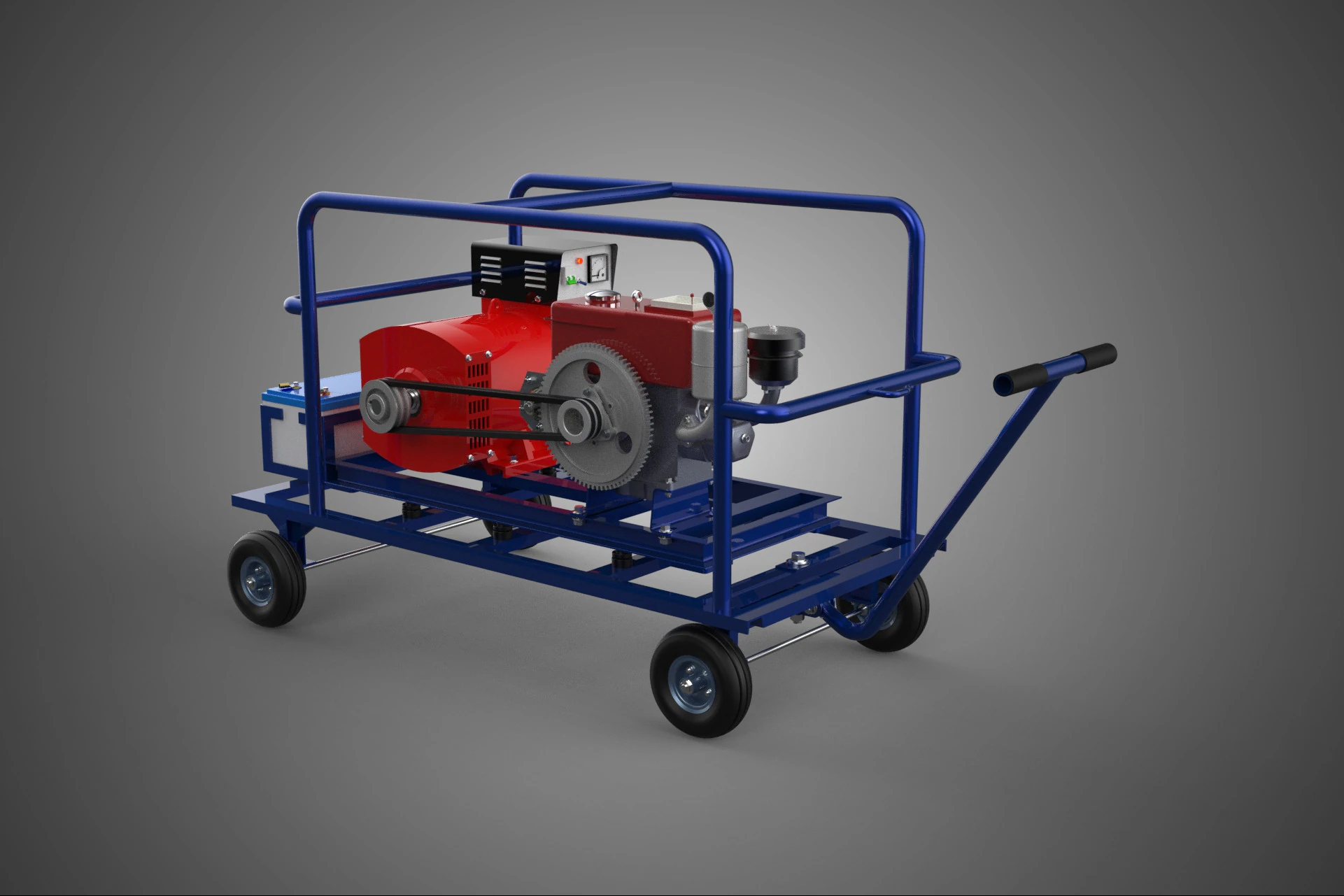
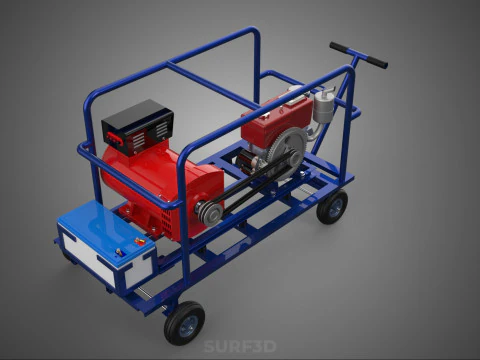
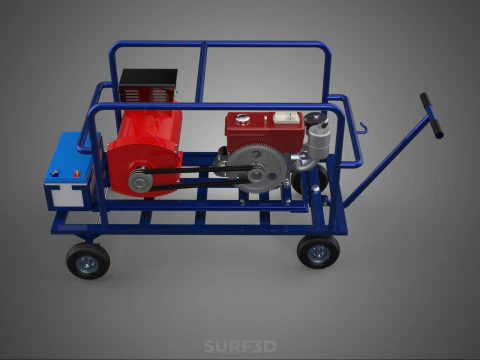
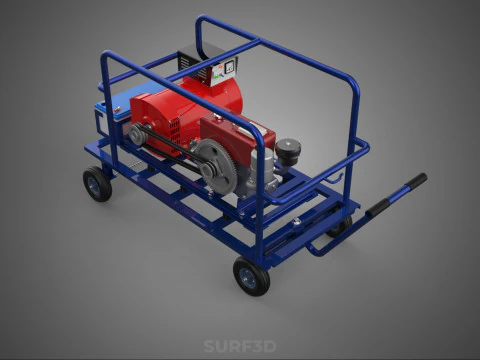
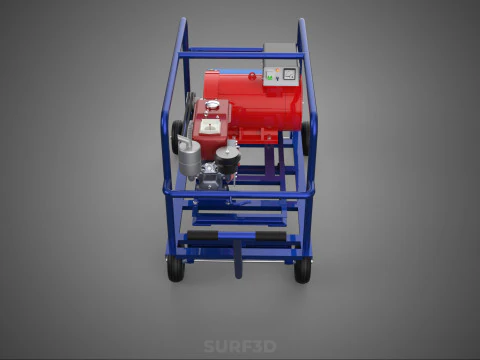
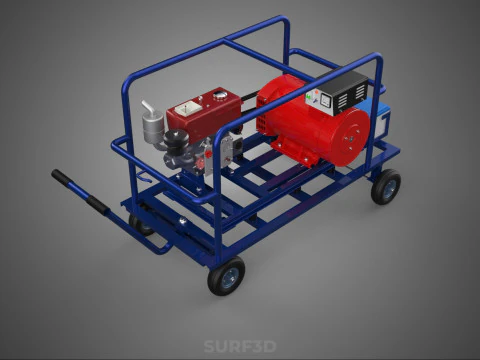
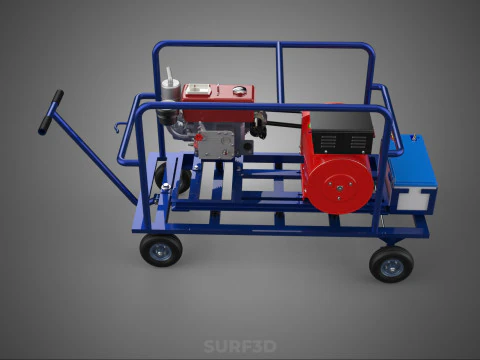
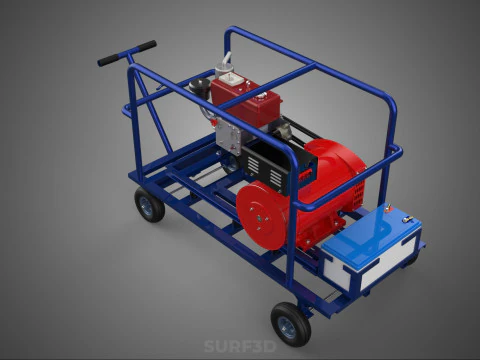
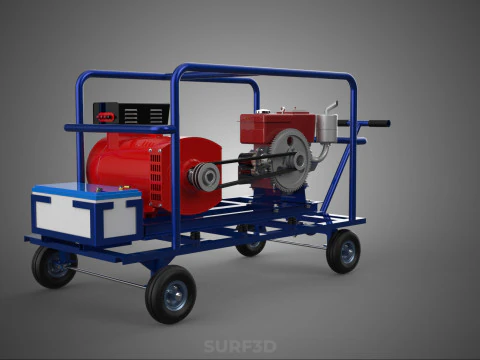
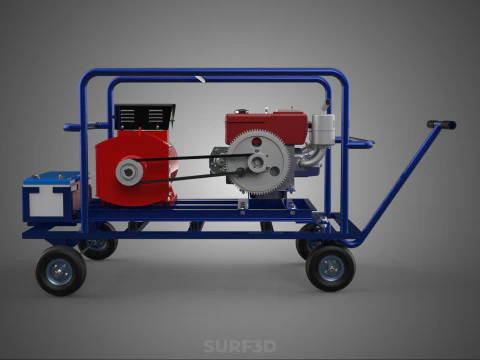
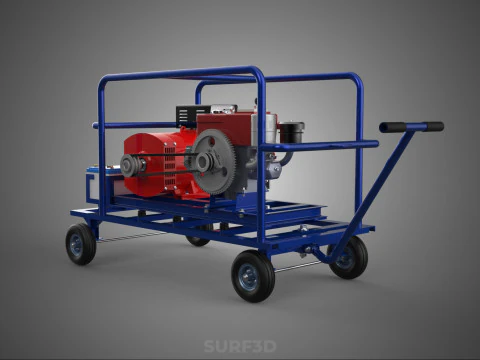
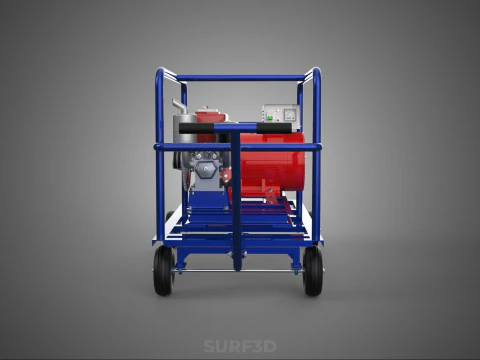
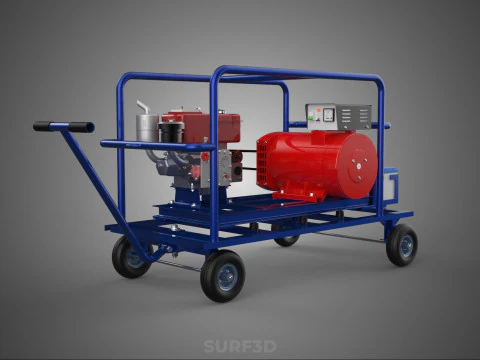
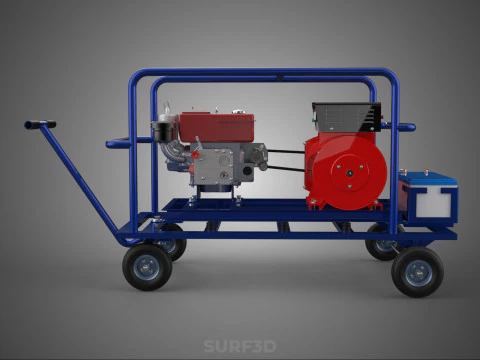
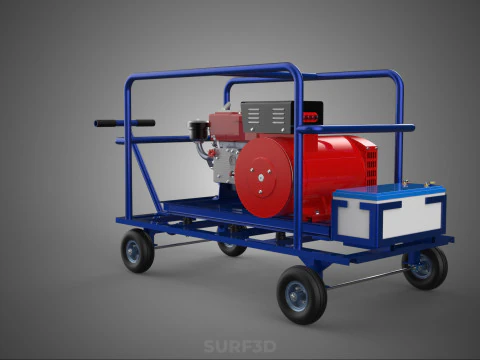
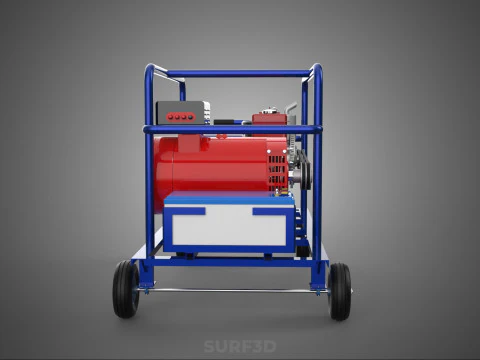
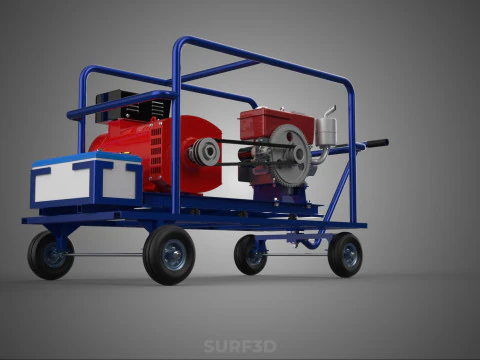
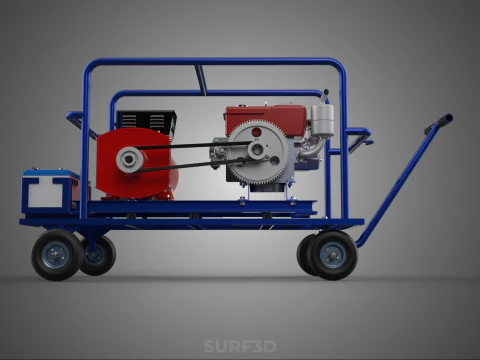
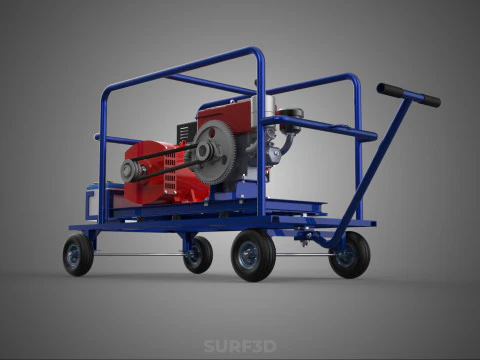
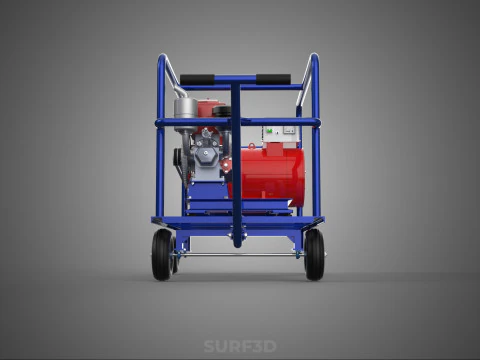
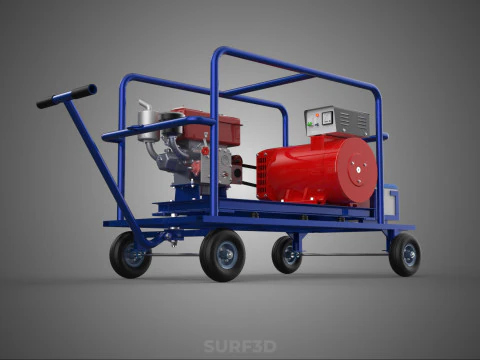
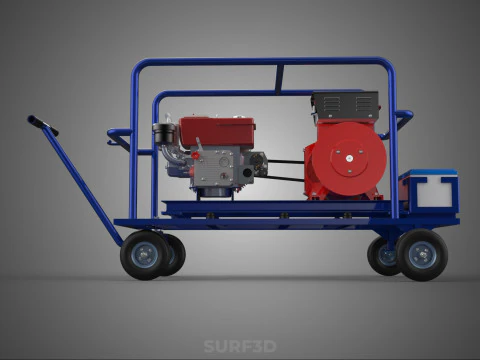
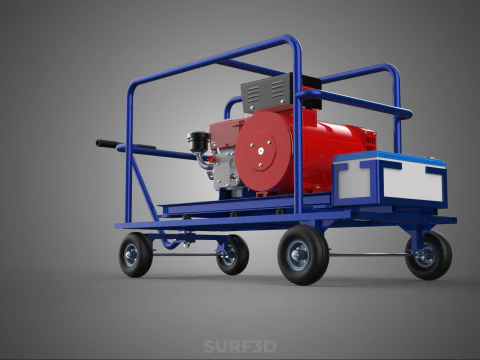
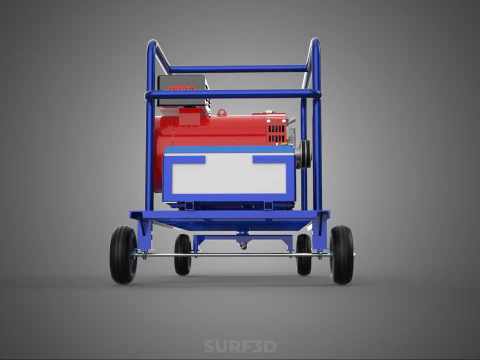
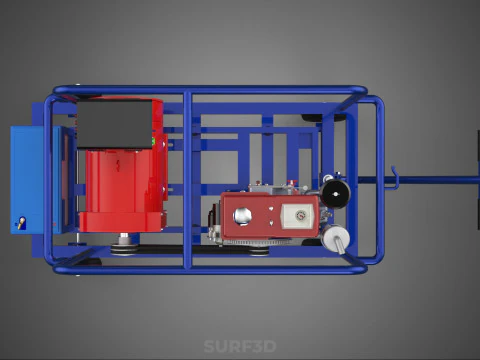
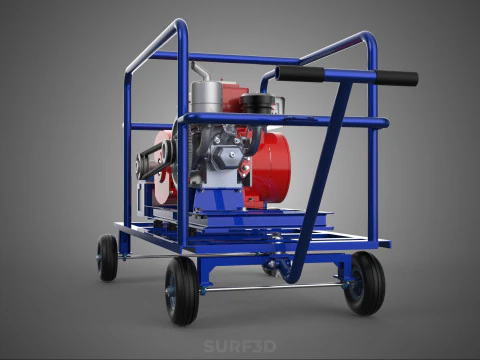
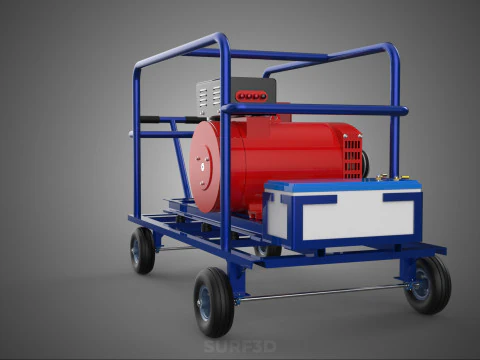
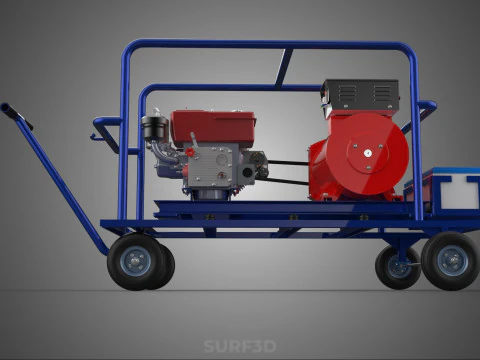
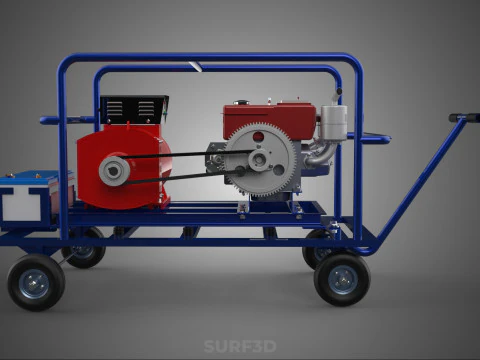
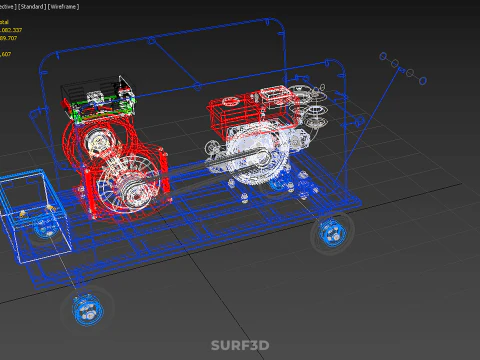
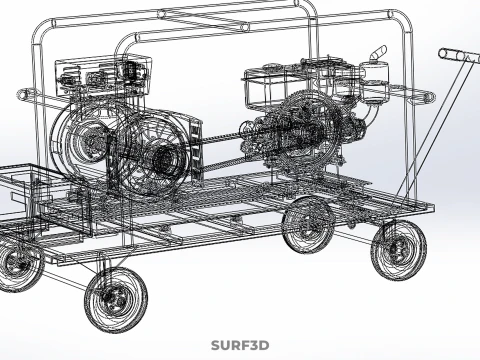
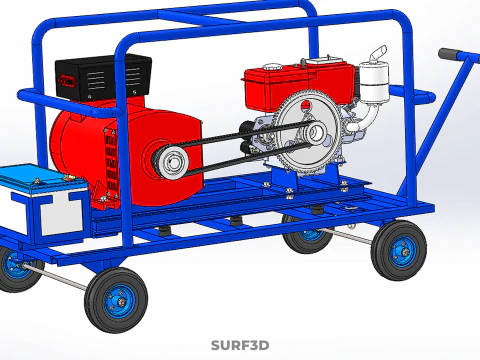
GENERATORE DI POTENZA SISTEMA DI RICARICA PER AUTO EV PER VEICOLI ELETTRICI PORTATILI Modello 3D

- Richiedi supporto per il prodotto


- Formati disponibili:
- ID Oggetto:619873
- Data: 2025-12-24
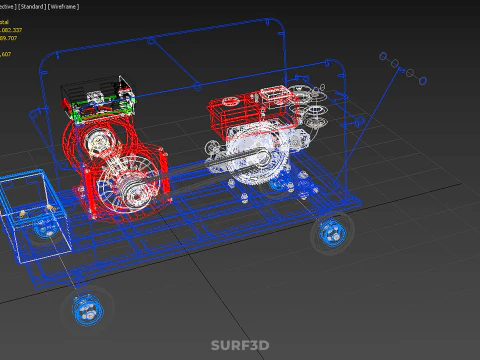
- Pligoni:1082337
- Vertici:789707
- Animato:No
- Textured:No
- Rigged:No
- Materiali:Yes
- Low-poly:No
- Collezione:No
- Mapping UVW:No
- Plugins Utilizzati:No
- Stampa Pronta:No
- 3D Scan:No
- Per adulti:No
- PBR:No
- AI Formazione:No
- Geometria:Poly NURBS
- UVs Aperti:Unknown
- Visualizzazioni:810
Descrizione
High-quality 3D assets at affordable prices — trusted by designers, engineers, and creators worldwide. Made with care to be versatile, accessible, and ready for your pipeline.
Included File Formats
This model is provided in 14 widely supported formats, ensuring maximum compatibility:
• - FBX (.fbx) – Standard format for most 3D software and pipelines
• - OBJ + MTL (.obj, .mtl) – Wavefront format, widely used and compatible
• - STL (.stl) – Exported mesh geometry; may be suitable for 3D printing with adjustments
• - STEP (.step, .stp) – CAD format using NURBS surfaces
• - IGES (.iges, .igs) – Common format for CAD/CAM and engineering workflows (NURBS)
• - SAT (.sat) – ACIS solid model format (NURBS)
• - DAE (.dae) – Collada format for 3D applications and animations
• - glTF (.glb) – Modern, lightweight format for web, AR, and real-time engines
• - 3DS (.3ds) – Legacy format with broad software support
• - 3ds Max (.max) – Provided for 3ds Max users
• - Blender (.blend) – Provided for Blender users
• - SketchUp (.skp) – Compatible with all SketchUp versions
• - AutoCAD (.dwg) – Suitable for technical and architectural workflows
• - Rhino (.3dm) – Provided for Rhino users
Model Info
• - All files are checked and tested for integrity and correct content
• - Geometry uses real-world scale; model resolution varies depending on the product (high or low poly)
• • - Scene setup and mesh structure may vary depending on model complexity
• - Rendered using Luxion KeyShot
• - Affordable price with professional detailing
Buy with confidence. Quality and compatibility guaranteed.
If you have any questions about the file formats, feel free to send us a message — we're happy to assist you!
Sincerely,
SURF3D
Trusted source for professional and affordable 3D models.
More Information About 3D Model :
**PORTABLE ELECTRIC VEHICLE EV CAR CHARGING SYSTEM POWER GENERATOR**
A Portable Electric Vehicle (EV) Car Charging System Power Generator, often categorized as Mobile Charging Infrastructure (MCI), is an autonomous, grid-independent unit designed to supply electrical energy directly to electric vehicles for rapid replenishment of their battery packs. These systems integrate an independent power generation source—typically a combustion engine, fuel cell stack, or high-capacity battery storage module—with sophisticated Electric Vehicle Supply Equipment (EVSE) and power conversion electronics necessary to interface safely and efficiently with diverse EV architectures.
The primary function of these generators is to mitigate "range anxiety" and provide critical charging capabilities in environments lacking fixed grid infrastructure. These applications include roadside assistance, temporary event power supply, remote worksites, disaster relief operations, and supplementing existing charging networks during peak demand or unexpected outages.
### Operational Principles and Generation Methods
Portable EV charging generators are fundamentally distinct from standard industrial generators due to the requirement for specific EV charging protocols and dynamic load management. The power generation section, or prime mover, determines the system’s portability and operational logistics:
1. **Internal Combustion Engine (ICE) Generators:** The most common configuration utilizes a diesel, gasoline, or natural gas engine coupled to an alternator. The resultant AC power is conditioned, rectified, and converted into the precise DC output required for Level 3 (DC Fast Charging, or DCFC) or stabilized AC output for Level 2 charging. These systems offer high-power output (up to 150 kW) but involve noise, emissions, and fuel storage logistics.
2. **Hybrid Systems (Generator-Battery):** These units combine a smaller ICE generator with an integrated lithium-ion battery buffer. The generator can charge the battery efficiently at a constant RPM, while the battery handles the high instantaneous power spikes demanded by DCFC protocols. This reduces fuel consumption, noise levels, and engine wear.
3. **Battery Energy Storage Systems (BESS):** Pure battery-based mobile chargers operate silently and without emissions. They are charged from the grid or solar arrays when stationary and deployed for immediate, high-power DCFC events. They are inherently limited by the stored energy volume and require recharging after depletion.
4. **Fuel Cell Technology:** Emerging systems utilize hydrogen or methanol fuel cells to generate electricity. These units produce only water as a byproduct (in the case of hydrogen) and offer high energy density, making them suitable for prolonged, quiet operation in sensitive environments.
### System Components and Interface
A robust portable EV charging generator must incorporate several specialized components to comply with industry standards and ensure vehicle safety:
* **Power Conversion Circuitry:** Essential for converting the raw generator output into regulated AC (Level 2) or high-voltage DC (Level 3) power tailored to the vehicle's battery management system (BMS).
* **Charge Controller (EVSE Module):** This component manages the communication protocol between the charger and the EV. It verifies connectivity, determines the vehicle’s maximum accepted charging rate, and ensures safety interlocks before power transfer begins, adhering to standards like SAE J1772.
* **Cooling and Thermal Management:** High-power DCFC generates significant waste heat, necessitating integrated liquid or air cooling systems for the charging cables and power electronics, especially in high-output portable units.
* **Standardized Connectors:** The system must support prevalent regional charging standards, including CCS Combo (Type 1 or Type 2), CHAdeMO, or proprietary connectors like Tesla’s North American Charging Standard (NACS).
* **Telemetry and Remote Monitoring:** Many units include integrated telematics for remote monitoring, fault diagnosis, payment processing, and fuel level tracking.
### Technical Specifications and Safety
Portable EV charging systems typically offer charging rates ranging from 7.2 kW (AC Level 2) for overnight charging up to 150 kW (DCFC) for rapid roadside assistance. Due to their mobile nature and proximity to the operator, these systems are subject to stringent safety regulations governing electrical isolation, ground fault protection, and physical stability. They must comply with relevant electrical codes (e.g., NFPA 70, UL standards) and automotive charging protocols to guarantee safe operation under variable environmental conditions.
KEYWORDS: Mobile Charging Infrastructure, EVSE, DC Fast Charging, Range Anxiety Mitigation, Grid-Independent Power, Auxiliary Power Unit, Internal Combustion Generator, Hybrid Charging System, Battery Energy Storage, Fuel Cell Charger, Emergency EV Charging, Roadside Assistance, SAE J1772, CCS Combo, CHAdeMO, Power Conversion, Dynamic Load Management, Telemetry, Off-Grid Charging, Remote Power Supply, Vehicle-to-Grid, EV Charging Protocol, Level 2 Charging, Level 3 Charging, Mobile Fleet Support, Disaster Recovery Power, Lithium-ion Battery, High-Voltage DC, Power Electronics, Generator Set.
Hai bisogno di ulteriori formati?
Se hai bisogno di diversi formati, aprire un nuovo Ticket i Supporto e una richiesta per questo. Convertiamo modelli 3D a: .stl, .c4d, .obj, .fbx, .ma/.mb, .3ds, .3dm, .dxf/.dwg, .max. .blend, .skp, .glb. Conversione di formato gratuitaNon convertiamo scene 3d e formati come .step, .iges, .stp, .sldprt.!
Informazioni sull'utilizzo
GENERATORE DI POTENZA SISTEMA DI RICARICA PER AUTO EV PER VEICOLI ELETTRICI PORTATILI - È possibile utilizzare questo modello 3D royalty-free sia per scopi personali che commerciali, in conformità con la licenza base o estesa.La licenza base copre la maggior parte dei casi d'uso standard, tra cui pubblicità digitale, progetti di design e visualizzazione, account aziendali sui social media, app native, app web, videogiochi e prodotti finali fisici o digitali (sia gratuiti che venduti).
La licenza estesa include tutti i diritti concessi dalla licenza base, senza limitazioni d'uso, e consente l'utilizzo del modello 3D in un numero illimitato di progetti commerciali secondo i termini royalty-free.
Leggi ulteriori
Offrite la garanzia di rimborso?
Sì, la offriamo. Se hai acquistato un prodotto e hai riscontrato degli errori nei renders o nella descrizione, proveremo a risolvere al più presto il problema. Se non possiamo correggere l'errore, annulleremo l'ordine e ti restituiremo i soldi entro 24 ore dal download dell'oggetto. Leggi le condizioni quiParole chiave