


 English
 Español
 Deutsch
 日本語
日本語 Polska
 Français
 한국의
한국의 Українська
 Nederlands
 Türkçe
 Português
 Bahasa Indonesia
 Русский
 中國
中國 हिंदी
हिंदी
















Bambino Modelli 3D
Abbiamo 3503 oggetto(i) Senza royalty baby Modelli 3D. Acquista o scarica modelli 3D gratuiti per i tuoi progetti CG, produzione di film e video, animazioni, visualizzazioni, giochi, VR/AR e altro. Puoi scaricare qualsiasi modello 3D in tutti i formati 3D più diffusi, inclusi MAX, OBJ, FBX, 3DS, STL, C4D, BLEND, MAYA
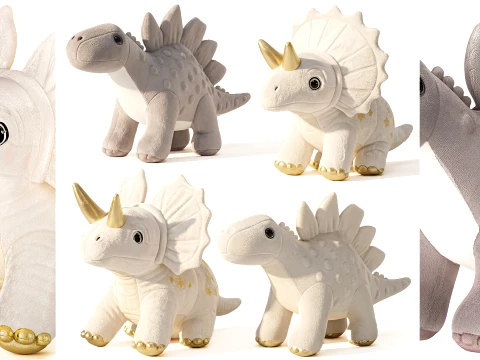 deckoratorDinosaur
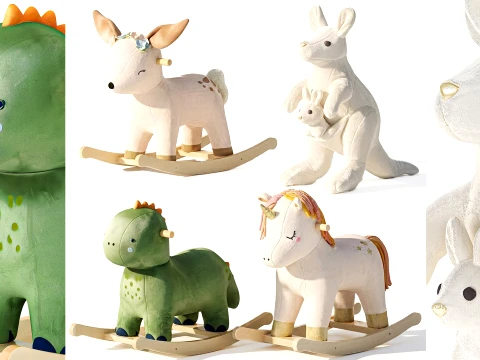 deckoratorOther
- -50%
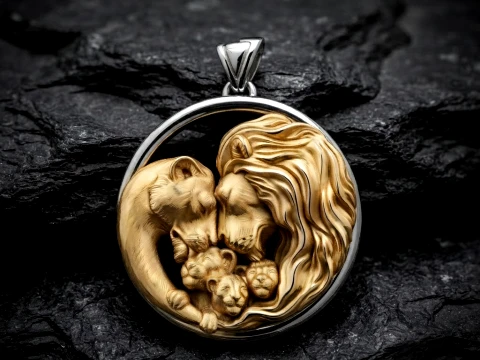 Avera3dPendants
 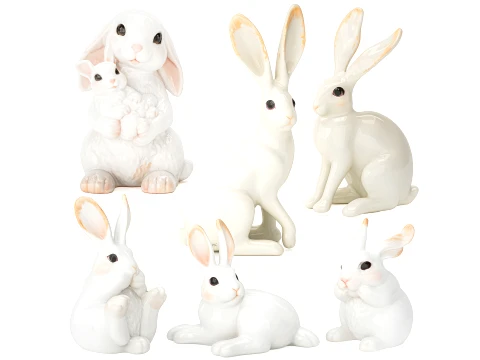 deckoratorOther
- -50%
 Avera3dPendants
 - -50%
 Avera3dPendants
 - -50%
 Avera3dPendants
  brunonunesdpBedroom
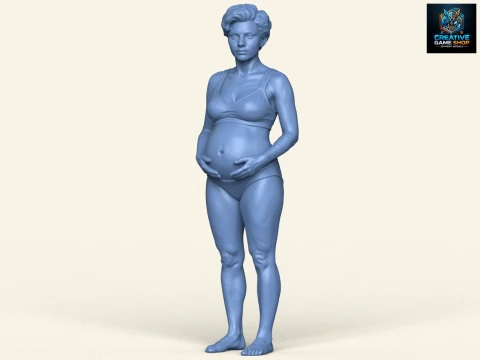
 creativegameshopWoman
- -50%
 Avera3dPendants
 - -50%
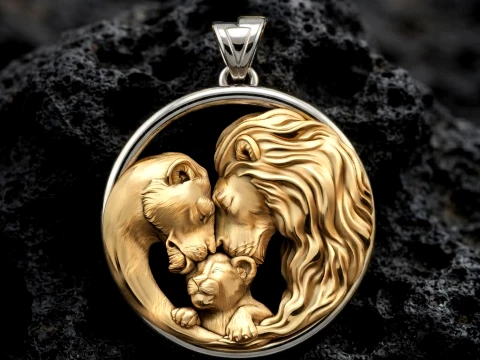 Avera3dPendants
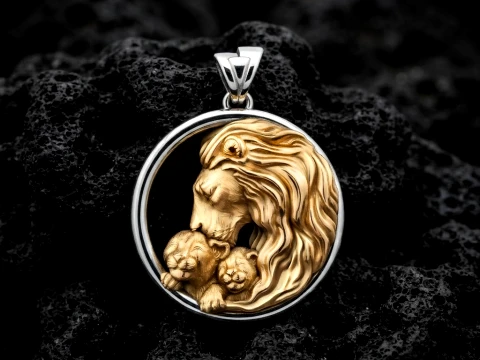
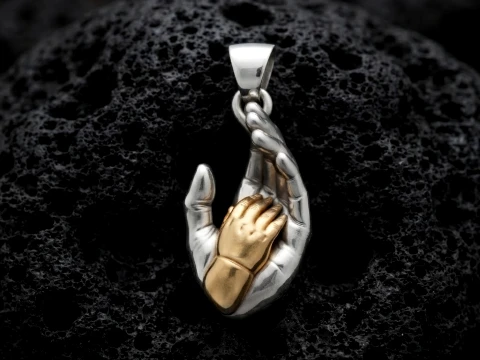
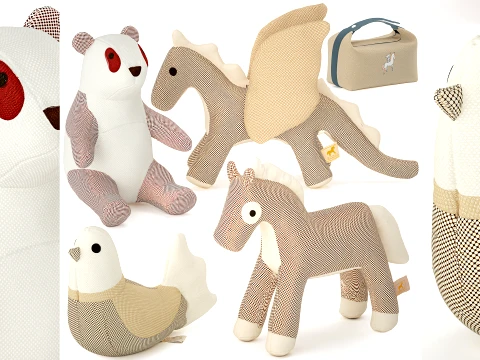
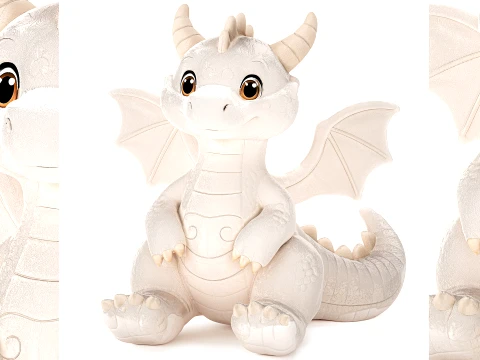
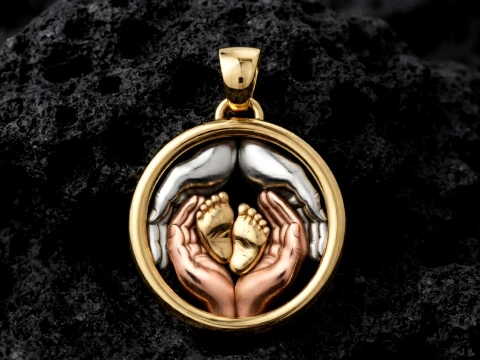
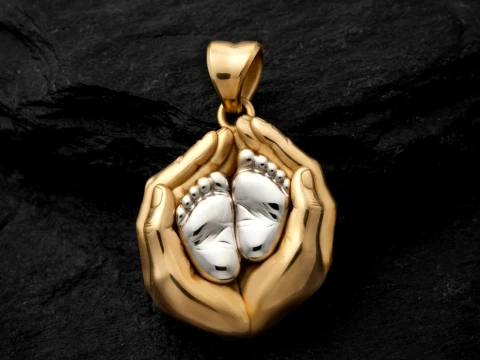
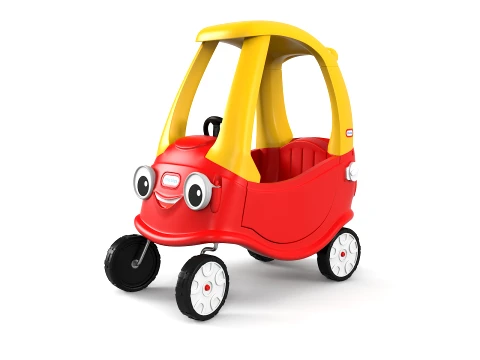
































Ricerche di tendenza Modelli 3D:
Scultura Modelli 3D Caratteri Modelli 3D Cucina Modelli 3D Cavallo Modelli 3D Architectural Exteriors Modelli 3D Telefoni e Cellulari Modelli 3D Vegetali Modelli 3D Gioielli Modelli 3D Giocattoli Modelli 3D Medicinali Modelli 3D Elicotteri Modelli 3D Armi Pesanti Modelli 3D Camion Modelli 3D Anatomia Modelli 3DQ1: What anatomical proportions define an accurate baby 3D model?
Infant proportions differ dramatically from adult ratios, and getting these wrong is immediately obvious. A newborn's head is approximately one-quarter of total body length — compared to one-eighth for an adult. The cranium is large relative to the face; the facial features are centered low on the skull. Limbs are short and chubby with visible skin fold geometry at joints — wrists, ankles, and elbows have characteristic dimple-ring folds that are missing on most simplified models. The abdomen is round and prominent. Eyes are proportionally larger than adult eyes relative to face size. Models that apply adult proportions to a small scale don't read as babies — they read as miniature adults, which is uncanny rather than realistic.
Q2: What are the legitimate production uses for baby 3D models?
Medical visualization — fetal development animations, pediatric anatomy education, and neonatal care training simulations are significant professional uses. Product visualization for baby product manufacturers (cribs, carriers, clothing, toys) requires correctly-proportioned infant models at specific age stages — a model representing a 3-month-old has different proportions and capabilities than a 12-month-old, and product safety visualization depends on accurate sizing. Animation and film use infant characters in family-content productions. Educational biology content showing fetal development from conception through birth uses sequential developmental stage models.
Q3: Can baby 3D models be rigged for animation?
Yes — infant characters in animation need rigs tailored to their limited movement vocabulary. Newborns have limited intentional motor control; their movement vocabulary is reflexive — startle response, rooting, grasping. Older infants (6–12 months) add rolling, sitting, and early crawling. The rig doesn't need a full bipedal locomotion setup for very young infant characters. Key controls: head wobble (infants lack neck strength for stable head control), full-body startle that spreads from core outward, grasping hand controls, and facial blend shapes for the cry/smile/curious expression range. Secondary jiggle simulation on the round belly and cheeks adds the characteristic soft-body quality of infant movement.
Q4: What rendering considerations apply to realistic baby 3D models?
Subsurface scattering is critical — infant skin is notably translucent, and the pink-red visible below the surface (from blood vessels near the skin surface) is a defining visual quality. In Blender's Principled BSDF, set Subsurface Weight to 0.3–0.4 with a warm red-pink subsurface color. Skin roughness for infants is slightly lower than adult skin — very smooth, almost peach-fuzz soft. The characteristic skin fold geometry at joints needs careful normal map work — the depth of the folds should catch shadow at low lighting angles. Eyes need a strong catchlight to read as alive. Without it, the render falls into uncanny valley territory regardless of how technically correct the rest of the model is.