


 English
 Español
 Deutsch
 日本語
日本語 Polska
 Français
 한국의
한국의 Українська
 Nederlands
 Türkçe
 Português
 Bahasa Indonesia
 Русский
 中國
中國 हिंदी
हिंदी
















aquila Modelli 3D
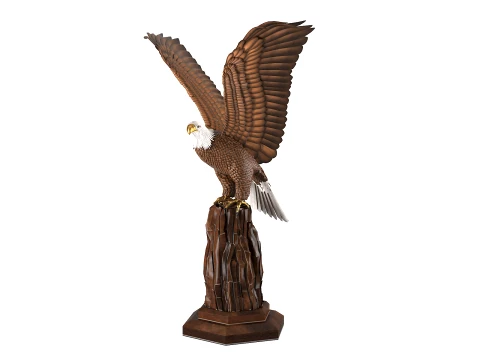
Abbiamo 1493 oggetto(i) Senza royalty eagle Modelli 3D. Acquista o scarica modelli 3D gratuiti per i tuoi progetti CG, produzione di film e video, animazioni, visualizzazioni, giochi, VR/AR e altro. Puoi scaricare qualsiasi modello 3D in tutti i formati 3D più diffusi, inclusi MAX, OBJ, FBX, 3DS, STL, C4D, BLEND, MAYA
- -40%
 Avera3dPendants
 - -20%
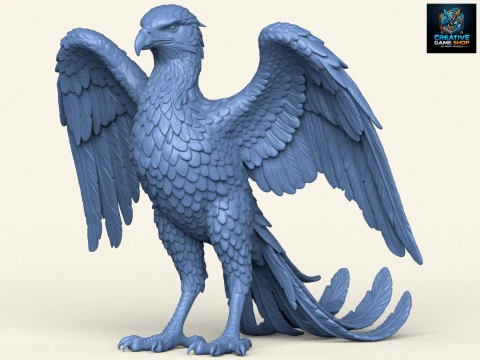 creativegameshopMonsters and Creatures
 - -20%
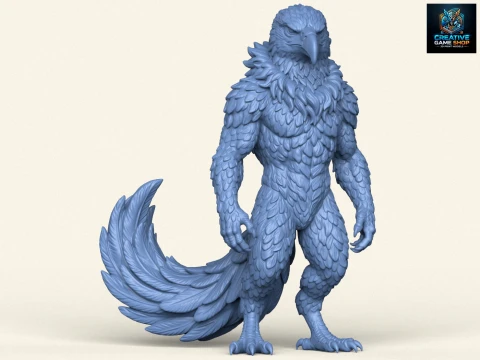 creativegameshopMonsters and Creatures$8.00
$10.00 - -20%
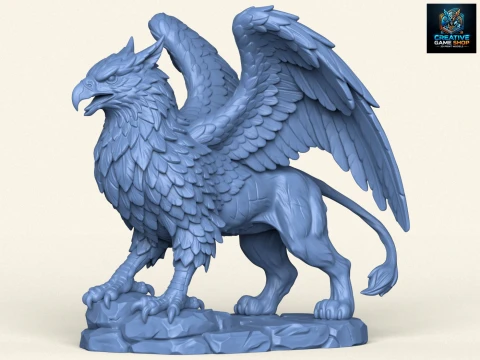 creativegameshopSculpture
 - -40%
 Avera3dPendants
 - -20%
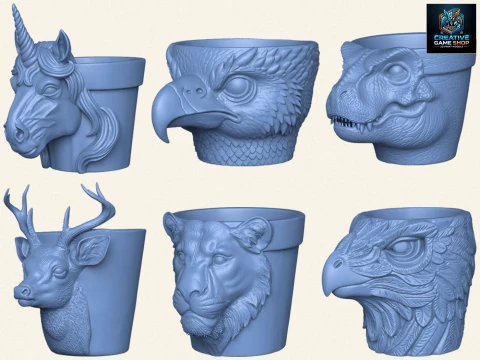 creativegameshopDecor
 - -40%
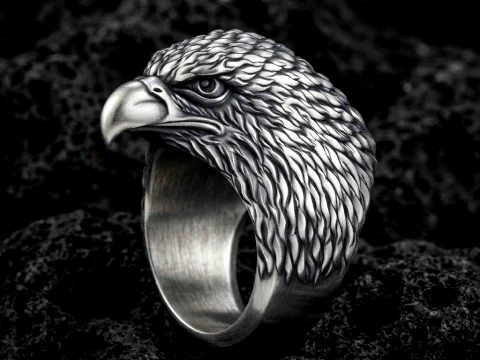 Avera3dRings
 - -40%
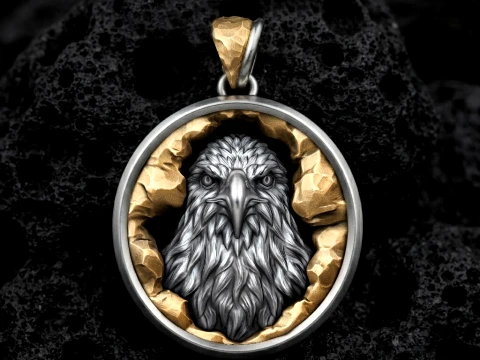 Avera3dPendants
 - -40%
 Avera3dPendants
 - -40%
 Avera3dPendants
 - -40%
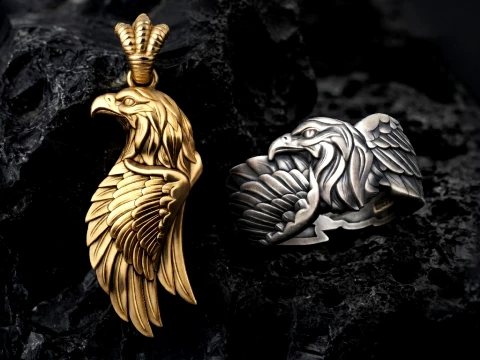 Avera3dPendants
 - -40%
 Avera3dRings



















Ricerche di tendenza Modelli 3D:
Scultura Modelli 3D Caratteri Modelli 3D Cucina Modelli 3D Cavallo Modelli 3D Architectural Exteriors Modelli 3D Telefoni e Cellulari Modelli 3D Vegetali Modelli 3D Gioielli Modelli 3D Giocattoli Modelli 3D Medicinali Modelli 3D Elicotteri Modelli 3D Armi Pesanti Modelli 3D Camion Modelli 3D Anatomia Modelli 3DQ1: What eagle species are available as 3D models?
Bald Eagle is the most common — its white head and tail against a dark brown body make it visually distinctive and commercially useful for American-themed content. Golden Eagle is the second most represented, appearing in European and Central Asian cultural contexts and falconry-related content. African Fish Eagle, Philippine Eagle, and Harpy Eagle exist in smaller numbers — usually in the more specialized educational or wildlife visualization categories. Generic "eagle" models that don't commit to a specific species make up a significant portion of the catalog — these prioritize visual drama over biological accuracy, with exaggerated beak curves and wing spans.
Q2: How are eagle wing rigs structured for animation?
A bird wing rig needs to replicate the three-segment fold structure of real avian wings: the humerus (upper arm), ulna/radius (forearm), and the carpometacarpus (hand segment supporting the primary feathers). Three bone segments per wing minimum, each folding toward the body during the wing-fold and extending outward during the downstroke. Primary feathers should be individually rigged or driven by a single control that fans them open during the downstroke — typically 8–12 primary feathers per wing, each on its own bone rotated by a driver connected to the main wing extension control. Secondary feathers along the trailing edge follow the forearm bone. Without feather separation, the wing reads as a flat blade rather than a real bird wing.
Q3: What are the most common production uses for eagle 3D models?
National and governmental symbolism content — the eagle appears in the heraldry and iconography of numerous countries and organizations, making it one of the more commercially useful animal models for broadcast graphics and corporate identity animation. Wildlife documentary visualization and educational content. Game environments: eagles as ambient wildlife in open-world games, as companions or mounts in fantasy titles, or as enemy characters in nature-themed games. Brand work for companies using eagle imagery — sports teams, financial institutions, military contractors. The symbolic weight of the eagle makes it a consistent commercial asset across industries.
Q4: What animation cycles are essential for a game-ready eagle model?
Five cycles cover most use cases. Idle perched: subtle weight shifts, head turns, and occasional feather ruffling. Flapping flight: the full wingbeat cycle at approximately 2–3 beats per second for a large eagle — include both the power downstroke and the recovery upstroke with wing shape differences between them. Soaring/gliding: wings extended, subtle pitch and roll adjustments. Attack dive: wings swept back, body angled steeply downward. Landing: transition from flight to perch with final flare of wings and tail. The soaring cycle is the most used in open-world games — eagles spend most of their visible time riding thermals, not actively flapping.