


 English
 Español
 Deutsch
 日本語
日本語 Polska
 Français
 한국의
한국의 Українська
 Nederlands
 Türkçe
 Português
 Bahasa Indonesia
 Русский
 中國
中國 हिंदी
हिंदी
















rana Modelli 3D
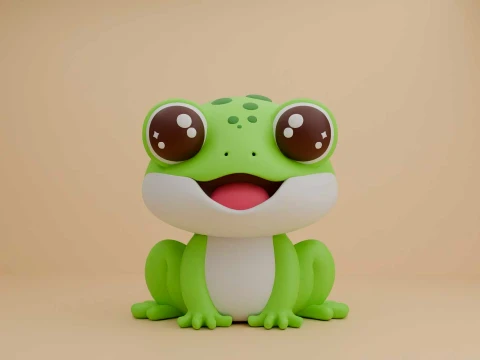
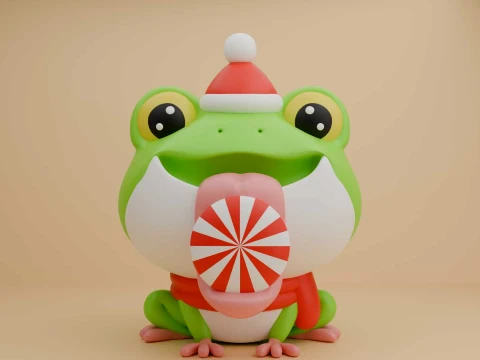
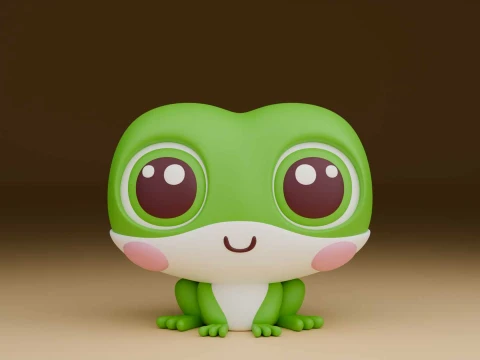
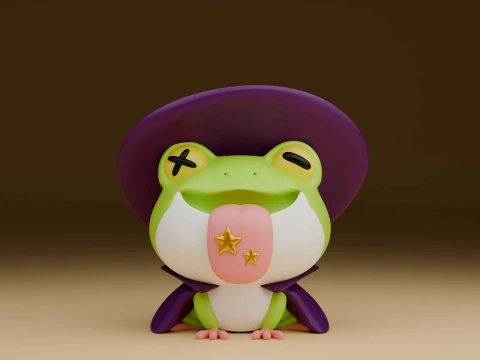
Abbiamo 352 oggetto(i) Senza royalty frog Modelli 3D. Acquista o scarica modelli 3D gratuiti per i tuoi progetti CG, produzione di film e video, animazioni, visualizzazioni, giochi, VR/AR e altro. Puoi scaricare qualsiasi modello 3D in tutti i formati 3D più diffusi, inclusi MAX, OBJ, FBX, 3DS, STL, C4D, BLEND, MAYA
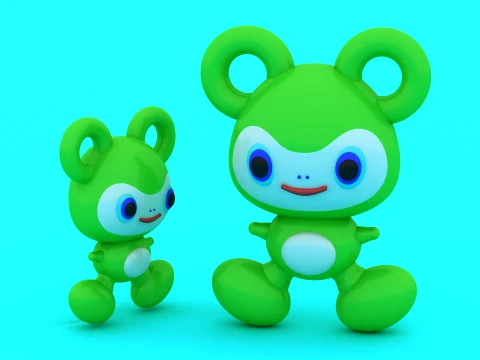 gemsjewell011Toys
- -10%
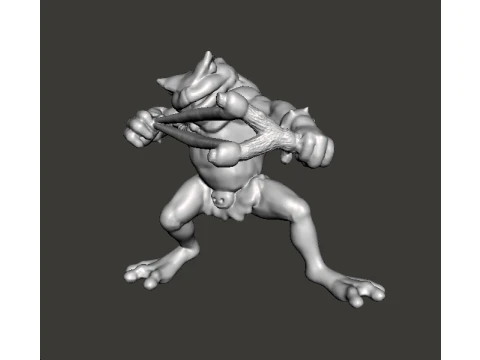 unbreakableMonsters and Creatures
 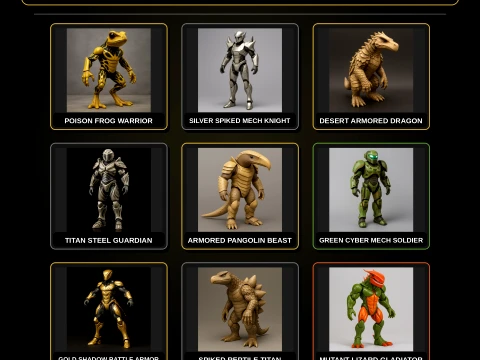 MRAnyCADMonsters and Creatures
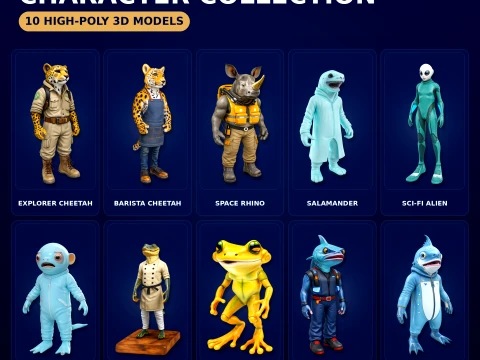 MRAnyCADMonsters and Creatures
 unbreakableMonsters and Creatures
 unbreakableSculpture

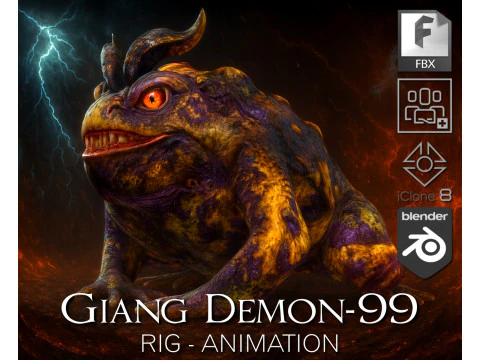

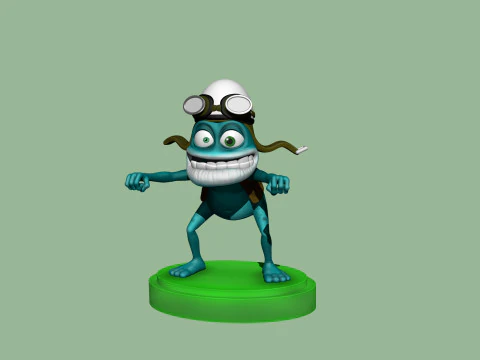
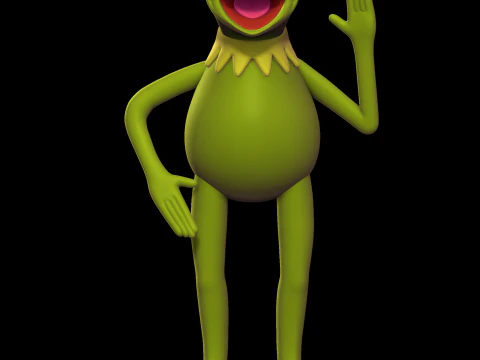
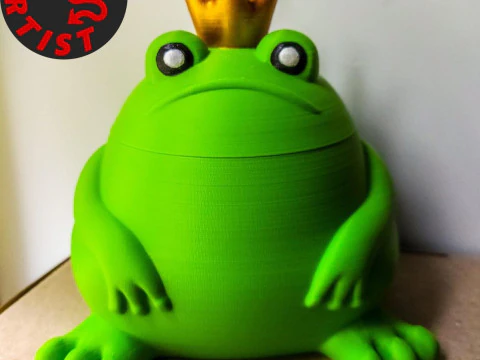





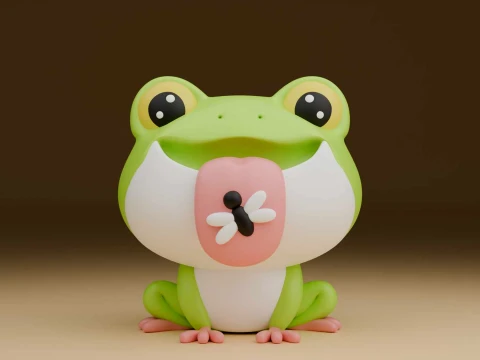
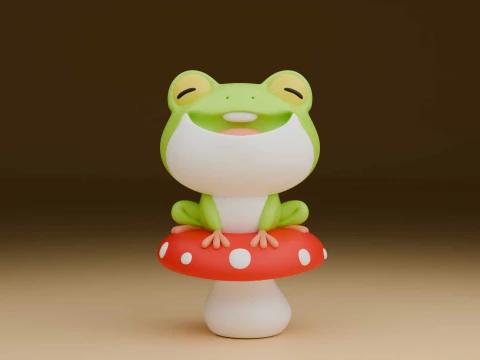
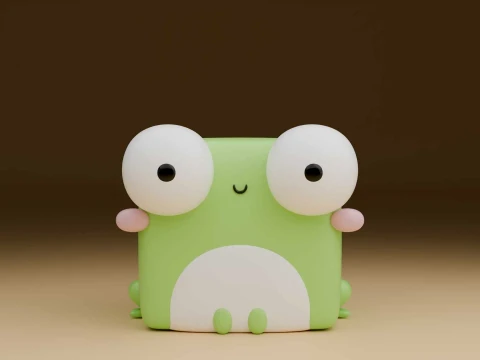
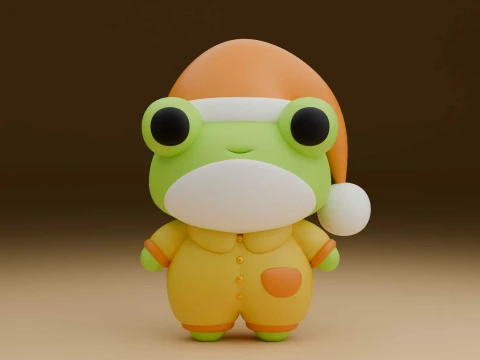
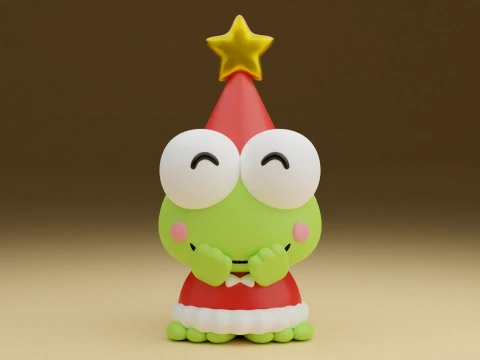

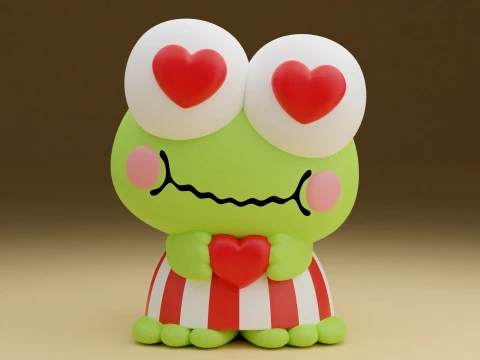
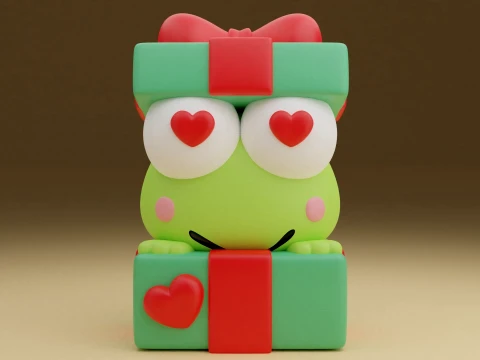

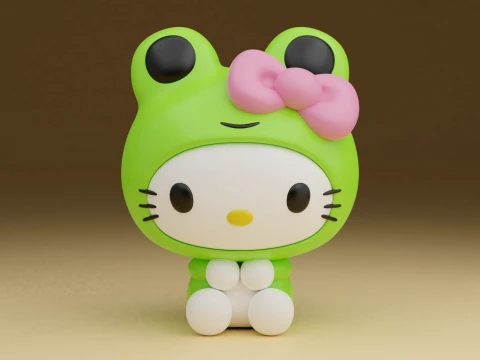
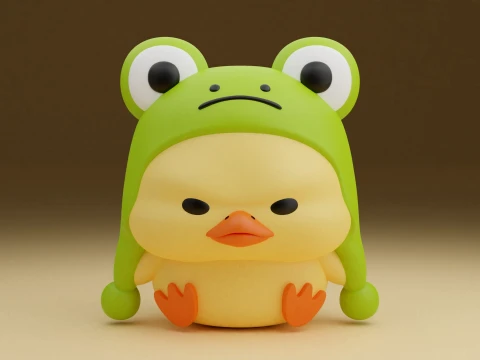

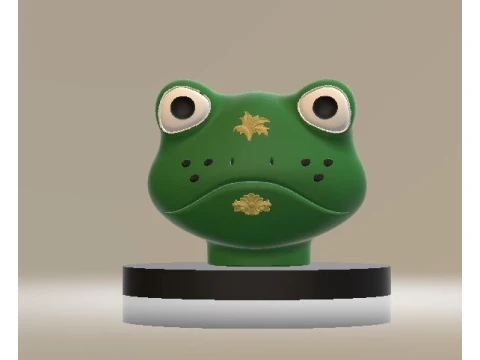
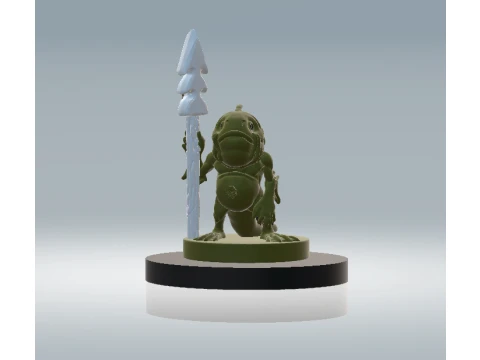
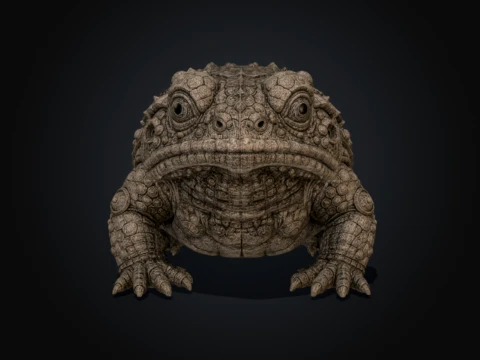
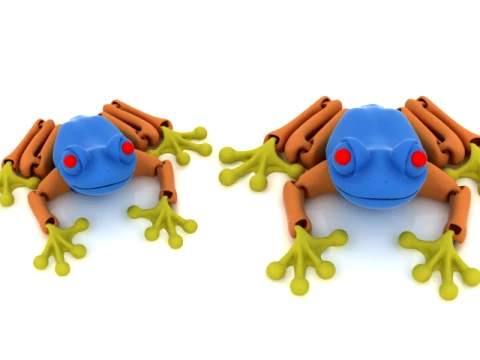

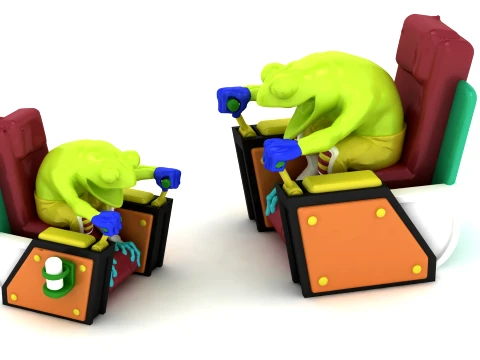


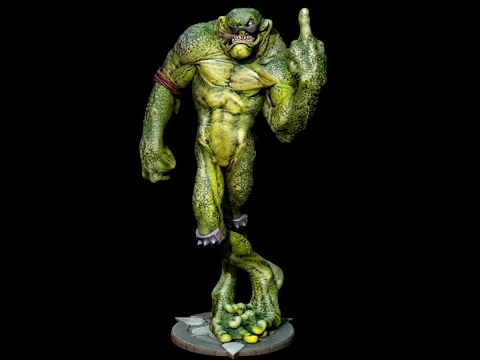
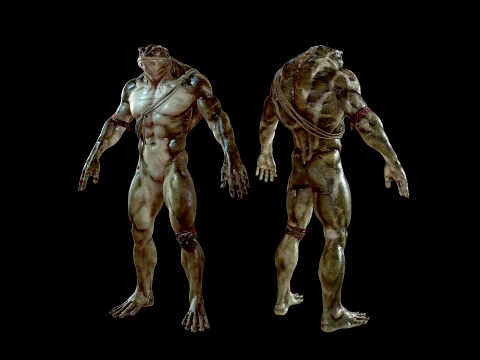
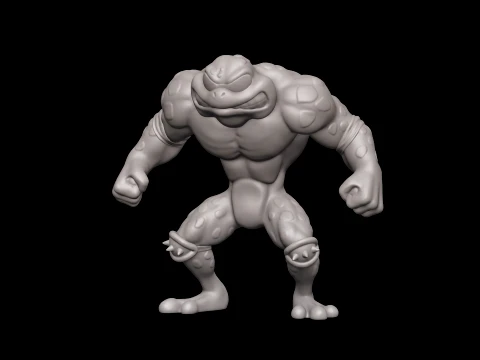

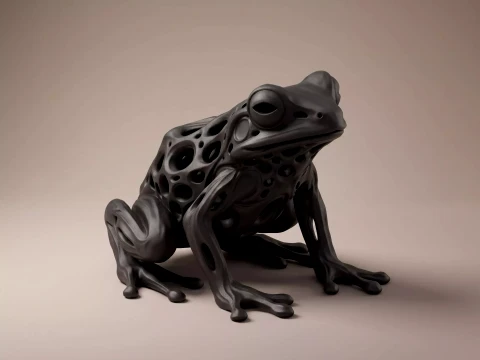
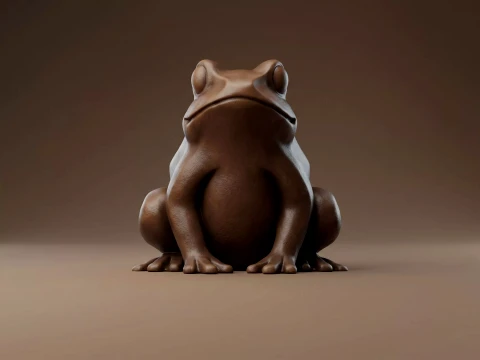
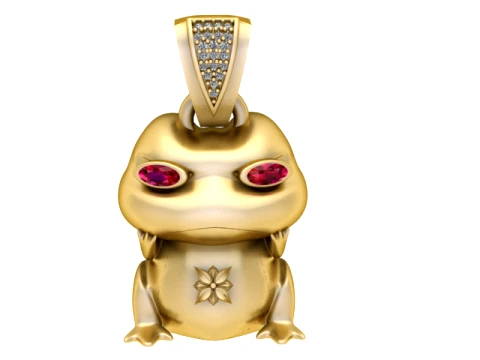

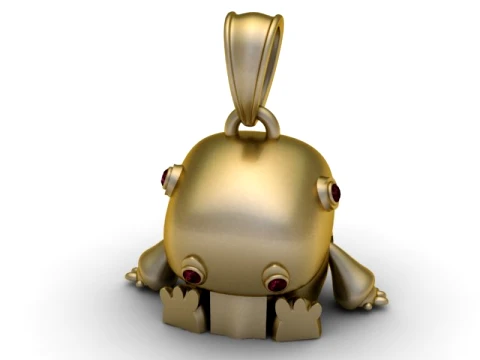
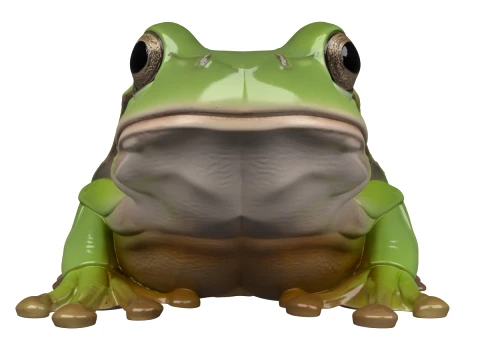
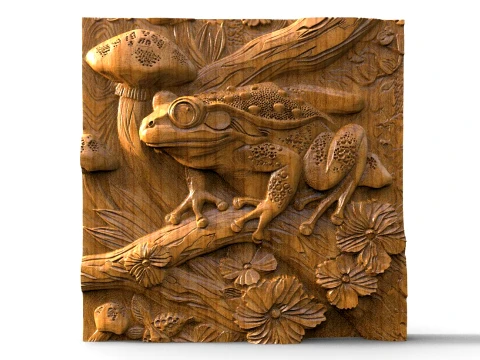
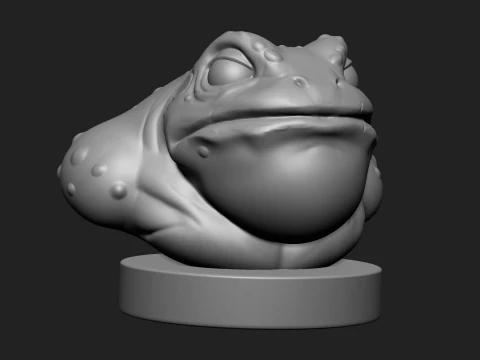

Ricerche di tendenza Modelli 3D:
Scultura Modelli 3D Caratteri Modelli 3D Cucina Modelli 3D Cavallo Modelli 3D Architectural Exteriors Modelli 3D Telefoni e Cellulari Modelli 3D Vegetali Modelli 3D Gioielli Modelli 3D Giocattoli Modelli 3D Medicinali Modelli 3D Elicotteri Modelli 3D Armi Pesanti Modelli 3D Camion Modelli 3D Anatomia Modelli 3DQ1: What frog species are available as 3D models on 3DExport?
The catalog covers tree frogs (notably the Red-Eyed Tree Frog, a favorite for its vivid coloration), poison dart frogs with accurate chromatic pattern textures, bullfrogs, common garden frogs, and stylized cartoon variants. The Red-Eyed Tree Frog is the most represented species because its vibrant green body, red eyes, and blue-banded sides make it visually distinctive and popular for educational and decorative content. Poison dart frogs — with their warning coloration patterns in yellow, blue, red, and black — are technically demanding models because their skin patterns are complex and species-specific. Generic green "fairy tale" frogs dominate the stylized category.
Q2: How are frog 3D models used in educational biology content?
Frog anatomy is a standard topic in middle and high school biology — the frog dissection lab has been a biology curriculum staple for decades, increasingly supplemented or replaced by virtual dissection tools. A layered frog anatomy model showing skin, muscle groups, digestive system, and skeletal structure separately supports exactly this curriculum. For AR educational apps, a frog model that students can virtually dissect — removing layers to reveal internal anatomy — is an active product category in 2026. The technical requirement for this use: mesh layers that can be hidden/shown independently, each with anatomically correct geometry and labeled materials.
Q3: What skin material properties make a realistic frog 3D model convincing?
Frog skin is notably moist and slightly mucus-coated — this translates to a PBR material with very low roughness (0.05–0.15), slight sheen from the mucus layer, and subsurface scatter for the translucent skin quality visible at thin body areas like the webbed feet and throat. The throat specifically pulses during breathing and calling — it needs blend shape geometry for animation. Color accuracy matters more for frogs than most animals because many species use precise coloration for species recognition and threat signaling. A Red-Eyed Tree Frog with incorrect red eye color (should be vivid orange-red, approximately RGB 220, 60, 30) immediately reads as wrong to anyone familiar with the animal.
Q4: Can frog 3D models be rigged for animation in game engines?
Yes — frog locomotion involves two distinct movement types: the characteristic hopping (explosive leg extension from a crouched position) and swimming (simultaneous rear leg kick with streamlined body posture). A game-ready frog rig needs separate IK chains for the front and rear legs, with the rear legs having enough bone count (3–4 bones per leg) for the full crouch-extend-land hop cycle. Procedural animation works well for idle breathing (subtle belly expansion) and throat pulse. For Unreal Engine 5, a frog character at 8,000–15,000 tris with a 20-bone skeleton is a practical game-ready spec. The hop animation is the signature movement — if it doesn't look right, nothing else about the character works.