


 English
 Español
 Deutsch
 日本語
日本語 Polska
 Français
 한국의
한국의 Українська
 Nederlands
 Türkçe
 Português
 Bahasa Indonesia
 Русский
 中國
中國 हिंदी
हिंदी
















hogwarts Modelli 3D
Abbiamo 114 oggetto(i) Senza royalty hogwarts Modelli 3D. Acquista o scarica modelli 3D gratuiti per i tuoi progetti CG, produzione di film e video, animazioni, visualizzazioni, giochi, VR/AR e altro. Puoi scaricare qualsiasi modello 3D in tutti i formati 3D più diffusi, inclusi MAX, OBJ, FBX, 3DS, STL, C4D, BLEND, MAYA
- -50%
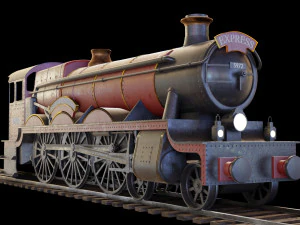 IZIGAMESTrain
 - -50%
 3dmodelgallerySculpture
 - -50%
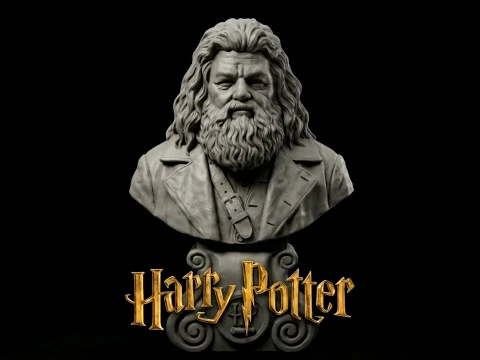 3dmodelgallerySculpture
 - -50%
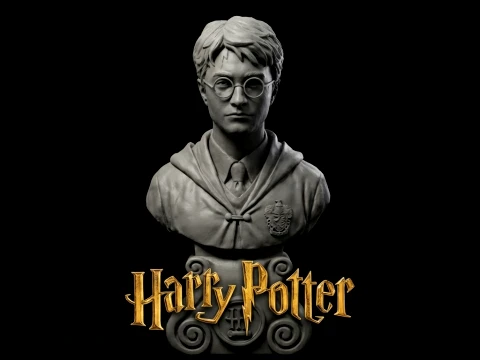 3dmodelgallerySculpture
 - -50%
 3dmodelgallerySculpture
 - -50%
 3dmodelgallerySculpture
 - -50%
 3dmodelgallerySculpture
 - -50%
 3dmodelgallerySculpture
 - -50%
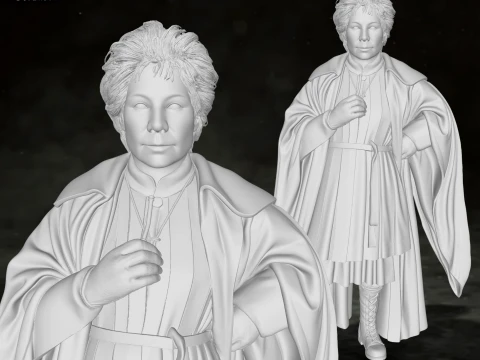 Doruks3DWoman
 - -50%
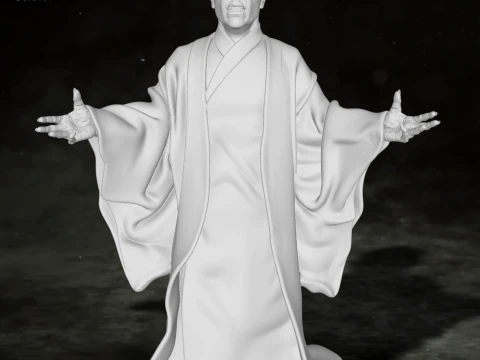 Doruks3DMan
 - -50%
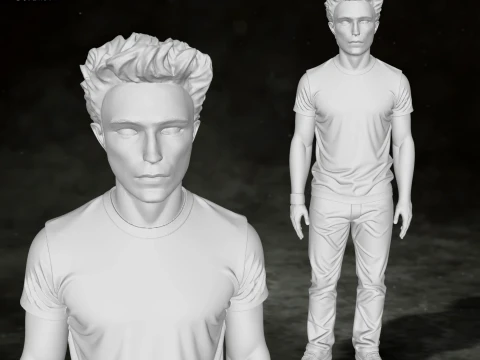 Doruks3DMan
 - -50%
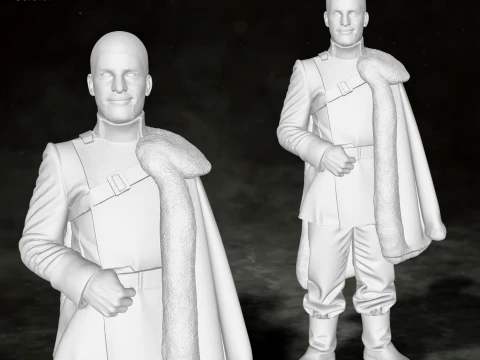 Doruks3DMan
 - -50%
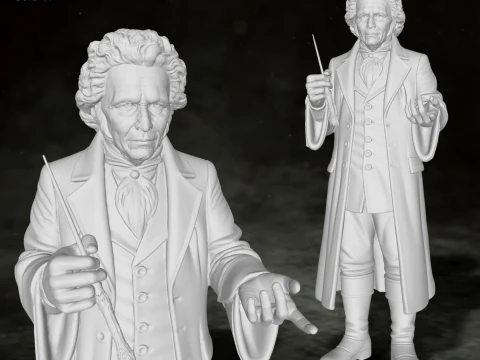 Doruks3DMan
 - -50%
 Doruks3DWoman
 - -50%
 Doruks3DWoman
 - -20%
 DesignerworkshopPendants
 - -50%
 Doruks3DMan
 - -50%
 Doruks3DMan
 - -50%
 Sketcher730Monsters and Creatures
 - -50%
 Doruks3DWoman
 - -50%
 Doruks3DMonsters and Creatures
 - -50%
 Doruks3DWoman
 - -50%
 Doruks3DMan
 - -50%
 Doruks3DWoman
 - -50%
 Doruks3DWoman
 - -50%
 Doruks3DWoman
 - -50%
 Doruks3DMan
 - -50%
 Doruks3DMan
 - -50%
 Doruks3DMan
 - -50%
 Doruks3DMan
 - -50%
 Doruks3DMan
 - -50%
 Doruks3DWoman
 - -50%
 Doruks3DWoman
 - -50%
 Doruks3DMan
 - -50%
 Doruks3DMan
 - -50%
 Doruks3DMan
 - -50%
 Doruks3DWoman
 - -50%
 Doruks3DWoman
 - -50%
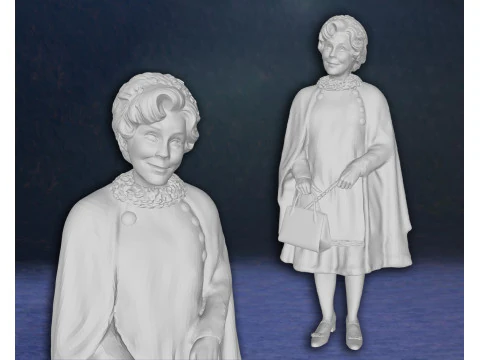 Doruks3DMan
 - -50%
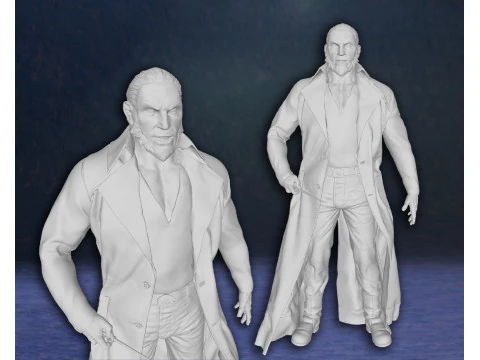 Doruks3DMan
 - -50%
 Doruks3DMan
 - -50%
 Doruks3DMan
 - -50%
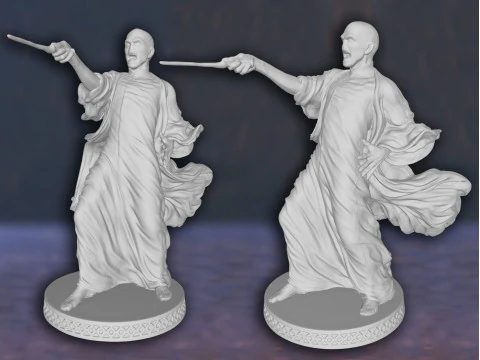 Doruks3DMan
 - -50%
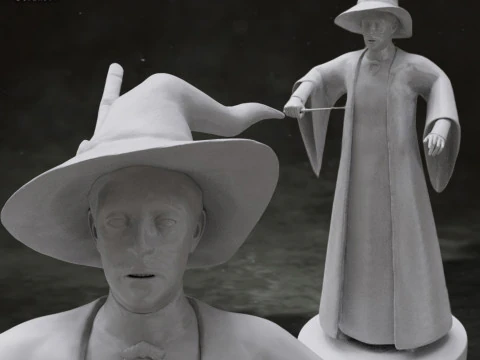 Doruks3DAnimals
 - -50%
 Doruks3DAnimals
 - -50%
 Doruks3DAnimals
 - -50%
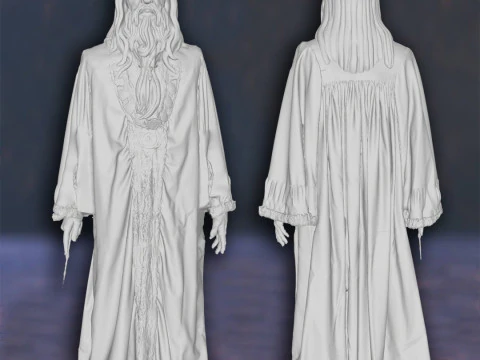 Doruks3DMan
 - -50%
 Doruks3DMan
 - -50%
 Doruks3DMan
 - -50%
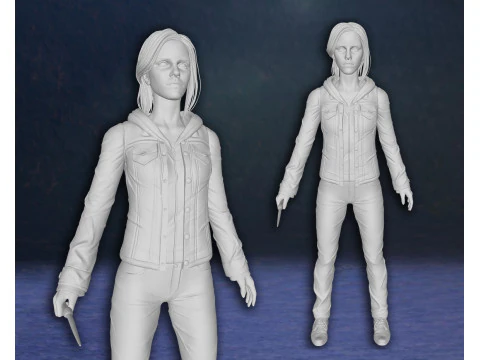 Doruks3DWoman



















Ricerche di tendenza Modelli 3D:
Scultura Modelli 3D Caratteri Modelli 3D Cucina Modelli 3D Cavallo Modelli 3D Architectural Exteriors Modelli 3D Telefoni e Cellulari Modelli 3D Vegetali Modelli 3D Gioielli Modelli 3D Giocattoli Modelli 3D Medicinali Modelli 3D Elicotteri Modelli 3D Armi Pesanti Modelli 3D Camion Modelli 3D Anatomia Modelli 3DQ1: Can Hogwarts 3D models be used in commercial projects?
No — Hogwarts is a trademarked design owned by Warner Bros. Entertainment. Commercial use of the Hogwarts castle design without a Warner Bros. license constitutes trademark and copyright infringement. Fan projects, non-commercial visualizations, and personal creative work exist in the same grey area as other fan art — technically infringing but historically tolerated for personal and non-distributed use. Commercial games, paid video content, or products that use the Hogwarts visual identity commercially are a different matter. The Wizarding World brand is actively protected and licensed; unauthorized commercial use generates legal responses. For commercial architectural fantasy work, create an original castle design inspired by the aesthetic rather than the specific design.
Q2: What architectural features define a Hogwarts-inspired castle model?
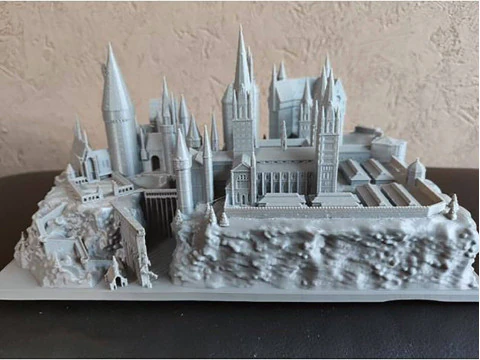
The production design established across the eight films (and refined in the Wizarding World attractions) includes specific elements: the central clock tower, the viaduct courtyard with its distinctive arches, the Great Hall with its hammer-beam roof, astronomy tower, covered bridge, and the asymmetric accumulation of Gothic and Scottish baronial architectural styles. The castle's distinctive silhouette — never perfectly symmetrical, always growing organically — is the hardest element to capture in a 3D model. Models that create a perfectly symmetric castle miss the point of the design entirely. For fan work, accuracy to the film production design is the metric; the films themselves evolved the design between movies 1–2, 3–4, and 5–8.
Q3: How complex is a detailed Hogwarts castle 3D model in terms of file size and polygon count?
A fully detailed Hogwarts model is genuinely one of the more demanding single assets in fantasy architecture. Exterior-only models with simplified interior geometry run 500,000–2 million triangles. Full interior models with the Great Hall, corridors, moving staircases, and individual rooms can exceed 10 million polygons across all components. File sizes for fully detailed models range from 500MB to several gigabytes including textures. For real-time use in Unreal Engine 5, the Nanite system handles high-polygon castle geometry efficiently, but you still need to manage draw calls — breaking the castle into streaming sublevels loaded as the player approaches prevents the entire model loading simultaneously.
Q4: What render settings best capture the atmosphere of a Hogwarts-inspired castle?
The films established a specific visual language: cool blue-grey stone in exterior daylight, warm amber torch/candle light in interiors, and dramatic rim lighting from the horizon in establishing shots. In Blender, use a moody overcast sky HDRI with low intensity (0.3–0.5) for the base ambient, supplemented by a warm sun lamp at low angle (15–25 degrees elevation) for directional shadows. Volumetric atmosphere with slight fog enhances depth and scale. Interior scenes: orange-warm point lights at low intensity (simulating torch light) with visible God rays through windows using Blender's Volume Scatter. Film grain and slight vignette in compositor complete the look. These choices aren't arbitrary — they're directly derived from what the production design team established.