


 English
 Español
 Deutsch
 日本語
日本語 Polska
 Français
 한국의
한국의 Українська
 Nederlands
 Türkçe
 Português
 Bahasa Indonesia
 Русский
 中國
中國 हिंदी
हिंदी
















calabrone Modelli 3D
Abbiamo 118 oggetto(i) Senza royalty hornet Modelli 3D. Acquista o scarica modelli 3D gratuiti per i tuoi progetti CG, produzione di film e video, animazioni, visualizzazioni, giochi, VR/AR e altro. Puoi scaricare qualsiasi modello 3D in tutti i formati 3D più diffusi, inclusi MAX, OBJ, FBX, 3DS, STL, C4D, BLEND, MAYA
- -50%
 SillyToysSculpture
 - -50%
 MakerLabToys
 - -50%
 MakerLabToys
 - -50%
 MakerLabKeychains
  randombutqualityGame Accessories
- -50%
 PrinthubScans and Replicas
 - -50%
 estudiocogMonsters and Creatures
 - -50%
 jov3dprintOther
 - -50%
 CheeseBread.3DDecor
 - -50%
 CheeseBread.3DDecor
 - -50%
 aarnau72Automotive
 - -50%
 aarnau72Automotive
 - -50%
 Kina3DFigurines
 - -50%
 3DWingsFighter
 - -50%
 aarnau72Automotive
 - -50%
 DufeOther




























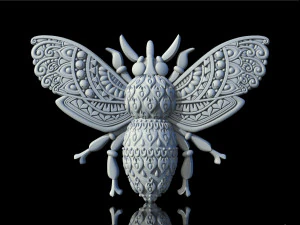


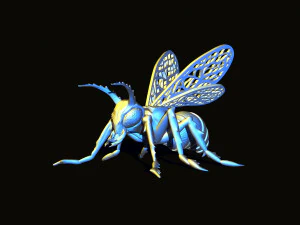


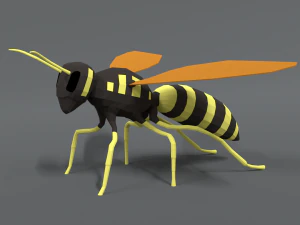





Ricerche di tendenza Modelli 3D:
Scultura Modelli 3D Caratteri Modelli 3D Cucina Modelli 3D Cavallo Modelli 3D Architectural Exteriors Modelli 3D Telefoni e Cellulari Modelli 3D Vegetali Modelli 3D Gioielli Modelli 3D Giocattoli Modelli 3D Medicinali Modelli 3D Elicotteri Modelli 3D Armi Pesanti Modelli 3D Camion Modelli 3D Anatomia Modelli 3DQ1: What anatomical features define a realistic hornet 3D model?
Hornets (genus Vespa) have distinguishing features from standard wasps: larger body size (European Hornet queens reach 35mm, Asian Giant Hornet queens up to 45mm), broader head with larger compound eyes, and a relatively thick petiole (the waist segment connecting thorax and abdomen) compared to paper wasps. The yellow-and-black abdominal banding is species-specific — Asian Giant Hornets have distinctive orange heads and black-striped abdomens; European Hornets have more brown coloration mixed with yellow. Wing venation detail, the three ocelli (simple eyes) on top of the head between the compound eyes, and the mandible geometry for the large crushing jaws are the details that distinguish a carefully researched model from a generic "scary flying insect."
Q2: What are the main uses for hornet 3D models in game development?
Enemy creatures in survival, nature-simulation, and horror games are the obvious application — giant or giant-ified hornet enemies are a recurring enemy archetype. The Asian Giant Hornet specifically saw elevated demand after significant media coverage of its North American presence in 2020. Boss creature design in action games sometimes uses hornet anatomy as a base for original creature designs, borrowing the visual threat signals (stinger, predatory head shape, aggressive coloration) without copying the exact species. Environmental props in outdoor survival games use hornet nests as interactive hazards. The flight animation and attack behavior — the characteristic darting, aggressive movement of hornets compared to bees — is a distinct animation challenge.
Q3: How are hornet flight animations typically structured?
Hornet wings beat at approximately 100 Hz — faster than can be individually animated at standard frame rates. The approach is identical to bee wing animation: rapid oscillation at 4–6 frames per cycle with motion blur, simulating the visual blur of real wing movement. The body movement is what distinguishes hornet animation from bee animation: hornets fly with a more aggressive, direct trajectory — less hovering, more purposeful straight-line movement with sharp direction changes. For a game enemy behavior, a patrol-alert-attack state machine drives the movement: circular patrol flight, then a fast straight-line dart toward the target on aggression trigger. The dart speed (2–4 meters per second for a large hornet at threat distance) should feel sudden compared to the patrol movement.
Q4: What material properties make a realistic hornet surface in Blender?
The exoskeleton has a distinctive semi-gloss quality — not matte like moth wings, not mirror-shiny like some beetles, but a medium gloss that catches directional highlights. Roughness 0.3–0.4 on the body segments. The yellow regions need a slightly warmer, more saturated yellow than pure RGB values suggest — real hornet yellow has an amber quality, approximately RGB 230, 180, 20. The dark brown-black regions: very low roughness (0.15) for the slightly shiny quality of dark insect cuticle. Wing transparency uses a Transmission material with IOR 1.45 (chitin) and a very subtle amber tint — insect wings aren't perfectly clear, they have a slight warm cast from the chitin structure. Wing veins as part of the texture alpha rather than modeled geometry at game resolution.