gufo Modelli 3D

Abbiamo 400 oggetto(i) Senza royalty owl Modelli 3D.

Dettagli
$5
$1500
  1. -50%
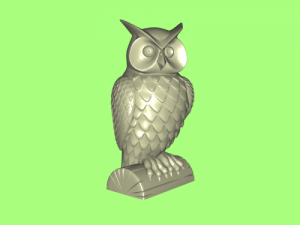
    Gufo sulla scultura del cranio Modello di stampa 3D
  2. -50%
    Barbagianni stampabile Modello di stampa 3D
  3. -50%
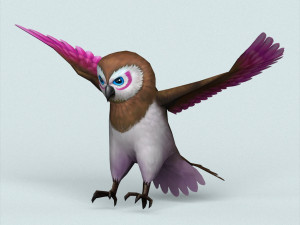
    Uccello del gufo selvatico Modello di stampa 3D
  4. -50%
    Scultura di uccello gufo Modello di stampa 3D
  5. -50%
    Carta da parati 75 Modello 3D
  6. -50%
    Set decorativo 35 Modello 3D
  7. -50%
    Gufo robot Modello 3D
  8. -50%
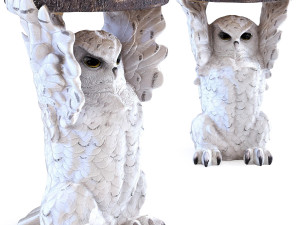
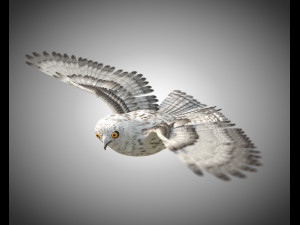
    Gufo delle nevi Modello di stampa 3D
  9. -50%
    Sfera di Noctowl Modello di stampa 3D
  10. -50%
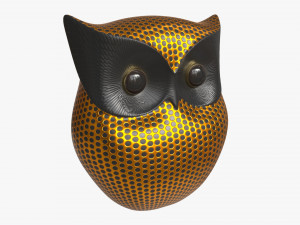
    gufo animale da tavolino Modello 3D
  11. -50%
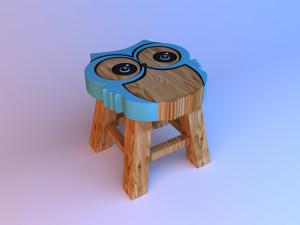
    sedia in legno per bambini e gufi Modello 3D
  12. -50%
    gufo delle nevi Modello di stampa 3D
  13. -50%
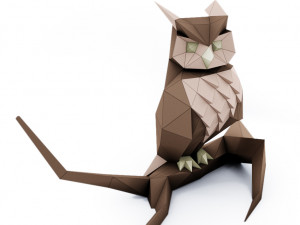
    gufo lowpoly sul ramo Modello 3D
  14. -50%
    colibrì pbr truccato low poly Modello 3D
  15. -50%
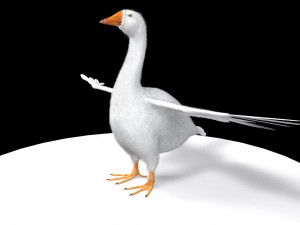
    uccello d'oca Modello 3D
  16. -50%
    statua del gufo Modello 3D
  17. -50%
    gufo di fantasia Modello 3D
  18. -50%
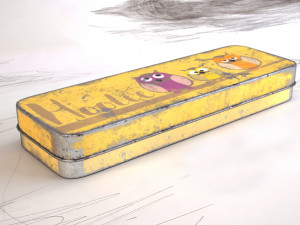
    Modello di astuccio 3D HD Modello 3D
  19. -50%
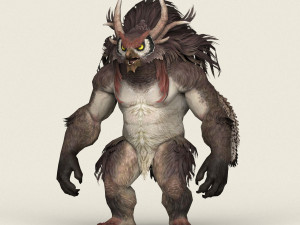
    gufo fantasy pronto per il gioco Modello 3D
  20. -50%
    figura del gufo Modello 3D
  21. -50%
    Ciondolo gufo Modello di stampa 3D
  22. -50%
    Simpatica statuetta di gufo Modello 3D
  23. -50%
    Simpatico gufo flessibile Modello 3D
  24. -50%
    Ciondolo triangolo gufo saggio Modello 3D
  25. -50%
    Ciondolo con simpatico personaggio gufo Modello 3D
  26. -50%
    Ceppo Modello di stampa 3D
  27. -50%
    Ciondolo gufo tempestato di diamanti Modello 3D
  28. -50%
    Ciondolo gufo Modello di stampa 3D
  29. -50%
    Ciondolo gufo di diamanti Modello di stampa 3D
Pagina 1 di 4

Q1: What owl species are most commonly available as 3D models?

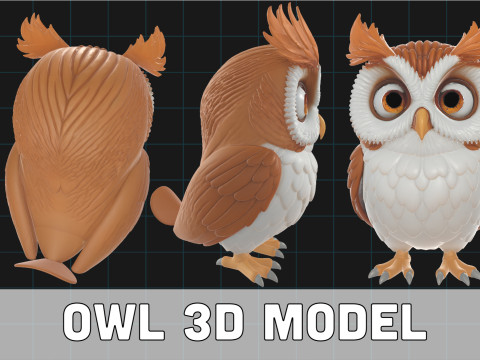
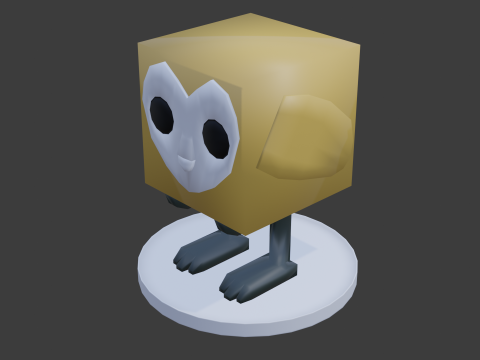
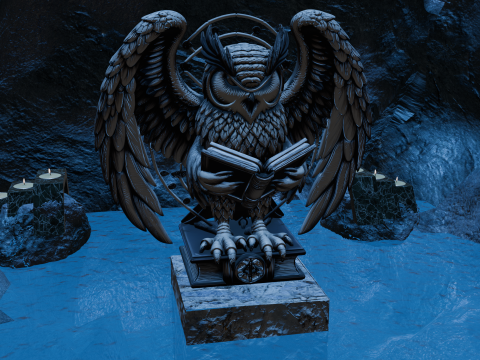
Barn Owl leads the catalog — its heart-shaped facial disc and pale coloration make it visually distinctive and widely used in fantasy and horror contexts. Great Horned Owl is the second most common, recognizable by its ear tufts and yellow eyes. Snowy Owl appears frequently in fantasy and winter-themed content. Little Owl and Tawny Owl show up in European wildlife educational content. The facial disc geometry — the concave face that directs sound to the ears — is what separates a convincing owl model from a generic bird with owl textures. Models that flatten the face into a standard bird convex profile miss the most distinctive anatomical feature of the species.
Q2: What makes owl head rotation animation distinctive and how is it rigged?

Owls can rotate their heads up to 270 degrees in one direction — not 360, a common misconception, but enough to look behind themselves from either direction. This is anatomically possible because owls have 14 cervical vertebrae (humans have 7) and a vascular system adapted to maintain blood flow at extreme rotation. For a 3D owl rig, the head bone needs rotation limits set to ±135 degrees rather than the ±90 typical for other bird species. The rotation should be slow and deliberate — owls don't snap their heads, they rotate with a weighted quality that conveys alertness. A head tracking procedural constraint that follows a target slowly gives this behavior automatically without hand-animating every head movement.

Q3: Can owl 3D models be used in Harry Potter or fantasy-themed fan content?

Owls as a category have no IP restrictions — they're real animals. The specific design of Hedwig (Harry Potter's owl) is a white Snowy Owl, which is a real species. Using a generic Snowy Owl model doesn't infringe any IP; naming it Hedwig in a commercial product gets closer to trademark territory. For fantasy content, owls work as familiars, magical companions, messenger birds, and wisdom symbols across numerous fictional universes. An original owl design — your own color scheme, stylization, and name — is legally clean for any use. Most owl models on 3DExport are original designs without franchise-specific characteristics.

Q4: What animation states are needed for a complete game-ready owl model?

Seven cover most scenarios. Idle perched: subtle body sway, occasional blink, head micro-adjustments. Head rotation: the distinctive slow swivel that owls use to track movement. Alert: upright posture, ear tufts raised (for species that have them), eyes widened. Fly: wingbeat cycle appropriate to owl flight — slower and more silent than most birds, roughly 1.5–2 beats per second for large species. Glide: wings spread, controlled descent. Attack/swoop: wings swept back, talons extended forward. Land: wings flare, talons reach for perch. The blink animation — owls have a distinctive slow blink — seems trivial but contributes significantly to the character's life quality in idle states.