


 English
 Español
 Deutsch
 日本語
日本語 Polska
 Français
 한국의
한국의 Українська
 Nederlands
 Türkçe
 Português
 Bahasa Indonesia
 Русский
 中國
中國 हिंदी
हिंदी
















scarpa Modelli 3D
Abbiamo 1445 oggetto(i) Senza royalty shoe Modelli 3D. Acquista o scarica modelli 3D gratuiti per i tuoi progetti CG, produzione di film e video, animazioni, visualizzazioni, giochi, VR/AR e altro. Puoi scaricare qualsiasi modello 3D in tutti i formati 3D più diffusi, inclusi MAX, OBJ, FBX, 3DS, STL, C4D, BLEND, MAYA
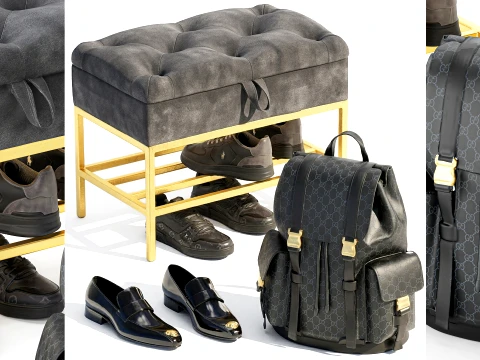
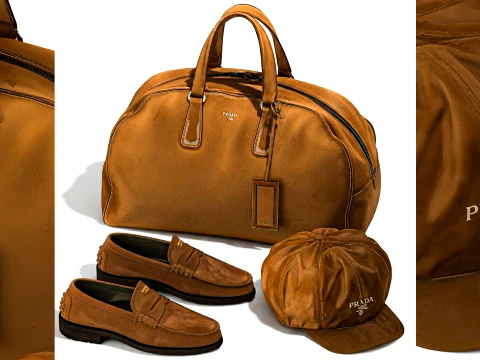 deckoratorClothing
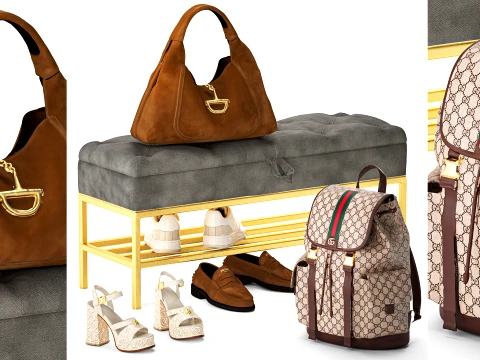
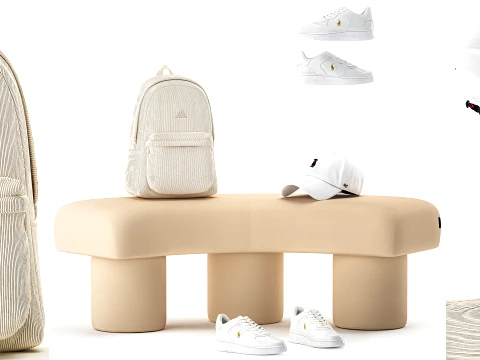 deckoratorBench
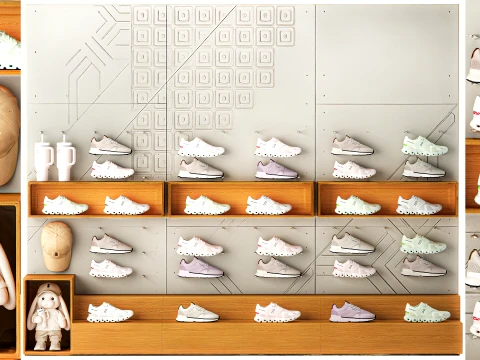 deckoratorClothing
- -40%
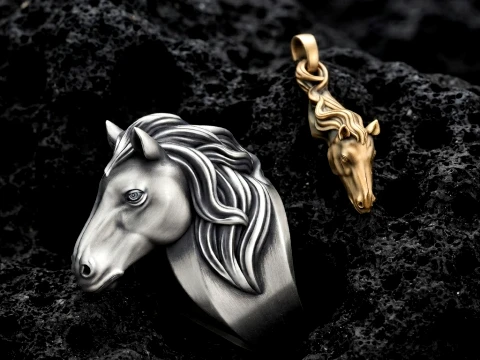 Avera3dPendants
 - -40%
 Avera3dPendants
 - -40%
 Avera3dRings
 - -40%
 Avera3dPendants


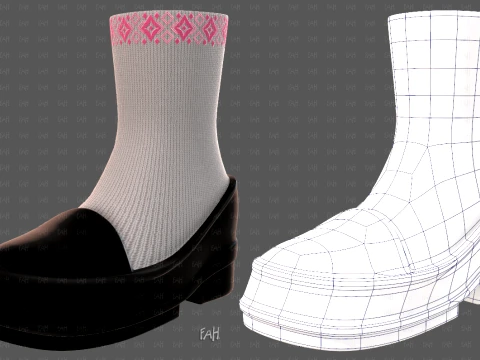
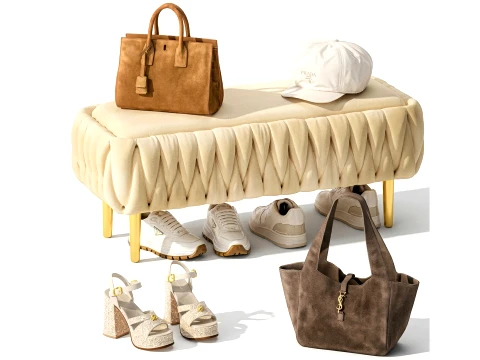
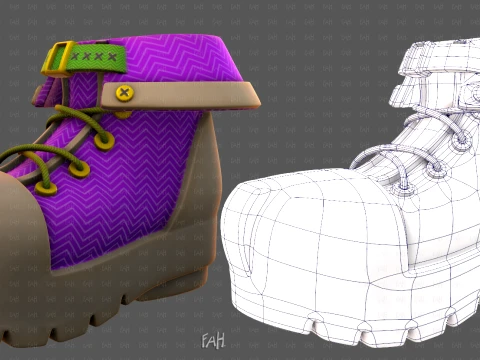
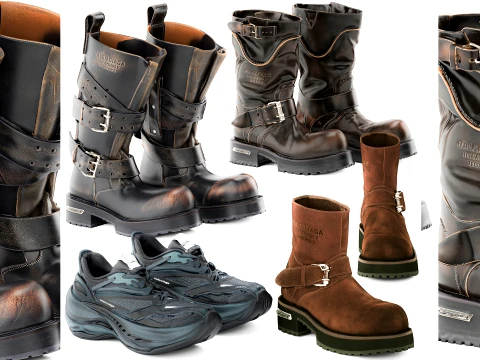
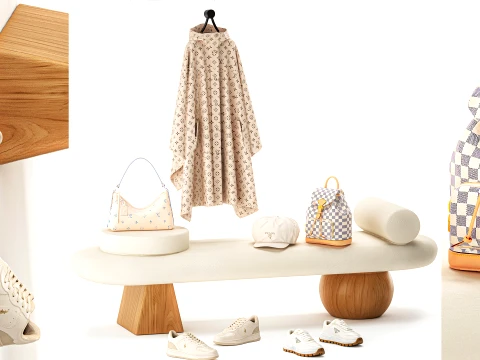
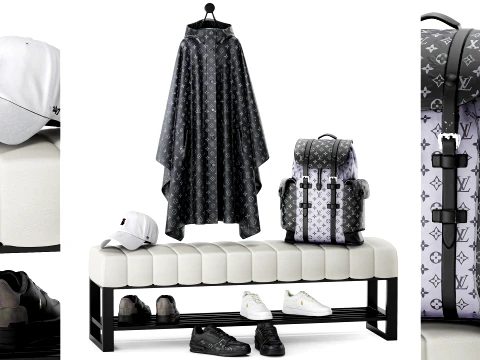
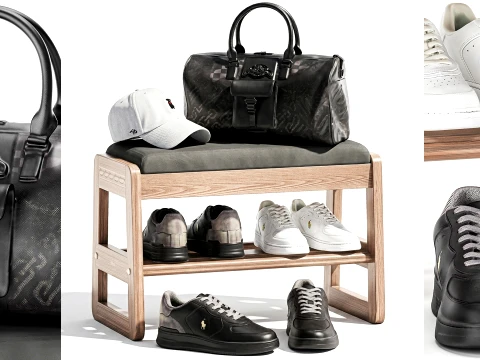
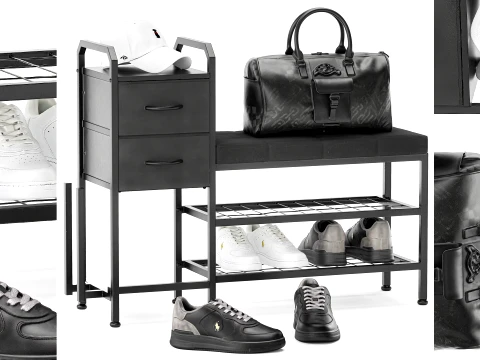
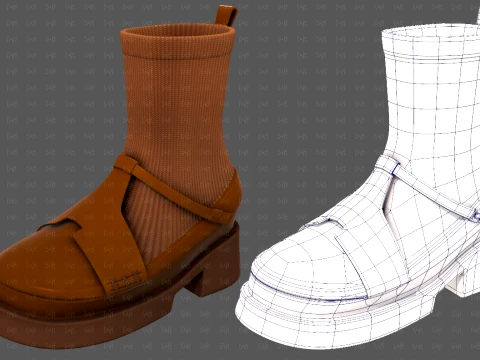
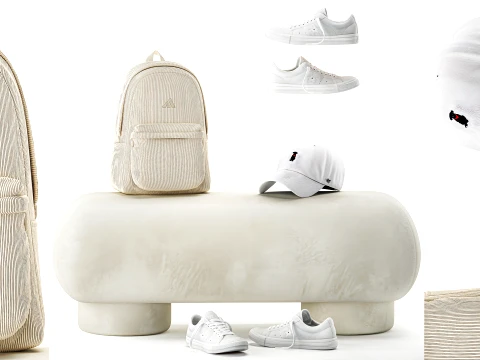

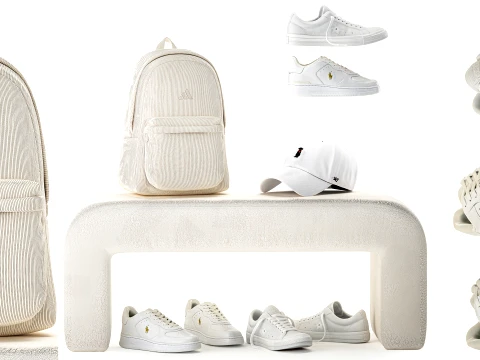
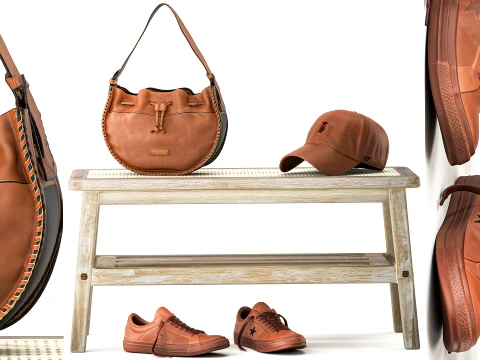
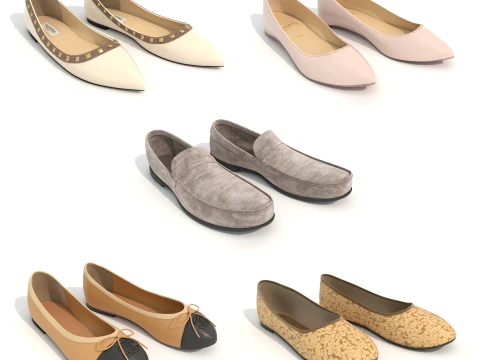
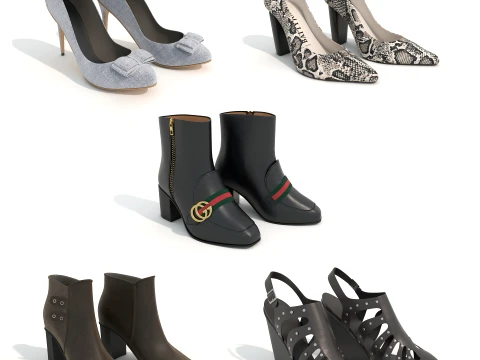
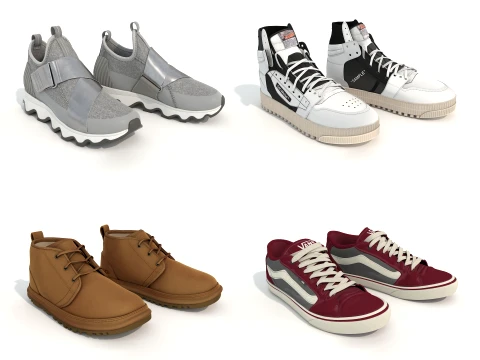
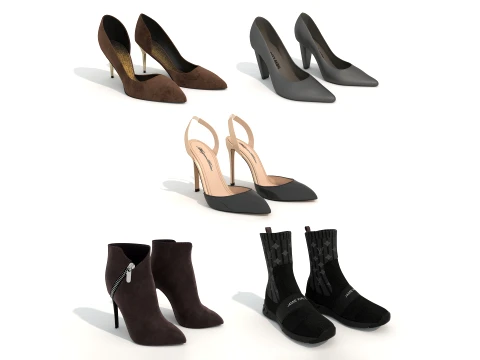

















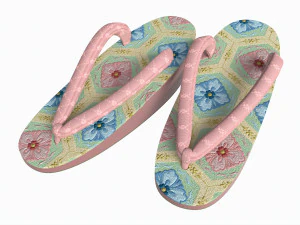


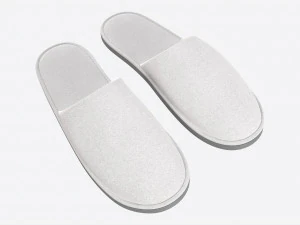


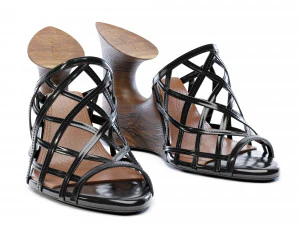


Ricerche di tendenza Modelli 3D:
Scultura Modelli 3D Caratteri Modelli 3D Cucina Modelli 3D Cavallo Modelli 3D Architectural Exteriors Modelli 3D Telefoni e Cellulari Modelli 3D Vegetali Modelli 3D Gioielli Modelli 3D Giocattoli Modelli 3D Medicinali Modelli 3D Elicotteri Modelli 3D Armi Pesanti Modelli 3D Camion Modelli 3D Anatomia Modelli 3DQ1: What level of detail is needed for shoe 3D models in e-commerce visualization?
Higher than most people budget for. E-commerce shoe renders compete directly with product photography, and customers compare them side-by-side with actual photos. The sole tread pattern needs to match the real product exactly — this is where generic shoe models fail commercial clients immediately. Stitch geometry along seams, eyelets as separate modeled elements, lace geometry with correct crossing pattern, and material differentiation between leather, rubber, mesh, and foam components — each needs a distinct PBR material. Texture resolution at 4K minimum for the primary surface maps. Anything less shows as obvious CG at the zoom levels e-commerce customers use. For Nike or Adidas-level product renders, it's 8K textures and mesh-accurate sole geometry.
Q2: Are branded shoe 3D models available for commercial use?
This is legally tricky. Specific branded footwear — a Nike Air Max, Adidas Yeezy, New Balance 990 — are trademarked designs, and their use in commercial products requires licensing from the brand. Third-party models of branded shoes exist on platforms, but using them commercially without brand authorization is trademark infringement. For commercial product visualization work, you need either official brand-provided 3D assets (which major brands increasingly provide to approved retailers) or original generic shoe designs. Generic lifestyle sneakers, boots, and dress shoes without specific brand marks are commercially usable under standard 3DExport licenses.
Q3: How are shoe 3D models used in virtual try-on applications?
Augmented reality shoe try-on is a mainstream e-commerce feature in 2026 — major retailers including ASOS, Zappos, and Foot Locker use it. The technical pipeline: a foot tracking model (ARKit or Google's MediaPipe hand/foot tracking) identifies foot position and orientation in camera space; a 3D shoe model renders on top of the tracked foot in real time. For this use case, the shoe model needs to be in GLB format, scaled to real shoe dimensions (a US size 10 men's sneaker is approximately 285mm long), and have a clean collision mesh representing the inner volume so the virtual foot "fills" the shoe correctly. The shoe material needs to render correctly under environmental lighting, which requires proper PBR setup with correct metallic/roughness values.
Q4: What's the polygon count range for game-ready shoe models?
Shoes are character components, so their polygon budget is part of the overall character budget. For a game character where shoes are part of a full-body asset: 2,000–6,000 triangles per shoe is typical. For a close-up shoe-focused game (a skateboarding game where shoe graphics are a selling point, for instance), hero shoe assets run 10,000–20,000 tris with 4K textures. The sole tread geometry accounts for a surprising proportion of the triangle count — tread patterns have a lot of small geometric features that require triangles to define correctly. Some studios bake tread detail into the normal map from a high-poly sculpt rather than using actual geometry, saving 2,000–4,000 tris per shoe.