


 English
 Español
 Deutsch
 日本語
日本語 Polska
 Français
 한국의
한국의 Українська
 Nederlands
 Türkçe
 Português
 Bahasa Indonesia
 Русский
 中國
中國 हिंदी
हिंदी
















sirena Modelli 3D
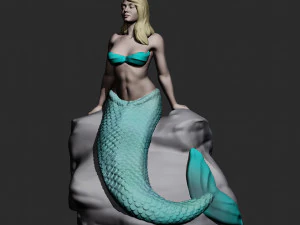
Abbiamo 50 oggetto(i) Senza royalty siren Modelli 3D. Acquista o scarica modelli 3D gratuiti per i tuoi progetti CG, produzione di film e video, animazioni, visualizzazioni, giochi, VR/AR e altro. Puoi scaricare qualsiasi modello 3D in tutti i formati 3D più diffusi, inclusi MAX, OBJ, FBX, 3DS, STL, C4D, BLEND, MAYA
- -50%
 ulutengriOther
 - -20%
 DesignerworkshopPendants
 - -50%
 surf3dTruck
 - -50%
 Atlant3DFantasy




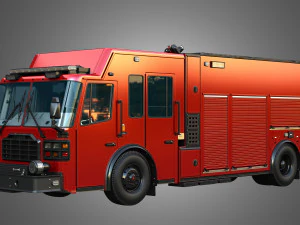
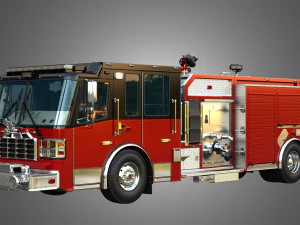















Ricerche di tendenza Modelli 3D:
Scultura Modelli 3D Caratteri Modelli 3D Cucina Modelli 3D Cavallo Modelli 3D Architectural Exteriors Modelli 3D Telefoni e Cellulari Modelli 3D Vegetali Modelli 3D Gioielli Modelli 3D Giocattoli Modelli 3D Medicinali Modelli 3D Elicotteri Modelli 3D Armi Pesanti Modelli 3D Camion Modelli 3D Anatomia Modelli 3DQ1: What is Siren Head and who created the original character?
Siren Head is a cryptid creature created by Canadian artist Trevor Henderson, first posted on social media in 2018. The design: an extremely tall (approximately 40 feet), emaciated humanoid figure with two industrial air raid sirens in place of a head, capable of emitting human voices, emergency broadcasts, and distorted sounds to lure prey. Henderson creates his characters as digital art — photomanipulations placed in real environments — and the liminal, found-footage quality of his presentation style made Siren Head and his other creatures go viral. Henderson has been explicit that the character is free for fan use in non-commercial creative work, making fan games and models more legally clear than most IP-originated characters.
Q2: What geometry challenges does the Siren Head design present for 3D modeling?
The extreme height and thinness create proportion problems that most standard character rigs don't handle. At 40 feet tall with a human-width body, the limbs are disproportionately long relative to their diameter — this creates geometry that is technically challenging to rig without clipping artifacts at joints. The siren head assembly (two sirens, cables, and the neck transition between sirens and body) requires careful modeling to match Henderson's illustrations while functioning as a 3D object. The most common modeling failure: the siren heads look correct from the front but poorly constructed from any other angle — they're often modeled from the reference image without resolving the three-dimensional form that the 2D illustration implies.
Q3: What are Siren Head 3D models used for in indie game development?
Siren Head has spawned numerous indie horror games — some with millions of downloads — making it one of the more productively fan-utilized creature designs in recent years. Trevor Henderson's permissive stance toward non-commercial fan games has allowed this ecosystem to develop. For indie developers, a well-made Siren Head model provides a recognizable horror antagonist with pre-existing audience recognition, which reduces marketing friction for small games. The creature's mechanics — detection through sound, extreme height creating a unique threat presence, and the unsettling audio design — suit survival horror game design well. Commercial release requires checking Henderson's current content usage policies, which have evolved as the character's profile has grown.
Q4: How do you animate Siren Head's distinctive movement style in Blender?
Henderson's illustrations imply a slow, lurching movement with the body swaying independently from the siren-heads, which track separately like they're mechanically mounted. For Blender animation: give the siren heads independent rotation controls on all three axes, separate from the neck and body rig. The body should move with heavy, earth-shaking steps — a very slow walk cycle (one step every 1–1.5 seconds) with extreme body lean during each step to sell the weight. Secondary motion on the extremely long arms is essential — they should swing with a 0.5–1 second lag behind the body movement. The siren heads should rotate toward perceived stimuli with a mechanical, non-organic precision — smooth rotation without the organic softness of biological head movement.