


 English
 Español
 Deutsch
 日本語
日本語 Polska
 Français
 한국의
한국의 Українська
 Nederlands
 Türkçe
 Português
 Bahasa Indonesia
 Русский
 中國
中國 हिंदी
हिंदी
















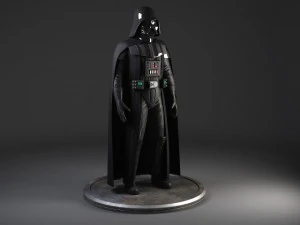
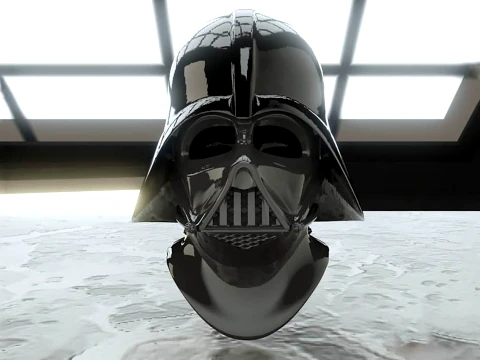
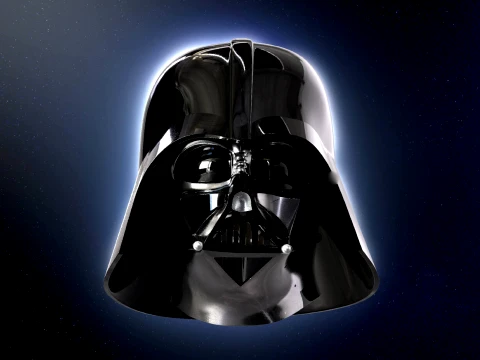
Vader Modelli 3D
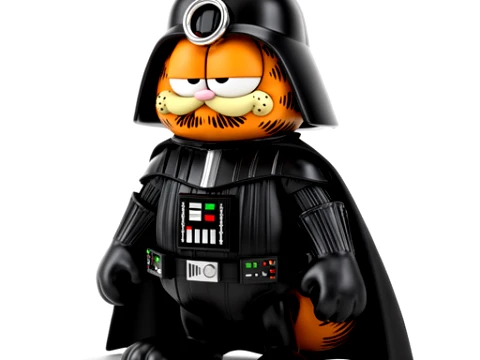
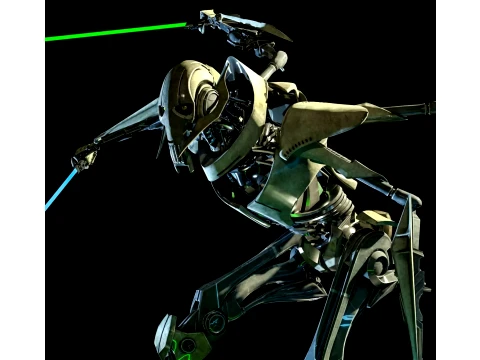
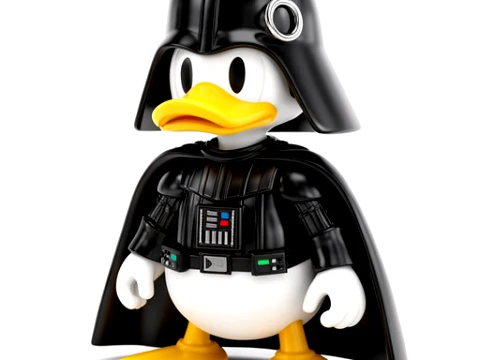
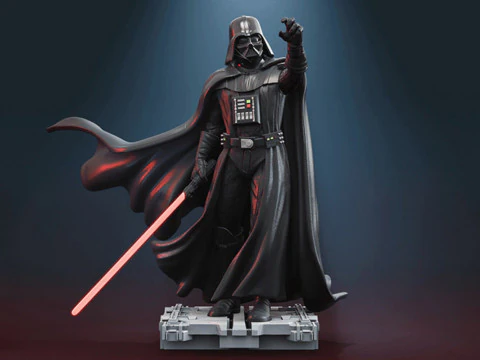
Abbiamo 245 oggetto(i) Senza royalty vader Modelli 3D. Acquista o scarica modelli 3D gratuiti per i tuoi progetti CG, produzione di film e video, animazioni, visualizzazioni, giochi, VR/AR e altro. Puoi scaricare qualsiasi modello 3D in tutti i formati 3D più diffusi, inclusi MAX, OBJ, FBX, 3DS, STL, C4D, BLEND, MAYA
- -20%
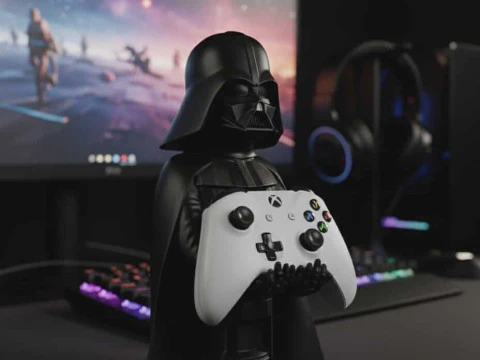 MONA3DStudioGame Accessories
 - -50%
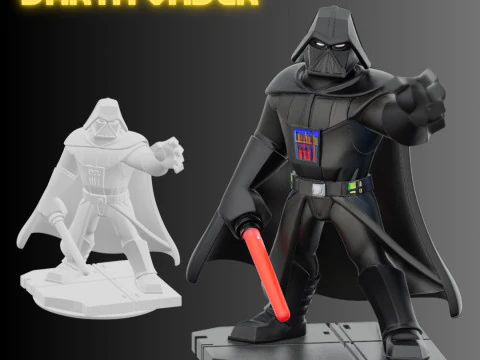 SCULP3DMODELFigurines
 - -50%
 RCM3DMonsters and Creatures
 - -50%
 annwilde88Man
 - -50%
 annwilde88Rings




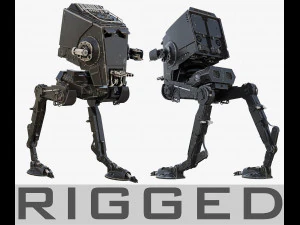


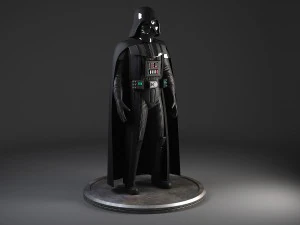
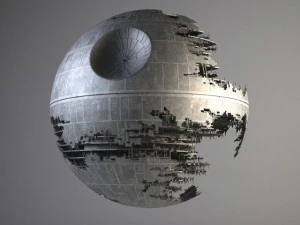
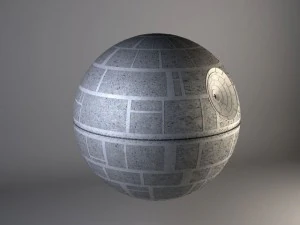




















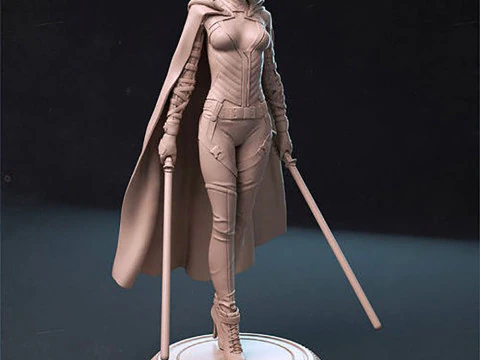
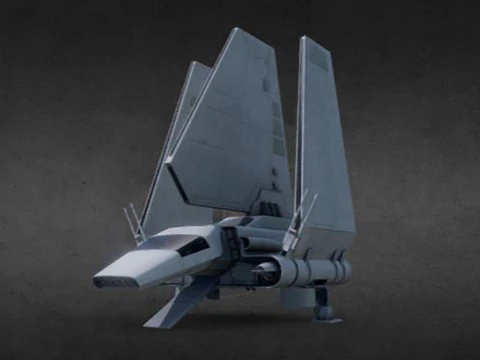
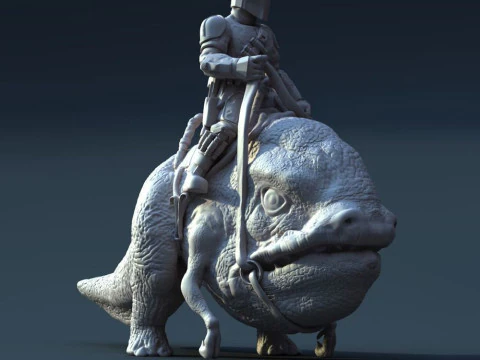
Ricerche di tendenza Modelli 3D:
Scultura Modelli 3D Caratteri Modelli 3D Cucina Modelli 3D Cavallo Modelli 3D Architectural Exteriors Modelli 3D Telefoni e Cellulari Modelli 3D Vegetali Modelli 3D Gioielli Modelli 3D Giocattoli Modelli 3D Medicinali Modelli 3D Elicotteri Modelli 3D Armi Pesanti Modelli 3D Camion Modelli 3D Anatomia Modelli 3DQ1: Can Darth Vader 3D models be used in commercial projects?
No — Darth Vader is one of Disney/Lucasfilm's most protected IP assets. The character design, including the helmet, suit, lightsaber, and breathing apparatus, is actively trademarked and copyrighted. Disney has a well-documented history of aggressive IP enforcement across all Star Wars properties. Models on third-party platforms are sold for fan art, personal use, and non-commercial creative work. Commercial use — paid games, sold merchandise, commercial video content where the character is featured — requires a Lucasfilm license, which is not available to independent developers through any standard process. Original dark armored villain designs inspired by the aesthetic but not directly copying the specific design elements are the commercially safe alternative.
Q2: What makes the Darth Vader helmet design technically challenging as a 3D model?
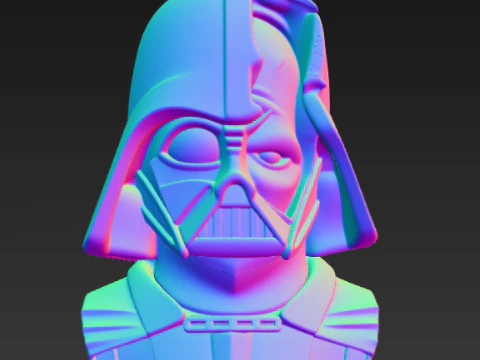
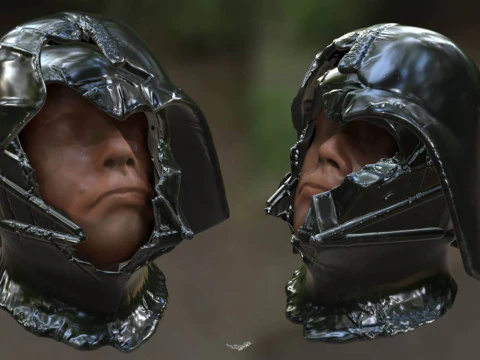
The helmet combines several difficult surface types in one object. The dome: a complex compound curve that isn't quite spherical — the original helmet was sculpted by Brian Muir over Vader's mask design, and its specific proportions have been reproduced in production across six decades. The face mask: the angular geometry of the mouthpiece and the specific geometry of the eyeholes with their inset lenses. The transition from dome to face mask involves an irregular parting line that needs precise edge loop placement to model correctly. The whole thing is matte black with a subtle specular response — not mirror-shiny, not completely flat — that requires careful PBR calibration to avoid looking like plastic or rubber.
Q3: What are Darth Vader 3D models used for in fan production?
The Star Wars fan film community is substantial — Fan Film Awards through the official Star Wars website recognize non-commercial fan productions annually. Fan animators use Vader models for short films, reaction content, and animation practice. The character's iconic silhouette and audio design (James Earl Jones's voice, Ben Burtt's breathing sound) make him a recognizable subject for fan skill demonstrations. Animation students use the character for exercises in villain movement — Vader's deliberate, unhurried movement style is a specific animation challenge that teaches weight, menace, and authority through body language rather than facial expression.
Q4: What rendering approach captures the Star Wars visual aesthetic for fan films?
The original trilogy's visual language was established by cinematographer Gilbert Taylor (Episode IV) and later Roger Pratt, with an emphasis on practical lighting motivated by in-scene sources. For fan renders, this means: strong directional key light simulating the single-source look of practical set lighting, deep shadows (Star Wars rarely fills shadows completely), and a slight film grain in the compositor. For the lightsaber glow — the element most fan renders get wrong — don't rely on bloom alone. Add a volumetric cone of light along the saber blade axis to simulate the scatter that makes real lightsaber props glow in all directions, not just toward camera.