


 English
 Español
 Deutsch
 日本語
日本語 Français
 한국의
한국의 Українська
 Italiano
 Nederlands
 Türkçe
 Português
 Bahasa Indonesia
 Русский
 中國
中國 हिंदी
हिंदी
















goryl Modele 3D
Mamy 283 produkty/ów Bez opłat licencyjnych gorilla Modele 3D. Kup lub pobierz bezpłatne modele 3D do swoich projektów CG, produkcji filmowych i wideo, animacji, wizualizacji, gier, VR/AR i innych. Możesz pobrać dowolny model 3D we wszystkich popularnych formatach 3D, w tym MAX, OBJ, FBX, 3DS, STL, C4D, BLEND, MAYA
- -50%
 deckoratorOther
 - -50%
 creativegameshopKitchen and Dining
 - -50%
 creativegameshopKitchen and Dining
 - -50%
 3DcncUNIQUESculpture
 - -50%
 turbocgBear


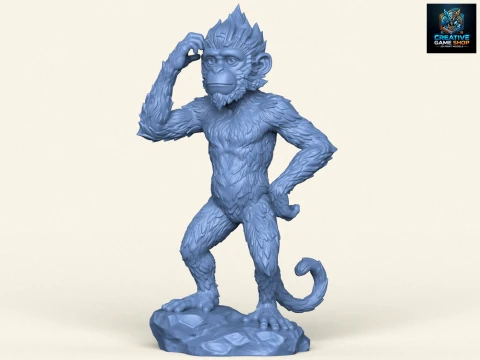
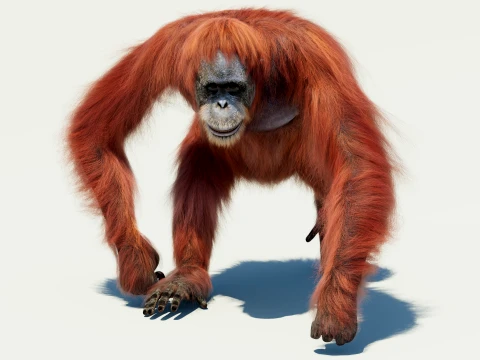
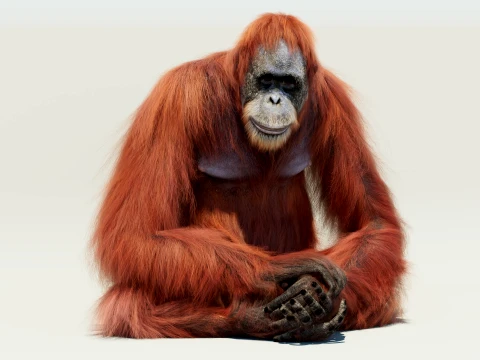
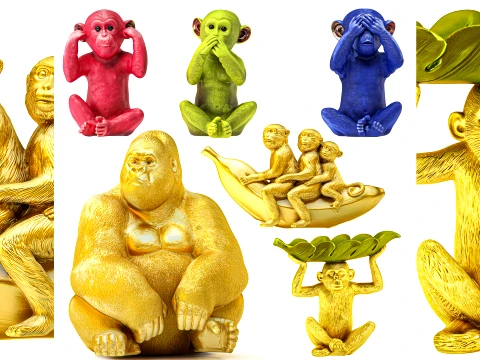
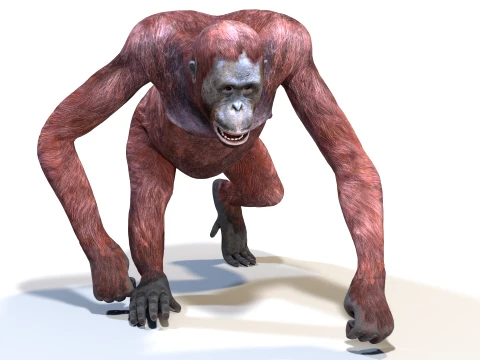
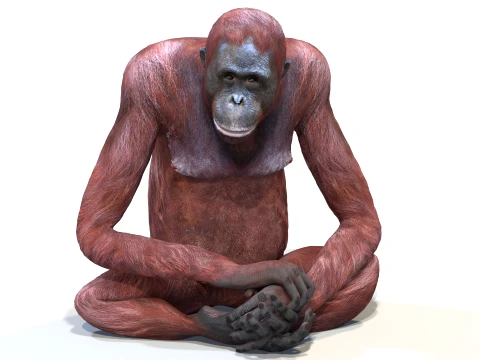
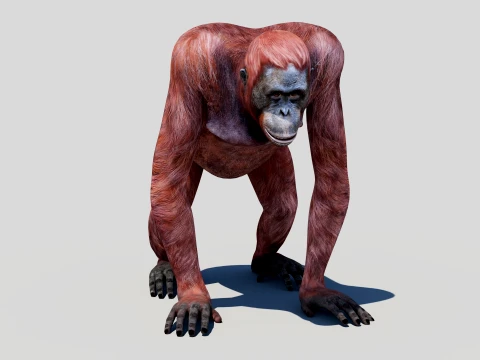
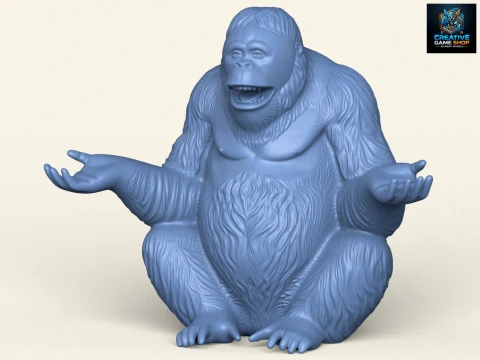
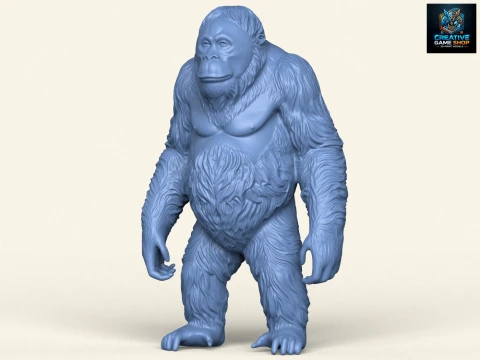
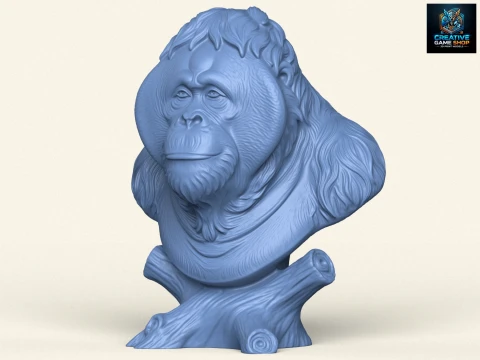
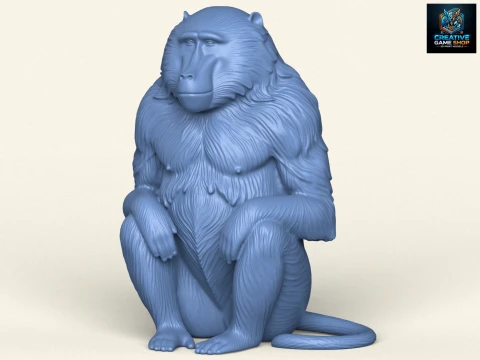










Popularne wyszukiwania Modele 3D:
Rzeźba Modele 3D Postacie Modele 3D Kuchnia Modele 3D Koń Modele 3D Architektoniczne Zewnątrz Modele 3D Telefon i Komórkowy Modele 3D Warzywo Modele 3D Biżuteria Modele 3D Zabawki Modele 3D Medyczny Modele 3D Śmigłowiec Modele 3D Ciężka Broń Modele 3D Ciężarówka Modele 3D Anatomia Modele 3DQ1: What anatomical features define a realistic gorilla 3D model?
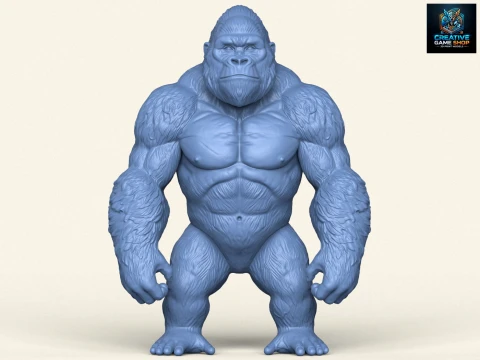
Western Lowland Gorilla proportions: male silverbacks weigh 140–200kg and have a distinctive sagittal crest (a bony ridge along the top of the skull that anchors the massive jaw muscles), pronounced brow ridges, wide nostrils, and the characteristic silverback coloration — grey-silver hair on the back from the shoulders to the hips. The body proportions differ significantly from humans: arms are disproportionately long (arm span exceeds height), the torso is deep from front to back, and the legs are shorter relative to body mass. Knuckle-walking geometry requires correctly positioned wrist joints — gorillas walk on the dorsal surface of their middle phalanges, not the palm, which means the wrist angle during quadrupedal locomotion is distinctive.
Q2: How is knuckle-walking animation handled in a gorilla 3D rig?
The hand needs 4–5 bones per finger with the key contact point at the middle knuckle (proximal interphalangeal joint), not the fingertips. During knuckle-walking, the fingers curl so the dorsal surface of the middle phalanges contacts the ground — the weight is distributed across the second knuckle row, not the fingertips or palm. This requires the hand IK target to reference the middle knuckle position rather than the fingertip. In practice: build the IK chain to terminate at the middle-finger knuckle, add a ground contact constraint there, and let the finger curl automatically from the IK. Bipedal gorilla locomotion (upright walking, seen in charging behavior and occasional bipedal standing) uses a completely different weight distribution and requires a separate animation layer.
Q3: What are 3D gorilla models used for in current production pipelines?
Wildlife documentary visualization — particularly for behavior sequences too dangerous or logistically impossible to film, such as silverback confrontations or night behavior. Educational biology and primate cognition research visualization. Game characters: gorillas appear as boss enemies, companion animals, and playable characters in action, adventure, and survival games. Conservation awareness campaigns use photorealistic gorilla models for fundraising and educational content. The demand for gorilla models correlates with their cultural presence — Harambe-related content drove a sustained spike in gorilla model searches between 2016–2022, and that interest has become a stable background demand.
Q4: What fur setup works best for a realistic gorilla in Blender?
Gorilla fur is relatively short (2–4cm on the body) and straight — not the long flowing fur of orangutans. This makes it more practical to render than most great ape models. In Blender, a hair particle system with 2–4cm length, low curl (0.05–0.1), and clumping noise to create the natural variation in fur direction works well. Set around 5,000–8,000 hair strands for render quality. The face is sparsely furred — skin is visible through very short hair on the face, giving the distinctive skin-color-visible facial appearance. The scalp and back have denser, coarser hair. Add a dark grey-black base particle system for the body, a separate sparser system for the face with shorter length and lower density, and a third system for the silverback region with the distinctive grey coloration.