


 English
 Español
 Deutsch
 日本語
日本語 Français
 한국의
한국의 Українська
 Italiano
 Nederlands
 Türkçe
 Português
 Bahasa Indonesia
 Русский
 中國
中國 हिंदी
हिंदी
















sfałszowane Modele 3D
Mamy 4977 produkty/ów Bez opłat licencyjnych rigged Modele 3D. Kup lub pobierz bezpłatne modele 3D do swoich projektów CG, produkcji filmowych i wideo, animacji, wizualizacji, gier, VR/AR i innych. Możesz pobrać dowolny model 3D we wszystkich popularnych formatach 3D, w tym MAX, OBJ, FBX, 3DS, STL, C4D, BLEND, MAYA

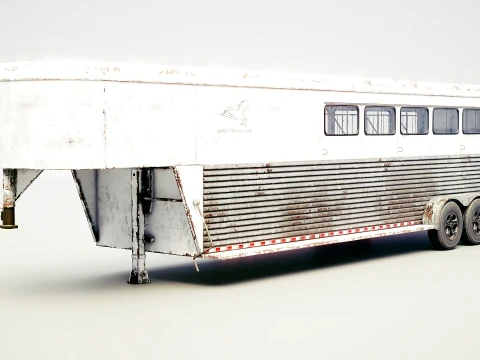


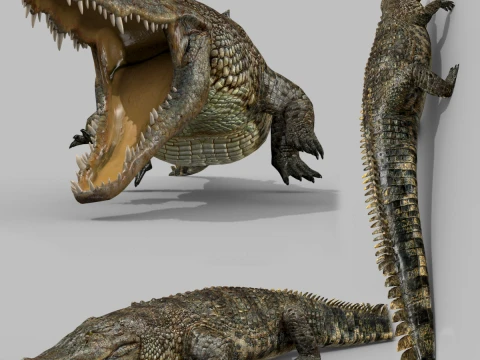











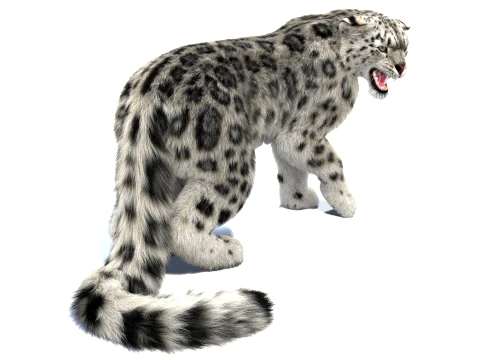

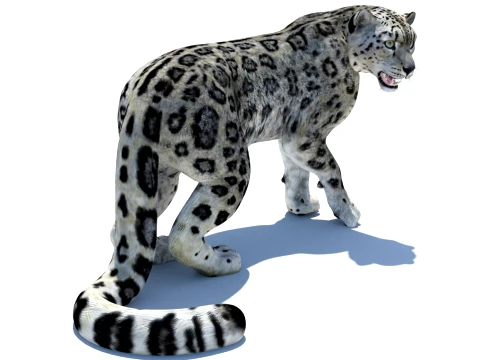
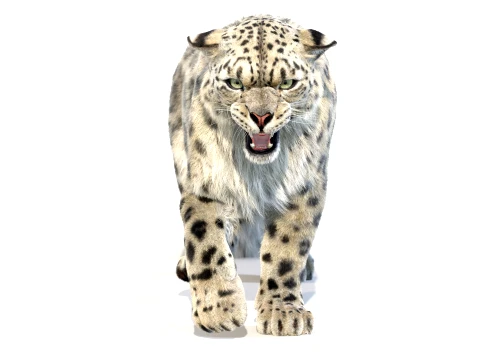
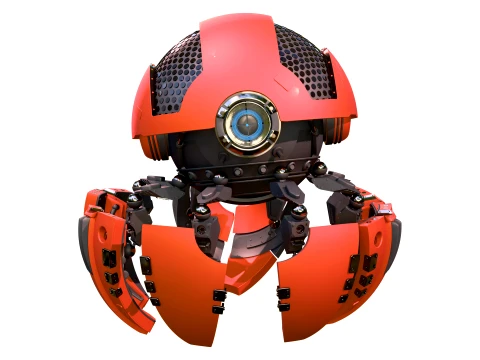
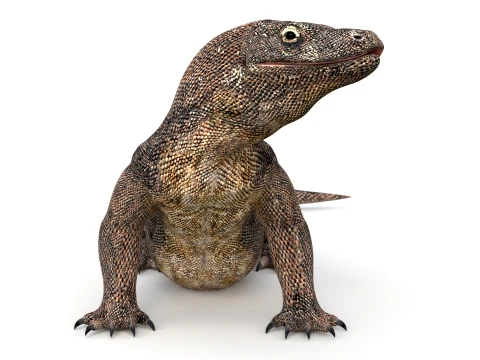























































Popularne wyszukiwania Modele 3D:
Rzeźba Modele 3D Postacie Modele 3D Kuchnia Modele 3D Koń Modele 3D Architektoniczne Zewnątrz Modele 3D Telefon i Komórkowy Modele 3D Warzywo Modele 3D Biżuteria Modele 3D Zabawki Modele 3D Medyczny Modele 3D Śmigłowiec Modele 3D Ciężka Broń Modele 3D Ciężarówka Modele 3D Anatomia Modele 3DQ1: What should you check before buying a rigged 3D model?
Five things, in order. First, is the rig included — some listings say "rigged" but mean "rig-ready" or "topology suitable for rigging." Read the description literally. Second, which software was the rig built in — a Maya muscle rig won't transfer cleanly to Blender, and a Rigify-based Blender rig exports to FBX with baked bone positions that lose the control rig structure. Third, does it include animation clips or just the rig skeleton. Fourth, what's the bone count — high bone counts affect real-time performance. Fifth, look for a preview of the rig in motion: static renders prove nothing about deformation quality. A nice-looking model can still have terrible joint deformation that only appears when animated.
Q2: What's the difference between a game-ready rig and a film rig?
Film rigs prioritize control complexity and visual quality. A film character rig might have 200+ control bones, muscle simulation, skin sliding, and corrective blend shapes for every problematic joint angle. Animators can achieve nuanced, physically convincing deformation, but the rig is software-specific and computationally expensive. Game rigs prioritize performance and portability. A game character rig typically runs 50–80 bones, uses only FK/IK skeleton without muscle simulation, and is designed to export cleanly to FBX for import into Unreal or Unity. Blend shapes handle facial animation in games; full facial rigs with 30+ controllers are usually overkill for game characters. The right rig depends entirely on your pipeline, not quality ambition.
Q3: How do rigged 3D models work in Unreal Engine 5?
Import the FBX as a Skeletal Mesh — not Static Mesh. UE5 reads the bone hierarchy and creates a Skeleton asset, a Physics Asset, and the Skeletal Mesh simultaneously on import. Animation clips import as Animation Sequence assets. The Skeleton asset is what links meshes and animations: multiple skeletal meshes can share one skeleton, which is how character customization systems work (swapping clothing meshes that all reference the same skeleton). Control Rig in UE5 lets you build IK and procedural animation on top of imported skeleton data without needing it baked into the FBX. For most purchased rigged models, the FBX import pipeline with the Animation Blueprint driving the Skeleton asset is the standard workflow.
Q4: Can rigged models from 3DExport be retargeted to Mixamo animations?
Often yes, with some cleanup. Mixamo auto-rigging uses a standardized bone naming convention, and the IK Retargeter in UE5 or the Blender Rigify retargeting tools can map Mixamo animation data onto custom skeletons. The accuracy of retargeting depends on how close the source skeleton's proportions and bone orientation are to the Mixamo standard. Significantly non-human proportions — very long arms, short legs, large heads — will produce distorted retargeted animations that need manual correction. For humanoid characters close to standard proportions, Mixamo retargeting saves substantial animation time. For creatures or heavily stylized characters, manual animation or motion capture retargeting with correction passes is more reliable.