


 English
 Español
 Deutsch
 日本語
日本語 Polska
 Français
 한국의
한국의 Українська
 Nederlands
 Türkçe
 Português
 Bahasa Indonesia
 Русский
 中國
中國 हिंदी
हिंदी
















cervo Modelli 3D
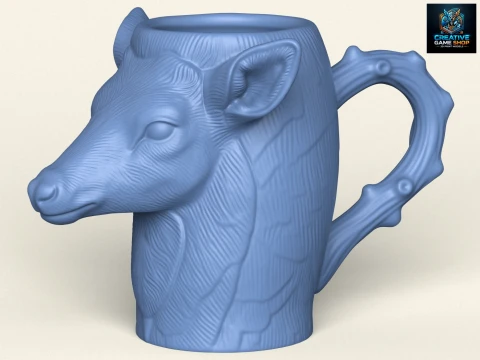
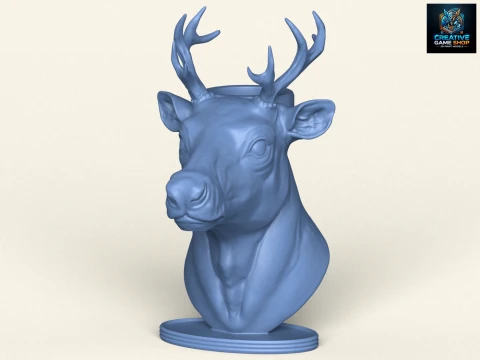
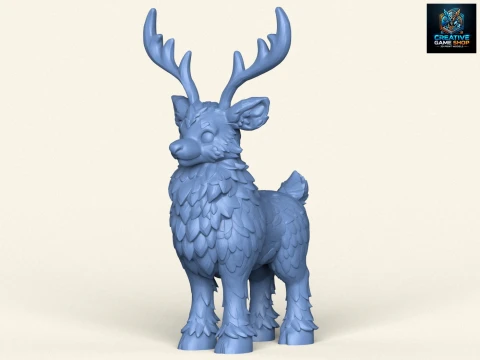
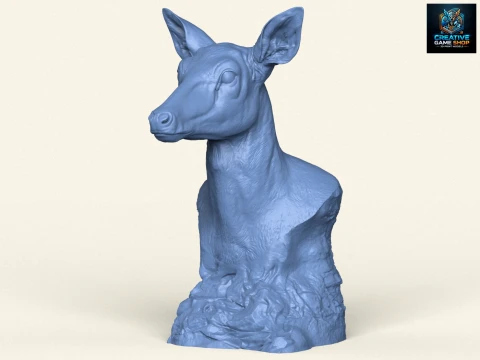
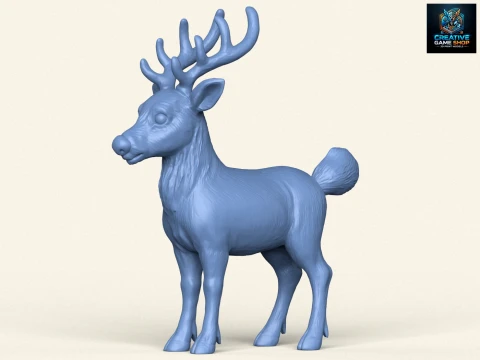
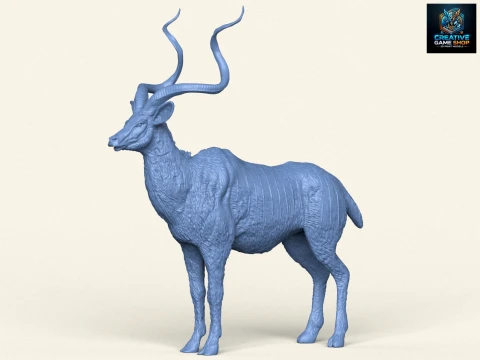
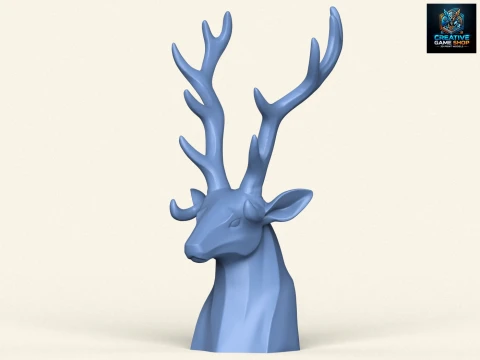
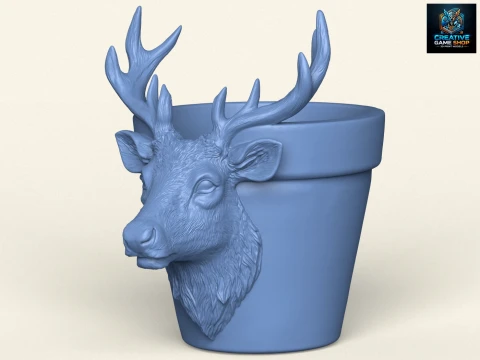
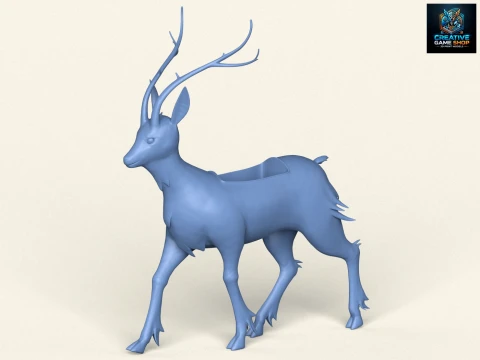
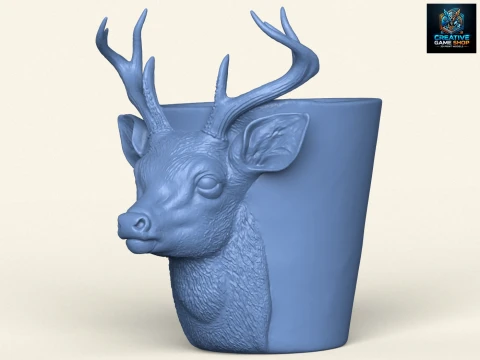
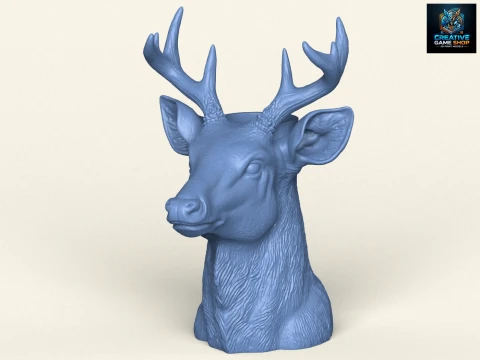
Abbiamo 693 oggetto(i) Senza royalty deer Modelli 3D. Acquista o scarica modelli 3D gratuiti per i tuoi progetti CG, produzione di film e video, animazioni, visualizzazioni, giochi, VR/AR e altro. Puoi scaricare qualsiasi modello 3D in tutti i formati 3D più diffusi, inclusi MAX, OBJ, FBX, 3DS, STL, C4D, BLEND, MAYA
 deckoratorOther
- -20%
 creativegameshopMonsters and Creatures
  deckoratorOther
- -20%
 creativegameshopDecor
 - -20%
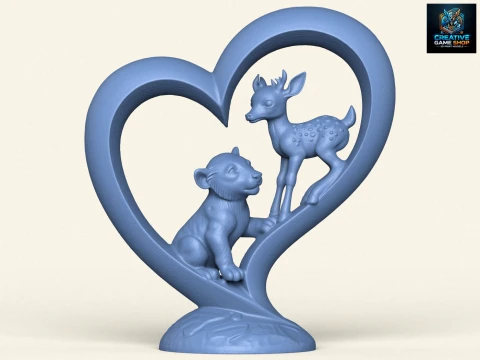 creativegameshopSculpture
 - -20%
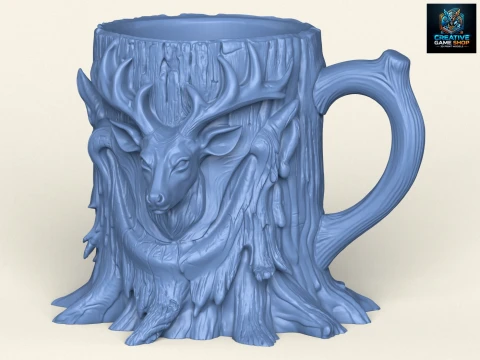 creativegameshopKitchen and Dining
 - -20%
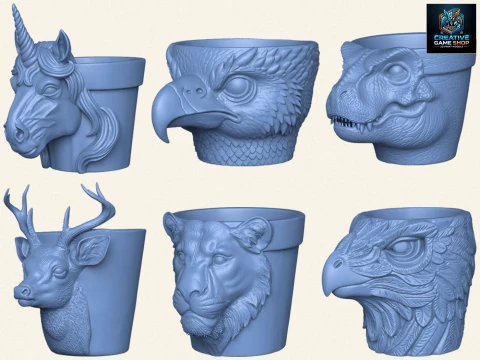 creativegameshopDecor
  Devils3DArtistDecor
 Devils3DArtistDecor
- -30%
 malibusanDeer


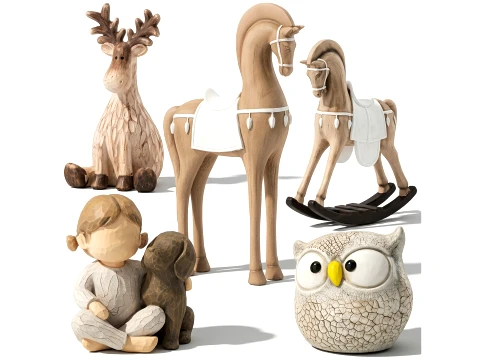
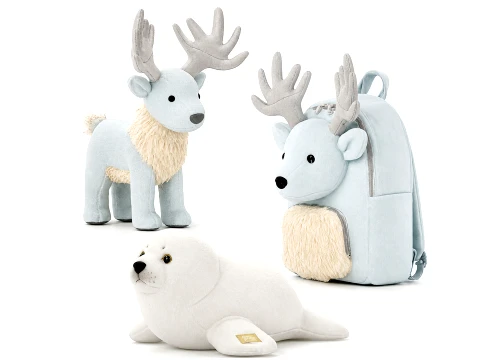
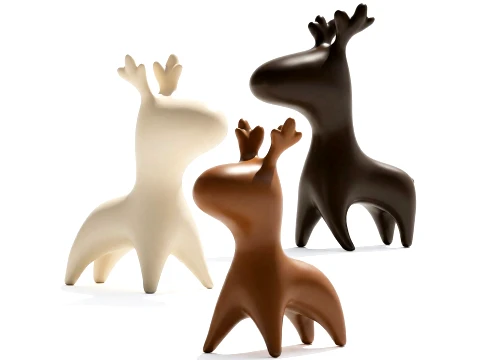
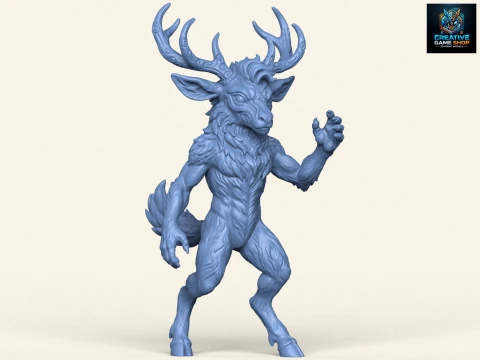
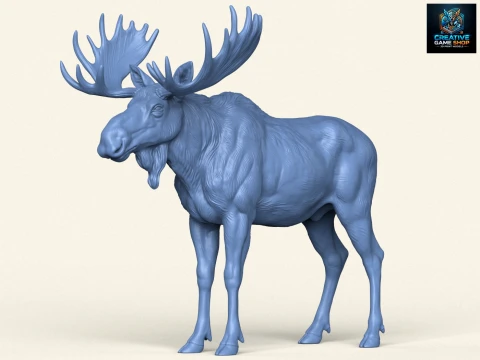
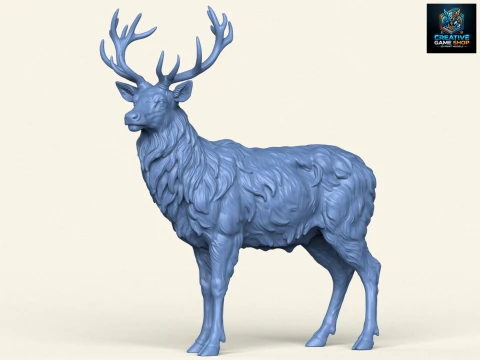
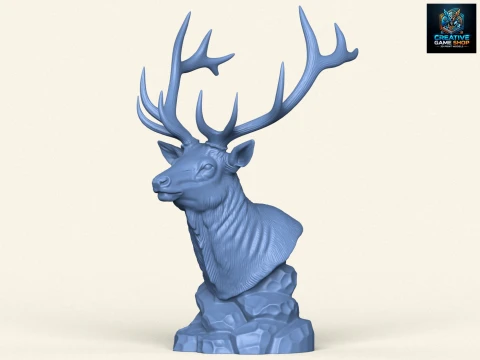
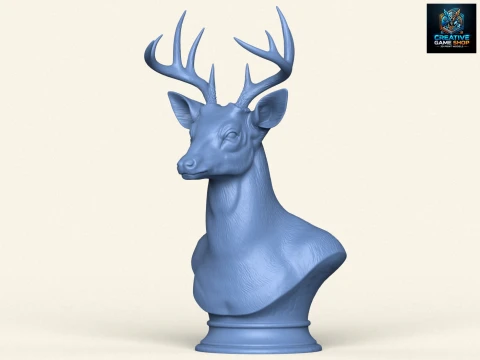

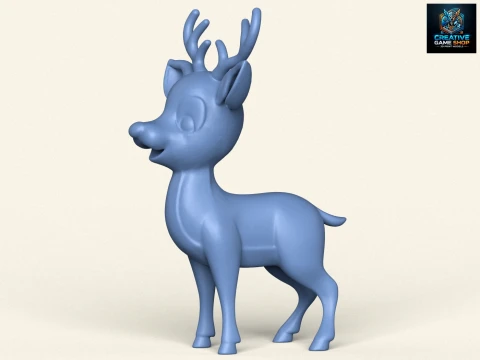


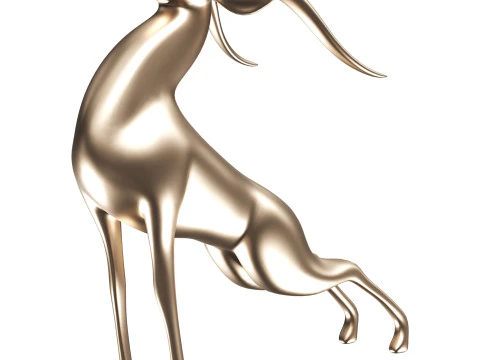


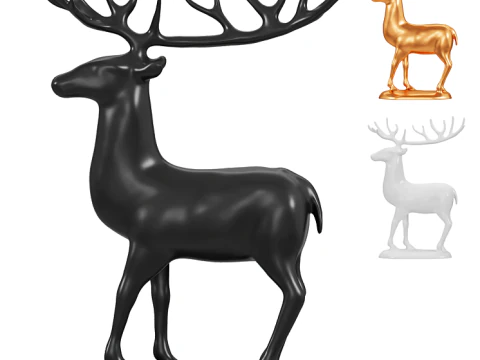


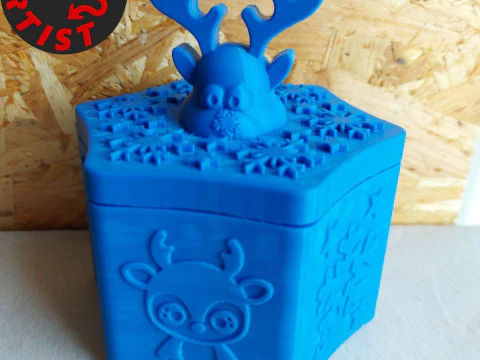








Ricerche di tendenza Modelli 3D:
Scultura Modelli 3D Caratteri Modelli 3D Cucina Modelli 3D Cavallo Modelli 3D Architectural Exteriors Modelli 3D Telefoni e Cellulari Modelli 3D Vegetali Modelli 3D Gioielli Modelli 3D Giocattoli Modelli 3D Medicinali Modelli 3D Elicotteri Modelli 3D Armi Pesanti Modelli 3D Camion Modelli 3D Anatomia Modelli 3DQ1: What deer species are available as 3D models on 3DExport?
White-tailed deer is the most represented — dominant in North American game and wildlife contexts. Red Deer and European Roe Deer cover the European market. Reindeer appear in Christmas-themed and Arctic wildlife content with both wild and domestic (sleigh-pulling) variants. Fallow Deer with their distinctive palmate antlers and spotted coat show up in European park and estate contexts. Sika Deer, Elk (Wapiti), and Moose occupy the larger cervid category. Antler geometry is the distinguishing feature between species and seasons — a white-tailed buck's rack structure differs significantly from a red deer stag's, and both differ from reindeer velvet antlers versus hardened antlers post-rut.
Q2: How are antler geometries built in deer 3D models?
Antlers are one of the most technically interesting geometry challenges in animal modeling — they branch in a species-specific pattern that needs to look organic without being random. The standard approach is a spline-based construction: draw the main beam as a curve, add tine branches as child curves at anatomically correct angles, then convert to mesh geometry (a tube with 8–12 radial segments). The taper from base to tip is critical — antler bases are roughly 70–80mm in circumference on a mature white-tailed buck, tapering to a sharp point. Velvet antlers (growing phase) have a rounded, velvety surface texture; hardened antlers are smooth with occasional scoring from brush contact. These are different texture and geometry states, not just material swaps.
Q3: What animation states are essential for a game-ready deer model?
Eight cover most open-world and hunting game scenarios. Idle grazing: head down, subtle jaw movement, occasional head lift. Alert: head up, ears forward, body still — the classic "freeze" response. Walk: slow quadruped locomotion with correct diagonal gait (left rear + right front move together). Trot: faster diagonal gait with more suspension. Run/flee: bounding gallop with characteristic white-tail flag (tail raised showing white underside). Drink: head lowered to water, subtle throat movement. Lying rest: folded leg recumbent position with occasional ear flick. Death: clean ragdoll-compatible collapse animation. The alert-to-flee transition is the most used in hunting games — getting the timing and momentum right makes the behavior feel believable.
Q4: What texture resolution is needed for a hero deer model in a AAA game?
Hero deer in open-world AAA titles (Red Dead Redemption 2 being the benchmark for photorealistic wildlife) use 4K albedo, 4K normal, 2K roughness, and 2K cavity maps minimum. The coat texture needs to capture the characteristic specular sheen of deer hair — deer coat fibers have a unique hollow structure that makes them particularly reflective under low-angle directional light. This anisotropic quality isn't well-captured by standard roughness maps — some studios add a separate specular direction map or use a custom hair/fur shader for the coat. Antler texture needs a separate material with the smooth, slightly waxy quality of hardened keratin — distinct from the fur coat material and easy to get wrong if you apply the same shader settings to both.